




A 2026 Guide by Sellingantiques
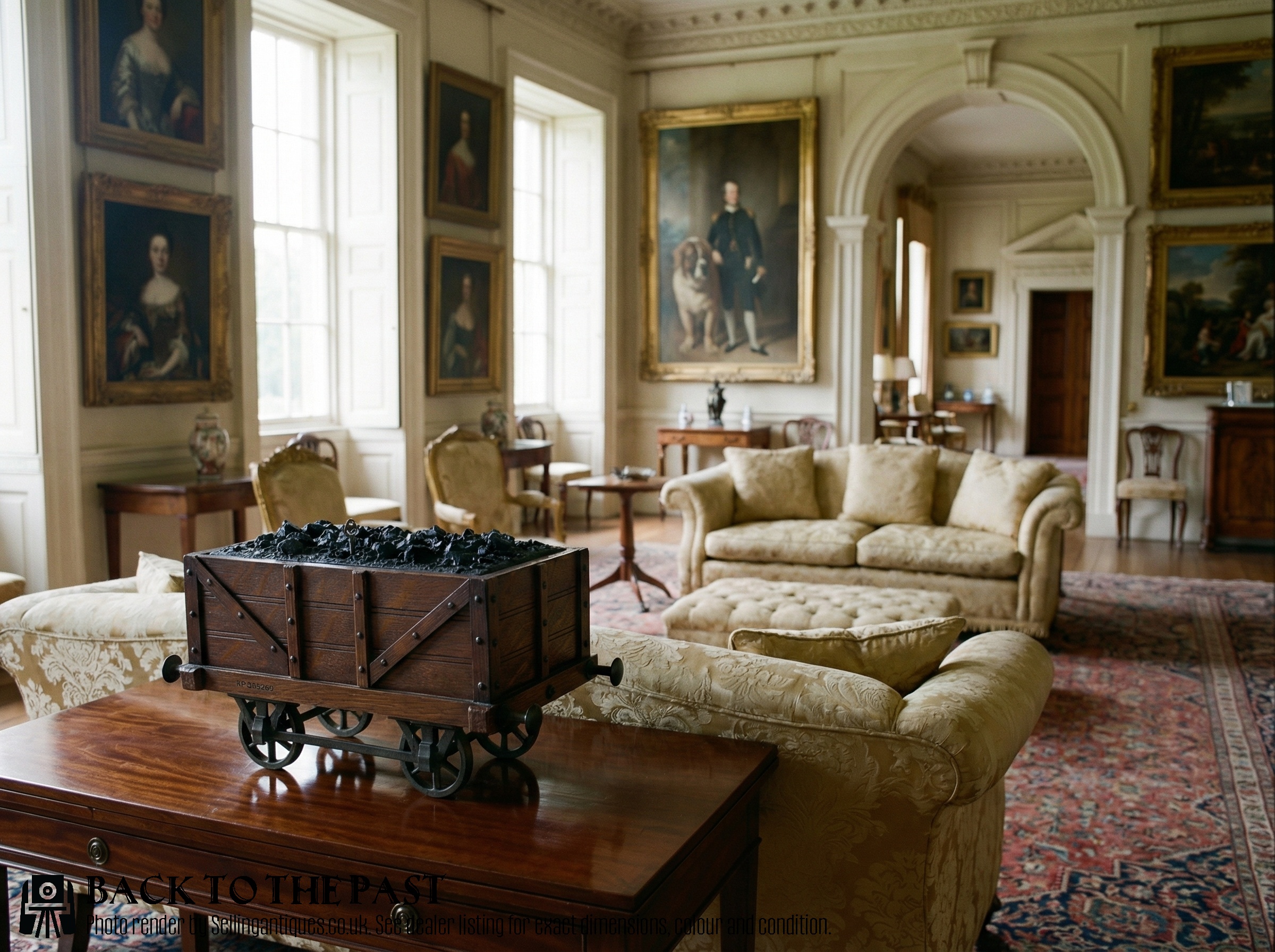
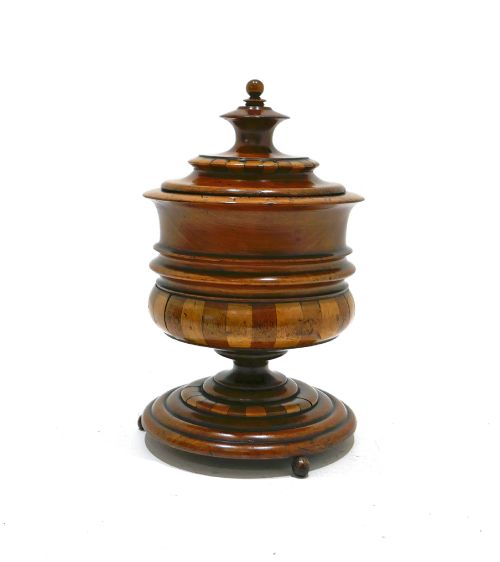
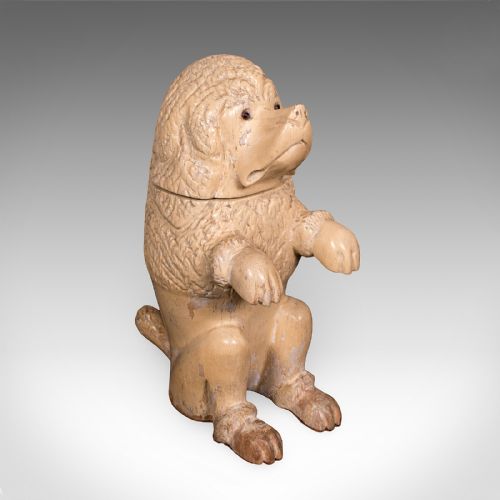
Victorian Railway Coal Wagon Humidor, 19th Century
Priced at £745 from Colin Brand Antiques
Early nineteenth-century smokers usually kept cigars in basic cabinets or tins. The dedicated antique humidor emerged later as imported cigars grew popular.
Zino Davidoff popularised the modern desktop version in the mid-twentieth century. He added internal humidification devices to simple cedar-lined chests.
Look at the hinges on Victorian examples. They are often heavy brass flush mounts to handle the thick, airtight lids.
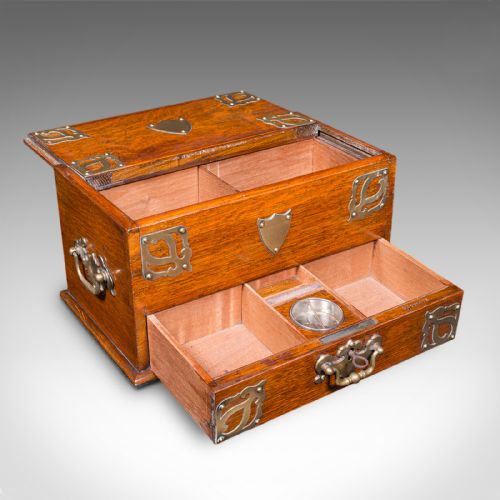
Some Edwardian pieces masquerade as standard side tables. Lift the top and you find zinc or cedar compartments hidden inside.
Elie Bleu began crafting luxury wooden boxes in Paris during the late twentieth century. Their humidors feature elaborate marquetry and thick cedar linings.
Alfred Dunhill produced high-end smoking accessories in London from the early 1900s. Many Dunhill examples use heavy walnut casings with precision brass locks.
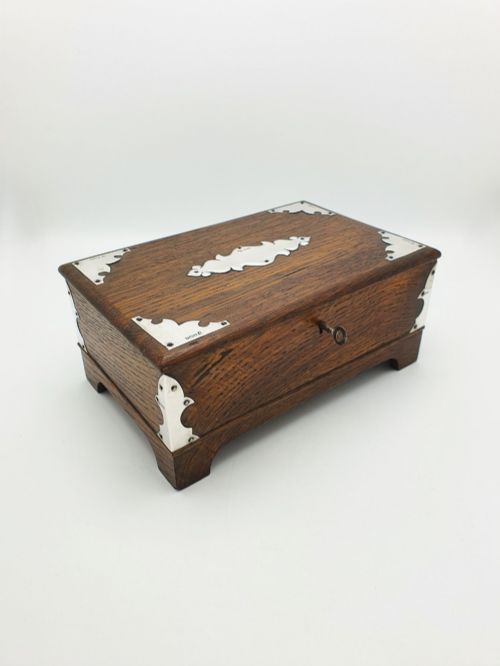
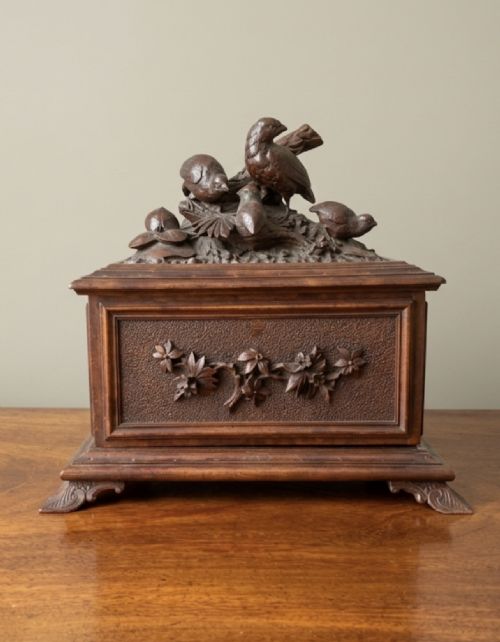
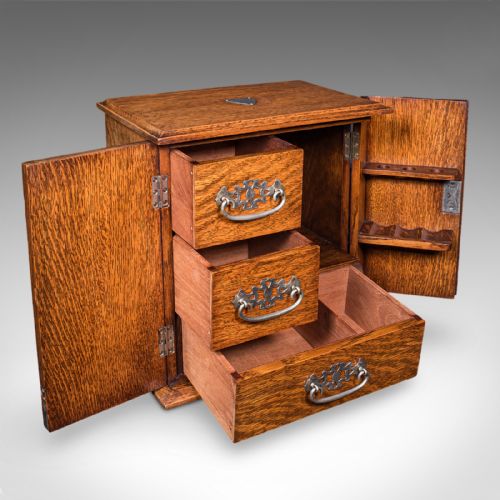
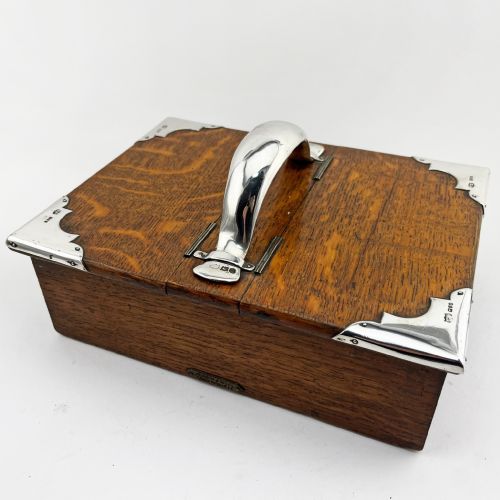
Regional cabinetmakers turned out countless unbranded versions. You find heavy oak variations from provincial English workshops dating to the late Victorian period.
The 2026 retail price guide for Antique Humidors is drawn from a proprietary archive of over 1.1 million retail prices indexed by Sellingantiques since 2003. This guide relies exclusively on their own internal data; no external sources or auction records are used.
Analysing nearly 25 years of UK antique market history alongside current retail values, the data indicates that typical UK retail prices for Antique Humidors range between £300 and £2,000. Entry-level prices generally fall under £300 and premium examples upwards of £2,000.
A tight seal is the defining trait. The lid must close with a soft whoosh, forcing air out to maintain the internal climate.
Many feature a built-in hygrometer mounted on the inner lid. These dials track the humidity and often have brass or silvered faces.
Look for small internal sponges or clay reservoirs. Early antique humidors used these simple wet blocks long before modern electronic humidification existed.
Early makers used solid thick timbers to prevent warping from internal moisture. Later workshops shifted to stable plywood cores covered with decorative veneers.
Notice the corner joints on a quality piece. Cabinetmakers favoured tight splines or concealed dovetails to stop the damp air pushing the carcase apart.
French polishing was standard for the exterior surfaces. It seals the wood pores and provides a hard barrier against external temperature shifts.
"A good cedar lining actually improves the smoking experience. The timber imparts a subtle, spicy note to the tobacco as it rests over decades."
"Some large cabinet models double as sideboards. You get a functional piece of dining room furniture that happens to keep cigars in prime condition."
"The sound of the lid closing indicates the quality. A soft, cushioned drop means the maker got the internal air pressure right."
Based on almost 25 years of Sellingantiques UK antique market data, Antique Humidors appeared 305 times (out of 1,100,000 antiques) which gives it a rarity score of 94/100.
This score measures scarcity within the Sellingantiques archive only and is not a survey of the entire antiques market, so these statistics may not be indicative of the general availability of Antique Humidors elsewhere.
You can certainly use one for daily cigar storage. The core mechanics of a sealed wooden box remain the same today as they were a century ago. Most older boxes just need a period of re-seasoning to function well again.
The dry wood needs to absorb moisture before it can maintain a stable environment. Wipe the interior gently with distilled water and leave a damp sponge inside for a few days. Once the cedar reaches the right humidity level, it will keep cigars fresh.
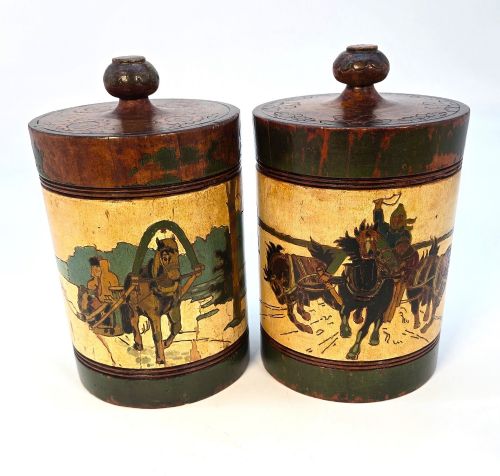
That sounds like a smoking cabinet rather than a standard humidor. Late nineteenth-century makers often built larger pieces to hold pipes, loose pipe tobacco and cigars together. The glass jars usually held the loose tobacco.
The metal rack was likely a pipe rack. While these cabinets kept all the smoking gear in one place, they rarely offer the tight air seal needed to regulate humidity for cigars over long periods.
A sticking lid usually means the internal wood has swollen. The inner cedar lip expands when the humidity inside the box gets too high.
Leave the lid open for a few hours in a dry room. The wood will shrink back as it loses moisture.
The dial is a hygrometer, and older ones rely on a coiled metal spring. Over time, constant dampness can cause the internal mechanisms to rust or seize up.
You can sometimes revive them by wrapping the dial in a damp cloth for a few hours to loosen the spring. If that fails, it is often best to leave the original dial in place for appearance. Many people just hide a small modern digital sensor inside the box to track the moisture instead.
Please note: This Antique Humidors guide and its associated pricing data are provided for general informational purposes only. It does not constitute formal financial, investment, or appraisal advice and should not be relied upon as the sole basis for any commercial activity, purchasing, or sales decisions. Sellingantiques.co.uk accepts no liability for any actions taken in reliance on this information. Always consult with a qualified professional or independent appraiser.

