




A 2026 Guide by Sellingantiques
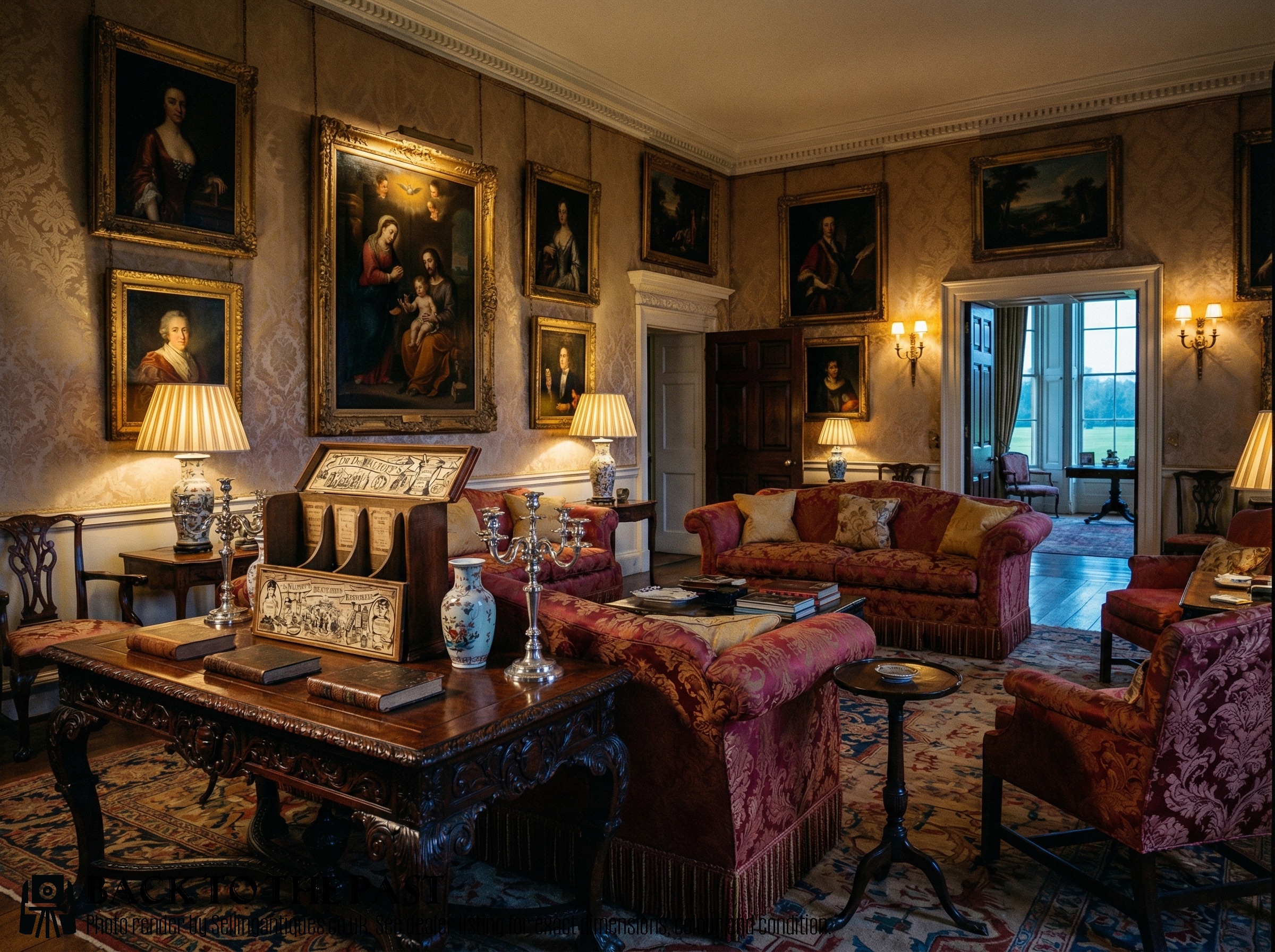
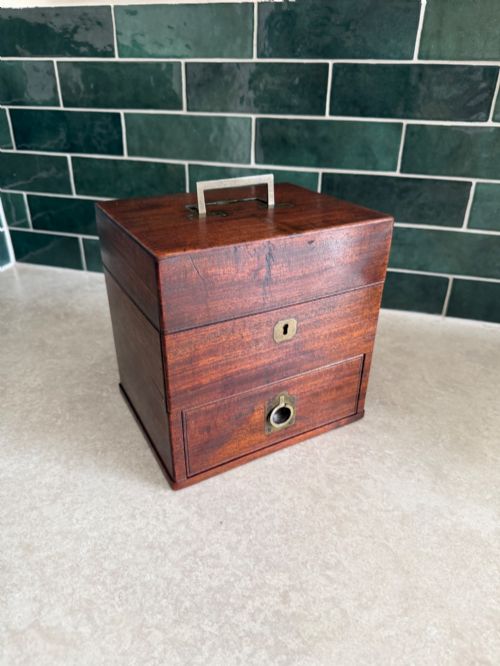
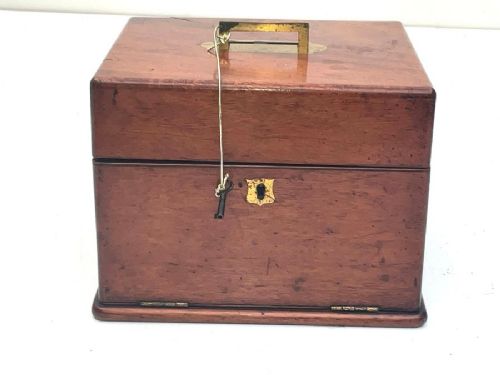
Extraordinary Polished Wood Apothecary’s Display Box, 1890
Priced at £325 from David Griffith Antiques
Travelling doctors required a safe way to transport fragile glass bottles and delicate scales across poorly maintained roads.
Purchase of an antique apothecary box allowed a large estate to dispense basic remedies without sending for a physician.
Most surviving examples date from the late Georgian and Victorian periods.
Look closely at the robust brass-bound chests. Military officers carried these specific forms on foreign campaigns to treat troops in the field.
Savory & Moore supplied high-end fitted chests from their London premises during the nineteenth century.
Springweiler manufactured some of the sturdiest mahogany medicine chests for the domestic market.
Many boxes bear no maker mark at all. The provincial cabinet trade produced thousands of unlabelled examples for local chemists.
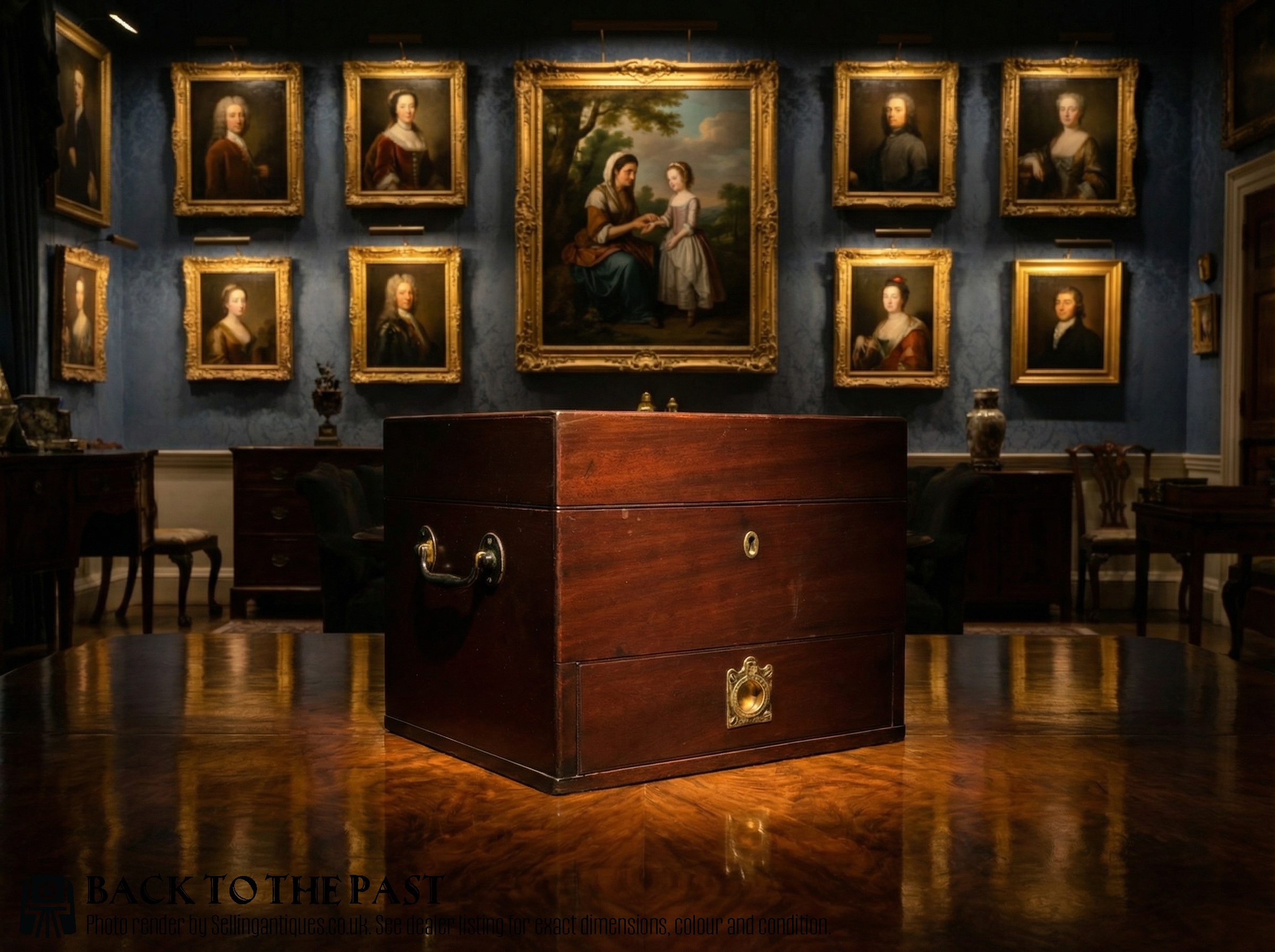
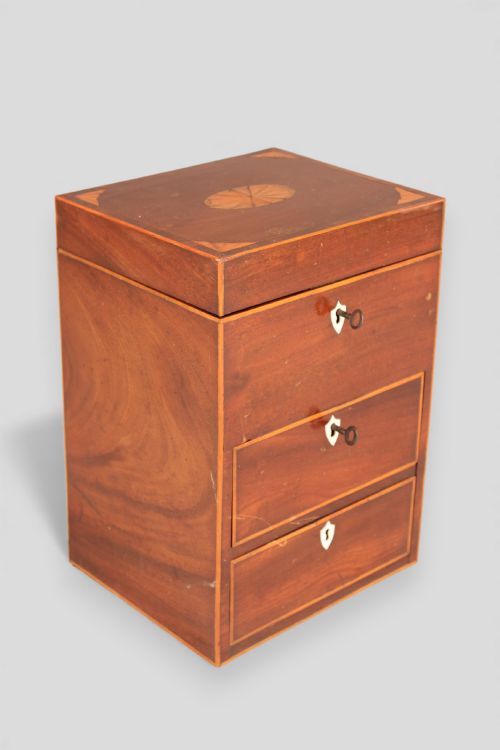
George III Apothecary Box with Out Contents, 1750
Priced at £995 from Sovereign Antiques Of Nuneaton
The 2026 retail price guide for Antique Apothecary Boxes is drawn from a proprietary archive of over 1.1 million retail prices indexed by Sellingantiques since 2003. This guide relies exclusively on their own internal data; no external sources or auction records are used.
Analysing nearly 25 years of UK antique market history alongside current retail values, the data indicates that typical UK retail prices for Antique Apothecary Boxes range between £400 and £1,500. Entry-level prices generally fall under £400 and premium examples upwards of £1,500.
Sectioned grids in the upper compartment hold square glass bottles tightly in place.
A concealed sliding panel at the back often hides deep poison bottles away from the main medicinal supplies.
Check the lower section for a built-in drawer containing a glass pestle, mortar, and brass measuring scales.
Cabinet makers used tiny hand-cut dovetails to assemble the thin timber partitions that separate the glass bottles.
Early chests sit flat on a table. Later Victorian examples often incorporate small bun feet to keep the base off wet surfaces.
Look at the brass corners. Military campaign styles feature heavy brass brackets screwed flush into the wood to prevent corner splitting.
"Secret compartments at the back of the carcase were standard features to keep dangerous poisons away from children."
"The glass bottles were usually hand-blown to fit the exact dimensions of one specific wooden slot."
"Sometimes the base drawer contains tiny hand-written paper labels detailing remedies used by the original family."
Based on almost 25 years of Sellingantiques UK antique market data, Antique Apothecary Boxes appeared 238 times (out of 1,100,000 antiques) which gives it a rarity score of 95/100.
This score measures scarcity within the Sellingantiques archive only and is not a survey of the entire antiques market, so these statistics may not be indicative of the general availability of Antique Apothecary Boxes elsewhere.
Do not force it with pliers. The glass neck will shatter under pressure.
Warm water on a cloth wrapped around the neck can sometimes expand the outer glass enough to break the seal. Some collectors use a few drops of penetrating oil left for a week.
If it refuses to move, leave it alone. An empty bottle with a stuck stopper displays just as well on a shelf.
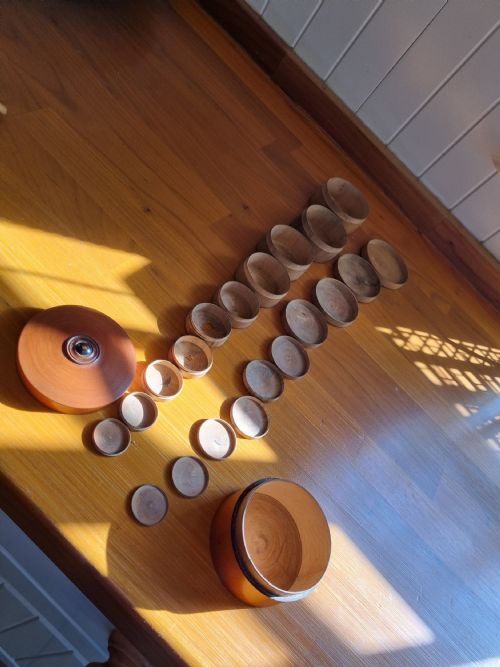
Finding exact replacements takes patience. Because these bottles were often blown to fit specific compartments, standard modern sizes rarely slide in correctly.
Dealers often sell spare antique bottles individually. You need to measure the width and depth of the empty wooden slot down to the millimetre before buying a spare.
That is a stirring rod or sometimes a drop applicator.
Doctors used them to mix powders into liquids within the small glass mortar. They also used the rounded end to apply concentrated liquid treatments directly to the skin one drop at a time.
That pin secures the lower drawer. When you push it down, it slots into the top edge of the drawer below and locks it in place.
You have to open the main lid to lift the pin out. This clever design meant the owner only needed one lock on the main lid to secure the entire chest.
Please note: This Antique Apothecary Boxes guide and its associated pricing data are provided for general informational purposes only. It does not constitute formal financial, investment, or appraisal advice and should not be relied upon as the sole basis for any commercial activity, purchasing, or sales decisions. Sellingantiques.co.uk accepts no liability for any actions taken in reliance on this information. Always consult with a qualified professional or independent appraiser.
