
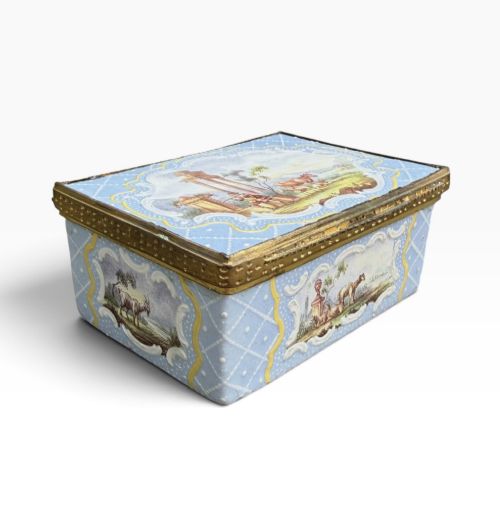
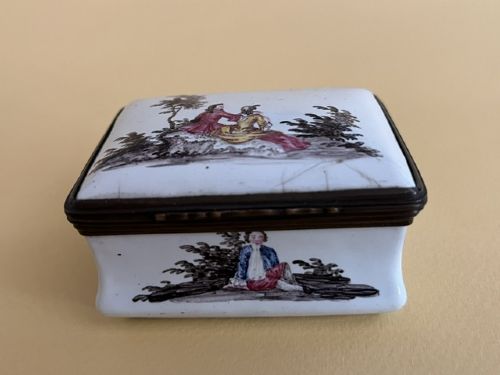

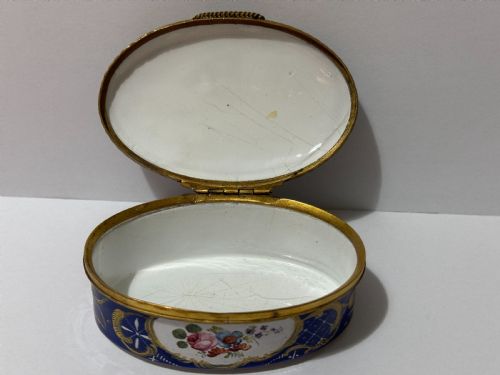


A 2026 Guide by Sellingantiques
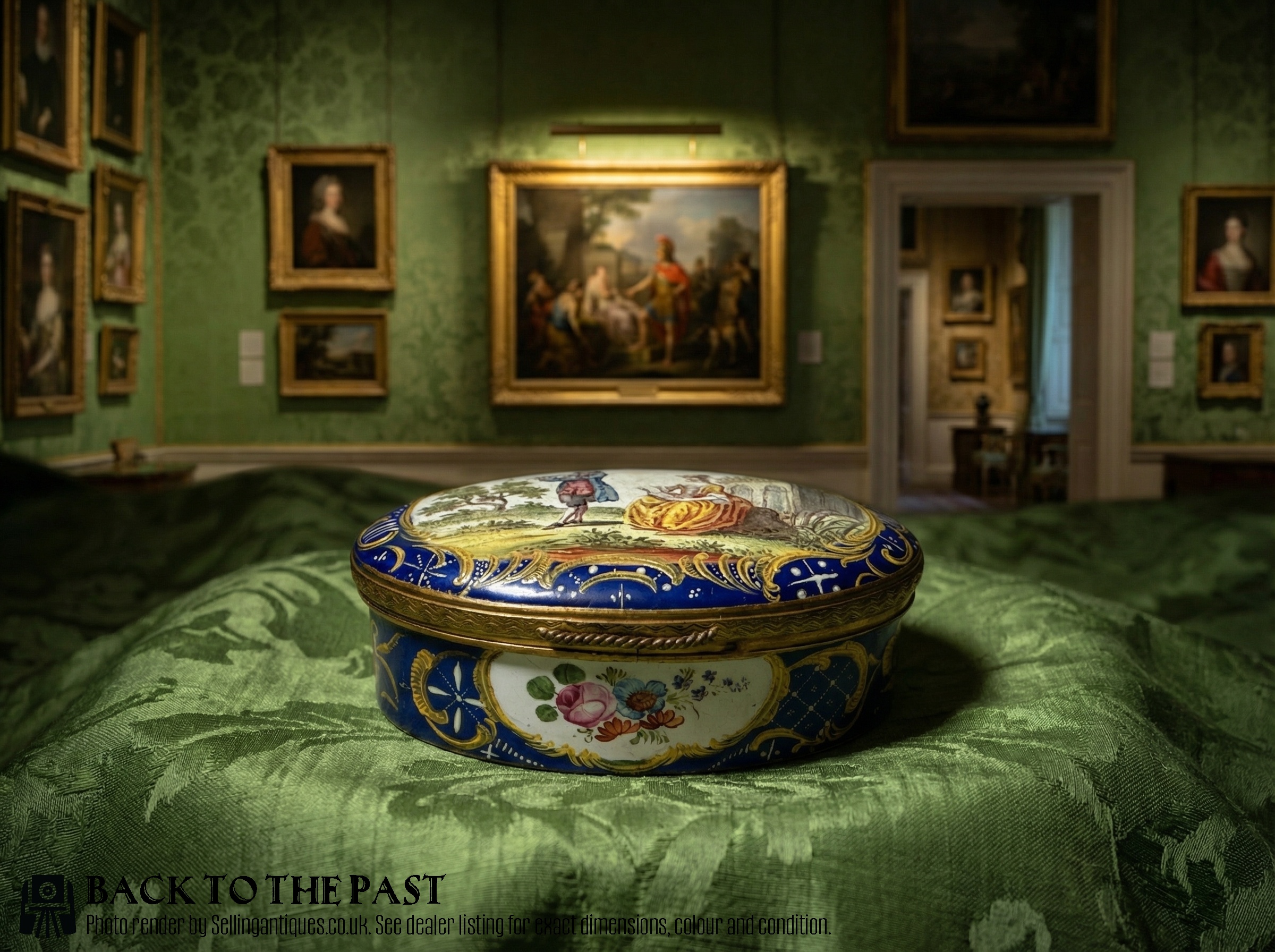
18th Century Bilston Enamel Oval Patch / Snuff Box Circa 1780, 18th Century
Priced at £900 from Treaders Collectables
Fashion dictated their use initially as a medical necessity. Blemishes from disease needed covering.
Men and women both carried antique patch boxes during the Georgian period.
Stop thinking of them as just cosmetic accessories. The placement of a patch sometimes acted as a silent political signal.
Production slowed drastically once vaccination methods improved and heavy lead cosmetics fell out of favour.
Changing tastes in the nineteenth century turned them into obsolete curiosities.
Battersea gets credited with almost all enamel work, but the factory only operated for a few years in the 1750s.
Bilston workshops produced the vast majority of late eighteenth-century enamel examples. They mastered the transfer-printing technique on copper.
Silver examples rarely bear full hallmarks. Small workers like Samuel Pemberton in Birmingham occasionally stamped a maker's mark.
The 2026 retail price guide for Antique Patch Boxes is drawn from a proprietary archive of over 1.1 million retail prices indexed by Sellingantiques since 2003. This guide relies exclusively on their own internal data; no external sources or auction records are used.
Analysing nearly 25 years of UK antique market history alongside current retail values, the data indicates that typical UK retail prices for Antique Patch Boxes range between £200 and £400. Entry-level prices generally fall under £200 and premium examples upwards of £400.
A tiny mirror is often set into the inside of the lid. You needed this to apply the spot correctly while out and about.
Mottoes or short verses decorate many enamel lids. These usually express romantic sentiments or political loyalties.
Check the closing mechanism. Most rely on a simple friction fit or a very small, flush hinge.
Early silver boxes were raised from flat sheet metal using hammers. The silversmith chased designs directly into the surface.
Enamelling involved painting powdered glass onto a shaped copper core. Repeated firings in a kiln fused the layers together.
Mass production techniques in the late Georgian period introduced stamped copper blanks. This allowed for uniform shapes and faster decoration.
"Some intricate boxes feature hidden compartments. A false bottom occasionally provided space for a miniature portrait or a lock of hair."
"Bilston enamellers developed a vivid pink ground colour. This specific shade remains highly prized today."
"Engravers sometimes adapted large-scale fashionable prints into tiny formats just to fit these lids."
Based on almost 25 years of Sellingantiques UK antique market data, Antique Patch Boxes appeared 486 times (out of 1,100,000 antiques) which gives it a rarity score of 91/100.
This score measures scarcity within the Sellingantiques archive only and is not a survey of the entire antiques market, so these statistics may not be indicative of the general availability of Antique Patch Boxes elsewhere.
Leave the original mirrors alone. Any liquid cleaner will seep behind the glass and destroy the remaining silvering.
Just use a dry cotton swab to gently lift away surface dust. If the mirror is completely black, accept it as part of the history.
Avoid applying oil to these tiny hinges. Oil attracts dust and grit, which will eventually grind away the soft metal of the mount.
Stiff hinges usually mean the pin is slightly bent or the metal mount has taken a knock.
A specialist can sometimes realign the mount. Until then, handle it gently and do not force the lid back.
They were tiny shapes cut from black silk or velvet.
Makers stamped them into stars, crescent moons, or simple circles. The stark black fabric contrasted sharply against pale skin.
Not all of them had mirrors. While a mirror is a classic feature, some simpler examples were made without them to keep costs down.
However, small enamel boxes also held snuff, bonbons, or breath lozenges. The distinction often comes down to size and shape.
Snuff boxes tend to be slightly larger and lack the deep base typical of an antique patch box.
Please note: This Antique Patch Boxes guide and its associated pricing data are provided for general informational purposes only. It does not constitute formal financial, investment, or appraisal advice and should not be relied upon as the sole basis for any commercial activity, purchasing, or sales decisions. Sellingantiques.co.uk accepts no liability for any actions taken in reliance on this information. Always consult with a qualified professional or independent appraiser.
