



A 2026 Guide by Sellingantiques
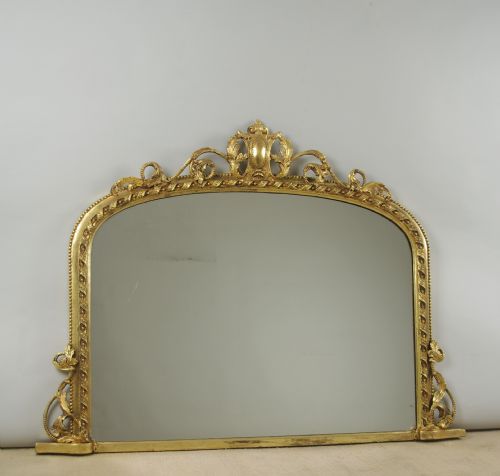
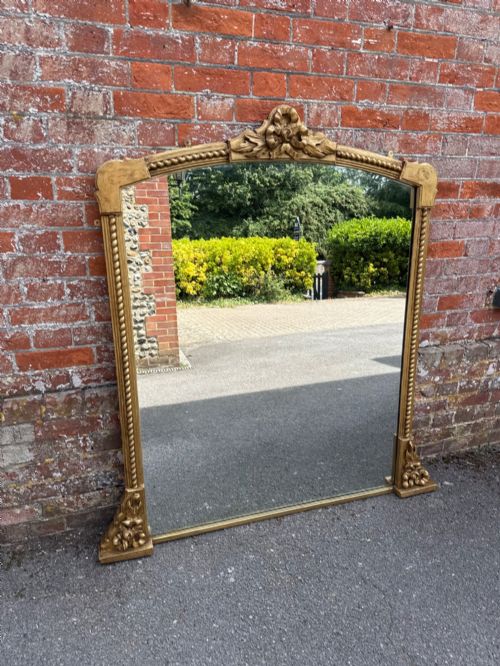
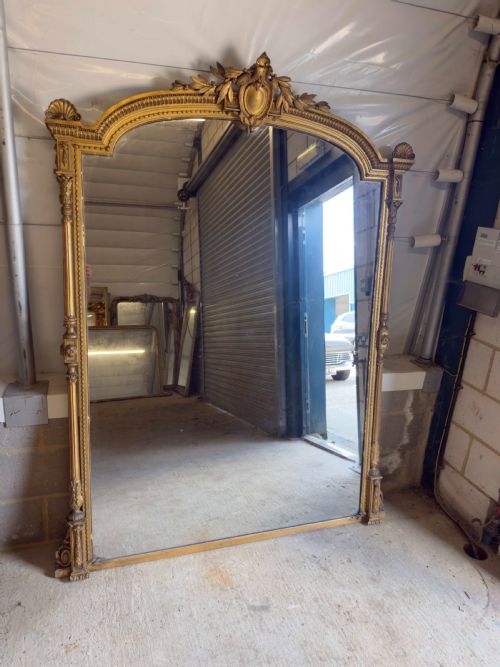
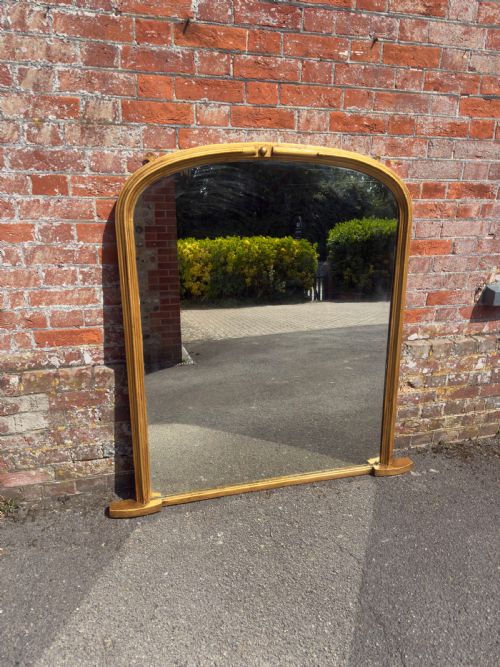
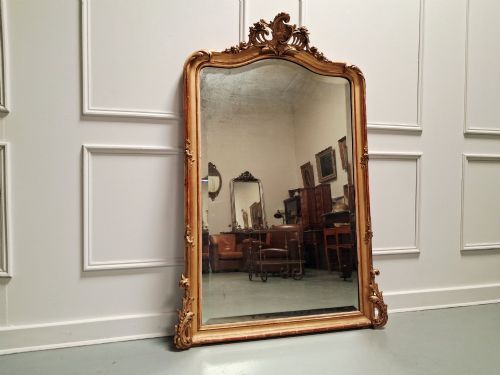
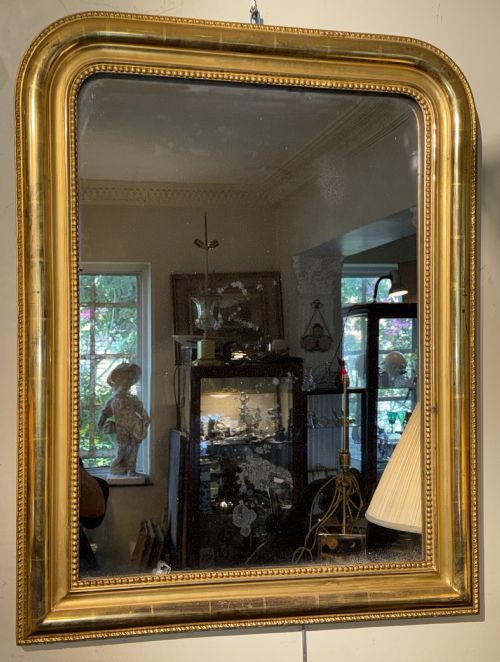
Late 19th Century Arched Top Gilt Mirror 148cms X 90cms, 1890
Priced at £995 from Merchant House Antiques
Georgian architects loved symmetry. Arch top mirrors fit nicely into the neo-classical wall panels they designed for townhouses.
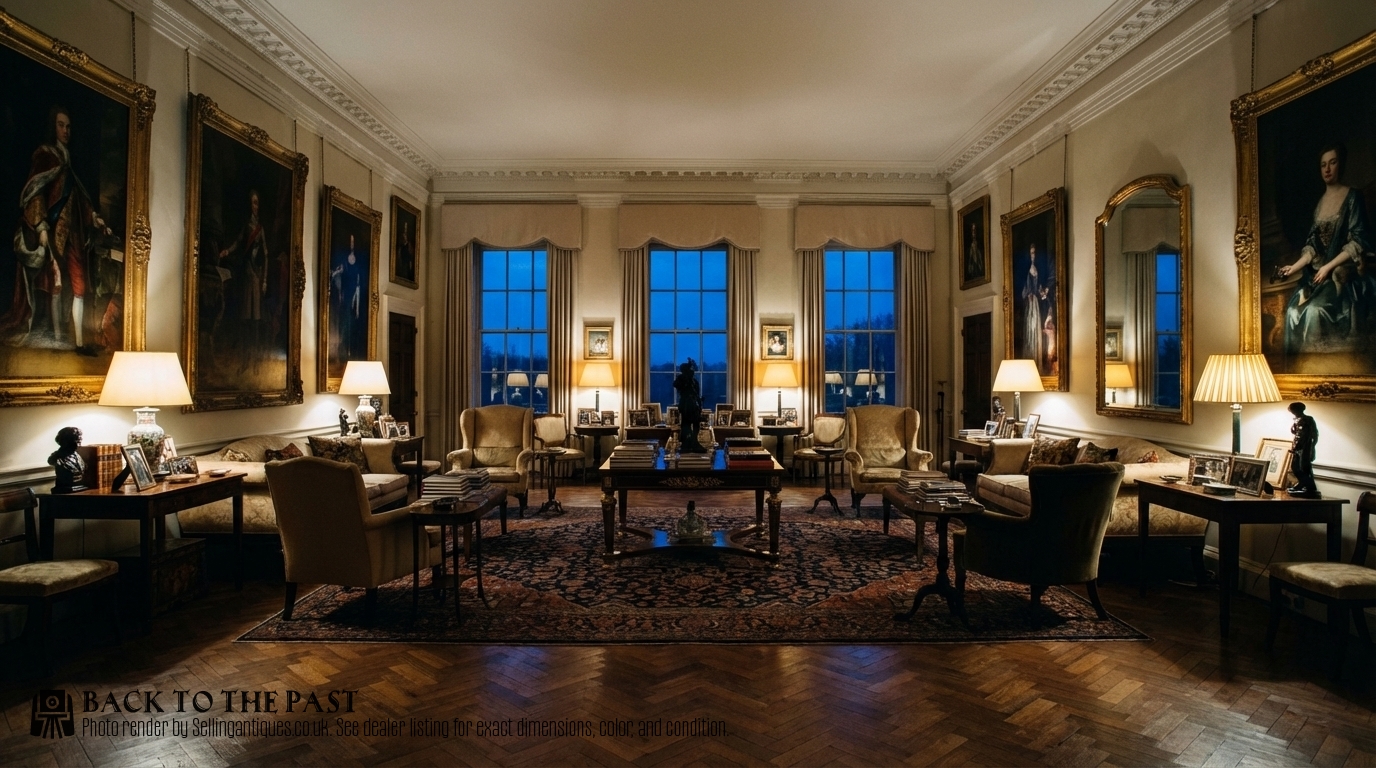
Placed opposite a window, these mirrors reflected daylight right back into the centre of a dark Georgian parlour.
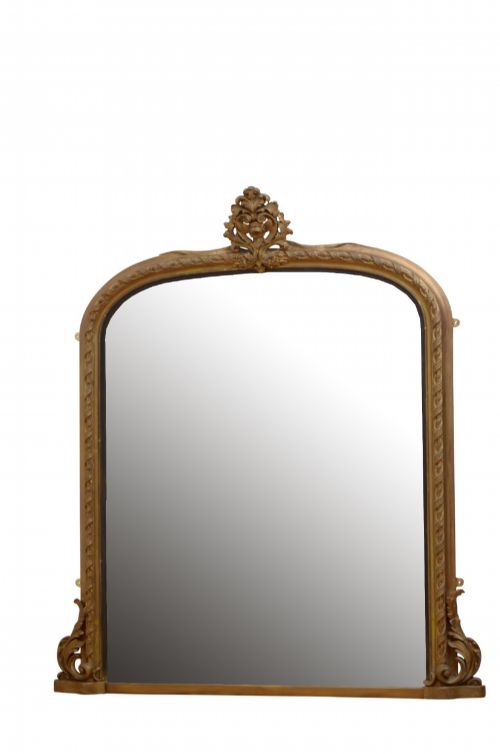
Overmantel versions grew wider by the nineteenth century to fit changing interior proportions. The curve became softer and wider to sit comfortably above lower Victorian fireplace grates in fashionable homes.
Look for earlier examples sitting directly on console tables. Pier glasses often used this curved upper shape.
Thomas Fentham worked in London from the 1770s. His label sometimes survives on the backboards of gilded examples.
Carvers and gilders often supplied frames to the glasshouses. Mirrors were collaborative objects made across multiple workshops.
Provincial cities had their own frame-makers. Look for trade labels from Bath or Edinburgh pasted on the reverse of the pine backboards.
The 2026 retail price guide for Antique Arch Top Mirrors is drawn from a proprietary archive of over 1.1 million retail prices indexed by Sellingantiques since 2003. This guide relies exclusively on their own internal data; no external sources or auction records are used.
Analysing nearly 25 years of UK antique market history alongside current retail values, the data indicates that typical UK retail prices for Antique Arch Top Mirrors range between £800 and £2,500. Entry-level prices generally fall under £800 and premium examples upwards of £2,500.
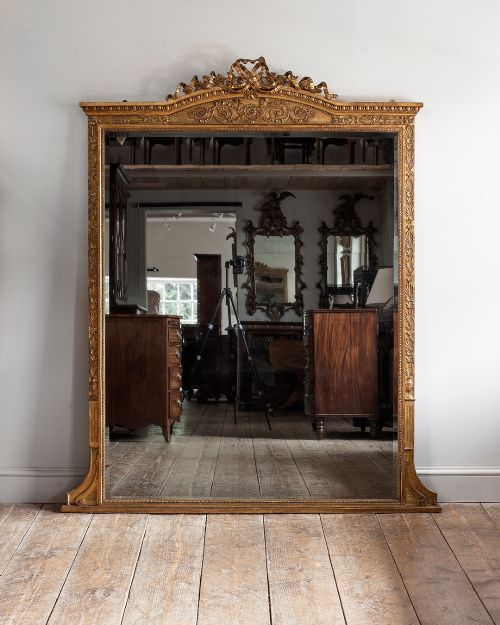
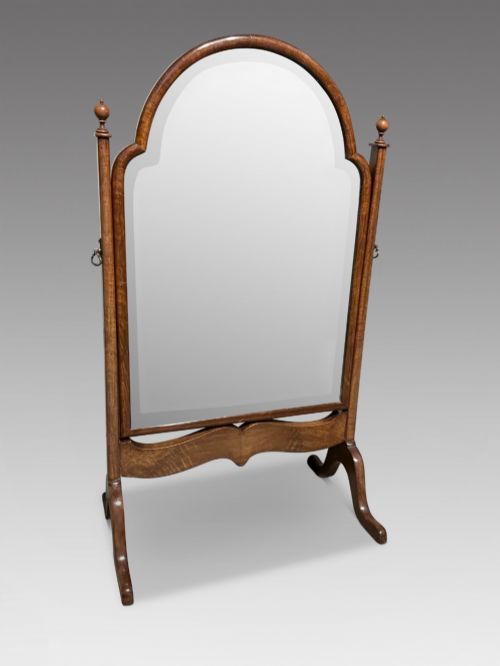
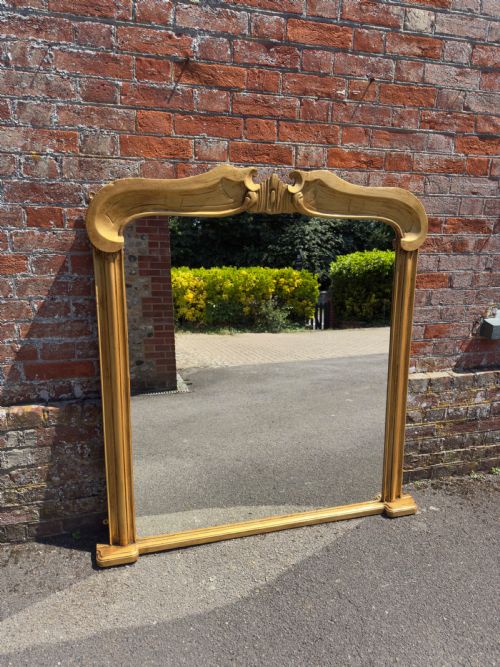
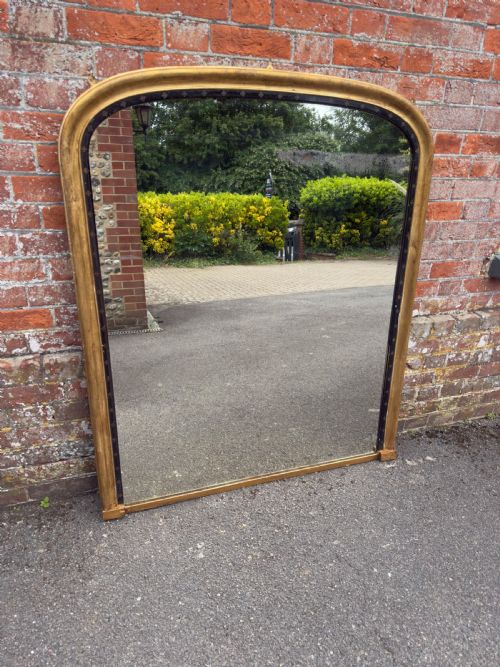
The continuous curve defining the upper frame. Antique arch top mirrors rarely feature sharp shoulders at the top.
A flat bottom edge. Most sit straight on a surface rather than hanging freely in the middle of a wall.
Check the outer rim. Makers often decorated the borders with applied bead mouldings or carved leaf details to catch the candlelight.
Early frames required carving straight into solid wood. This took serious skill to cut a smooth, matching curve on both sides.
Composition ornament became popular later. Pressed paste was shaped in moulds and glued onto a plain arched frame before gilding.
Water gilding demands careful preparation. Craftsmen brushed on layers of clay bole before laying down the thin gold sheets.
"The curve at the top makes a room feel taller. A clever optical trick used by early decorators."
"Arch top mirrors often hid uneven wall plaster. The eye focuses on the clean sweep of the frame instead."
"Creating a curved glass plate was risky. Glassmakers needed special care cooling the edges to stop them snapping."
Based on almost 25 years of Sellingantiques UK antique market data, Antique Arch Top Mirrors appeared 1664 times (out of 1,100,000 antiques) which gives it a rarity score of 72/100.
This score measures scarcity within the Sellingantiques archive only and is not a survey of the entire antiques market, so these statistics may not be indicative of the general availability of Antique Arch Top Mirrors elsewhere.
Dust it lightly with a soft, dry brush. Never use a wet cloth or modern spray cleaners on water-gilded frames.
Moisture dissolves the animal glue holding the gesso and gold leaf together. The gold will lift straight off and leave bare wood.
That hazy grey look usually means the original mercury backing has oxidised. Damp gets in between the glass and the silvering over time.
Most dealers leave it exactly as it is. Re-silvering destroys the antique character and involves harsh chemicals stripping away the old surface.
Yes, if you use heavy-duty fittings. These mirrors carry serious weight.
Drill directly into masonry or solid studs. Never rely on a standard picture hook.
Leave those rough planks exactly where they are. They form part of the history of the piece.
Early makers used rough-sawn pine to protect the delicate silvering. Taking them off risks scratching the back of the glass.
Modern backing materials trap condensation against the antique plate. Pine allows the structure to breathe naturally.
Please note: This Antique Arch Top Mirrors guide and its associated pricing data are provided for general informational purposes only. It does not constitute formal financial, investment, or appraisal advice and should not be relied upon as the sole basis for any commercial activity, purchasing, or sales decisions. Sellingantiques.co.uk accepts no liability for any actions taken in reliance on this information. Always consult with a qualified professional or independent appraiser.
