

A 2026 Guide by Sellingantiques
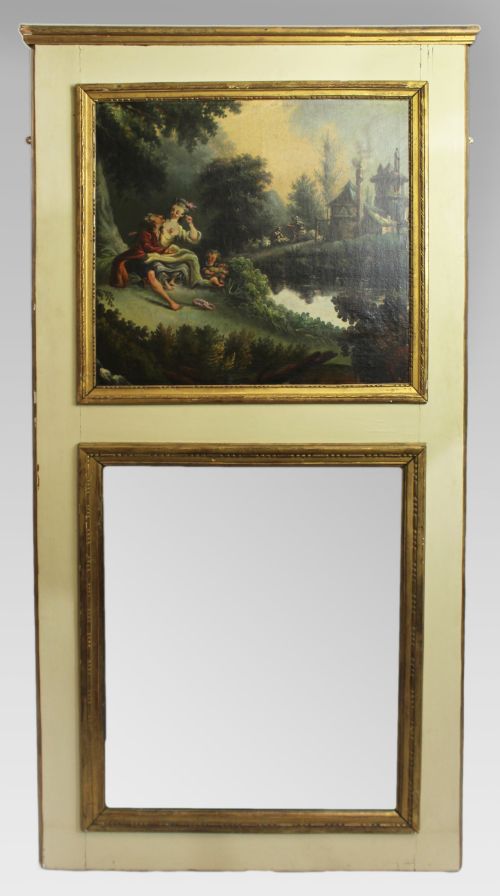
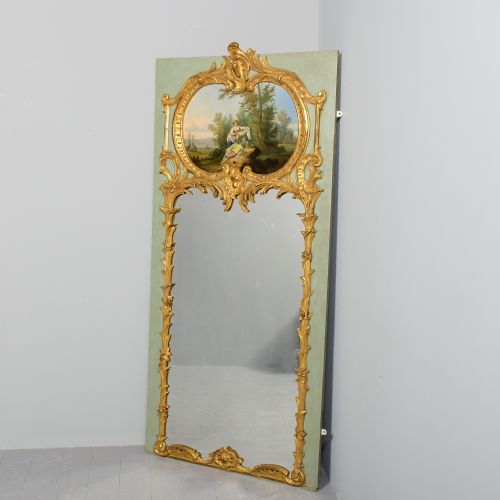
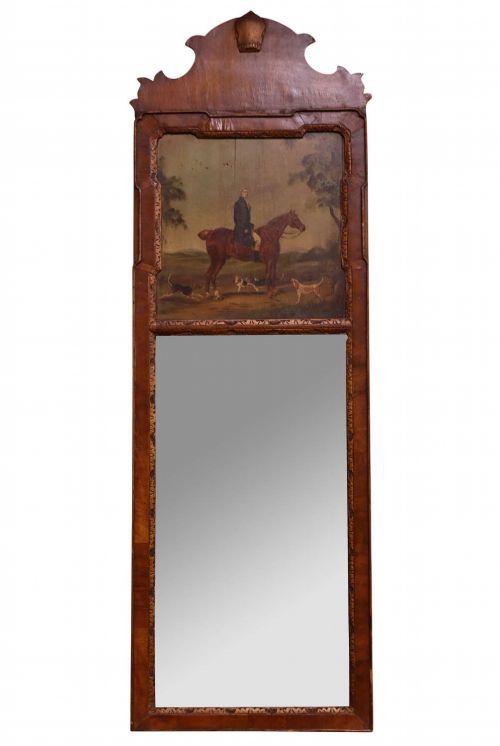
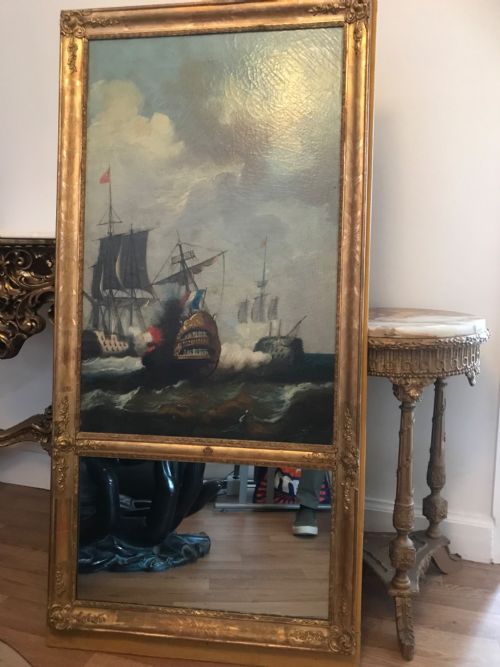
18th Century French Painted and Parcel-gilt Trumeau Mirror, 18th Century
Priced at £2,500 from Treaders Collectables
They began in France during the early 18th century. Architects needed a way to decorate the awkward wall section between tall room windows.
The word trumeau literally translates to the pier or web of wall between two openings. This architectural term eventually became the name of the mirror itself.
Look at how they spread across Europe. English and Italian craftsmen adopted the format later in the century, adapting the proportions for different domestic ceiling heights.
Painting sections often featured pastoral scenes or romantic landscapes. Sometimes they held classical urns or floral still lifes painted on canvas.
Individual cabinetmakers rarely signed these pieces. Production usually involved a vast trade network of carvers, gilders, glass specialists and painters working closely together under a strict guild system.
French royal workshops produced elaborate examples during the reign of Louis XV. The Menuisiers-Ébénistes guild controlled the carving and assembly.
Notice regional variations. Provincial workshops in Southern France turned out rustic painted versions that differ greatly from the gilded Parisian types.
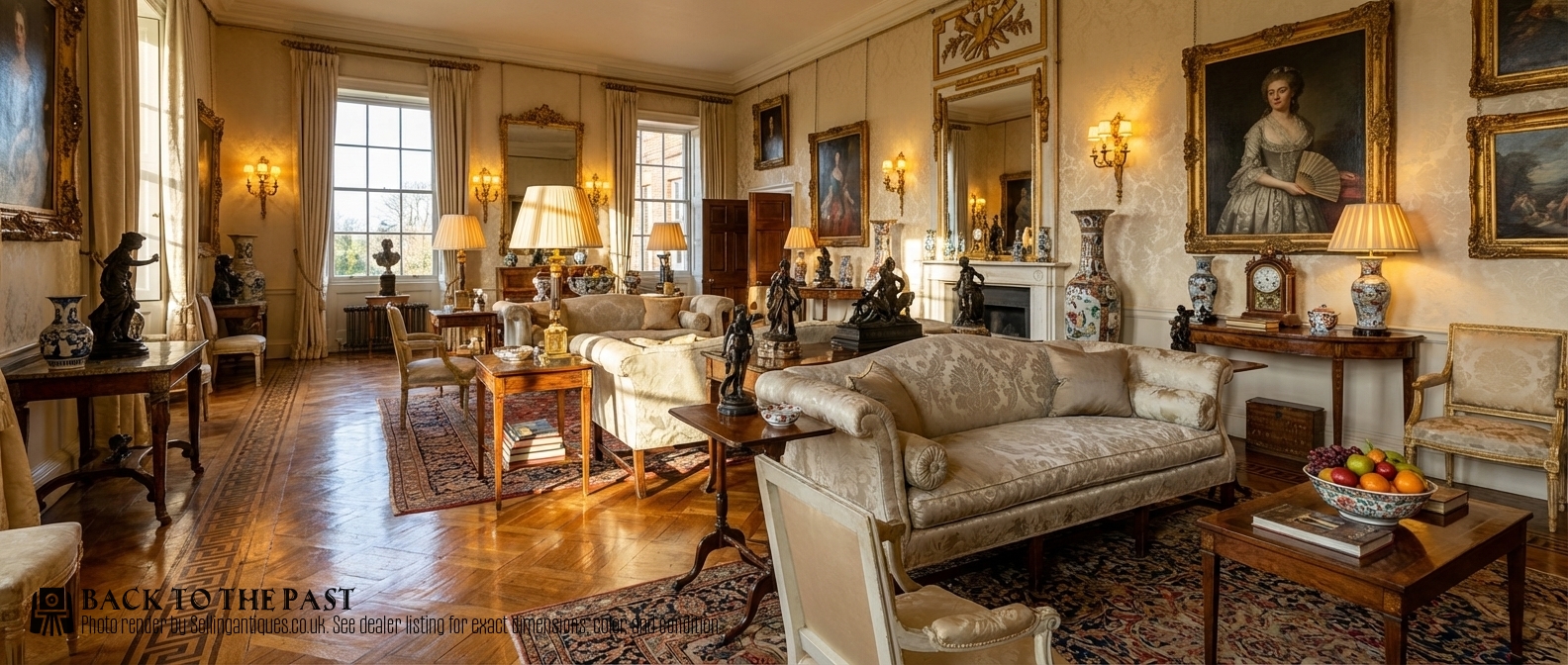
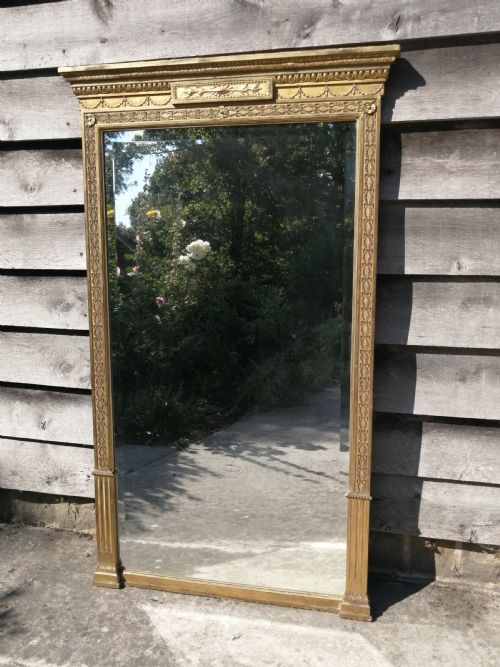
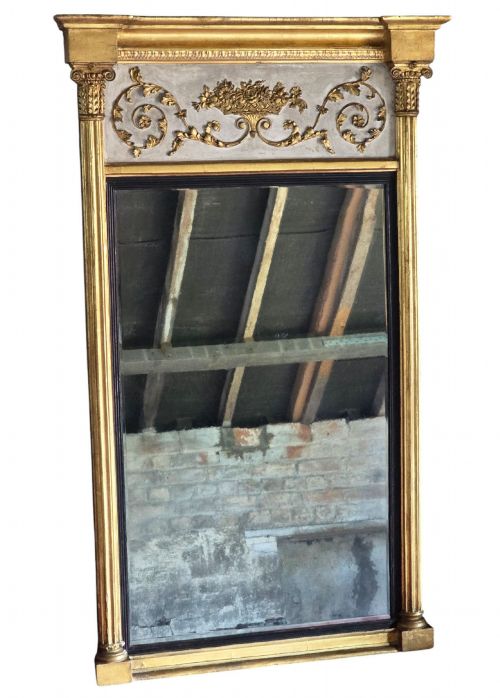
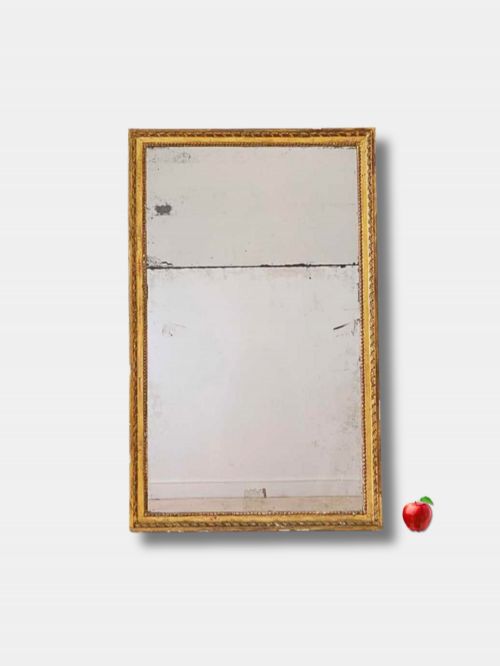
Painted Parcel Gilt Trumeau Wall Mirror, 1910
Priced at £2,395 from Shackladys Antiques
The 2026 retail price guide for Antique Trumeau Mirrors is drawn from a proprietary archive of over 1.1 million retail prices indexed by Sellingantiques since 2003. This guide relies exclusively on their own internal data; no external sources or auction records are used.
Analysing nearly 25 years of UK antique market history alongside current retail values, the data indicates that typical UK retail prices for Antique Trumeau Mirrors range between £700 and £2,500. Entry-level prices generally fall under £700 and premium examples upwards of £2,500.
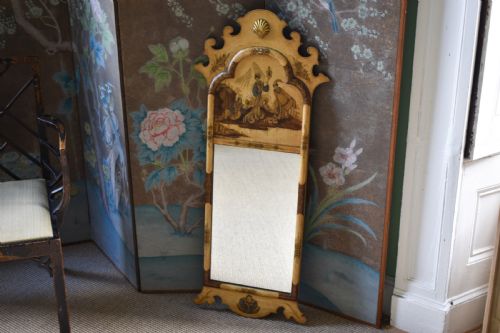
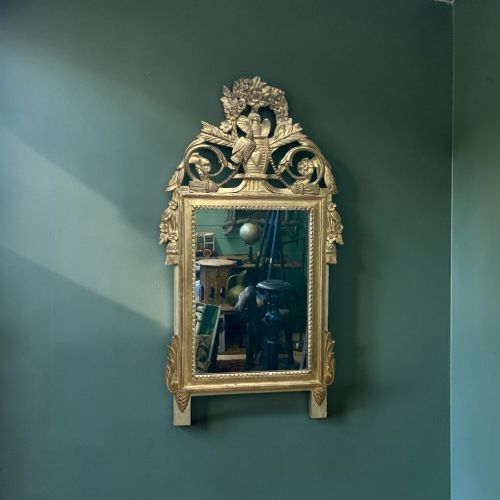
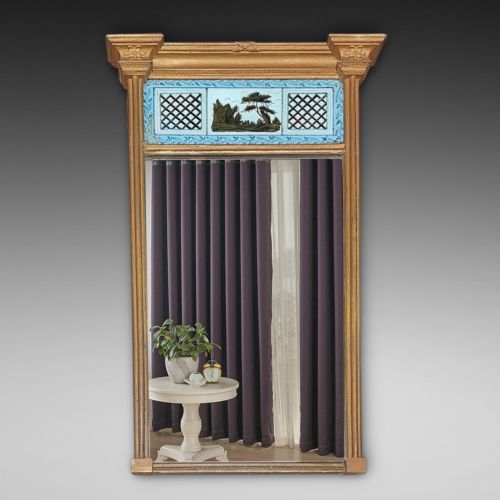
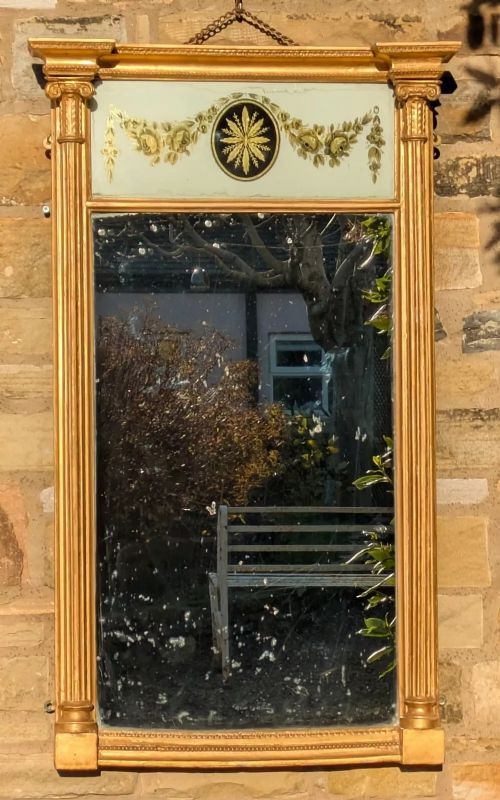
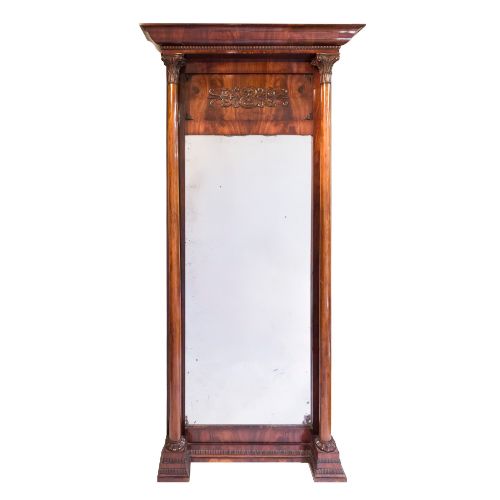
The dual-section design remains the core feature. A mirror plate sits at the bottom, while a decorative panel occupies the upper portion of the unified frame.
Proportion varies significantly. Tall and narrow Antique Trumeau mirrors suit grand reception rooms, while wider ones were adapted for overmantel use.
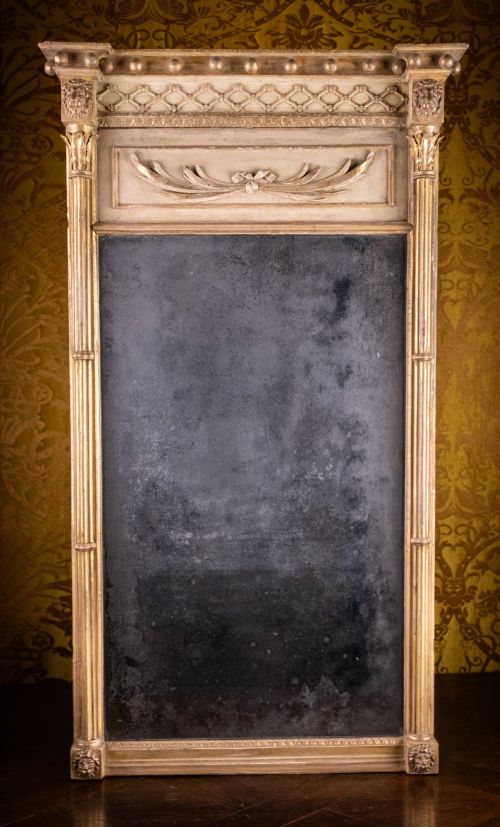
Inspect the decorative borders. Neoclassical examples often frame the top painting with carved ribbons, bows or stiff leaf mouldings.
Early examples rely on heavy joined frames. Carpenters used mortise and tenon joints pegged with wooden dowels to secure the vertical stiles.
Carved elements changing over time. Rococo versions feature asymmetrical C-scrolls, whereas later pieces use rigid geometry and straight fluted columns.
Notice the glass mounting. Plates were held in place with small wooden blocks and putty, requiring thick backboards to take the weight.
"These actually served a practical heating purpose. Placing them opposite a fireplace allowed the glass to reflect warmth back into large, draughty reception rooms."
"Many older paintings gained a second life in these frames. Dealers often cut down historic canvases to fit into newly made trumeau surrounds."
"Dividing the glass and painting was originally a smart economic choice. Filling the upper half with art saved money on expensive looking glass."
Based on almost 25 years of Sellingantiques UK antique market data, Antique Trumeau Mirrors appeared 441 times (out of 1,100,000 antiques) which gives it a rarity score of 92/100.
This score measures scarcity within the Sellingantiques archive only and is not a survey of the entire antiques market, so these statistics may not be indicative of the general availability of Antique Trumeau Mirrors elsewhere.
Most Antique Trumeau mirrors are heavy. The combined weight of thick early glass, robust timber carcases and heavy backboards adds up quickly.
You need solid wall fixings to hang them. Plasterboard alone will not hold one securely.
Dusting with a soft, dry brush is the safest approach. Use a light touch to avoid pushing the loose canvas against the backing boards.
Avoid any liquid cleaners or damp cloths on the painted reserve. Moisture can penetrate old craquelure, causing the paint layer to lift away from the canvas.
If the painting is very dirty, a professional restorer can consolidate the flaking paint and remove yellowed varnish safely.
They work well above mantels. Many wider 19th-century versions were adapted specifically for this placement rather than the traditional spot between windows.
Check the ceiling height before you try. The tall proportions of a classic trumeau often require a generous gap between the mantelpiece and the cornice.
A tall mirror can actually help a low room. The vertical lines draw the eye upwards, creating an illusion of height.
Placing one opposite a window will bounce light deeper into the room. This makes cramped spaces feel wider and less oppressive.
Please note: This Antique Trumeau Mirrors guide and its associated pricing data are provided for general informational purposes only. It does not constitute formal financial, investment, or appraisal advice and should not be relied upon as the sole basis for any commercial activity, purchasing, or sales decisions. Sellingantiques.co.uk accepts no liability for any actions taken in reliance on this information. Always consult with a qualified professional or independent appraiser.
