

A 2026 Guide by Sellingantiques
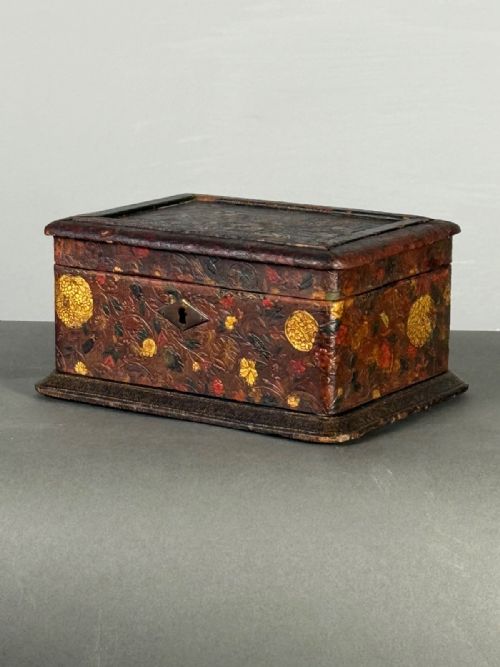
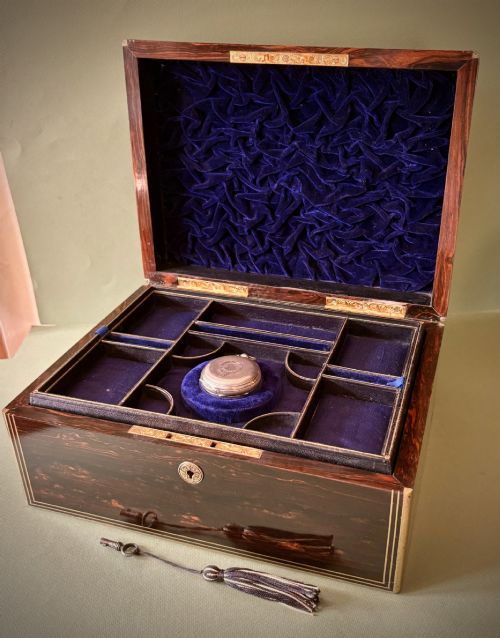
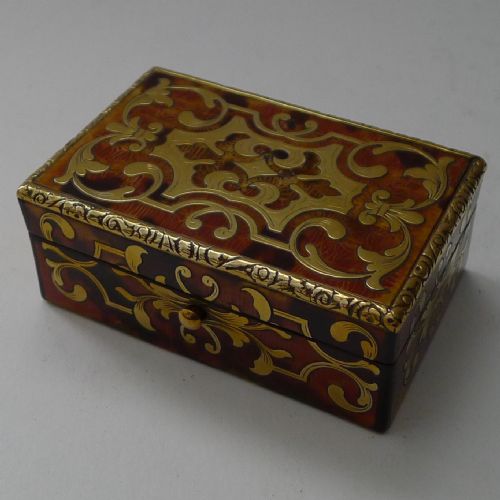
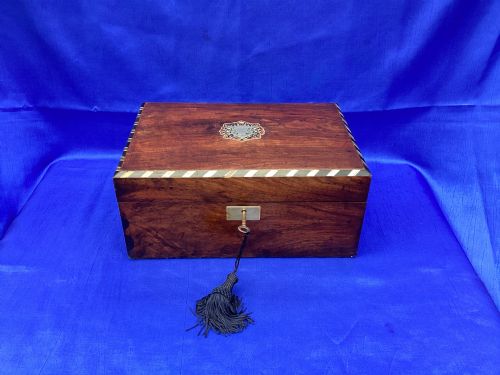
19th Century Brass Bound Burr Wood Amboyna Box, 19th Century
Priced at £175 from Richard Anthony Rush Antiques
Look at early medieval examples and you'll find they mostly held religious relics.
Later on, affluent households required secure places for important documents.
Grand Tour travellers bought them in Italy or France as expensive souvenirs during the nineteenth century, packing them carefully for the journey home.
Oak gradually gave way to lighter veneered pieces meant for the bedroom.
French makers around the Palais Royal district supplied highly fitted sewing and jewellery caskets to a wealthy clientele during the early nineteenth century.
Erhard & Söhne produced heavy brass and rosewood examples in Germany towards the end of the 1800s.
Documented English work often points to Coromandel specialists like Betjemann & Sons operating in London.

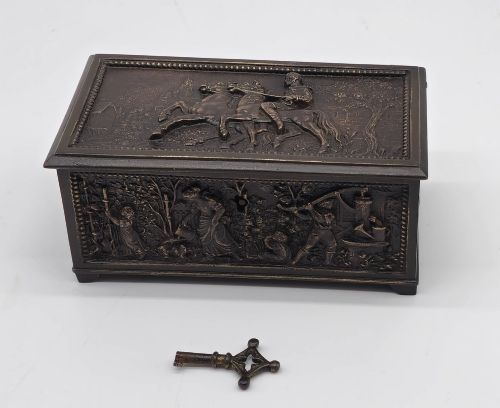
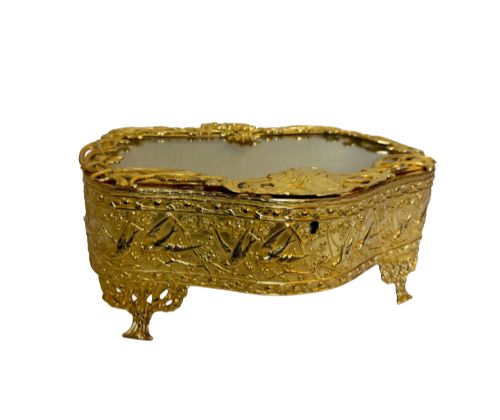
German Steel Casket, 1800
Priced at £950 from David Robinson Antiques
The 2026 retail price guide for Antique Caskets is drawn from a proprietary archive of over 1.1 million retail prices indexed by Sellingantiques since 2003. This guide relies exclusively on their own internal data; no external sources or auction records are used.
Analysing nearly 25 years of UK antique market history alongside current retail values, the data indicates that typical UK retail prices for Antique Caskets range between £300 and £1,900. Entry-level prices generally fall under £300 and premium examples upwards of £1,900.
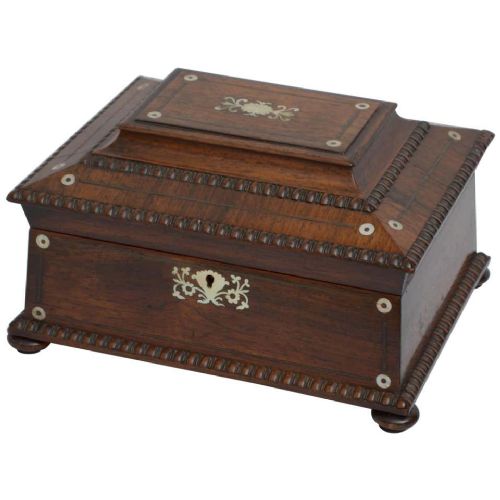
Expect a strong lock mechanism, often with a shaped escutcheon plate to draw the eye.
Domed lids turn up frequently in older antique caskets to stop heavy items being stacked on top of them.
Turn it over. Raised feet lift the base off the table surface, protecting the box and the furniture below from scratches.
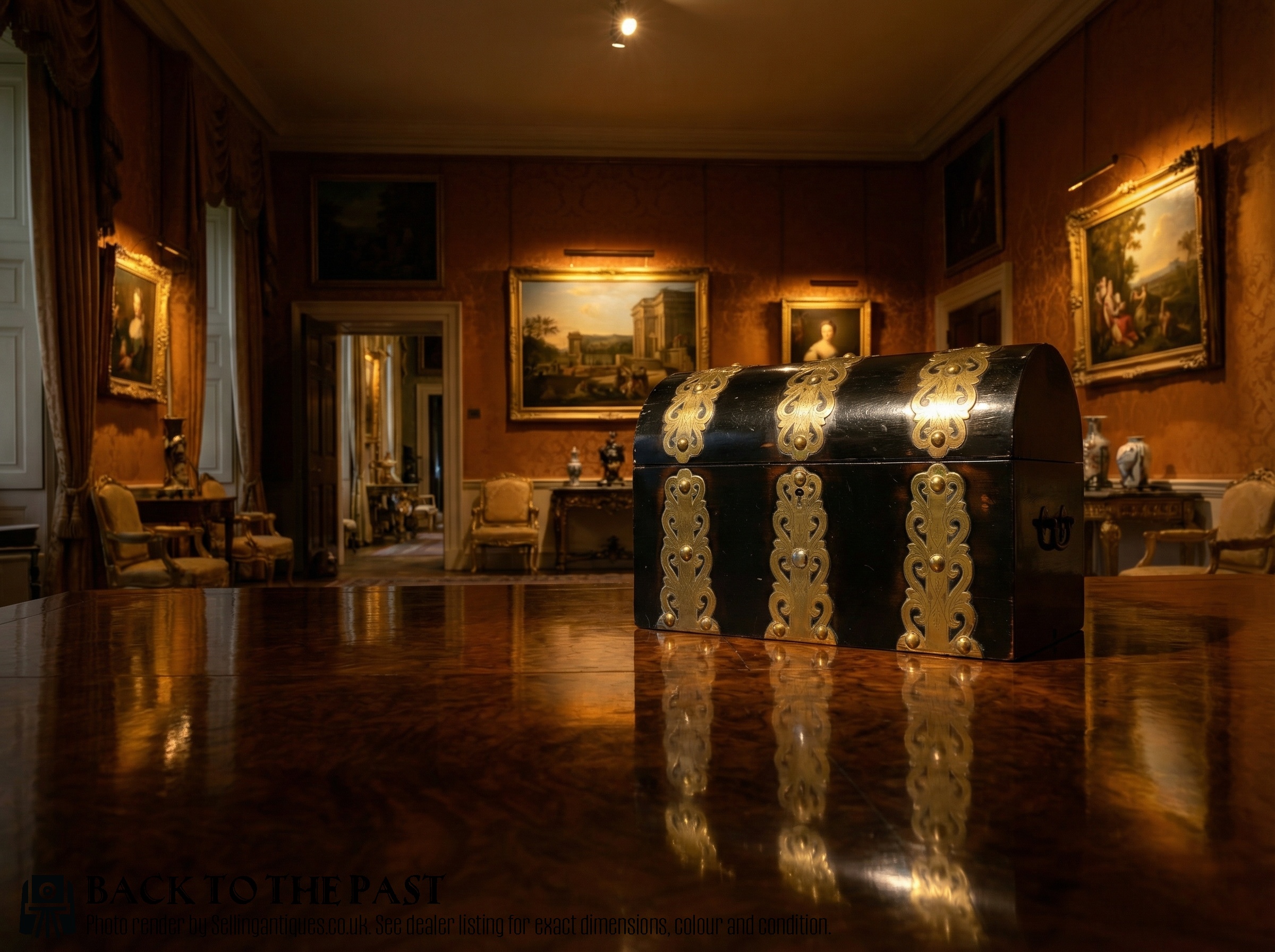
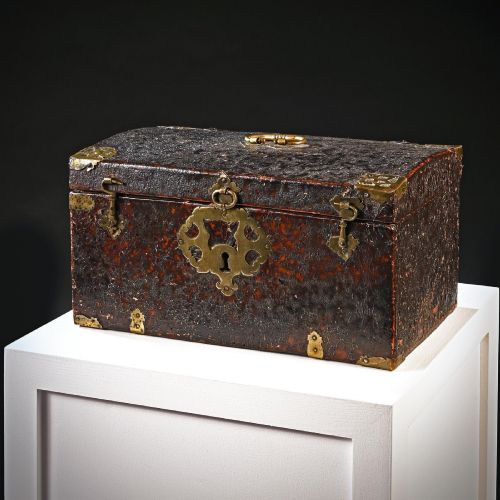
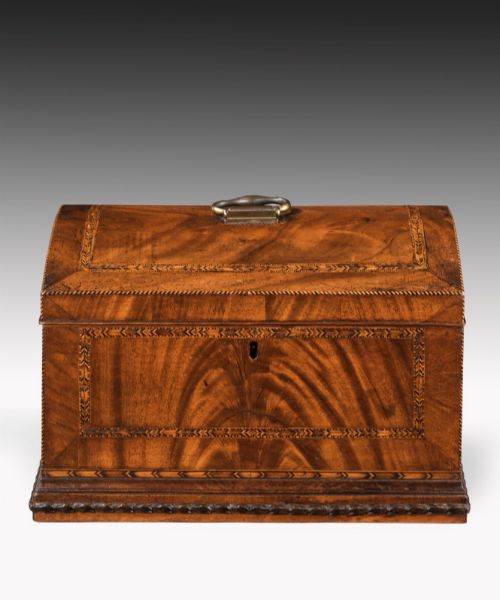
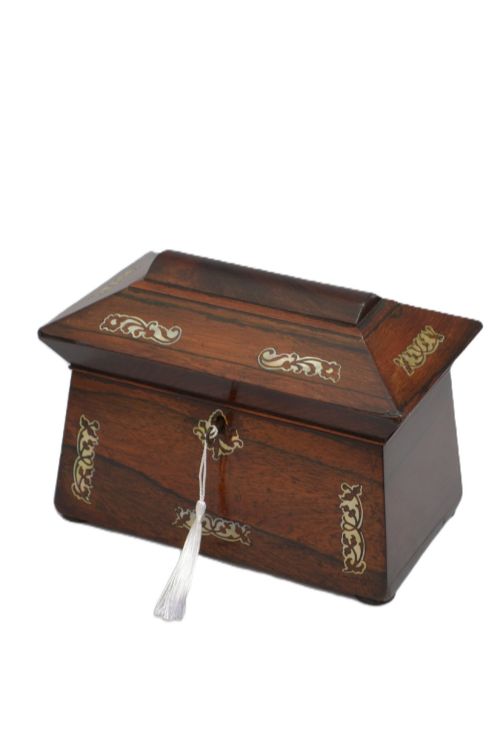
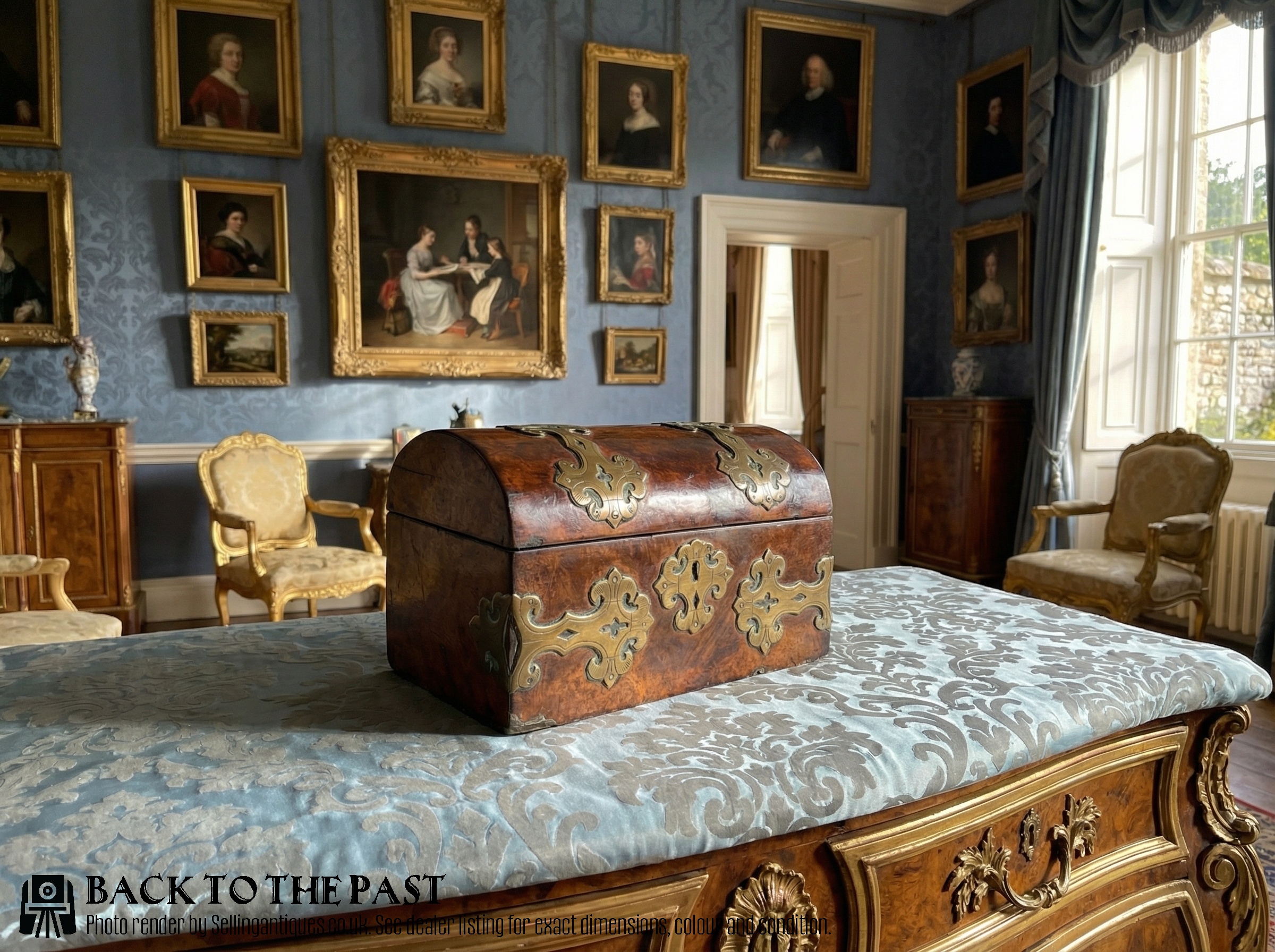
A Victorian Gothic Revival Dome Topped Desk Stationary Box. Made from Coromandel Wood, 1860
Priced at £490 from Minerva Antiques Ltd
Early makers pinned heavy metal plates directly over oak boards with hand-forged iron nails.
The introduction of fine dovetail joints allowed Georgian craftsmen to build thinner, lighter carcases.
Boulle marquetry required cutting brass and tortoiseshell together in a stack. This formed matching elaborate patterns for the lid.
"Hidden compartments sometimes sit beneath a false floor, accessed by pressing a specific wooden peg."
"Many plain wooden interiors were originally designed to hold tightly fitted silver vanity jars."
"Travel covers made from heavy leather often accompanied the best ones to keep them pristine during long journeys."
Based on almost 25 years of Sellingantiques UK antique market data, Antique Caskets appeared 2194 times (out of 1,100,000 antiques) which gives it a rarity score of 64/100.
This score measures scarcity within the Sellingantiques archive only and is not a survey of the entire antiques market, so these statistics may not be indicative of the general availability of Antique Caskets elsewhere.
Dust the metal lightly with a dry, soft brush to remove loose dirt from the crevices. Avoid using liquid metal polish near the timber or tortoiseshell.
Polish residue turns white as it dries and gets stuck in the wood grain. A gentle wipe with a microfibre cloth usually does enough to keep the brass looking right.
Most standard box locks from the nineteenth century use very simple mechanisms. A traditional locksmith can often pick them open using a blank key or basic hand tools in a few minutes.
Do not force the lid with a screwdriver. The wood around the lock plate will splinter, and the catch itself will bend. Once it is open, the locksmith can usually file a new key to fit the original levers.
Silk or velvet usually indicates a piece meant for jewellery. The fabric stopped precious metals from scratching against the wood.
Paper linings point to document storage. Padded silk inside the lid helped press items down gently.
Many caskets originally had a fabric stay, a ribbon fixed between the inside of the lid and the base. This took the weight off the hinges when open.
Others used mechanical stop-hinges built into the brasswork itself. Over time, fabric stays tear and mechanical stops wear down through repeated use.
Having a restorer add a discrete new ribbon stay is a sensible step. It stops the heavy lid from falling back and cracking the wooden carcase.
Please note: This Antique Caskets guide and its associated pricing data are provided for general informational purposes only. It does not constitute formal financial, investment, or appraisal advice and should not be relied upon as the sole basis for any commercial activity, purchasing, or sales decisions. Sellingantiques.co.uk accepts no liability for any actions taken in reliance on this information. Always consult with a qualified professional or independent appraiser.
