


A 2026 Guide by Sellingantiques
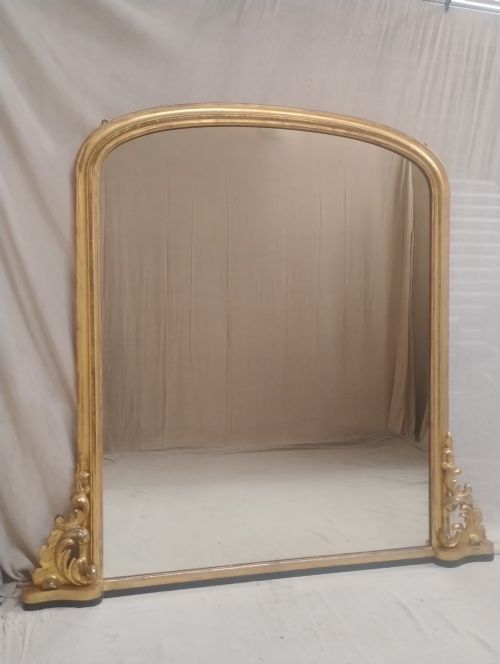
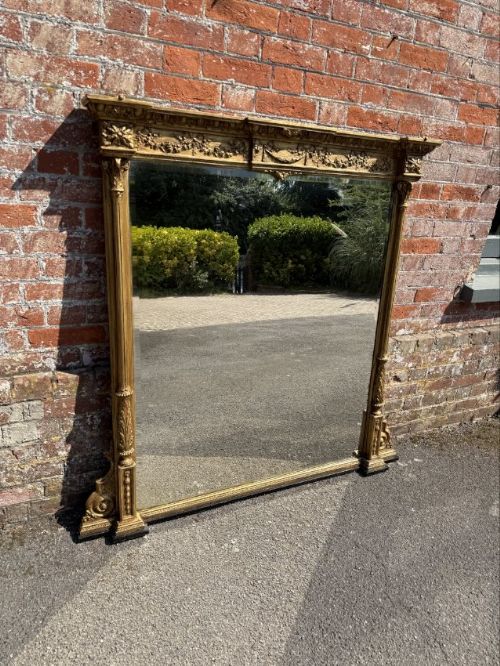
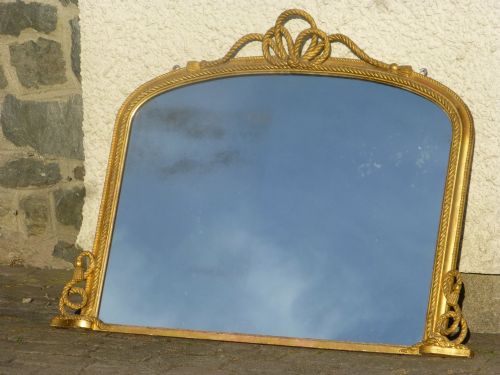
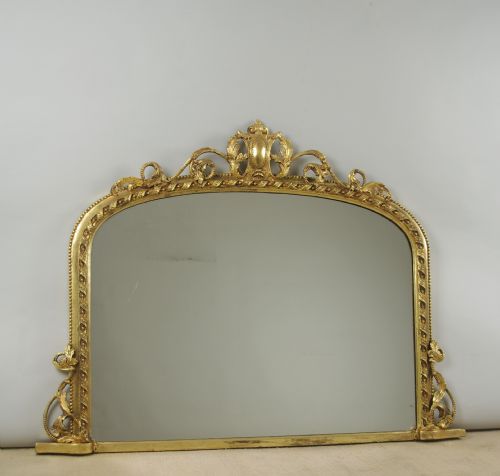
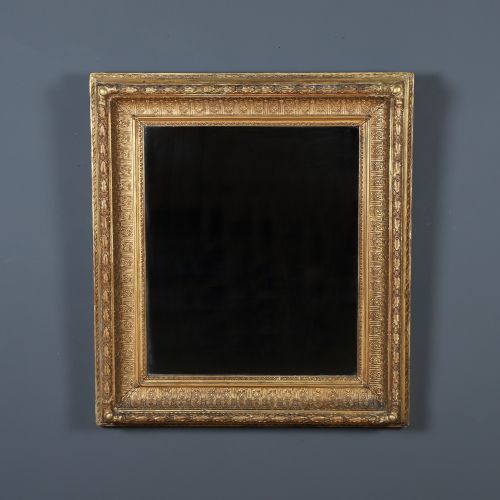
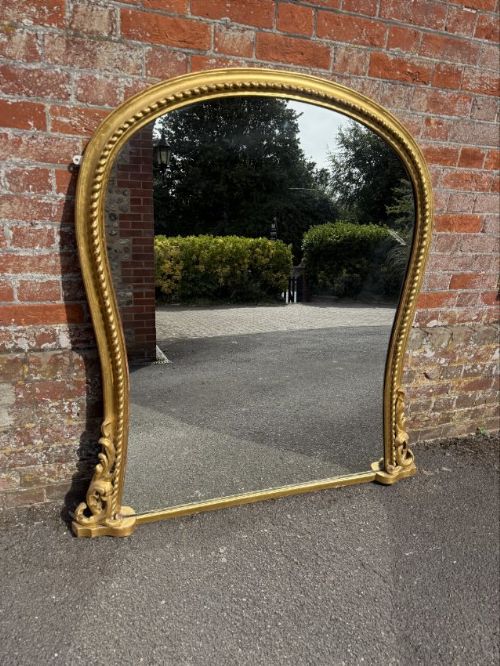
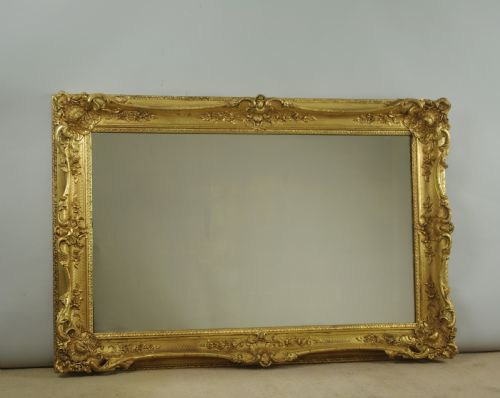
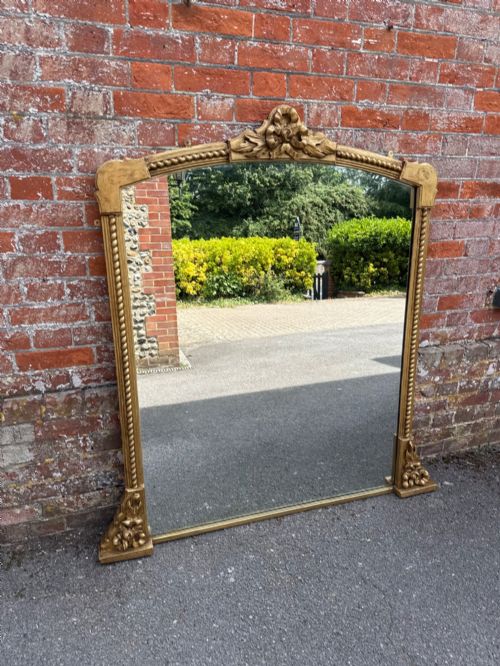
Victorian Gilt Large Arch Top Overmantle Mirror, 1870
Priced at £2,200 from Lorna Byskou
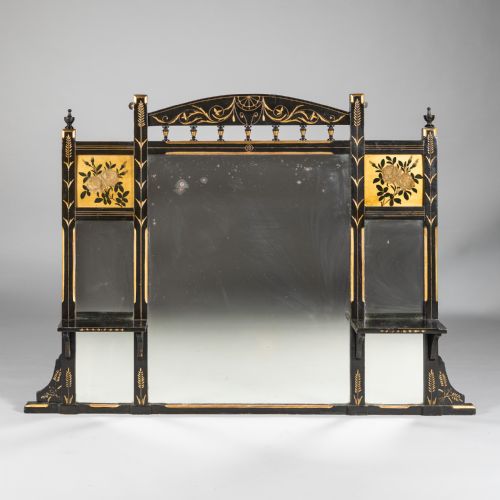
Chimney breasts dominated Georgian rooms. Fitting an antique overmantle mirror right across the plasterwork made the fireplace an architectural focal point.
Glass was notoriously difficult to cast in large sheets before the nineteenth century.
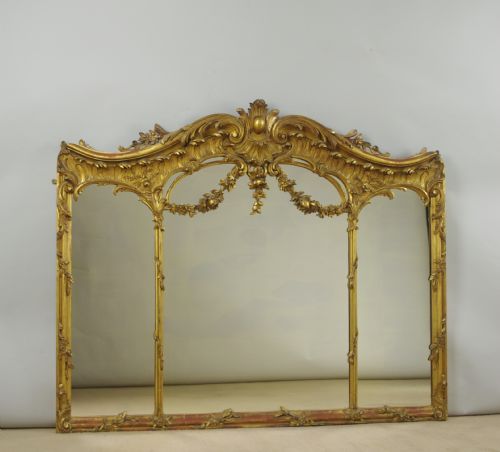
Join three smaller plates together. This solved the size problem, creating the classic triptych form you see on early antique overmantle mirrors.
Victorians favoured massive arched frames. They rested directly on the mantelpiece, leaning back slightly against the wall.
Early examples often integrated candle sconces into the frame to maximise light reflection.
Thomas Chippendale supplied grand overmantle glasses to aristocratic clients. His Director pattern book shows elaborate rococo designs.
Documented makers are rare for standard pieces. The trade relied heavily on anonymous frame makers, carvers, and gilders working in distinct districts.
Check the backboards for trade labels. Firms like Thomas Fentham operated out of the Strand in London during the late eighteenth century.
The 2026 retail price guide for Antique Overmantle Mirrors is drawn from a proprietary archive of over 1.1 million retail prices indexed by Sellingantiques since 2003. This guide relies exclusively on their own internal data; no external sources or auction records are used.
Analysing nearly 25 years of UK antique market history alongside current retail values, the data indicates that typical UK retail prices for Antique Overmantle Mirrors range between £800 and £2,500. Entry-level prices generally fall under £800 and premium examples upwards of £2,500.
Proportions remain resolutely horizontal. The width almost always exceeds the height to match the mantel shelf below.
Resting flat on the shelf requires a sturdy base. Many feature small ceramic or wooden bun feet just to lift the bottom rail clear of damp stone.
Gesso crestings sit along the top edge. Cartouches, shells, and trailing leaves are common motifs.
Water gilding requires immense skill. Layers of hot rabbit skin glue and whiting build up a smooth surface for burnishing.
Composition ornament replaced carved wood on later nineteenth-century frames. A mixture of resin and linseed oil pressed into boxwood moulds sped up production.
Plate glass casting methods improved around the 1840s. Antique overmantle mirrors could finally feature flawless single sheets without the need for dividing bars.
"Sloping the glass downwards was intentional. Leaning the frame slightly off the wall reflects the room rather than the blank ceiling."
"Many triptych frames align perfectly with the architectural panelling of the rooms they were originally commissioned for."
"Note the overlapping glass. On early multi-plate examples, the central glass sometimes overlaps the side plates to hide the join without needing a wooden bar."
Based on almost 25 years of Sellingantiques UK antique market data, Antique Overmantle Mirrors appeared 4478 times (out of 1,100,000 antiques) which gives it a rarity score of 41/100.
This score measures scarcity within the Sellingantiques archive only and is not a survey of the entire antiques market, so these statistics may not be indicative of the general availability of Antique Overmantle Mirrors elsewhere.
Most sit directly on the mantelpiece to bear the main weight. You use heavy-duty mirror plates screwed into the back of the frame, which then secure into the masonry of the chimney breast.
Never rely on picture wire across the back. Overmantles are simply too heavy, and wire pulls the top of the frame away from the wall.
Leave the red showing. That is the original clay bole layer sitting just beneath the gold leaf. It gives an antique overmantle mirror a softened, aged appearance that dealers actively look for.
Painting over it ruins the historic surface. Modern gold paint looks flat and brassy compared to genuine water gilding. If the wear bothers you, a professional gilder can carefully touch up the worn spots.
You cannot wash the cloudiness away. The degrading happens on the back of the glass where the silvering reacts with moisture.
Leave it as it is. Cloudy plates belong in an antique room setting.
It usually points to a later plate. Early mirrors often had solid timber backboards to protect the fragile silvering from damp plaster walls. Rough pine or deal boards are what you want to see.
Sometimes a restorer removes rotten backboards and replaces them with heavy paper to keep dust out. Turn it over and look for empty nail holes along the back edge of the frame. That tells you wooden boards were once attached.
Please note: This Antique Overmantle Mirrors guide and its associated pricing data are provided for general informational purposes only. It does not constitute formal financial, investment, or appraisal advice and should not be relied upon as the sole basis for any commercial activity, purchasing, or sales decisions. Sellingantiques.co.uk accepts no liability for any actions taken in reliance on this information. Always consult with a qualified professional or independent appraiser.
