


A 2026 Guide by Sellingantiques

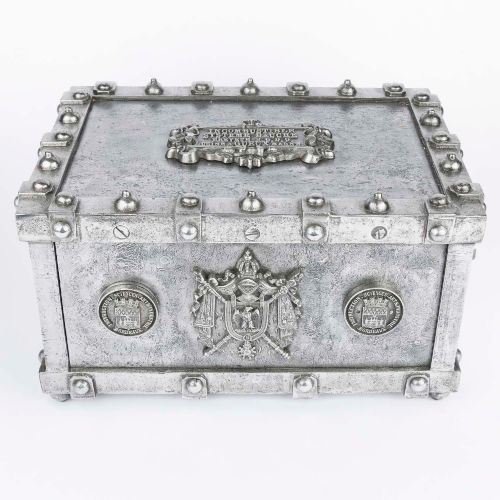
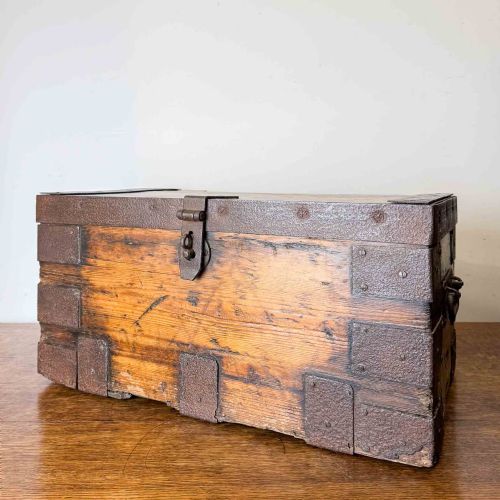
Japanese Zenibako (Money Box ), 19th Century
Priced at £225 from Sinclairs Antiques and Interiors
Pottery vessels for hoarding coins appear in Roman contexts. By the eighteenth century, crude earthenware globes were standard across Britain.
Foundries mass-produced cast iron examples in vast numbers after the Civil War. American manufacturers led this boom.
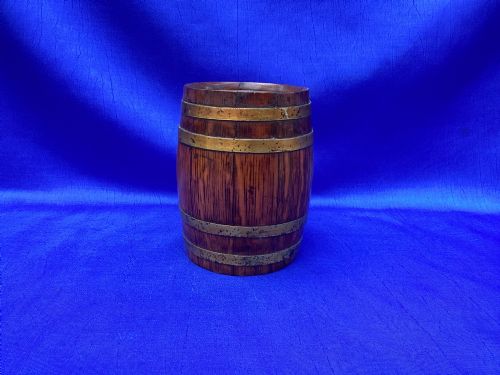
Look at early treen savings banks. Turned wooden barrels often held small denomination coins in rural homes.
Victorian households pushed thrift. Giving children an antique money box taught financial discipline early in life.
J. & E. Stevens of Connecticut pioneered cast iron mechanical banks. They dominated production from the late 1860s onwards.
Hubley Manufacturing Company operated out of Pennsylvania. They produced cast iron still banks alongside their doorstops.
English slipware potteries are rarely signed. Most Sussex or Staffordshire clay pigs are attributed by regional slip decoration rather than a maker's mark.
The 2026 retail price guide for Antique Money Boxes is drawn from a proprietary archive of over 1.1 million retail prices indexed by Sellingantiques since 2003. This guide relies exclusively on their own internal data; no external sources or auction records are used.
Analysing nearly 25 years of UK antique market history alongside current retail values, the data indicates that typical UK retail prices for Antique Money Boxes range between £200 and £700. Entry-level prices generally fall under £200 and premium examples upwards of £700.
The coin slot is essential. Its dimensions dictate what currency the antique money box can actually receive.
Mechanical actions define the most sought-after American cast iron banks. A lever press shoots a coin into the receptacle.
Tamper-proof designs feature heavily. Many early ceramic versions lack a stopper and require smashing to extract the saved coins.
Sand casting allowed complex iron shapes. Workers poured molten metal into packed sand moulds, leaving a textured surface on the finished piece.
Throwing clay on a wheel formed the basic globe or bottle shape. The potter then sliced a neat slot while the clay remained leather-hard.
Notice the joinery on wooden examples. Cabinetmakers used miniature dovetails to secure the carcase of high-quality architectural savings boxes.
"Many ceramic pigs were given as christening gifts. They often carry the child's name and birth date in applied clay."
"Cast iron building banks sometimes served double duty as bookends. Their substantial weight made them highly practical on a nursery shelf."
"Turn over a wooden trick box. The base usually hides a clever sliding mechanism that releases the bottom panel without a key."
Based on almost 25 years of Sellingantiques UK antique market data, Antique Money Boxes appeared 325 times (out of 1,100,000 antiques) which gives it a rarity score of 94/100.
This score measures scarcity within the Sellingantiques archive only and is not a survey of the entire antiques market, so these statistics may not be indicative of the general availability of Antique Money Boxes elsewhere.
They rely on a series of internal levers and springs. You place a coin on a specific rest or figure, then press a secondary lever to activate the movement.
The action drops the coin into the base while resetting the figures.
Most cast iron architectural banks rely on a simple trapdoor in the base plate. If the original key is lost, a locksmith can cut a replacement barrel key to fit the simple warding.
Never force the lock with a screwdriver. The cast iron lugs holding the trap are brittle and will snap if pried.
Some models do not use locks at all. Look for a long joining screw passing through the centre of the building instead.
Pigs have symbolised wealth and food security for centuries. In rural communities, fattening a pig ensured the family had meat for the winter, making the animal a natural metaphor for saving.
Potters across Britain produced them in vast quantities as cheap fairground prizes. They were affordable gifts that taught children the value of accumulating small change.
Trick boxes form a separate branch of antique money boxes. Turners and cabinetmakers enjoyed creating puzzle banks to deter casual theft by siblings or servants.
You usually need to find a hidden moving part. Try pressing the wooden finials, sliding the base panels, or rotating the feet to see if a false bottom drops away.
Centuries of humidity can make these wooden joints stiff. Handle them gently so the internal catches do not jam.
Please note: This Antique Money Boxes guide and its associated pricing data are provided for general informational purposes only. It does not constitute formal financial, investment, or appraisal advice and should not be relied upon as the sole basis for any commercial activity, purchasing, or sales decisions. Sellingantiques.co.uk accepts no liability for any actions taken in reliance on this information. Always consult with a qualified professional or independent appraiser.
