
A 2026 Guide by Sellingantiques

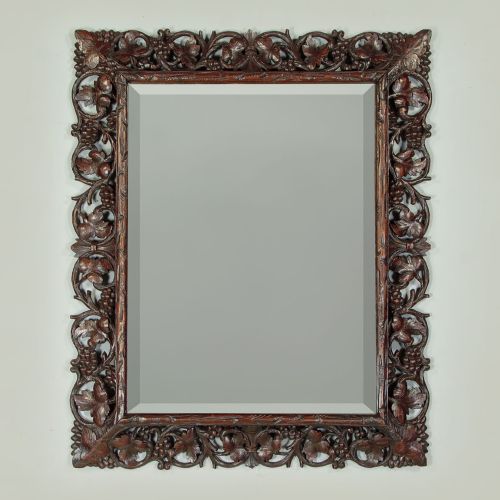
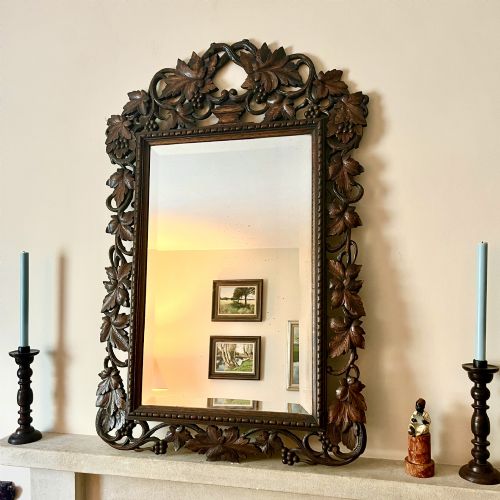
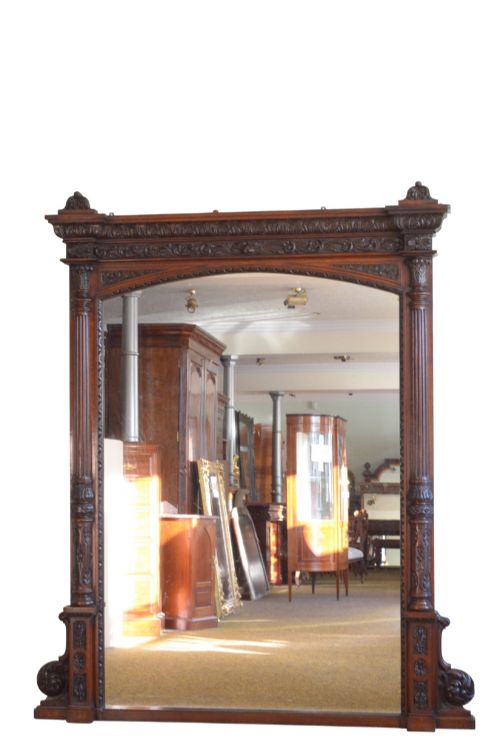
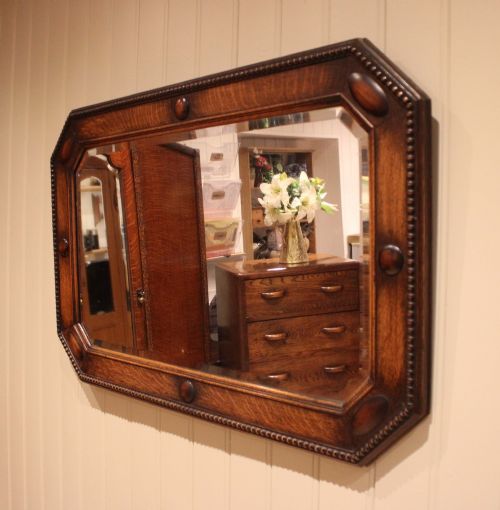
Exceptional Quality Antique 19th Century Victorian Carved Oak Wall Mirror, 1860
Priced at £3,285 from London City Antiques
Heavy timber frames built during an era when glass plates were scarce and taxed commodities.
Early households often placed antique oak mirrors opposite small windows to maximise whatever daylight entered the room.
Notice how the overall proportions gradually shifted from stout square shapes to taller rectangular formats.
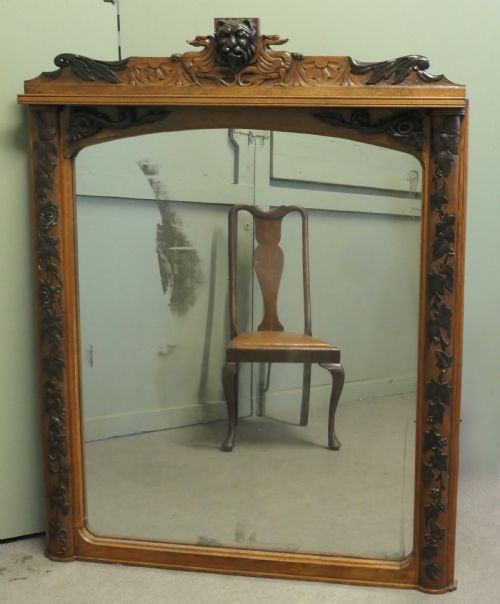
Prominent carved crests began topping these frames as merchant classes sought to display their rising wealth through domestic furnishings, moving away from plain utility to more decorative forms.
Signed examples rarely turn up from the seventeenth or eighteenth centuries.
Provincial joiners across Britain built most of these frames using local timber rather than importing exotic woods from abroad.
London workshops dominated the production of the plates themselves, supplying regional carvers who then built the wooden surrounds to fit.
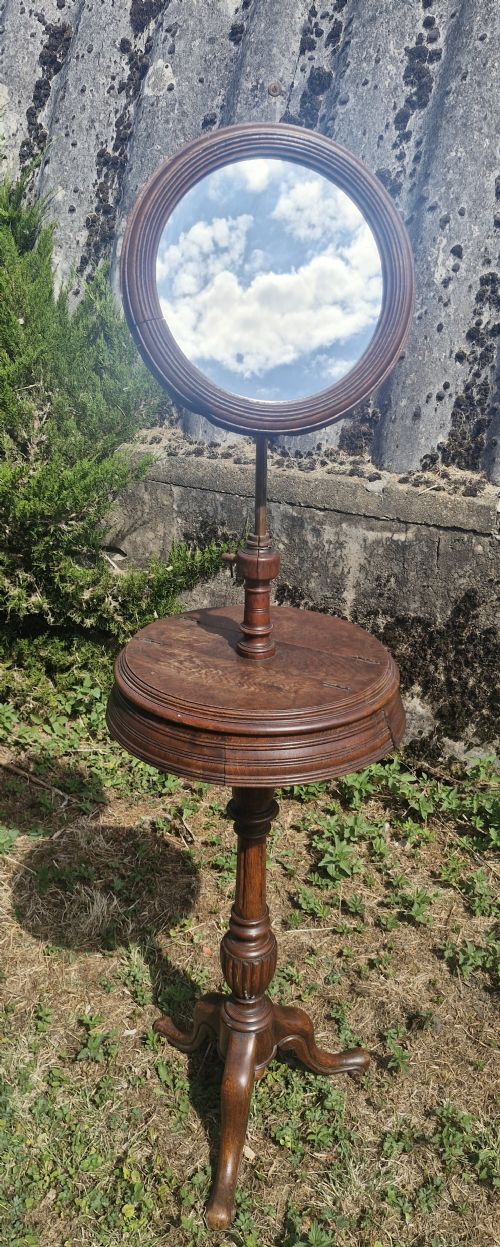
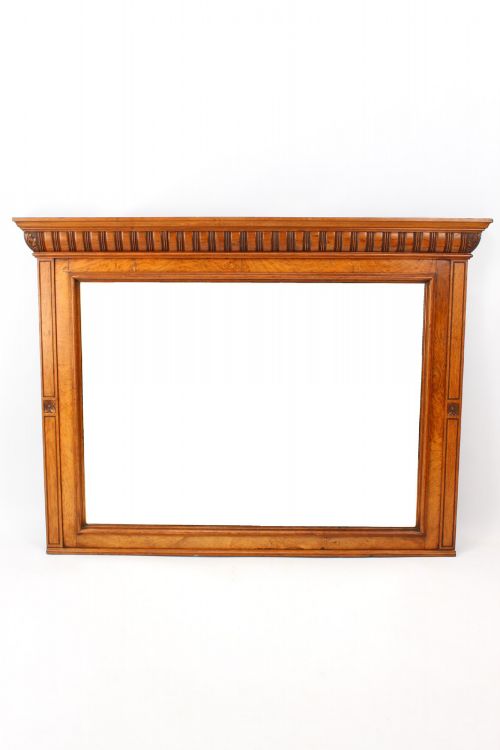
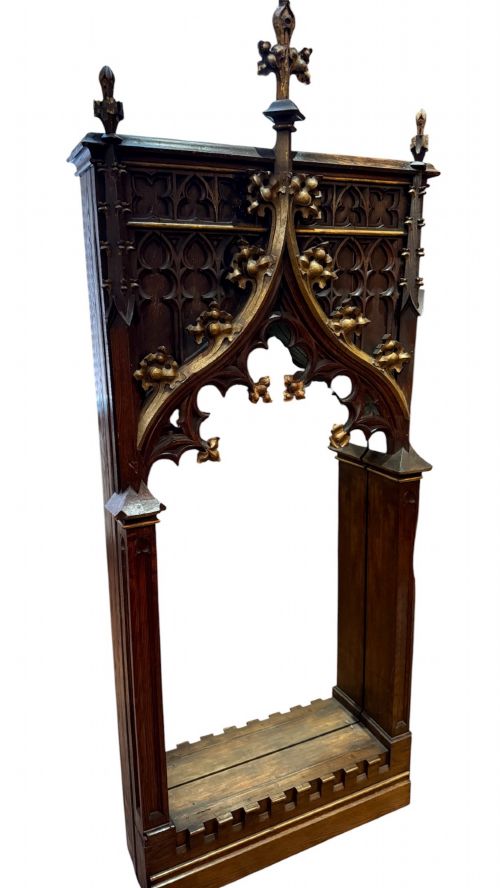
Old Charm Oak Overmantel, Triple Mirror, 1930
Priced at £1,200 from Elmgarden
The 2026 retail price guide for Antique Oak Mirrors is drawn from a proprietary archive of over 1.1 million retail prices indexed by Sellingantiques since 2003. This guide relies exclusively on their own internal data; no external sources or auction records are used.
Analysing nearly 25 years of UK antique market history alongside current retail values, the data indicates that typical UK retail prices for Antique Oak Mirrors range between £300 and £1,800. Entry-level prices generally fall under £300 and premium examples upwards of £1,800.
Deep rebates sit behind the sight edge to hold heavy glass plates securely in position.
Prominent wooden peg holes at the corner joints, usually cut flush with the flat face.
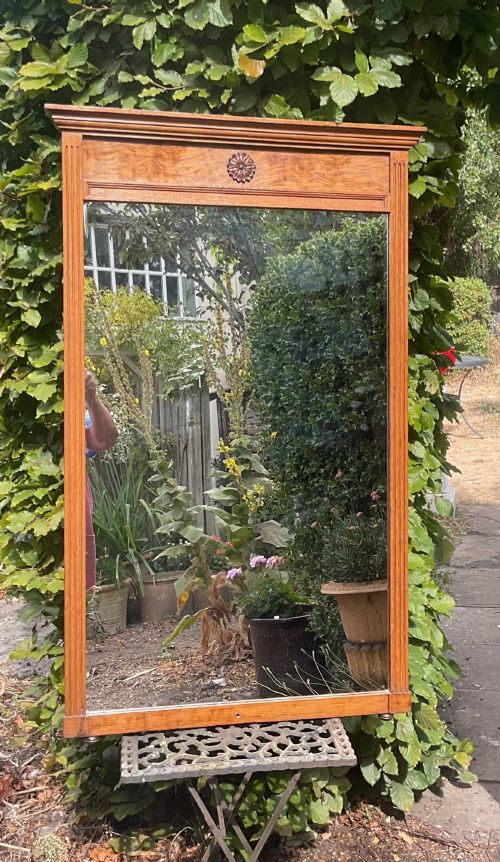
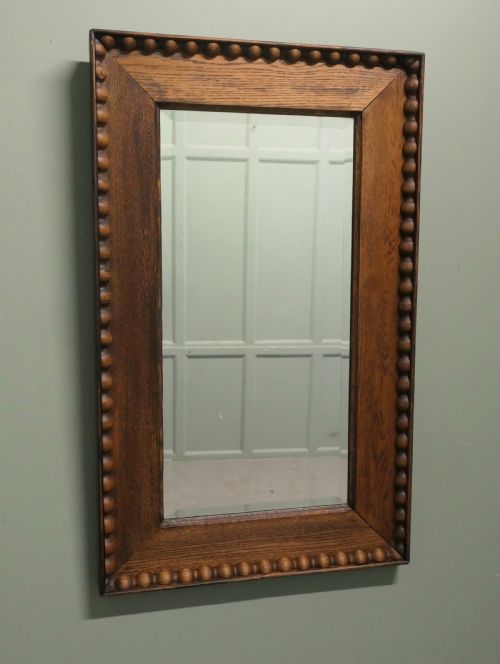
Inspect the geometric moulding, a common decorative trait applied directly to the fascia of many antique oak mirrors.
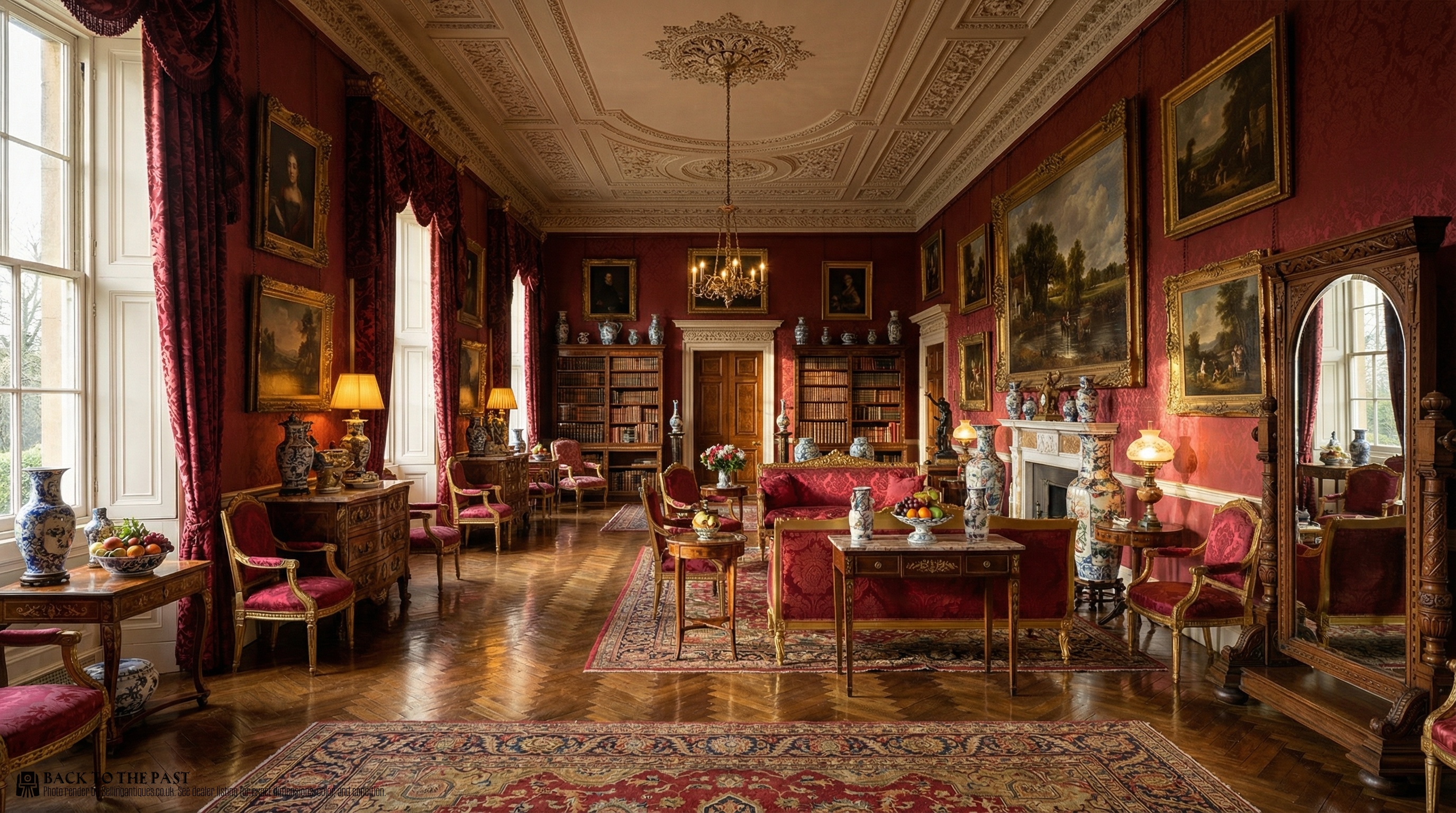
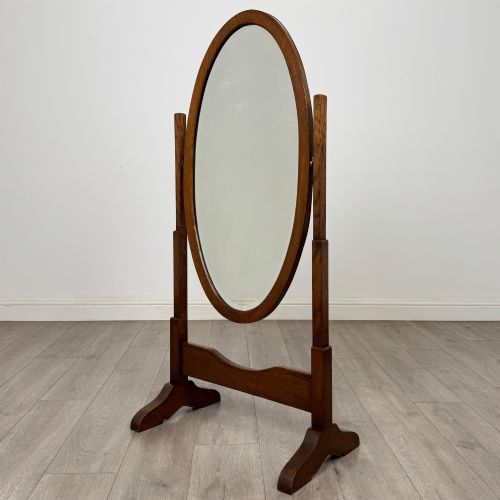
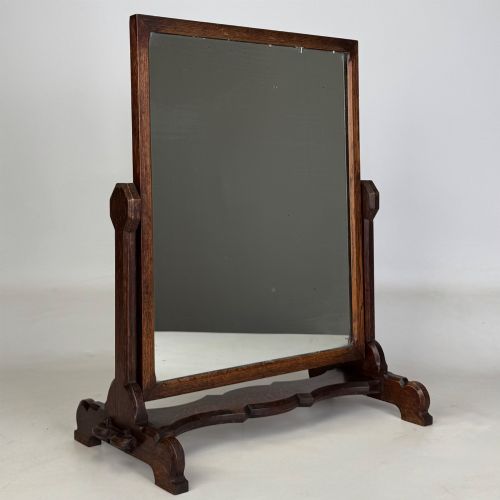
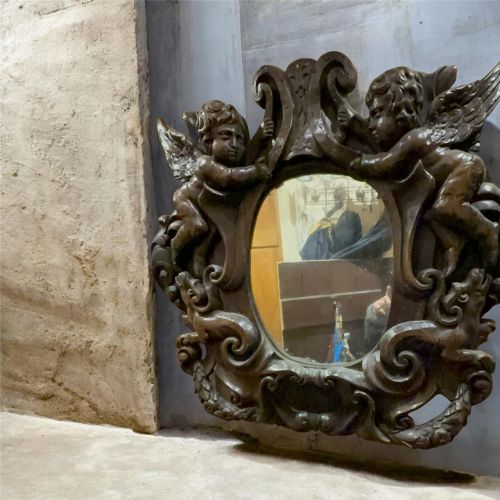
Carved Oak Cheval Mirror, 19th Century
Priced at £1,845 from Shackladys Antiques
Early examples relied on massive sections of wood held together by stout pegs driven through the joints.
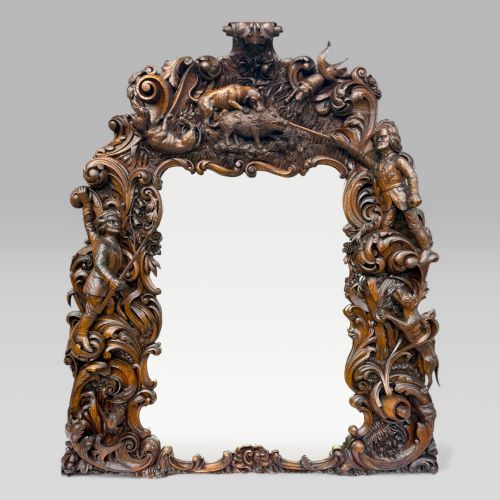
Later production saw applied split-turnings and shallower surface carving as craftsmen moved away from deep sculptural work.
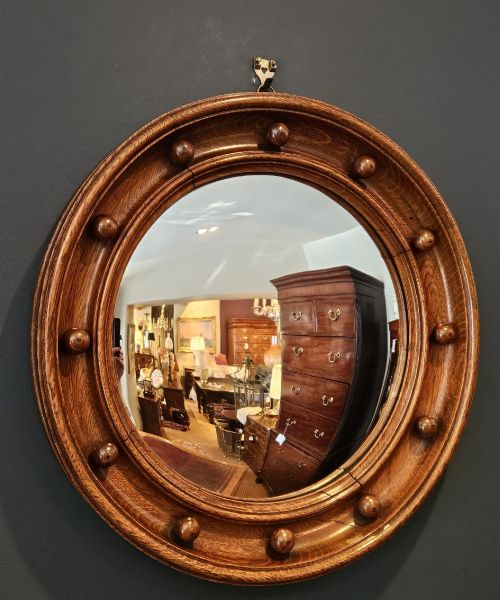
Hand-forged iron hanging loops driven directly into the solid top rail.
"The wide flat frames provided a broad canvas for craftsmen to demonstrate complex chip-carving techniques."
"Bevelled edges on early plates were laboriously ground by hand using sand and water."
"Notice how the dark wood provides a strong visual anchor that grounds modern pale interiors."
Based on almost 25 years of Sellingantiques UK antique market data, Antique Oak Mirrors appeared 2185 times (out of 1,100,000 antiques) which gives it a rarity score of 65/100.
This score measures scarcity within the Sellingantiques archive only and is not a survey of the entire antiques market, so these statistics may not be indicative of the general availability of Antique Oak Mirrors elsewhere.
Use a soft cloth barely dampened with water and a tiny amount of white vinegar.
Spray the cloth rather than the glass. Liquid running down the pane pools in the bottom rebate and rots the silvering from the edge up.
Leave the original backing in place if it remains solid.
If it crumbles, a conservator can fit a safe barrier.
Heavy frames need a structural fixing. Find the vertical timber studs behind the plaster and drive long screws directly into those.
Use heavy-duty strap hangers screwed into the thickest part of the frame uprights rather than relying on old wire. Spread the load across two fixing points to keep it stable.
You are describing crown glass, which was spun into a disc. It leaves circular ripples and a central bullseye. Larger mirrors often used broad glass instead.
Broad glass was blown into a long cylinder, cut down the middle, and ironed flat on a hot sand table. This process leaves linear distortions rather than circular ones.
Both methods produce the wavy reflection common to early plates.
Please note: This Antique Oak Mirrors guide and its associated pricing data are provided for general informational purposes only. It does not constitute formal financial, investment, or appraisal advice and should not be relied upon as the sole basis for any commercial activity, purchasing, or sales decisions. Sellingantiques.co.uk accepts no liability for any actions taken in reliance on this information. Always consult with a qualified professional or independent appraiser.
