
A 2026 Guide by Sellingantiques
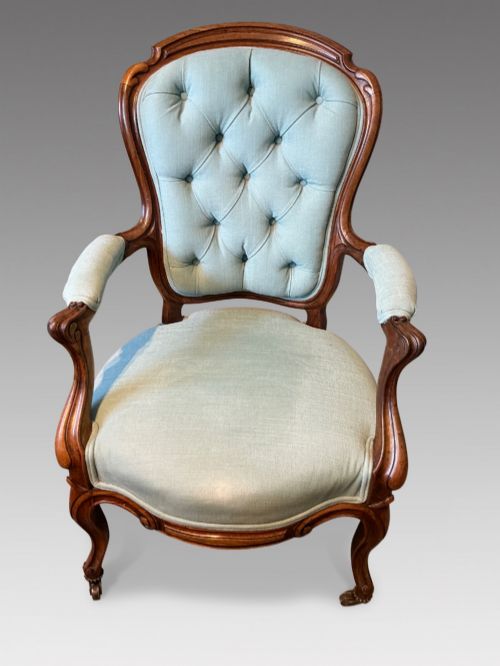
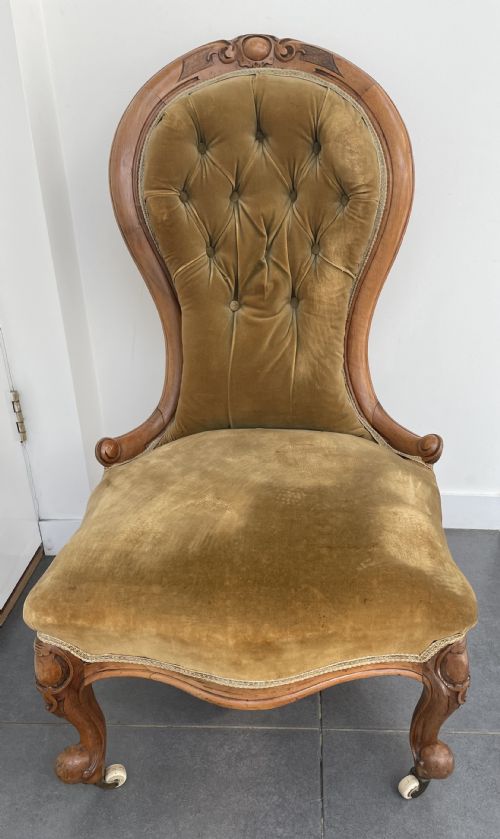
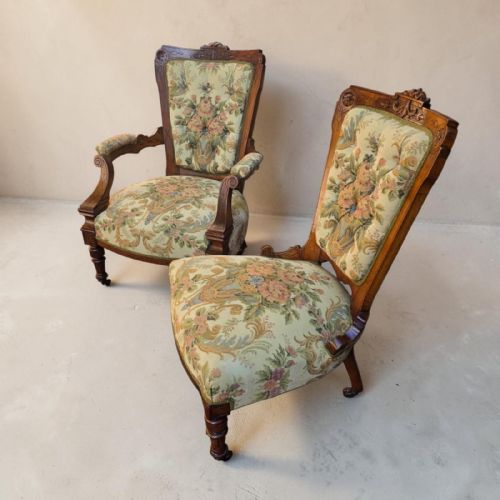
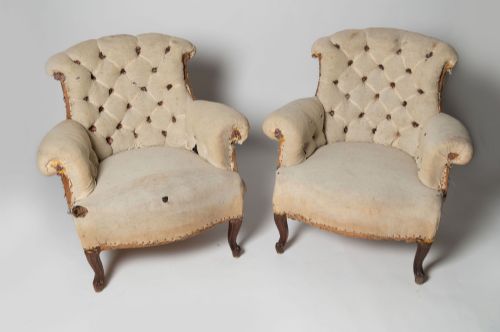
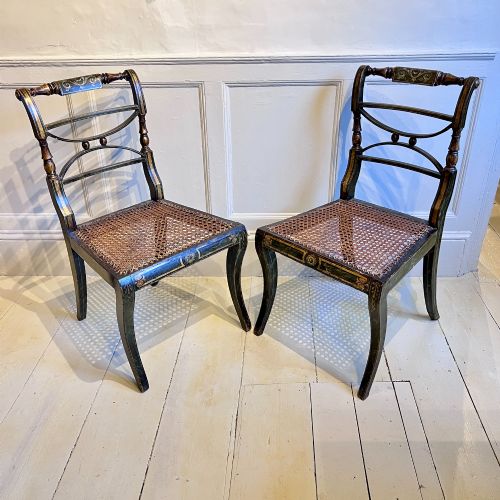
Pair of Early Howard and Sons Bedroom Chairs
, 19th Century
Priced at £4,995 from Kontrast Antiques
Before the eighteenth century, most people didn't have chairs in their sleeping quarters. Stools or chests did the job instead.
Wealthier households started ordering specific seating for dressing rooms around the 1720s.
Victorian catalogues show a massive expansion in dedicated bedroom furniture. Sets often included a pair of side chairs alongside the washstand.
Noticeably low seat heights are common. Makers built them that way so individuals could sit comfortably while pulling on stockings.
Thomas Chippendale supplied japanned seating for the state bedrooms at Harewood House during the 1770s.
Gillows of Lancaster produced thousands of painted cane-seated models throughout the early nineteenth century.
Standard pieces often carry no maker's mark. Regional provincial workshops turned them out by the dozen based on popular London patterns.
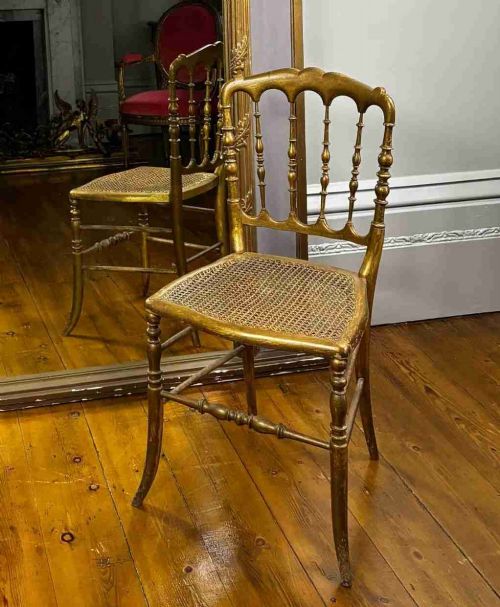
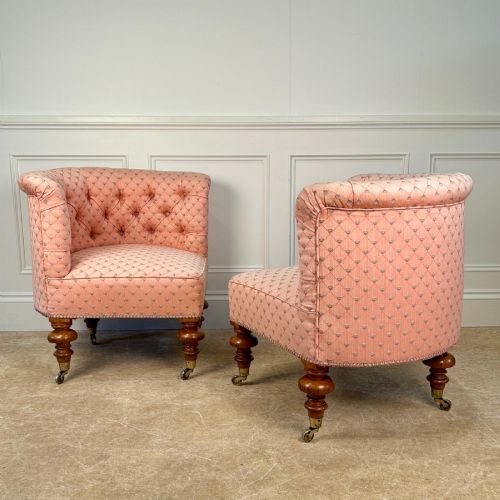
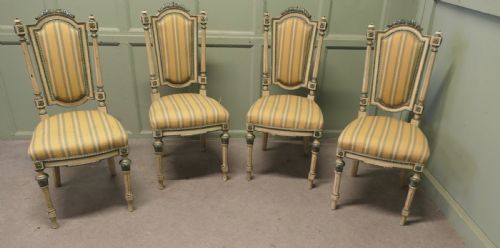
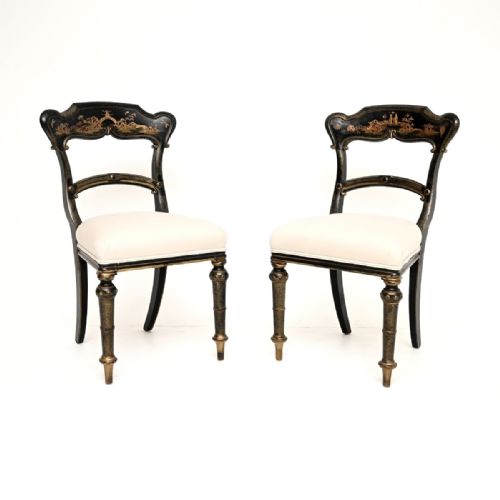
Pair of Gilt Walnut Bedroom Chairs, 1920
Priced at £395 from LTANTIQUES.CO.UK
The 2026 retail price guide for Antique Bedroom Chairs is drawn from a proprietary archive of over 1.1 million retail prices indexed by Sellingantiques since 2003. This guide relies exclusively on their own internal data; no external sources or auction records are used.
Analysing nearly 25 years of UK antique market history alongside current retail values, the data indicates that typical UK retail prices for Antique Bedroom Chairs range between £200 and £1,300. Entry-level prices generally fall under £200 and premium examples upwards of £1,300.
Narrow backs and short legs. Proportions are noticeably scaled down compared to dining variants.
Armrests are largely absent. Most antique bedroom chairs needed to stay clear of wide skirts and bulky morning wear.
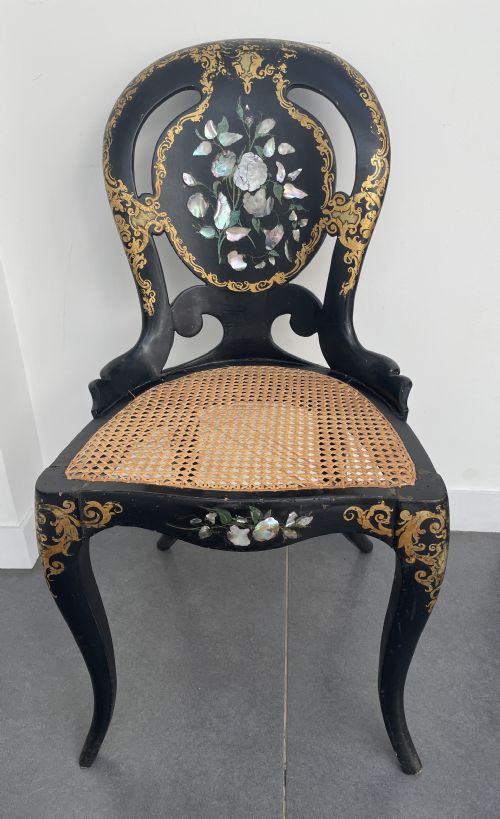
Cane seats feature heavily in nineteenth-century examples. They provided decent ventilation and kept the piece light enough to move easily.
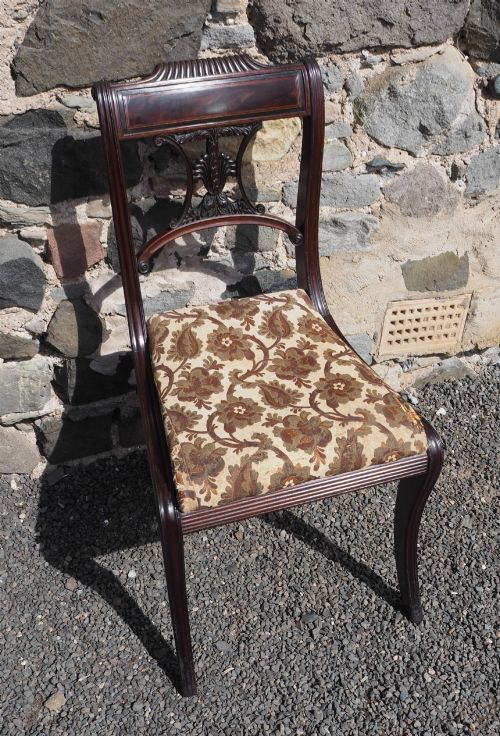
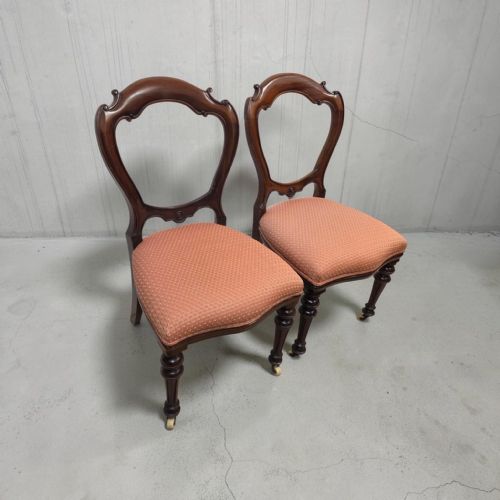
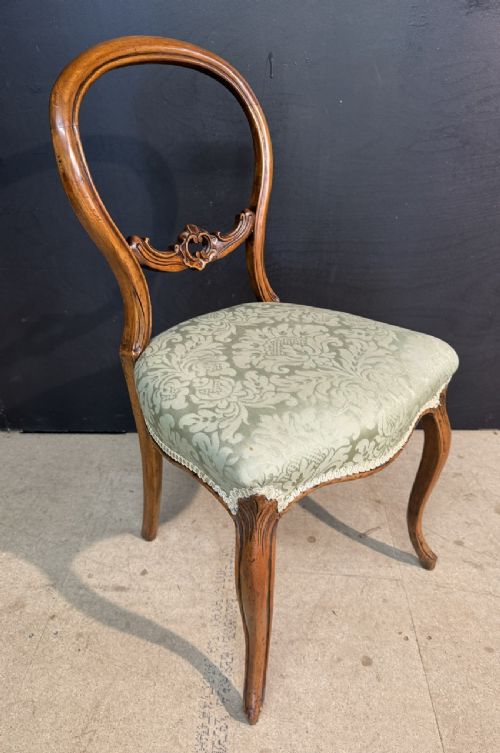
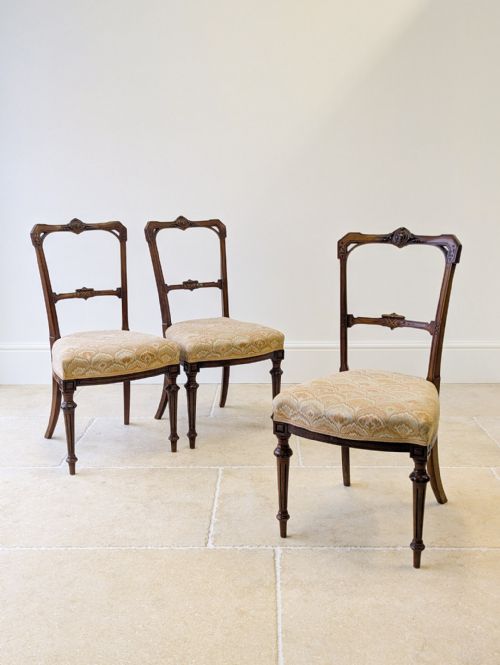
Pair of Antique Edwardian Mahogany Silk Upholstered Inlaid Bedroom Chairs C1900, Edwardian
Priced at £245 from Lincoln Restorations
Early construction relied on hand-cut mortise and tenon joints to keep the frame rigid.
Turners gained prominence during the Victorian period. Steam power allowed them to mass-produce decorative spindle legs cheaply and quickly.
Dowel joints replaced traditional tenons in many late nineteenth-century workshops. This simple change sped up production times for basic bedroom suites.
"Sets of these were often painted to match the window curtains and bed hangings exactly."
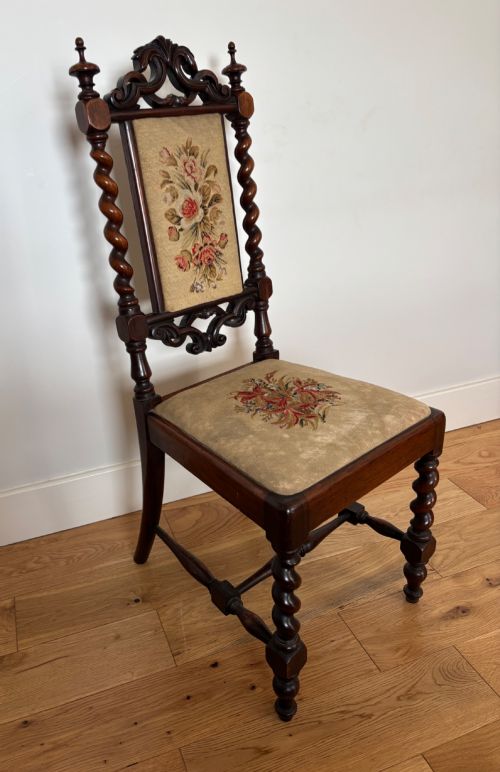
"They provided a useful canvas for amateur needleworkers. Many families stitched their own decorative covers for the seat pads."
"Regional makers sometimes incorporated small handles carved right into the top rail. This helped domestic staff move them around easily."
Based on almost 25 years of Sellingantiques UK antique market data, Antique Bedroom Chairs appeared 1623 times (out of 1,100,000 antiques) which gives it a rarity score of 72/100.
This score measures scarcity within the Sellingantiques archive only and is not a survey of the entire antiques market, so these statistics may not be indicative of the general availability of Antique Bedroom Chairs elsewhere.
Most antique bedroom chairs sit lower than a standard dining chair. You normally find them measuring between fourteen and sixteen inches from the floor to the seat pad.
This drop helped people lean forward to tie shoes or adjust stockings. It feels a bit strange at a desk, but works well in a corner.
A hole in the cane is standard wear. The woven rattan dries out over the decades and eventually snaps under the weight of someone sitting down.
Specialist restorers can re-cane the seat by hand. They weave new damp cane strips through the original holes in the frame. Once it dries, the tension pulls it tight and ready for use again.
Changing the top cover is routine maintenance. The fabric you see now is rarely the first cover it had.
Upholsterers strip off the old material, check the webbing underneath, and tack your chosen fabric over the top. It does not harm the frame.
They look delicate because makers designed them for light, private use. The frames lack the thick stretchers and chunky joints found on tavern or hall seating.
They usually handle daily use fine, provided the joints are tight.
If a frame wobbles when you push the backrest sideways, it needs a professional. They will knock it apart and re-glue the dowels before anyone sits on it.
Please note: This Antique Bedroom Chairs guide and its associated pricing data are provided for general informational purposes only. It does not constitute formal financial, investment, or appraisal advice and should not be relied upon as the sole basis for any commercial activity, purchasing, or sales decisions. Sellingantiques.co.uk accepts no liability for any actions taken in reliance on this information. Always consult with a qualified professional or independent appraiser.
