




A 2026 Guide by Sellingantiques
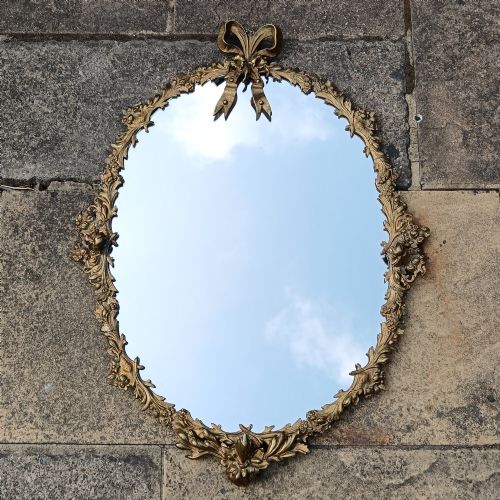
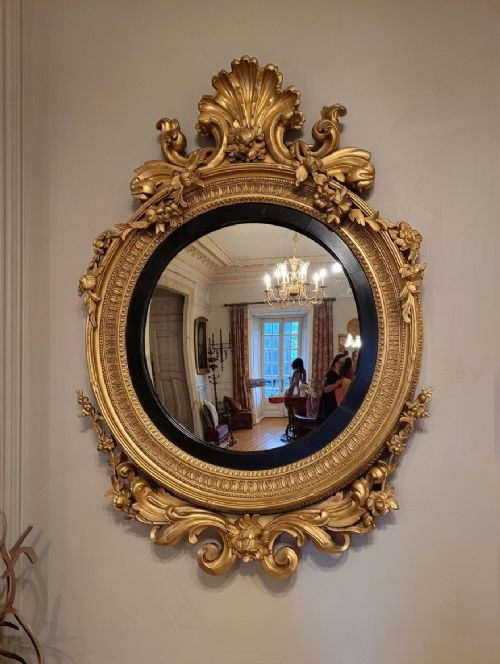
Very Pretty 19th Century French Oval Gilt Wall Mirror, 19th Century
Priced at £325 from Elmgarden
King Louis XIV established the Saint-Gobain glassworks. He wanted to break the Venetian monopoly on mirror production.
Early examples rely on smaller plates joined together. Casting large single sheets of glass wasn't possible during the seventeenth century.
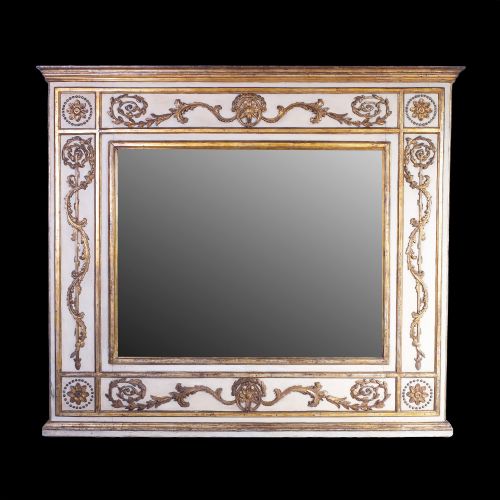
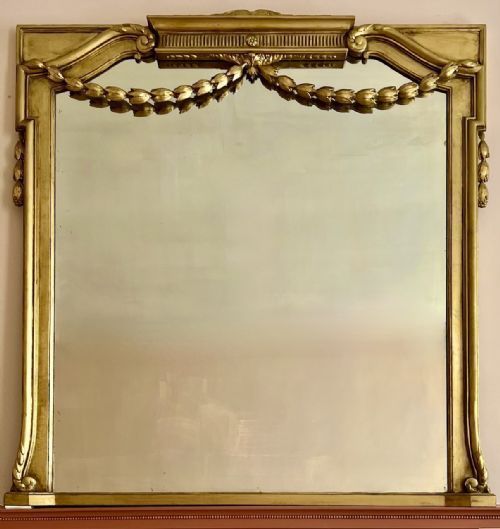
Fireplaces dictated their placement. Trumeau mirrors were built directly into the panelling to integrate with the room's architecture.
Styles shifted with the monarch. Heavy baroque ornamentation gave way to lighter rococo forms under Louis XV.
Saint-Gobain dominated the glass casting process. Founded in 1665, they supplied the raw plates to Parisian workshops for cutting and framing.
Charles Cressent created distinctive pieces during the early eighteenth century, supplying gilt-bronze frames to the French court.
Most Antique French Mirrors don't have a maker's stamp. The trade relied on anonymous guild craftsmen in Paris or provincial centres to produce the carved frames.
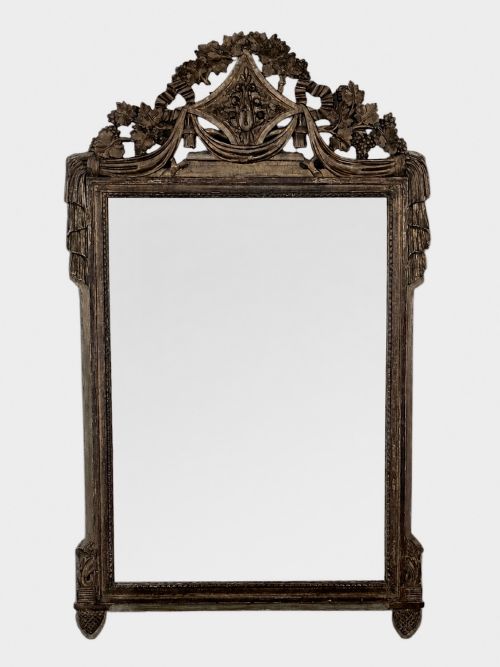
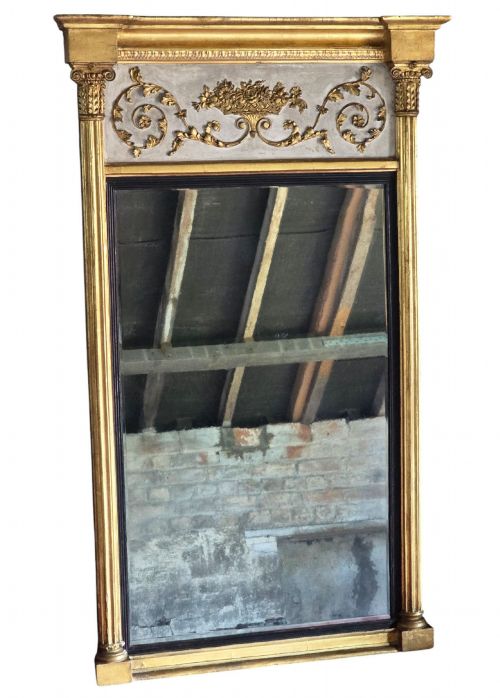
French Black and Gilt Wall Mirror, Dragons and Crest, 19th Century
Priced at £1,500 from Elmgarden
The 2026 retail price guide for Antique French Mirrors is drawn from a proprietary archive of over 1.1 million retail prices indexed by Sellingantiques since 2003. This guide relies exclusively on their own internal data; no external sources or auction records are used.
Analysing nearly 25 years of UK antique market history alongside current retail values, the data indicates that typical UK retail prices for Antique French Mirrors range between £600 and £2,000. Entry-level prices generally fall under £600 and premium examples upwards of £2,000.
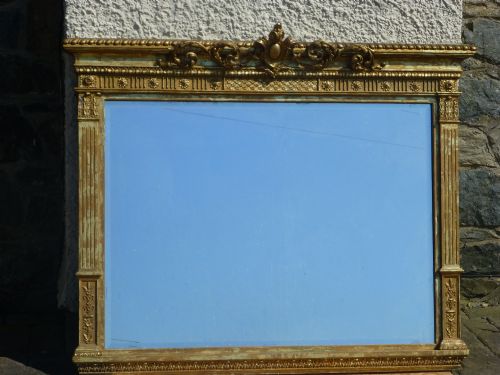
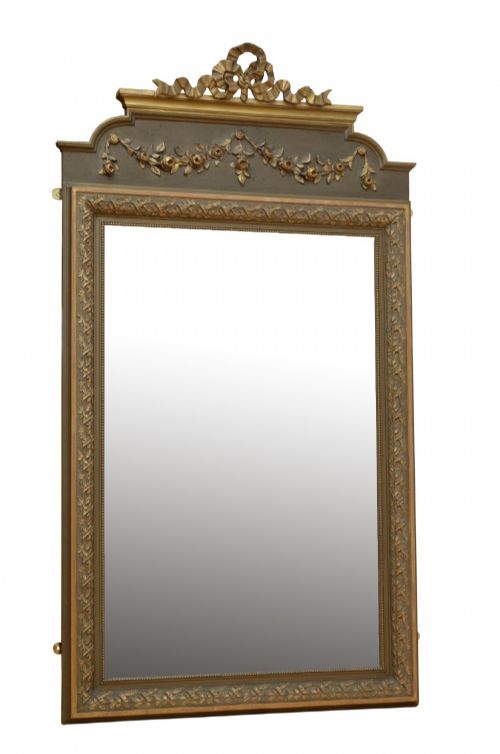
The crest is the focal point. This elaborate top section often features carved shells, floral swags or musical instruments.
Bevelled edges frequently appear on later nineteenth-century plates. The glass slopes down towards the frame to catch the ambient light.
Check the bottom corners. Out-curved feet or scrolling bases allowed heavier frames to rest securely on a mantelpiece without tipping.
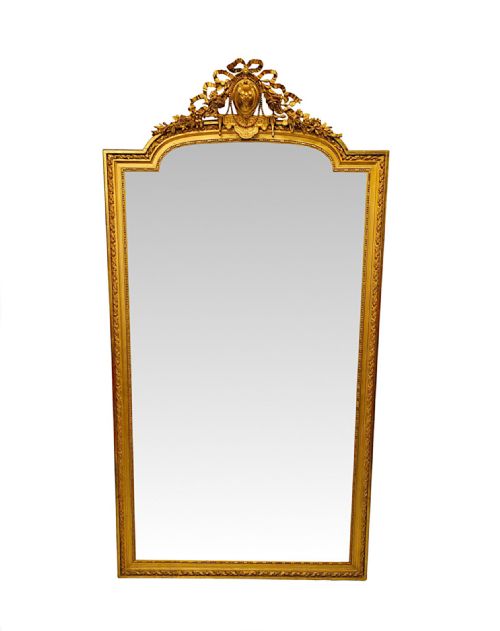
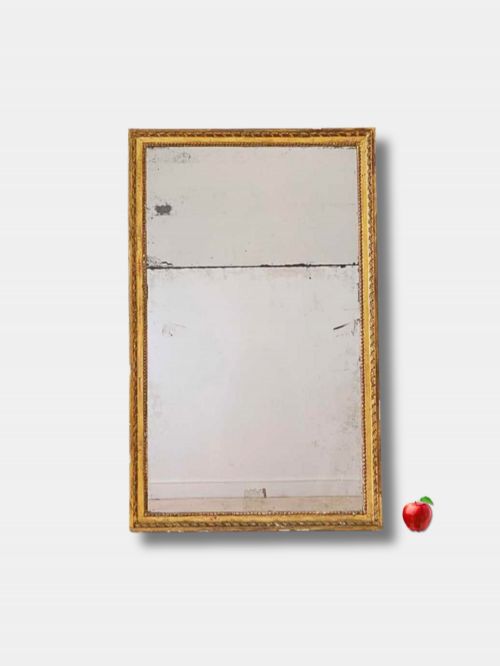
18th Century French Painted and Parcel-gilt Trumeau Mirror, 18th Century
Priced at £2,500 from Treaders Collectables
Water gilding requires careful skill. Craftsmen burnished the gold leaf with agate stones to create a shine on prominent carved edges.
Nineteenth-century makers adopted composition paste. Wood pulp and glue were pressed into moulds, allowing them to mass-produce intricate borders faster than traditional hand-carving.
Mercury silvering was standard. Tin foil and liquid mercury created a reflective but toxic backing for the glass.
"The earliest plates were blown as cylinders. Glassmakers sliced the hot cylinder open and flattened it out on a stone table."
"Smaller pieces of glass were valued. Offcuts from the manufacturing process were saved and set into the borders of larger frames."
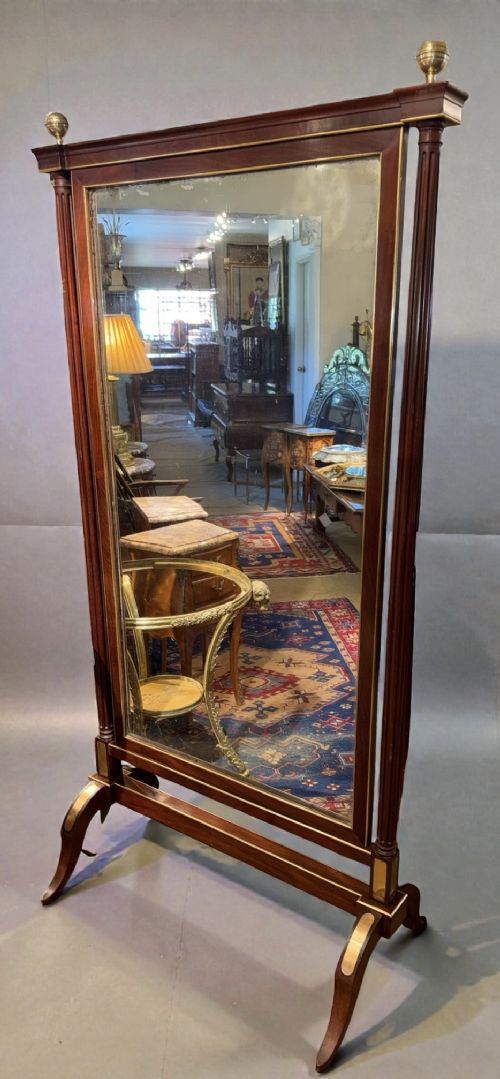
"Many tall mirrors were designed to lean rather than hang. They simply rested on the floor or skirting board, angled slightly into the room."
Based on almost 25 years of Sellingantiques UK antique market data, Antique French Mirrors appeared 11852 times (out of 1,100,000 antiques) which gives it a rarity score of 9/100.
This score measures scarcity within the Sellingantiques archive only and is not a survey of the entire antiques market, so these statistics may not be indicative of the general availability of Antique French Mirrors elsewhere.
Dust it lightly with a soft, dry brush. Never use water or household cleaning sprays on the frame. Moisture turns the glue in the gesso back to mush, and the gold leaf will wash away.
If the carving is deeply recessed, a clean makeup brush works well to lift the surface dust. Leave any stubborn marks alone. The darkened recesses are supposed to be there, adding depth to the carving.
You need to bypass the original backboards. The antique nails and brittle pine aren't meant to take the strain of modern hanging wire. Most dealers screw heavy-duty fittings directly into the thickest part of the wooden frame carcase.
Rest the weight of the mirror on heavy fixed wall brackets if the piece is large. The rings and wire should only serve to keep the top flat against the wall, rather than bearing the vertical load.
No. The dark spots sit behind the glass where the silvering has degraded over time.
You would have to strip and re-silver the entire plate. Doing this removes the historic character of the glass.
That red layer is the bole. It is a clay applied directly under the gold leaf during the water gilding process. The gilder needed this smooth clay base to burnish the gold to a shine.
Seeing the red bole is a good sign. It shows where housemaids have dusted the prominent edges over the centuries, wearing away the thin gold leaf. Dealers expect to see this natural wear on the high points of the carving.
Please note: This Antique French Mirrors guide and its associated pricing data are provided for general informational purposes only. It does not constitute formal financial, investment, or appraisal advice and should not be relied upon as the sole basis for any commercial activity, purchasing, or sales decisions. Sellingantiques.co.uk accepts no liability for any actions taken in reliance on this information. Always consult with a qualified professional or independent appraiser.
