
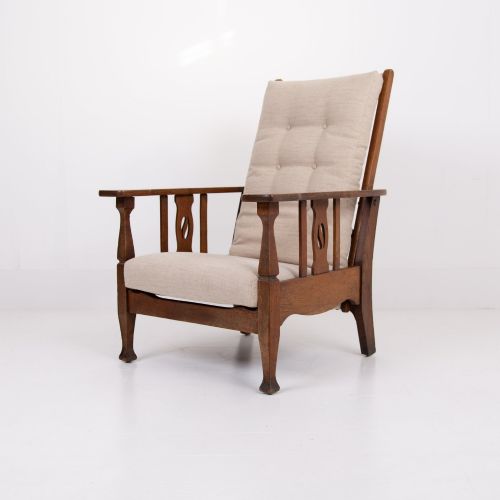
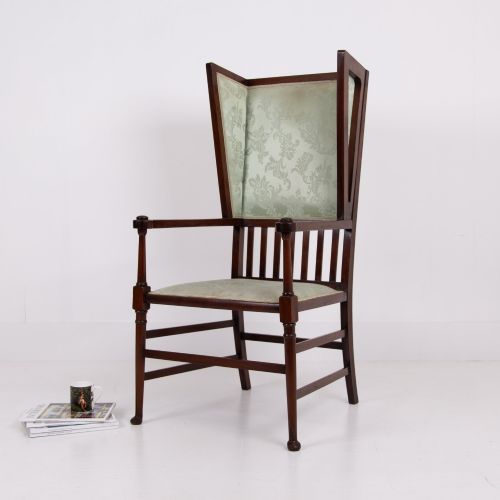
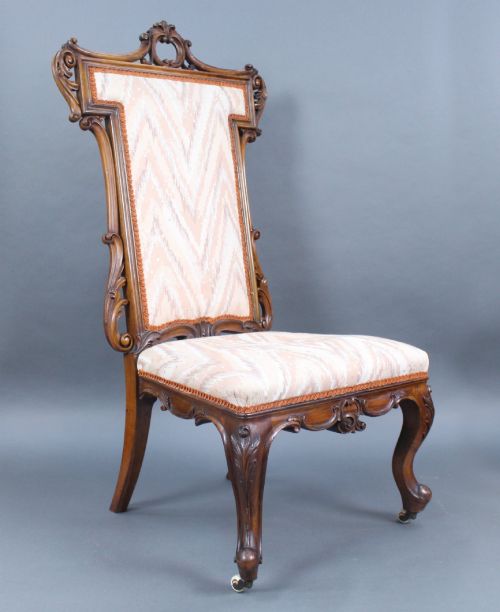
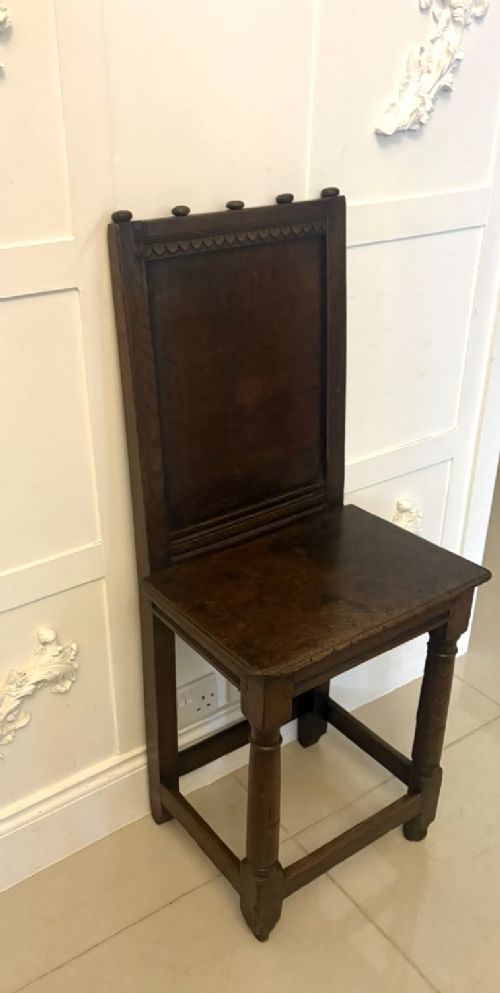
Antique High Chairs
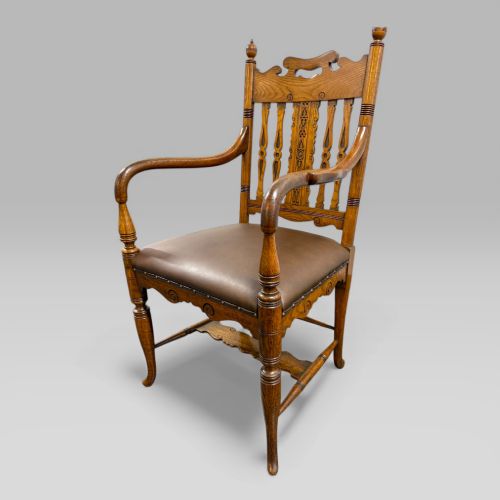
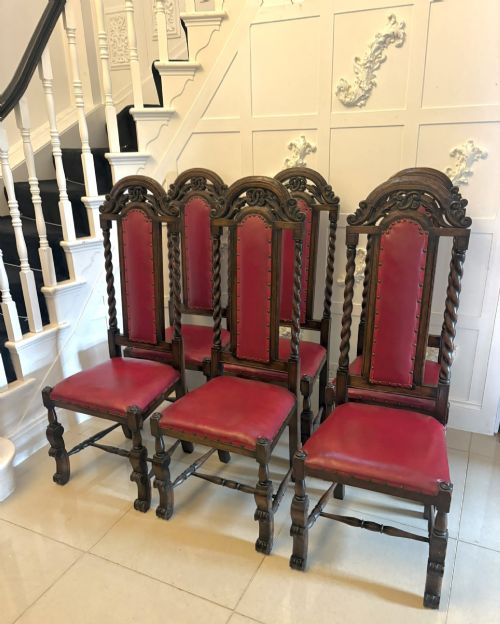
Tall-backed seating of every kind, from stick-built Windsor armchairs in native timbers to winged fireside chairs and carved oak, gathered under a heading that also holds a smaller run of children's feeding chairs.
Antique High Chairs
The heading is dominated by chairs with tall backs rather than by children's furniture. "Back" turns up in about a third of titles, "windsor" in a quarter, "armchair" in a quarter. Purpose-made children's high chairs are a genuine strand, but a small one.
The form you meet most is a single high-back Windsor armchair in native hardwood. Elm, yew and ash carry the listings, with yew wood the timber named most often after elm. Hoop backs, comb backs and broad-armed chairs all appear, tagged to Worksop, Nottinghamshire, Lincolnshire, the Thames Valley, High Wycombe, Lancashire, the West Country, Wales and the Ayrshire Darvel tradition.
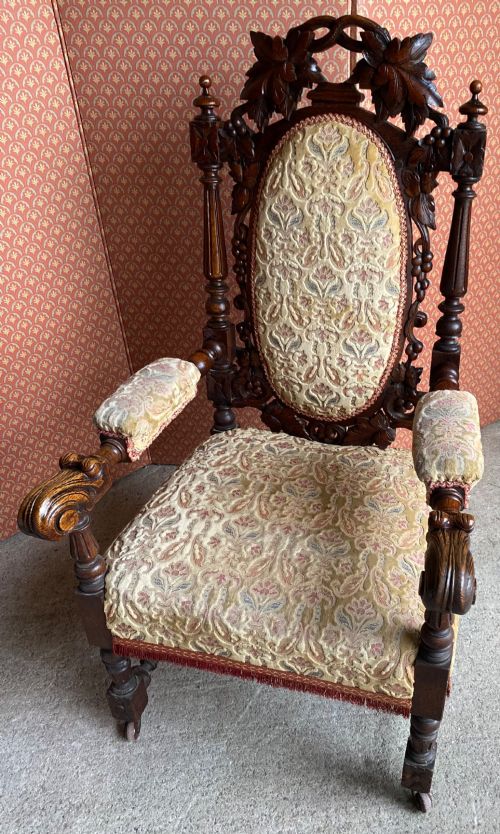
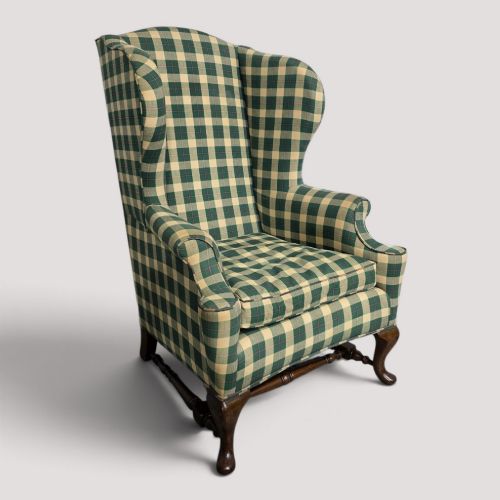
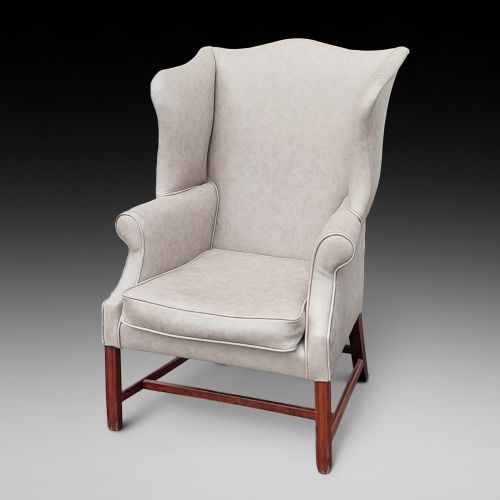
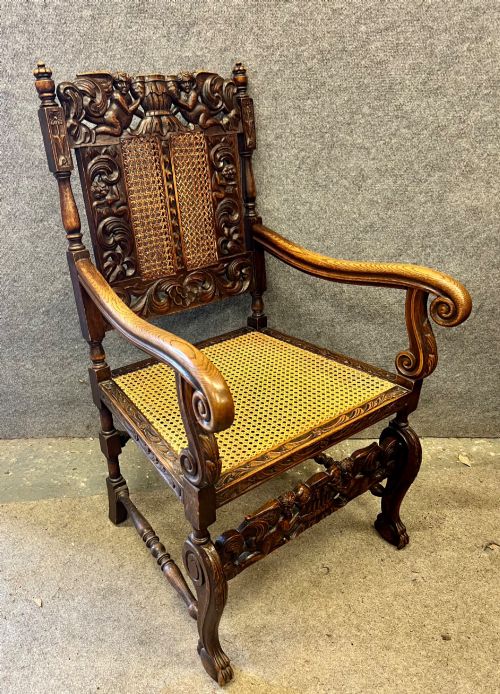
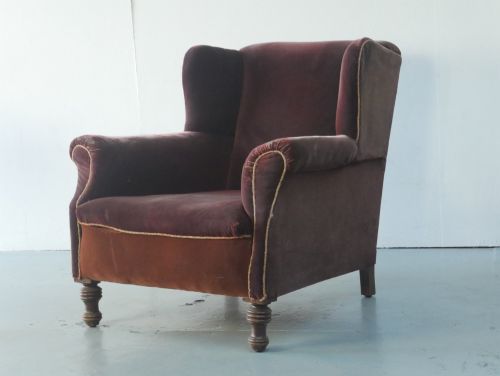
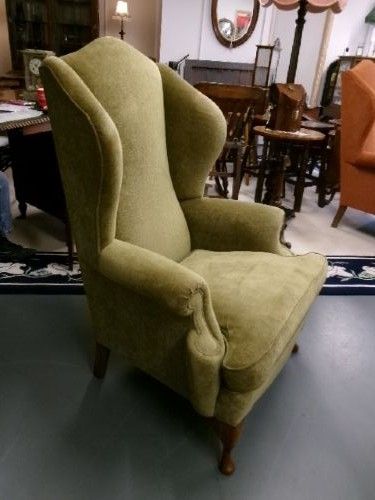
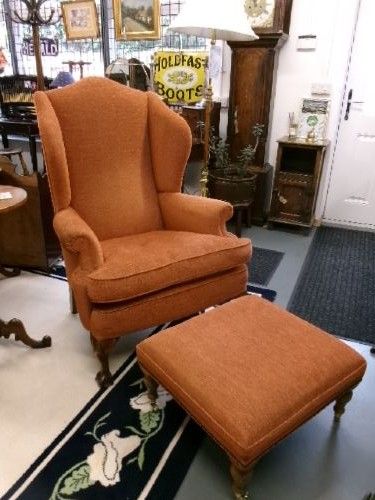
Running alongside it in raw numbers is the tall upholstered armchair: wing and wingback chairs, library and fireside chairs, barrel backs, Gainsborough and porters chairs, in leather and in fabric. Then tall carved oak and walnut in the 17th-century taste, described as Carolean, Jacobean, Cromwellian or William & Mary, and back stools. Sets and pairs are common, so many listings cover multiples: pairs, sixes, eights, and occasional tens and twelves.
Dating is loose across the board. The dated field runs 1700 to 1940, with a fifth of listings carrying a clean year and the rest an era label; "19th Century" and "Victorian" together account for a large part of it. A 17th-century tail exists, though titles reading "Carolean style" or "Queen Anne style" often carry a 19th- or 20th-century date in the same line. Around a hundred come to market a year on Sellingantiques, listed by well over two hundred different dealers.
Where The Range Splits
Timber sets much of the order in the Windsor group. Yew, and figured or burr yew, sits toward the top; ash and elm is the standard country pairing; beech, birch and stained softwood sit lower. A named origin does similar work, and a Windsor tagged to a place or reading "stamped" sits well above an unattributed one.
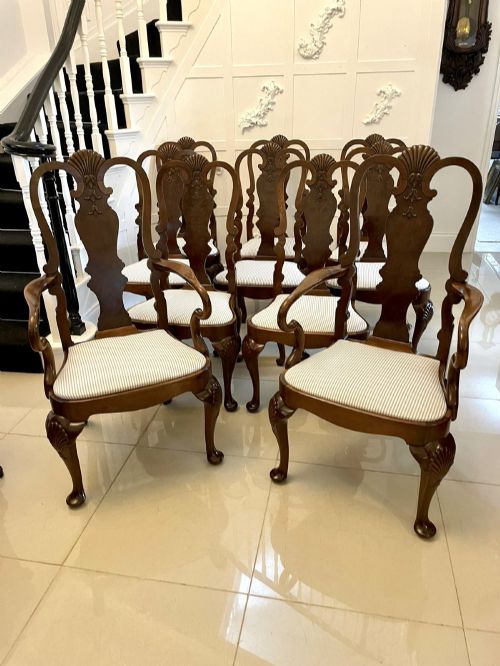
Number matters as much as anything else. Matched pairs and sets of six, eight, ten or twelve reach the top of the range, and the words "matched", "near pair" and "harlequin" are used to qualify how closely the chairs agree. Single chairs are the norm, and single Victorian and Edwardian children's high chairs and plain oak hall chairs sit at the bottom.
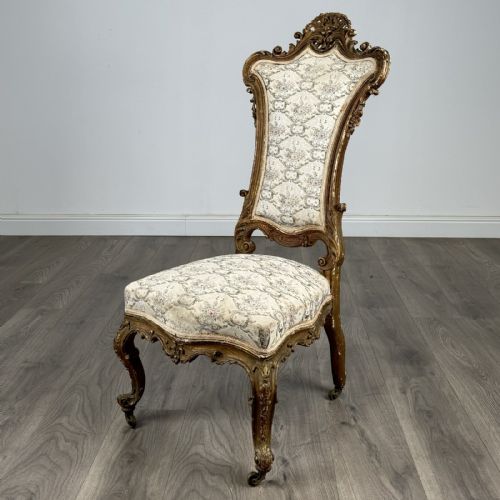
In the carved and upholstered branches, the work itself decides. Heavily carved, parcel-gilt and giltwood chairs occupy the upper reaches, along with marquetry sets. Age counts too: period 17th- and 18th-century examples sit above the revivals that copy their look, and the earliest firm date recorded is a joined oak child's high chair on a stand, initialled and dated 1688.
Antique High Chairs Retail Price Guide 2026
Typical UK retail prices for high chairs, calculated from the Sellingantiques database of over a million retail prices indexed since 2003. This retail price guide relies exclusively on Sellingantiques data; no external sources or auction records are used, so the figures do not describe the wider market.
The earliest firm date on Sellingantiques is a joined oak child's highchair on a stand, initialled R.D. and dated 1688.
The Antique High Chairs Glossary
- High back
- A back noticeably taller than the sitter's shoulders, and the thread joining an otherwise mixed group of chairs.
- Windsor
- A chair whose legs and back sticks are socketed into a solid wooden seat rather than framed to it.
- Hoop back and comb back
- Two Windsor back shapes: a bent hoop enclosing the sticks, or a straight top rail laid across their tops.
- Wing chair
- An upholstered easy chair with side wings above the arms; the word appears in a good ninety titles.
- Crinoline stretcher
- A curved hoop stretcher linking the front legs of a Windsor, named for the skirts it allowed room for.
- Metamorphic
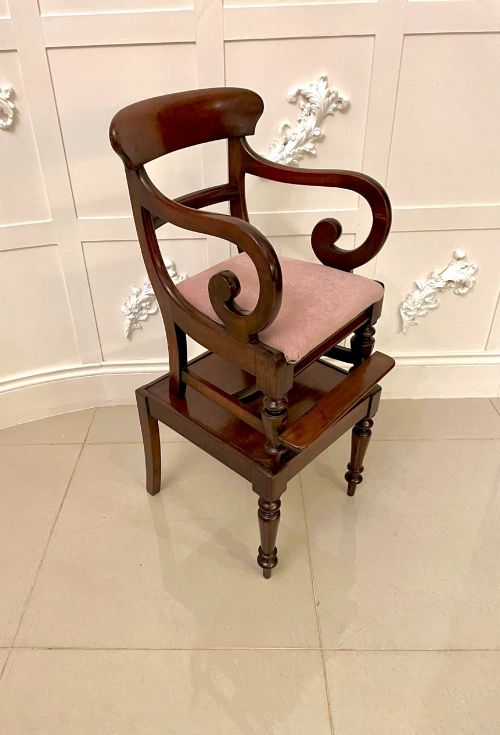
- A child's high chair that converts into a low chair and table, turning up in mahogany, walnut and bergere-caned forms.
Antique High Chairs: Frequently Asked Questions
Are these actually chairs for children?
A few are. "Childs" and "child" together appear in fewer than a hundred titles, against "windsor" in 242, so children's feeding chairs are a real but minority strand.
The rest is high-back seating: Windsor armchairs, wing and library chairs, carved oak and walnut, and sets of tall dining chairs.
Which timbers turn up in the Windsor chairs?
Elm, yew and ash carry the group. Ash and elm is the standard country pairing, bent ash for the back and elm for the seat.
Yew, named in around ninety titles, sits toward the top of the range, and burr or figured yew higher again. Beech, birch and stained softwood sit lower down.
What does a regional name on a Windsor mean?
Titles use place names as origin tags. Worksop, Nottinghamshire, Lincolnshire, the Thames Valley, High Wycombe, Lancashire, the West Country, Wales and Darvel in Ayrshire all appear that way.
An attributed Windsor sits well above an unattributed one in the range. Where no origin is given, the evidence offers no way of assigning one.
How old are the chairs in this category?
The dated field runs 1700 to 1940. Around a third of listings give a clean year; the rest use a century or a reign, and "19th Century" and "Victorian" between them cover a large share.
There's a 17th-century tail of about thirty listings, and a body of 18th-century chairs. Titles reading "Carolean style" or "Jacobean style" describe the look, not the date.
Do listings cover single chairs or sets?
Both. "Pair" appears in 137 titles and "eight" in twenty-eight, with sets of six, ten and twelve in the record, so a fair number of listings are for multiples.
Single chairs are still the common case. Matched and harlequin sets of yew Windsors sit at the very top of the range.
What unusual forms have appeared?
One-offs surface now and then: an Orkney chair standing 103cm, an Anglo-Indian cane peacock chair, a Ceylonese teak veranda chair and a Scottish lambing chair in oak.
Others include a giant Philippine throne chair, a Burmese temple pair, a child's exercise chair in yew and a Dutch-painted child's chair in the Hindeloopen manner.