
A 2026 Guide by Sellingantiques
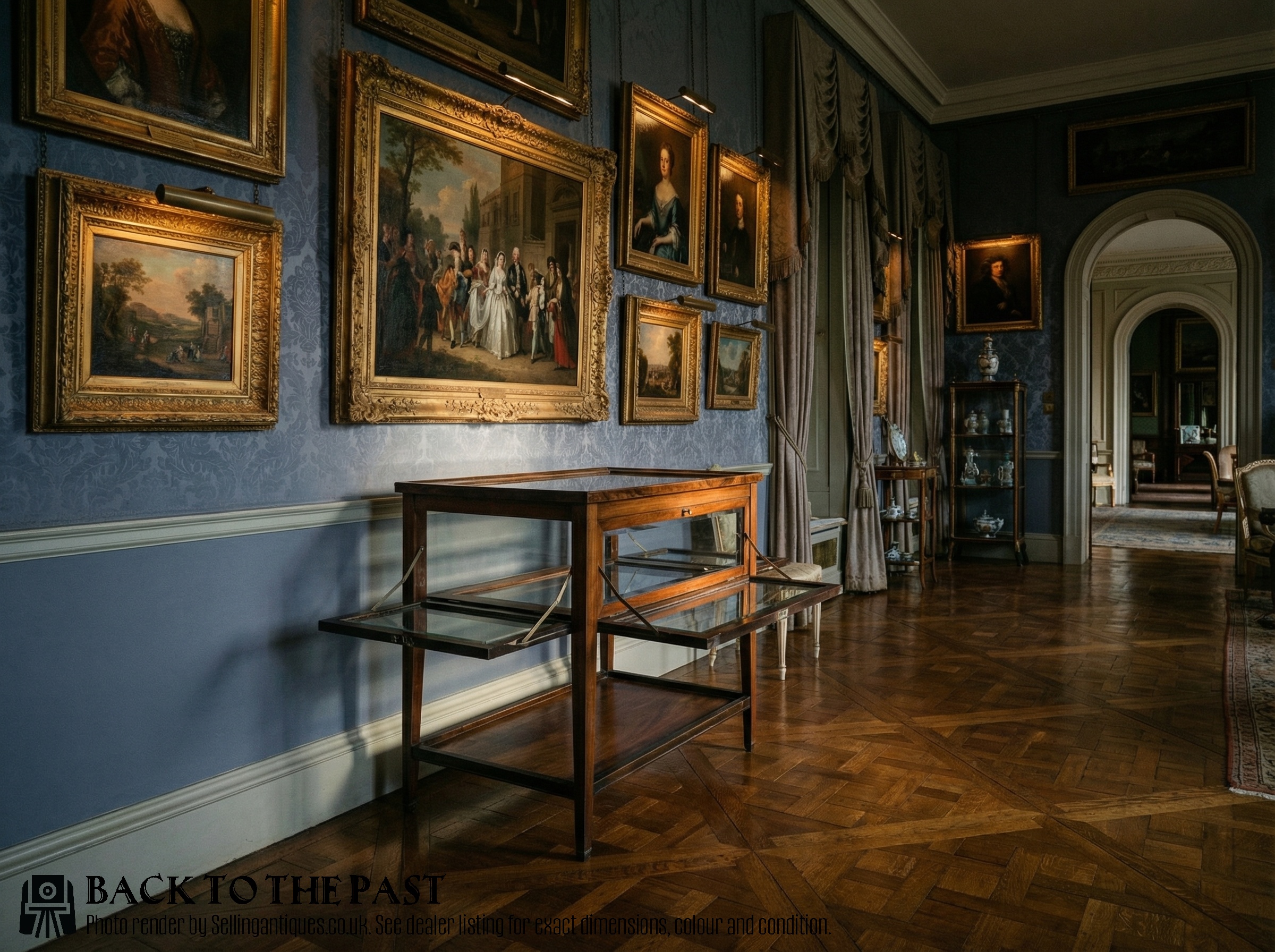
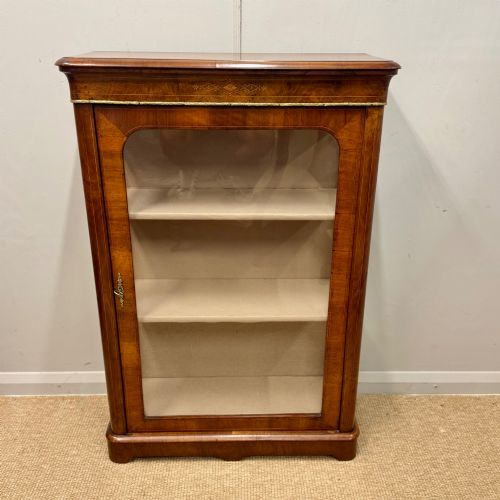
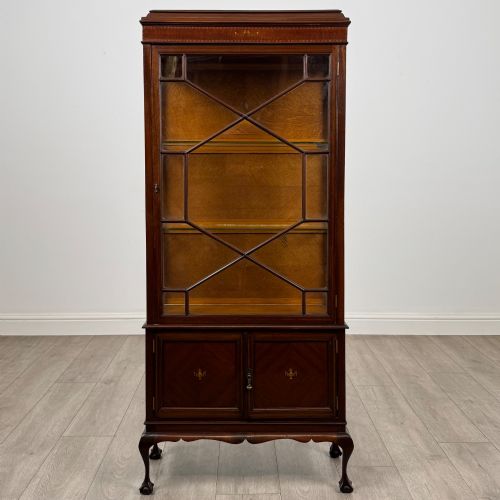
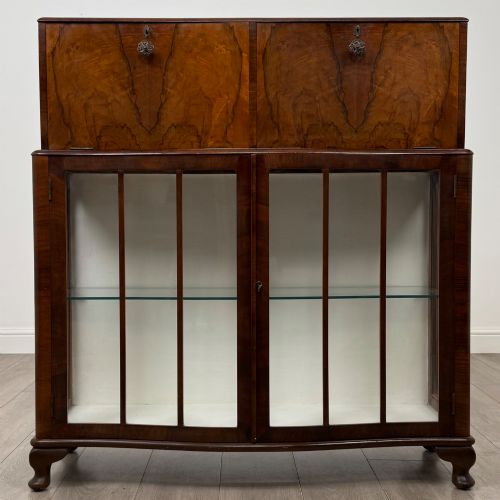
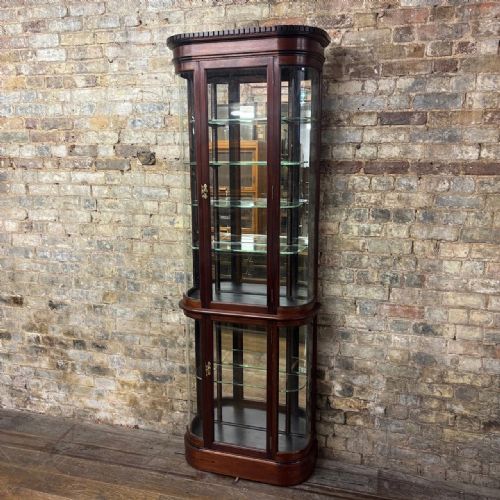
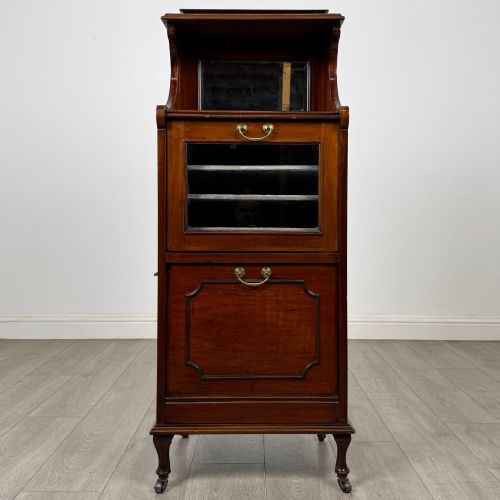
Patisserie Cabinet. Glazed., 1920
Priced at £295 from Antiques Online Ltd
Introduced in the late seventeenth century when sheet glass became widely available.
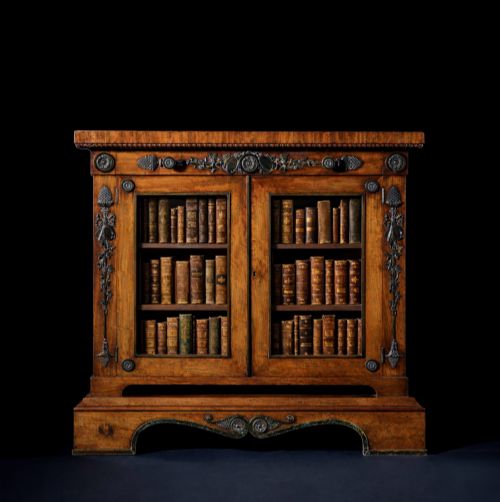
Early antique glazed cabinets often housed books rather than ceramics.
Look at how the proportions shift towards lighter forms by the late eighteenth century.
Mahogany imports let makers produce thinner glazing bars than oak frames could support.
Thomas Chippendale produced major documented commissions for grand glazed bookcases, particularly those featuring thirteen-pane lattice doors.
Gillows of Lancaster supplied numerous substantial antique glazed cabinets to country houses throughout the late eighteenth century.
Workshops rarely signed their work. Most pieces are attributed by comparing construction details to known pattern books rather than finding a stamped name.
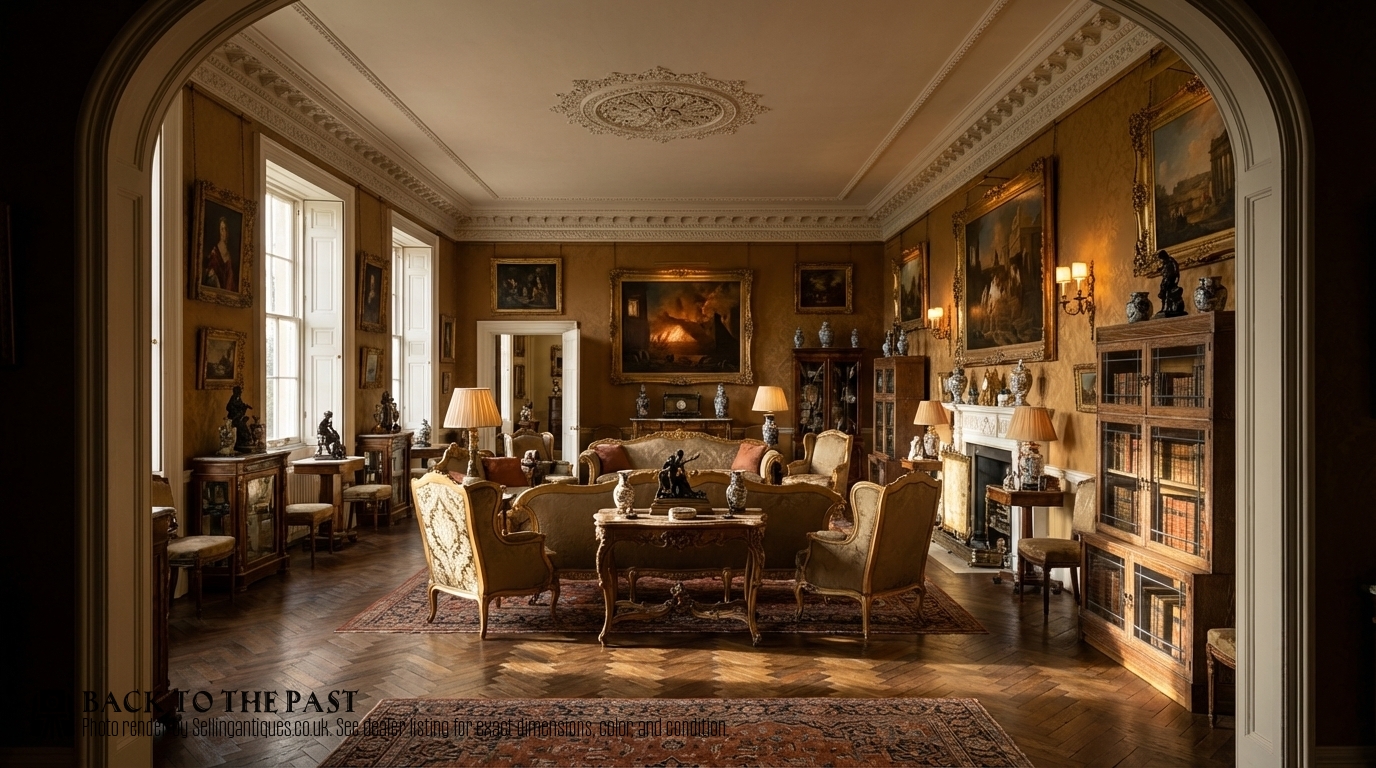
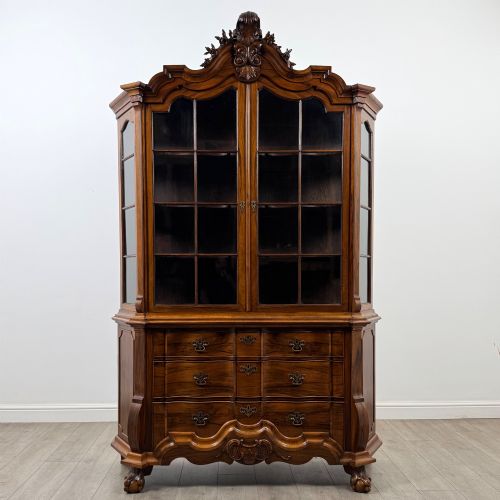
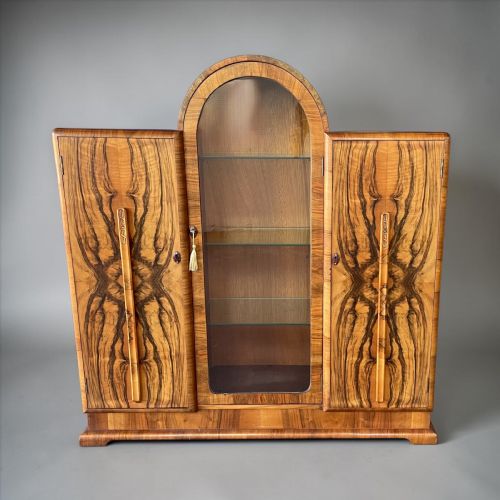
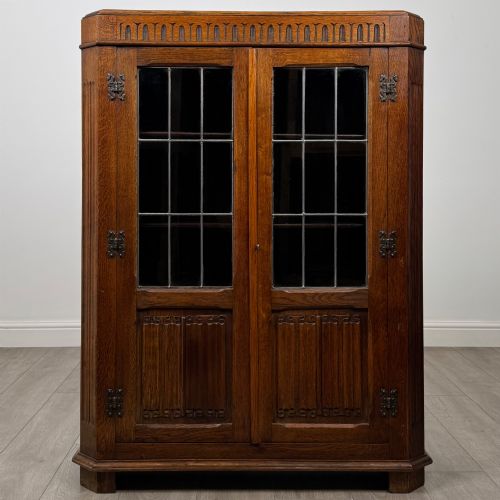
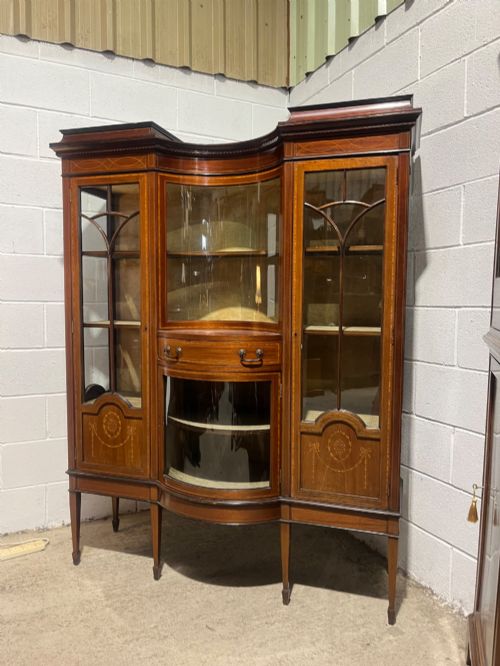
Limed Oak 3 Section Glazed Cabinet, 1930
Priced at £340 from Rupert Hitchcox Antiques
The 2026 retail price guide for Antique Glazed Cabinets is drawn from a proprietary archive of over 1.1 million retail prices indexed by Sellingantiques since 2003. This guide relies exclusively on their own internal data; no external sources or auction records are used.
Analysing nearly 25 years of UK antique market history alongside current retail values, the data indicates that typical UK retail prices for Antique Glazed Cabinets range between £600 and £4,400. Entry-level prices generally fall under £600 and premium examples upwards of £4,400.
Astragal glazing bars hold individual panes of glass in complex geometric patterns.
Adjustable shelves rest on wooden pegs or sit in notched side racks known as a saw-tooth system.
Notice the cornice projecting at the very top. This architectural detail finishes the upper edge and balances the base.
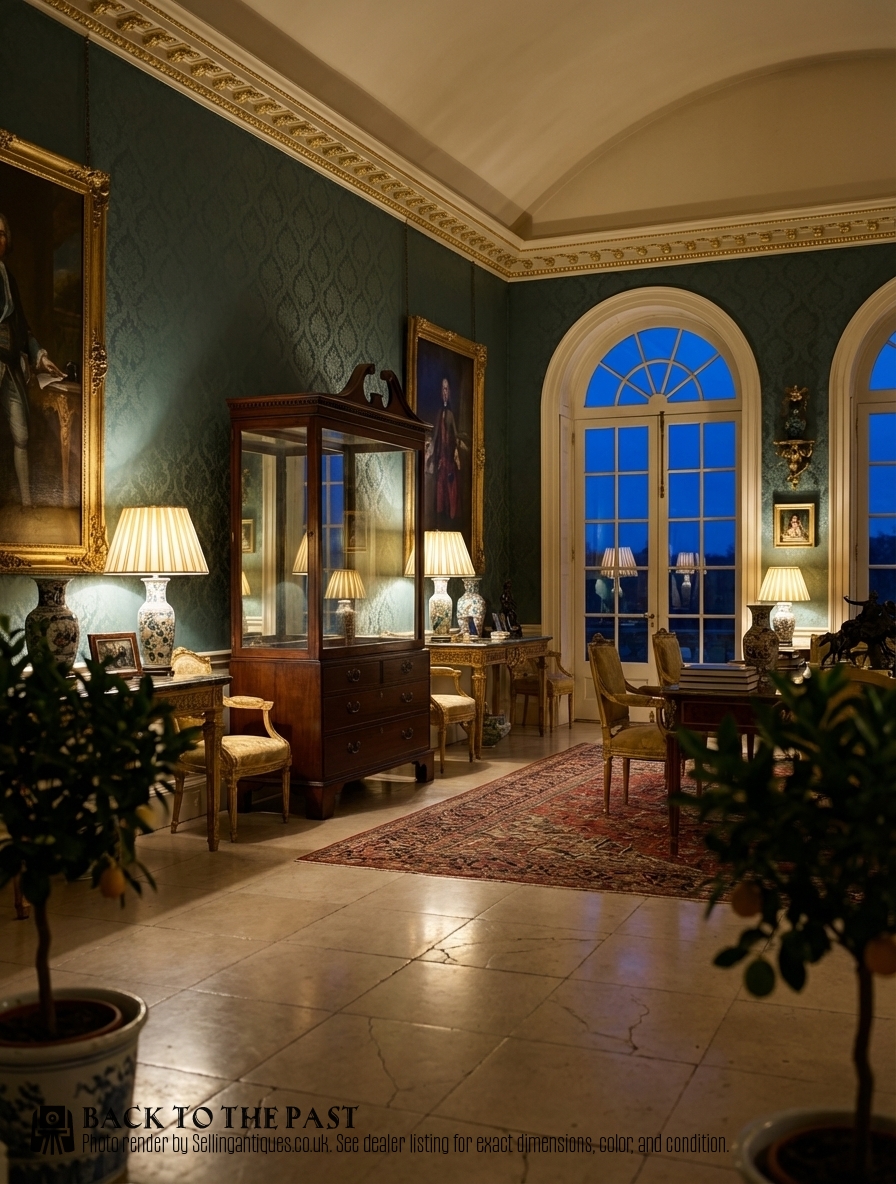
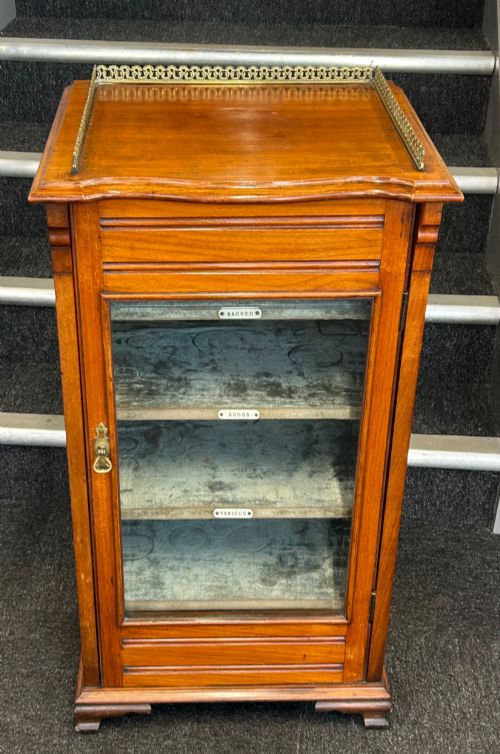
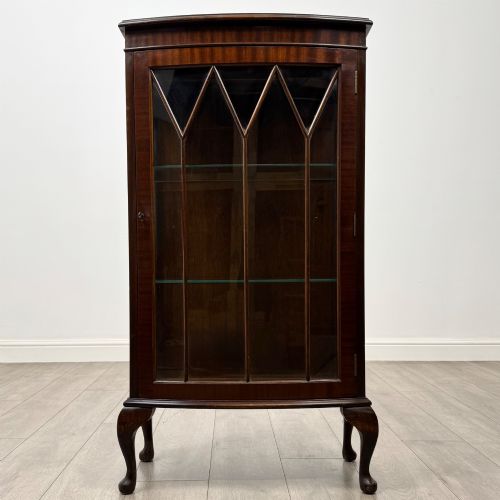
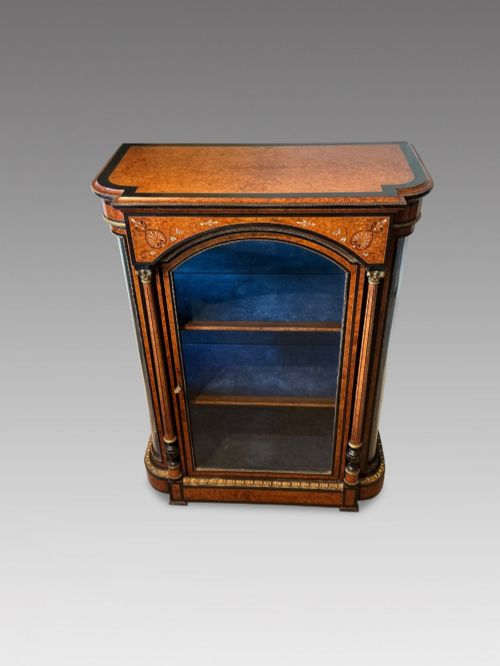
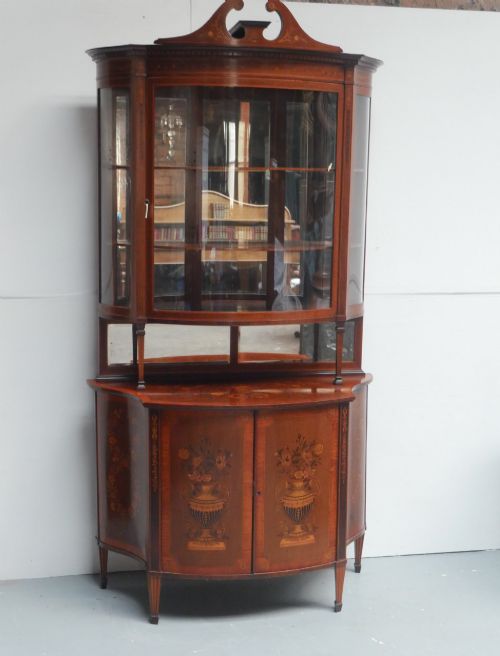
Mahogany Display Cabinet, 1880
Priced at £1,850 from Philip Hunt Antiques
Cabinet-makers cut deep mortise and tenon joints to hold the narrow door frames together under the weight of the glass.
Hand-cut dovetails secure the drawer boxes in the base section.
Turn a shelf over. You'll sometimes see bevelled edges on the underside, a technique used to make thick boards appear lighter from the front.
"Some display cabinets have internal fabric linings. These silk or velvet backs brighten the interior and contrast with displayed silver."
"Glazing bars strengthen the door. The interlacing wooden matrix keeps thin frames rigid."
"Pull out a drawer. Many base sections double as writing desks, hiding a drop-down front or a slide-out leather surface."
Based on almost 25 years of Sellingantiques UK antique market data, Antique Glazed Cabinets appeared 5414 times (out of 1,100,000 antiques) which gives it a rarity score of 34/100.
This score measures scarcity within the Sellingantiques archive only and is not a survey of the entire antiques market, so these statistics may not be indicative of the general availability of Antique Glazed Cabinets elsewhere.
Most antique glazed cabinets were built specifically as bookcases. The thick wooden shelves and heavy carcase are more than capable of supporting a full library.
Adjustable shelves on wooden pegs might need a check to ensure the supports fit tightly. If the pegs are sound, the weight of the books helps keep the structure stable.
Almost all tall case furniture from the eighteenth and nineteenth centuries breaks down into at least two sections. The glazed upper half simply lifts off the solid base, making transport and installation much easier.
Very large breakfront models often dismantle further. The cornice detaches, and the individual vertical banks of shelves unscrew from each other to pass through standard doorways.
Always lift the upper section from the lowest point of its frame. You'll want to avoid pulling on the glazing bars or the fragile top cornice.
Spray a soft cloth with standard glass cleaner. Never spray directly onto the door, as drips will damage the polish on the wooden astragals.
Wipe gently. Old putty holding the panes can be brittle.
This usually means the cabinet isn't sitting level on the floor. Floors settle, and even a slight tilt forward will cause heavy glazed doors to swing open under their own weight.
Slide a small wooden wedge or folded card under the front feet. Packing the base levels the carcase, bringing the hinges back into alignment.
If levelling doesn't work, the brass hinges might be worn. A cabinet-maker can pack behind the hinge plates to correct the drop.
Please note: This Antique Glazed Cabinets guide and its associated pricing data are provided for general informational purposes only. It does not constitute formal financial, investment, or appraisal advice and should not be relied upon as the sole basis for any commercial activity, purchasing, or sales decisions. Sellingantiques.co.uk accepts no liability for any actions taken in reliance on this information. Always consult with a qualified professional or independent appraiser.
