


A 2026 Guide by Sellingantiques
Postal reforms hit the mid-nineteenth century. This created a sudden need for secure local collection points.
Early street boxes started out green. They didn't get their red paint until decades later, helping pedestrians spot them in heavy smog.
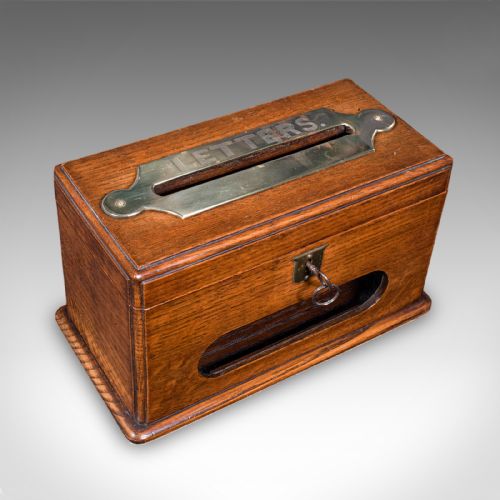
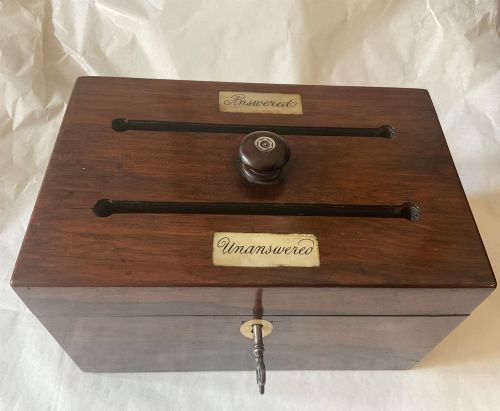
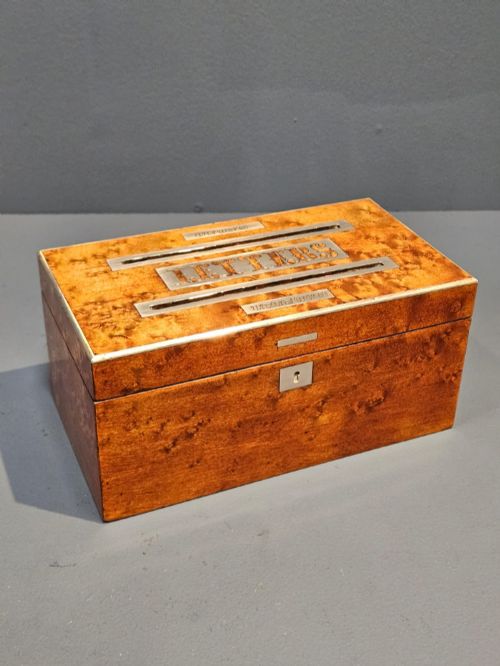
Country house antique post boxes sat in the main entrance hall. Servants dropped letters inside.
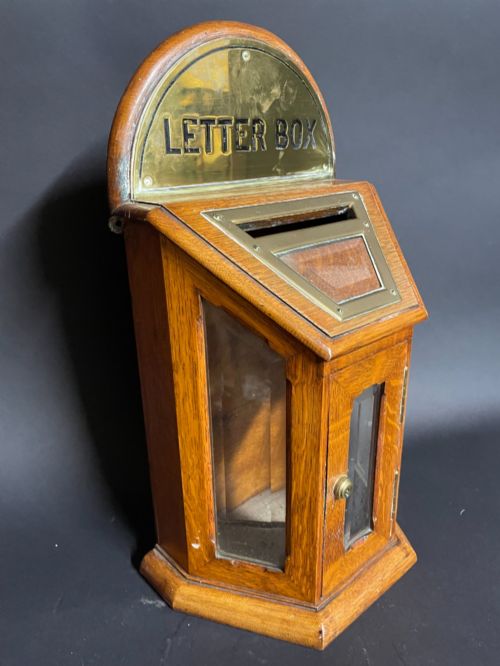
Look out for wall boxes from rural areas. These saved the parish the expense of a free-standing pillar.
Handyside of Derby cast many official iron boxes. Their name usually appears in raised letters near the base.
W.T. Allen supplied wall boxes in the late nineteenth century. Spot the foundry stamp low down below the collection plate.
Wooden hall boxes rarely carry a cabinet maker's stamp. Sometimes a London retailer's ivory plaque survives inside the door.
The 2026 retail price guide for Antique Post Boxes is drawn from a proprietary archive of over 1.1 million retail prices indexed by Sellingantiques since 2003. This guide relies exclusively on their own internal data; no external sources or auction records are used.
Analysing nearly 25 years of UK antique market history alongside current retail values, the data indicates that typical UK retail prices for Antique Post Boxes range between £400 and £2,900. Entry-level prices generally fall under £400 and premium examples upwards of £2,900.
The royal cypher casts right onto the front of official models. This monogram helps date them to specific monarchs.
Bevelled glass windows feature in many wooden country house examples. Look through the glass to check if the post boy needs to empty it.
Heavy brass locks and sturdy keys. Estate managers held these securely because you can't risk losing outgoing mail.
Heavy sand casting techniques shaped the early iron patterns. The metal walls are often thicker than later twentieth-century versions.
Dovetail joints hold the wooden country house boxes together. Strong corners withstand the weight of thick brass fittings.
Turn an antique post box around to check the backboard fixings. Machined screws replaced hand-cut threads as the period progressed.
"Many small wall boxes served as private letter drops inside vast railway stations. They're built from cast iron to match the surrounding station architecture."
"Some wooden hall boxes feature small drawers at the base. These hold stamps and wax for the household."
"Enamel collection plates often survive intact. The fired glass surface resists weathering far better than the painted iron."
Based on almost 25 years of Sellingantiques UK antique market data, Antique Post Boxes appeared 284 times (out of 1,100,000 antiques) which gives it a rarity score of 94/100.
This score measures scarcity within the Sellingantiques archive only and is not a survey of the entire antiques market, so these statistics may not be indicative of the general availability of Antique Post Boxes elsewhere.
Wooden antique post boxes mostly date from the late Victorian and Edwardian periods. Check the style of the brass hinges and the type of screws holding them in place.
The shape of the slot gives clues too. Later ones tend to be wider to accept bigger envelopes. A maker's label inside the door is your best bet for a firm date.
Most original keys vanished decades ago. Country house boxes often have standard lever locks that a traditional locksmith can easily pick and rekey.
Cast iron outdoor boxes are more difficult. If the original lock remains, you will need a specialist to create a suitable key.
Cast iron rusts solid when left outside without regular use. The hinge pins and the lock mechanism fuse together over time.
Penetrating oil helps, applied daily for a week or more. Tap the edges gently with a wooden mallet to break the seal of the rust without cracking the iron.
Spring-loaded brass flaps are standard for indoor examples. They stop dust settling inside.
The springs often snap after years of use. Yours is in good order if it still snaps shut tightly.
Please note: This Antique Post Boxes guide and its associated pricing data are provided for general informational purposes only. It does not constitute formal financial, investment, or appraisal advice and should not be relied upon as the sole basis for any commercial activity, purchasing, or sales decisions. Sellingantiques.co.uk accepts no liability for any actions taken in reliance on this information. Always consult with a qualified professional or independent appraiser.

