
Antique Leather Boxes
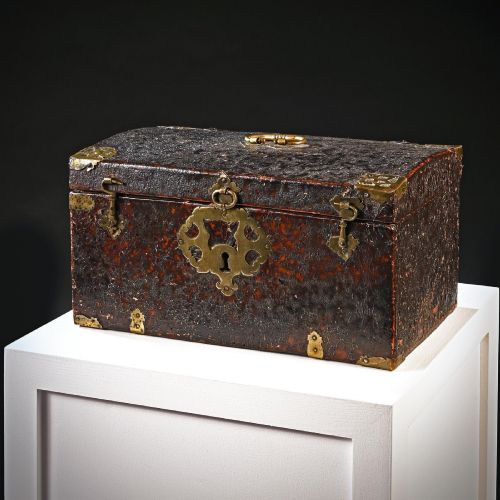
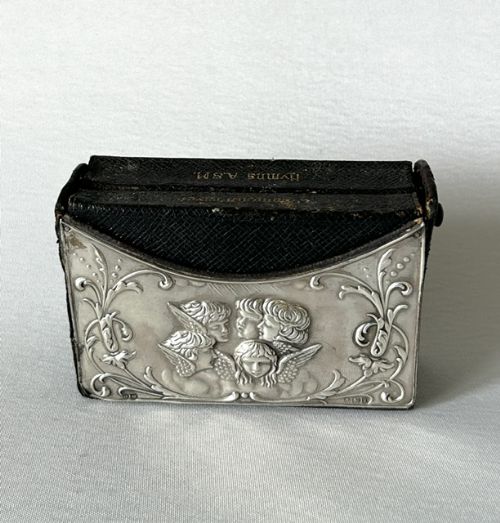
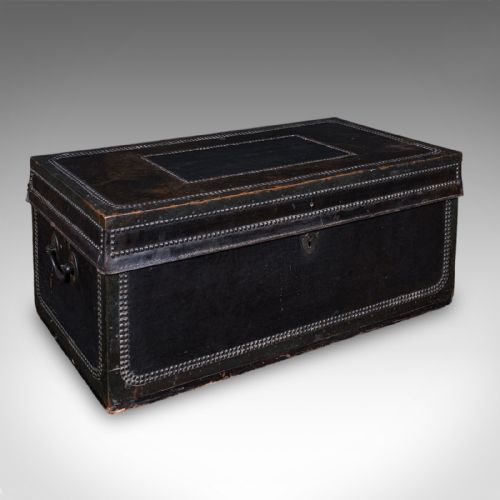
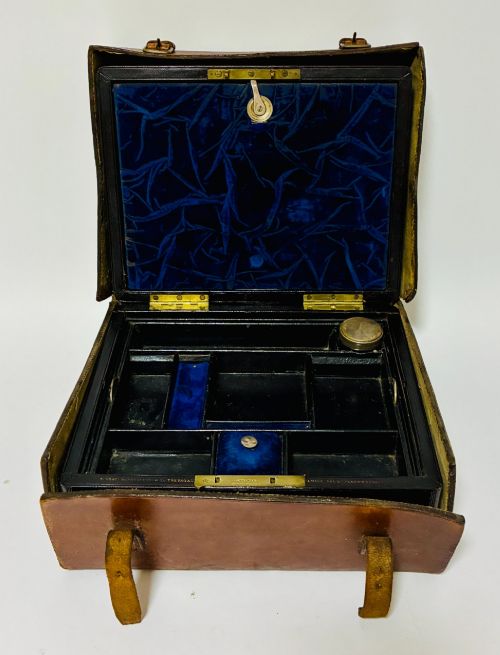
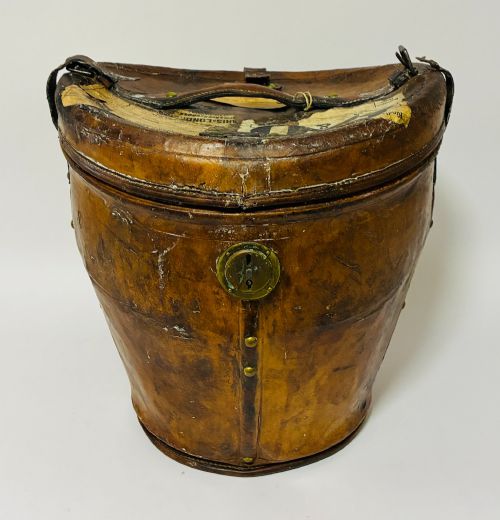
A box with a leather outer surface, built over wood or board, made to hold something particular: jewellery, writing kit, or a silk top hat.
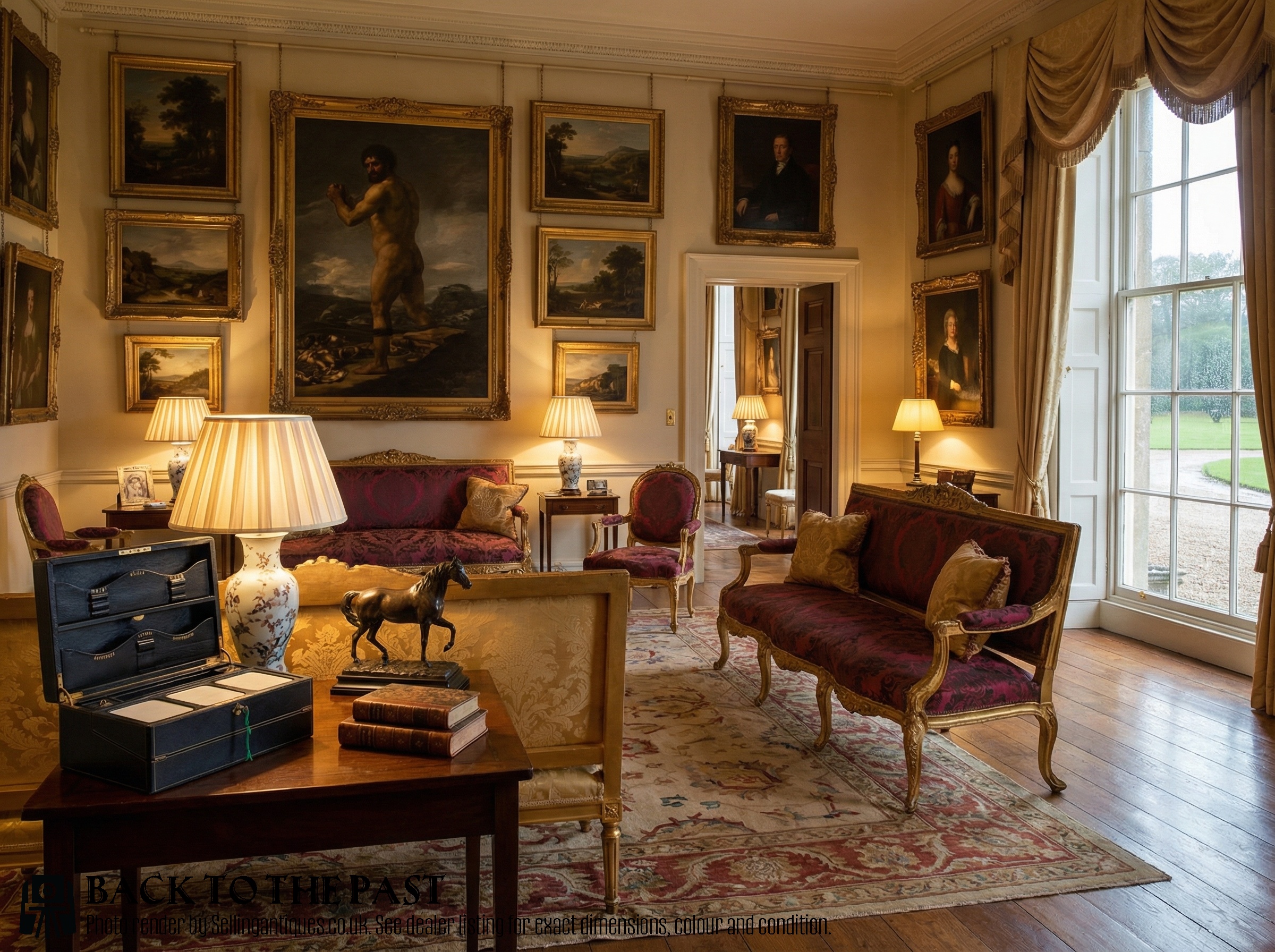
Antique Leather Boxes
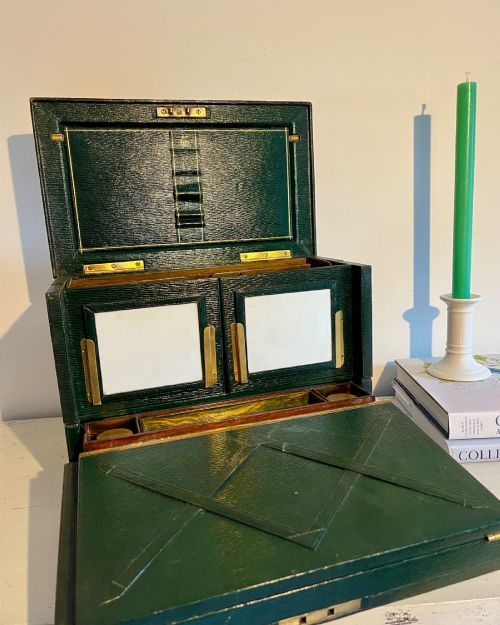
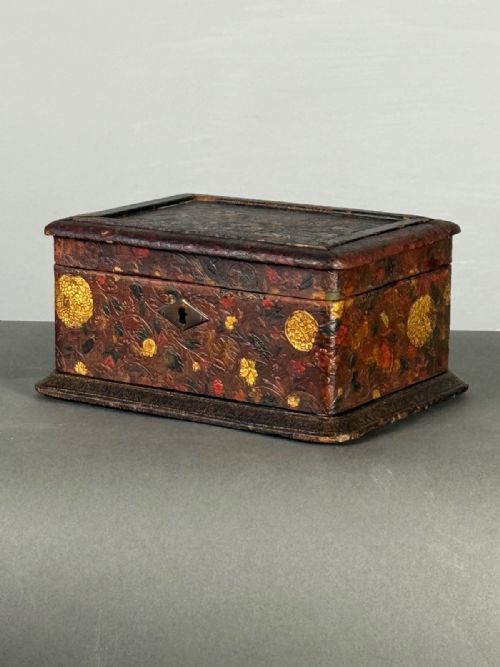
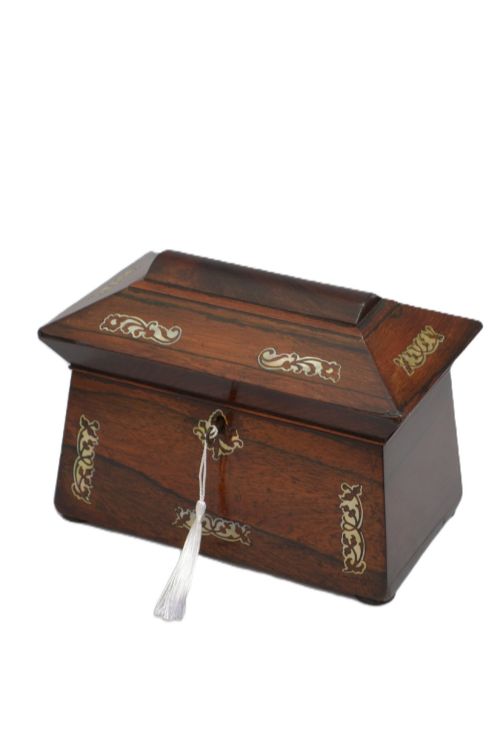
Two things sit under the heading. Some are solid leather skinned over a wooden or board carcase; others are wooden boxes described as leather bound or leather covered, and a smaller run are wooden boxes lined or topped with leather rather than wrapped in it. Brass or gilt mounts, studding and tooling are regular companions.
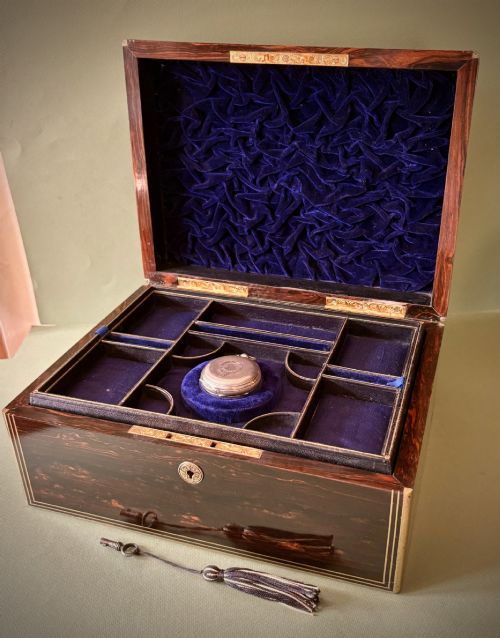
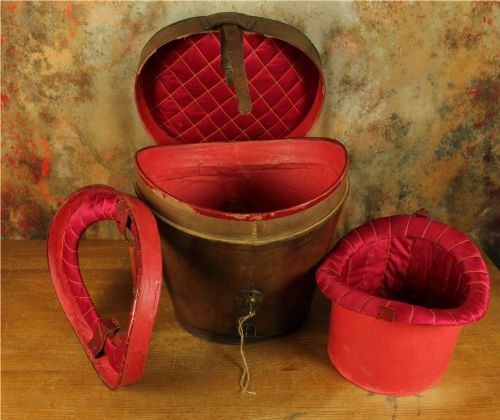
Jewellery is the defining word, in 76 of 276 titles on Sellingantiques, taking in small drop-front boxes, brass-mounted caskets and fully fitted cases. Writing comes next, at 40 titles, with writing slopes, stationery and document boxes behind it. Hat boxes make up about one in ten, and the top hat cases arrive in counts: single, double, triple and multi.
Victorian dating is the norm, with 61 listings given as Victorian and another 32 dated only to the nineteenth century. The early twentieth century is well represented through the 1900s, 1910s and 1920s, and Regency accounts for twelve, several of them leather-bound work and sewing boxes. The dated field runs 1800 to 1950; a few earlier pieces appear, but as outliers.
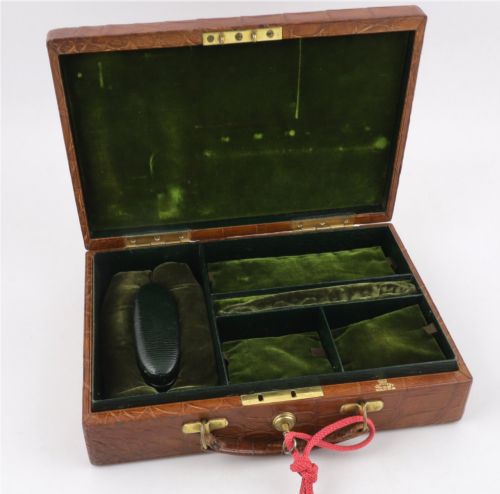
Round the edges sit the specialist forms. Crocodile, alligator, pigskin, shagreen, parchment and pony skin are named rather than left as leather. Gun and cartridge cases, apothecary boxes, decanter cases, playing-card cases and red or black morocco despatch boxes each turn up in handfuls.
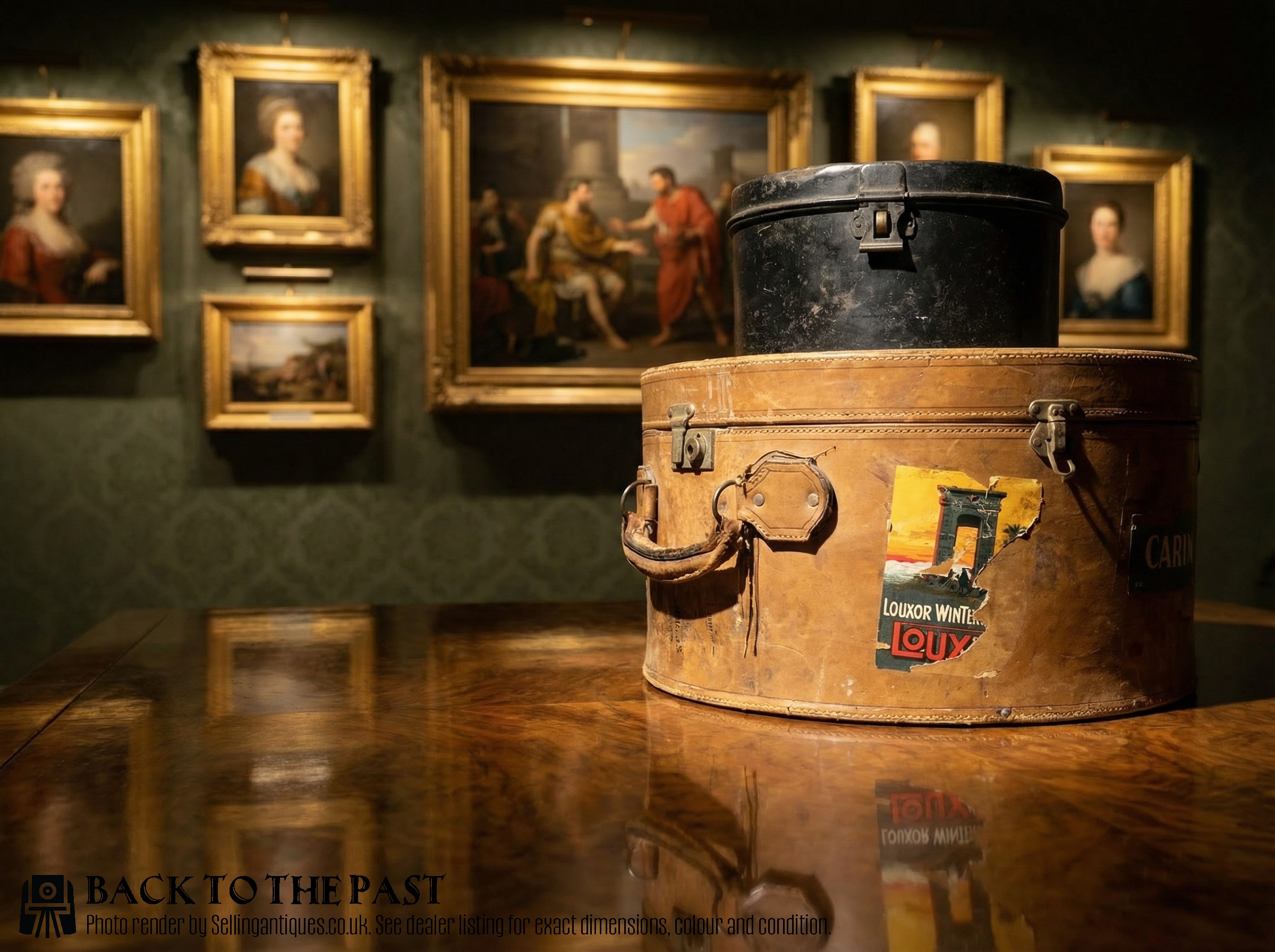
Where The Range Splits
Metal decides a great deal. Brass appears in 20 titles, and the upper part of the range repeatedly pairs leather with brass, gilt, ormolu or bronze mounts, where the plain entry is simply a leather jewellery box and nothing more. Surface work pulls the same direction: tooled leather appears in eight titles, and gilt-tooled and embossed examples cluster above the undecorated ones.
Interiors matter as much as the outside. Titles that specify fully fitted, complete interior, or name what is inside, two silk toppers, apothecary bottles, a playing card set, sit above equivalents sold as an empty shell. Skin type works the same way, with crocodile, alligator, shagreen and pigskin reaching well up the range.
Size and identity finish the picture. Large appears in thirteen titles, and the biggest recorded forms are the multi and triple top hat cases, trunks, chests and cabinets. A retailer's name, a monogram, an engraved initial or a dated inscription on the box lifts it above the anonymous version of the same thing.
Antique Leather Boxes Retail Price Guide 2026
Typical UK retail prices for leather boxes, calculated from the Sellingantiques database of over a million retail prices indexed since 2003. This retail price guide relies exclusively on Sellingantiques data; no external sources or auction records are used, so the figures do not describe the wider market.
About twenty-six leather boxes are listed on Sellingantiques each year, and 101 different dealers have offered one.
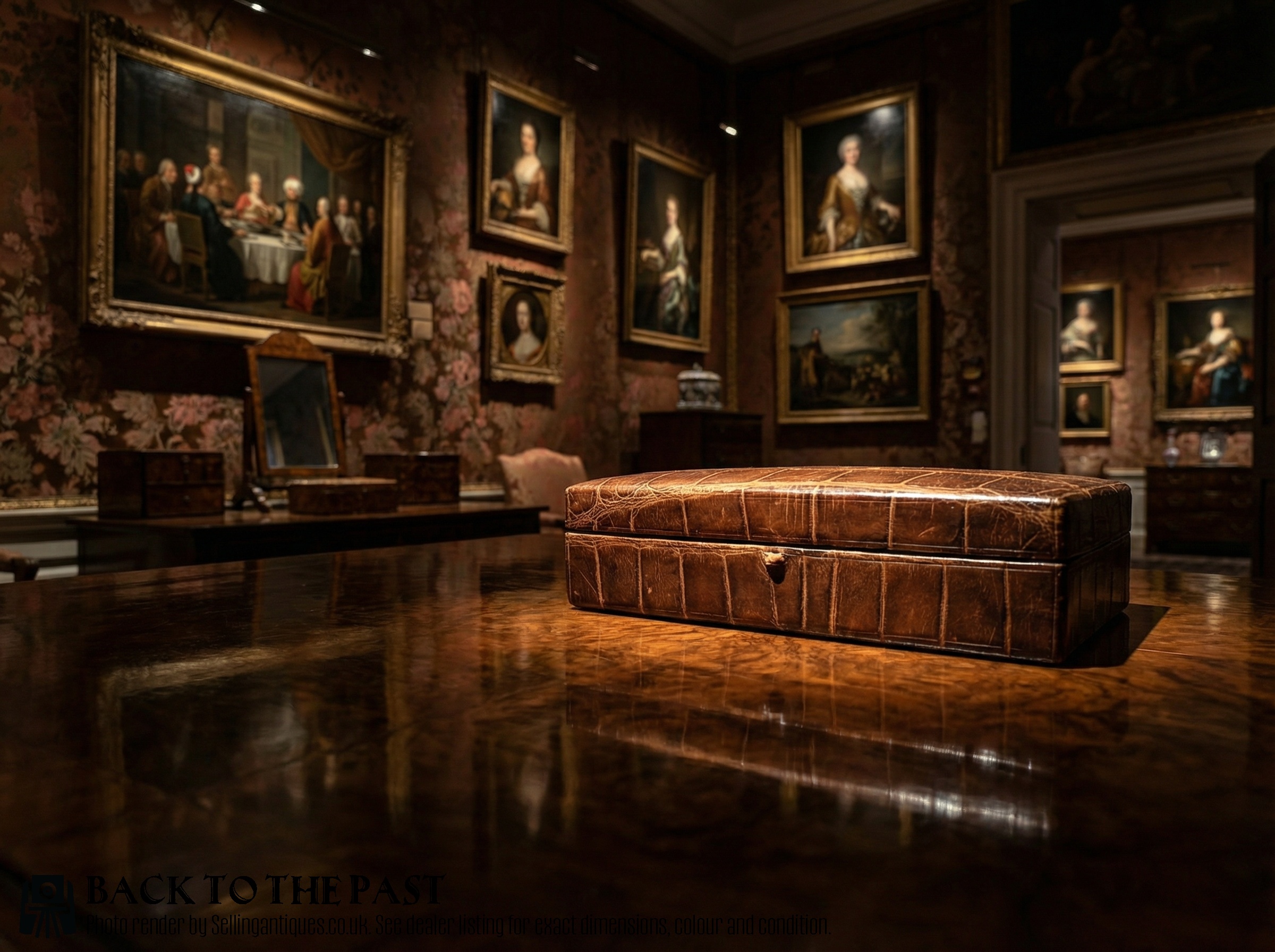
The Antique Leather Boxes Glossary
- Leather bound
- A wooden or board box covered in leather rather than built from solid leather. It appears in 23 titles, with leather covered used interchangeably in ten more.
- Fitted
- The compartmented interior is still there: trays, cushions or tool wells. Listings that spell out fully fitted or complete interior are separating themselves from the plain shell.
- Writing slope
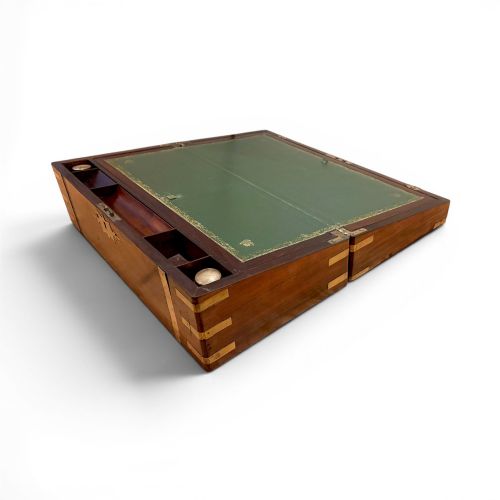
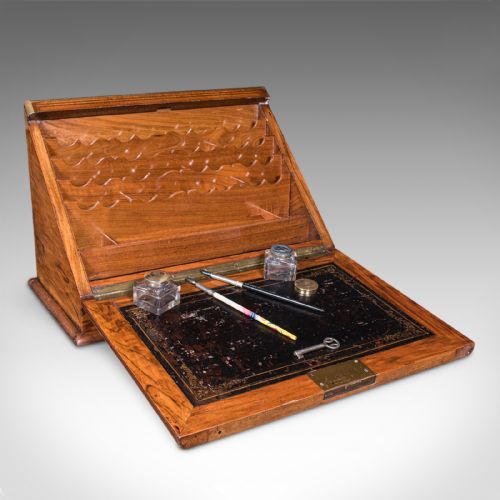
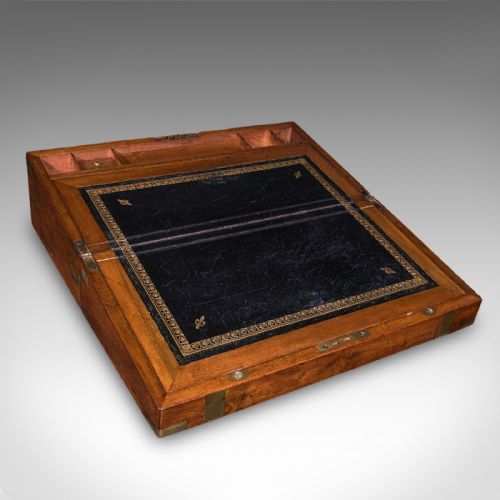
- A sloping-lidded box that opens to a writing surface, named in fourteen titles and the backbone of the writing group.
- Morocco
- Fine goatskin, often red or green, named in several writing and despatch box titles. Colour is stated more often here than in most box categories, because dyed and grained leathers were made to be seen.
- Tooled
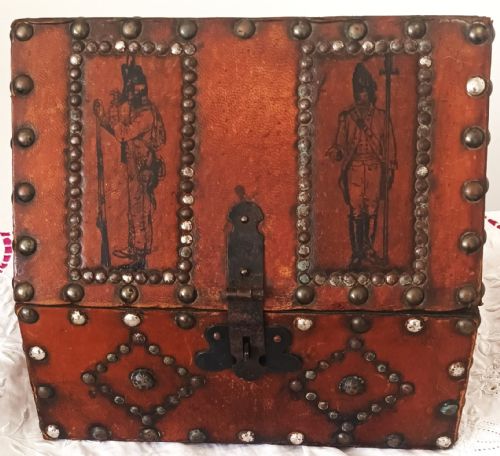
- Decoration impressed into the leather with heated tools, sometimes gilt. Embossed means raised relief worked into the surface, and studded means brass nails set into the leather.
- Multi top hat box
- A tall case built to hold more than one silk topper. Single, double and triple versions all appear, one of them offered still containing two hats.
Antique Leather Boxes: Frequently Asked Questions
What were leather boxes used for?
Each was made for something specific. The archive is dominated by jewellery boxes, then writing boxes, slopes and stationery or document boxes, then hat cases built for silk toppers.
Smaller runs cover work and sewing boxes, gun and cartridge cases, apothecary and decanter boxes, and lockable despatch boxes of official or military type.
Are these solid leather or covered wood?
Both. Some are leather skinned over a wooden or board carcase; others are wooden boxes that dealers title leather bound or leather covered, a phrasing used in 33 listings between the two terms.
A minority aren't leather-bodied at all, being wooden boxes lined or topped with leather.
Which period do most of them come from?
The nineteenth century, chiefly Victorian. Of 276 listings, 61 are given as Victorian and 32 only as nineteenth century, so a third of that material carries no decade.
The early twentieth century follows close behind, with the 1920s, 1900s and 1910s all well represented, plus Edwardian and 1930s entries. Regency accounts for twelve, several of them work boxes.
Do crocodile and other exotic skins appear?
They do, as a thin seam rather than a branch. Crocodile and alligator come up most often, then pigskin, shagreen and parchment, with pony skin recorded once.
When a skin is named rather than left as plain leather, the box tends to sit higher in the range. Croc and alligator jewellery cases appear at both ends of it.
How many leather boxes are listed each year?
Around 26 a year on Sellingantiques, from an archive of 276 listings.
A hundred and one different dealers have offered one, close to one dealer per listing. This is stock that surfaces across the trade rather than a specialism anyone corners.
What unusual forms have turned up?
Single oddities include an embossed leather voting box, a leather pillow box, a Chinese lacquered document box from Shanxi, and a Japanese Meiji jewellery box.
Faux-book caskets appear, one of them a large document box said to come from Lambeth Palace. Officialdom shows up in red and black morocco despatch boxes and a colonial metal dispatch box housed in a leather case.