

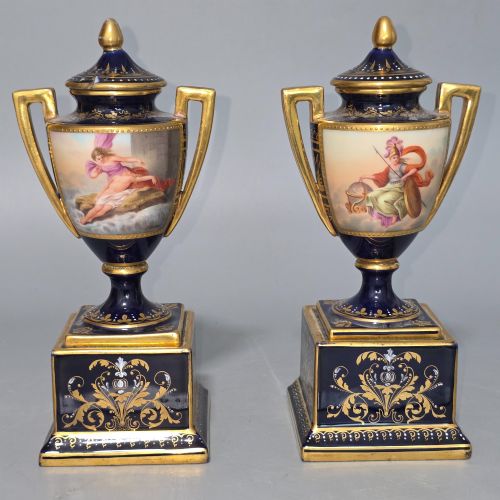


A 2026 Guide by Sellingantiques

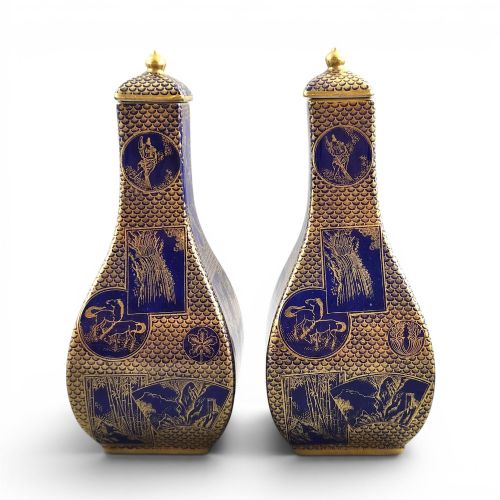
Scarce C19th Mason’s Ironstone China Garniture of Vases Decorated in Chinoiserie ‘Bandana’ Pattern., 19th Century
Priced at £1,150 from M Lees and Sons
Sets of antique garniture vases became fashionable during the late seventeenth century when architects started adding wide mantelpieces to domestic fireplaces.
The trend began with imported Chinese porcelain. Wealthy owners wanted to show off these costly ceramics in their formal reception rooms.
European factories soon caught on to the demand. They produced their own matching sets in earthenware and soft-paste porcelain.
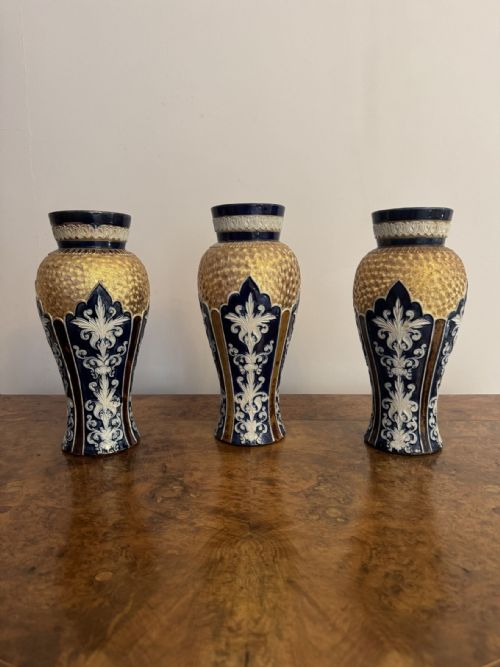
Expect to see groupings of three or five pieces. Five was standard for a grand country house display.
The Sèvres factory outside Paris produced elaborately mounted soft-paste porcelain sets during the late eighteenth century.
Josiah Wedgwood created neoclassical basalt and jasperware garnitures in Staffordshire from the 1770s onwards.
Dutch delftware potteries supplied tin-glazed earthenware versions throughout the eighteenth century to mimic the expensive Asian imports.
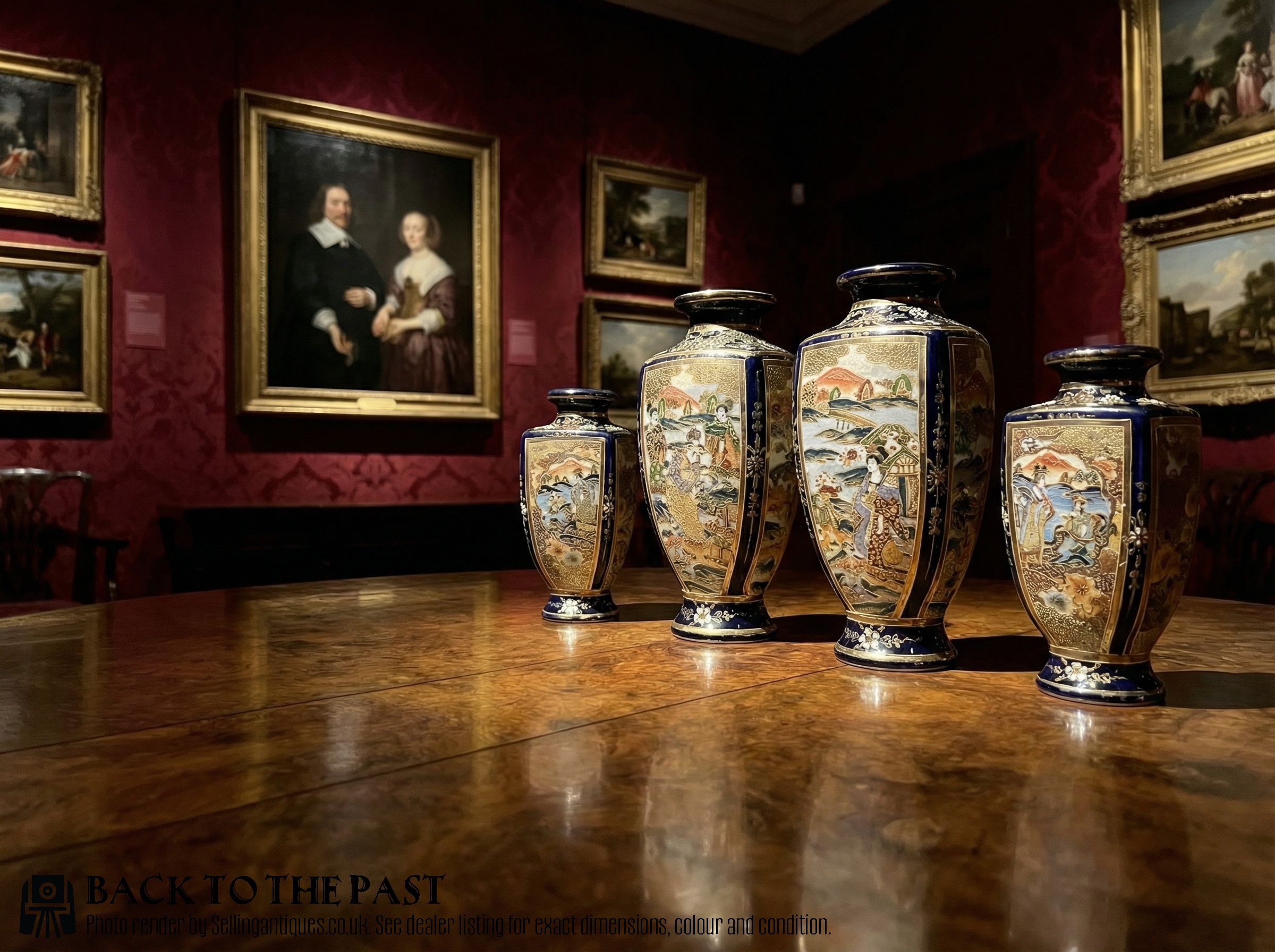
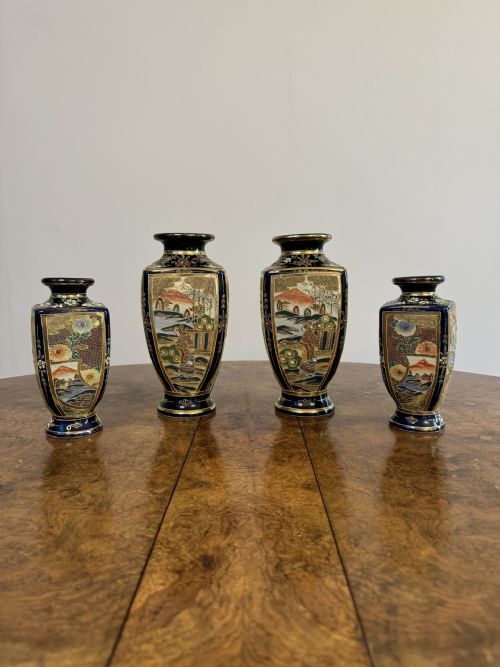
Outstanding Quality Antique Japanese Satsuma Garniture of Four Vases, 1900
Priced at £1,025 from Unique Antiques by Emma Jade
The 2026 retail price guide for Antique Garniture Vases is drawn from a proprietary archive of over 1.1 million retail prices indexed by Sellingantiques since 2003. This guide relies exclusively on their own internal data; no external sources or auction records are used.
Analysing nearly 25 years of UK antique market history alongside current retail values, the data indicates that typical UK retail prices for Antique Garniture Vases range between £700 and £4,400. Entry-level prices generally fall under £700 and premium examples upwards of £4,400.
Central vases usually differ from the flankers. A central covered jar sits between two open beakers in a typical arrangement.
Matching decorative motifs tie the set together. Painted scenes might span across the pieces to form a single continuous narrative.
Check the bases for painted or incised factory marks. Many eighteenth-century sets carry no identification at all.
Early clay bodies were thrown by hand on a wheel. You will often feel the faint horizontal throwing rings inside the neck.
Slip-casting became standard for complex shapes. Liquid clay was poured into plaster moulds to create identical matching pairs for the flanks.
Gilders applied real gold dust suspended in oil. This required a separate low-temperature firing and careful burnishing with an agate stone.
"Some central covered vases were designed to hold potpourri. Pierced holes in the shoulders allowed the scent of dried flowers to fill the room."
"Factories sold these as flat-packed sets. Buyers could mix and match different shapes from a catalogue to build their own custom display."
"The heights were carefully calculated to combat optical illusion. Outer vases were sometimes made slightly taller to look level on a high shelf."
Based on almost 25 years of Sellingantiques UK antique market data, Antique Garniture Vases appeared 177 times (out of 1,100,000 antiques) which gives it a rarity score of 97/100.
This score measures scarcity within the Sellingantiques archive only and is not a survey of the entire antiques market, so these statistics may not be indicative of the general availability of Antique Garniture Vases elsewhere.
The tallest piece takes the centre spot. Place the covered baluster vase right in the middle of your mantelpiece.
The two matching open beakers flank it on either side. Keep the spacing equal to maintain the formal symmetry that these sets were designed for.
Many sets have lost their original covers over the centuries. They still work well as a decorative grouping without them.
You might find it looks more intentional if you take the remaining covers off too. Store the surviving lids somewhere safe and display all five as open vessels.
It is best to keep them dry. The internal glaze on early ceramics often has microscopic cracks.
Use a glass liner if you want to display fresh flowers. This protects the antique piece from staining.
Ceramic weights vary depending on the factory and the period. Thick earthenware pieces are heavier than delicate bone china equivalents.
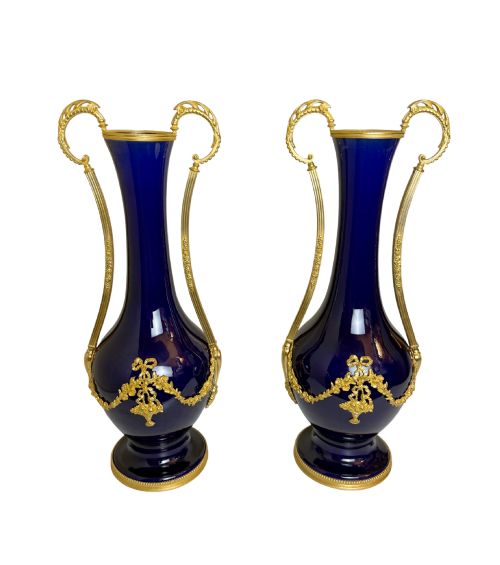
The real weight usually comes from added metal mounts. French sets with cast brass or ormolu bases are dense and will test a flimsy shelf.
Always check your shelf brackets before setting up a large display. The central piece is typically the heaviest of the group.
Please note: This Antique Garniture Vases guide and its associated pricing data are provided for general informational purposes only. It does not constitute formal financial, investment, or appraisal advice and should not be relied upon as the sole basis for any commercial activity, purchasing, or sales decisions. Sellingantiques.co.uk accepts no liability for any actions taken in reliance on this information. Always consult with a qualified professional or independent appraiser.
