
A 2026 Guide by Sellingantiques
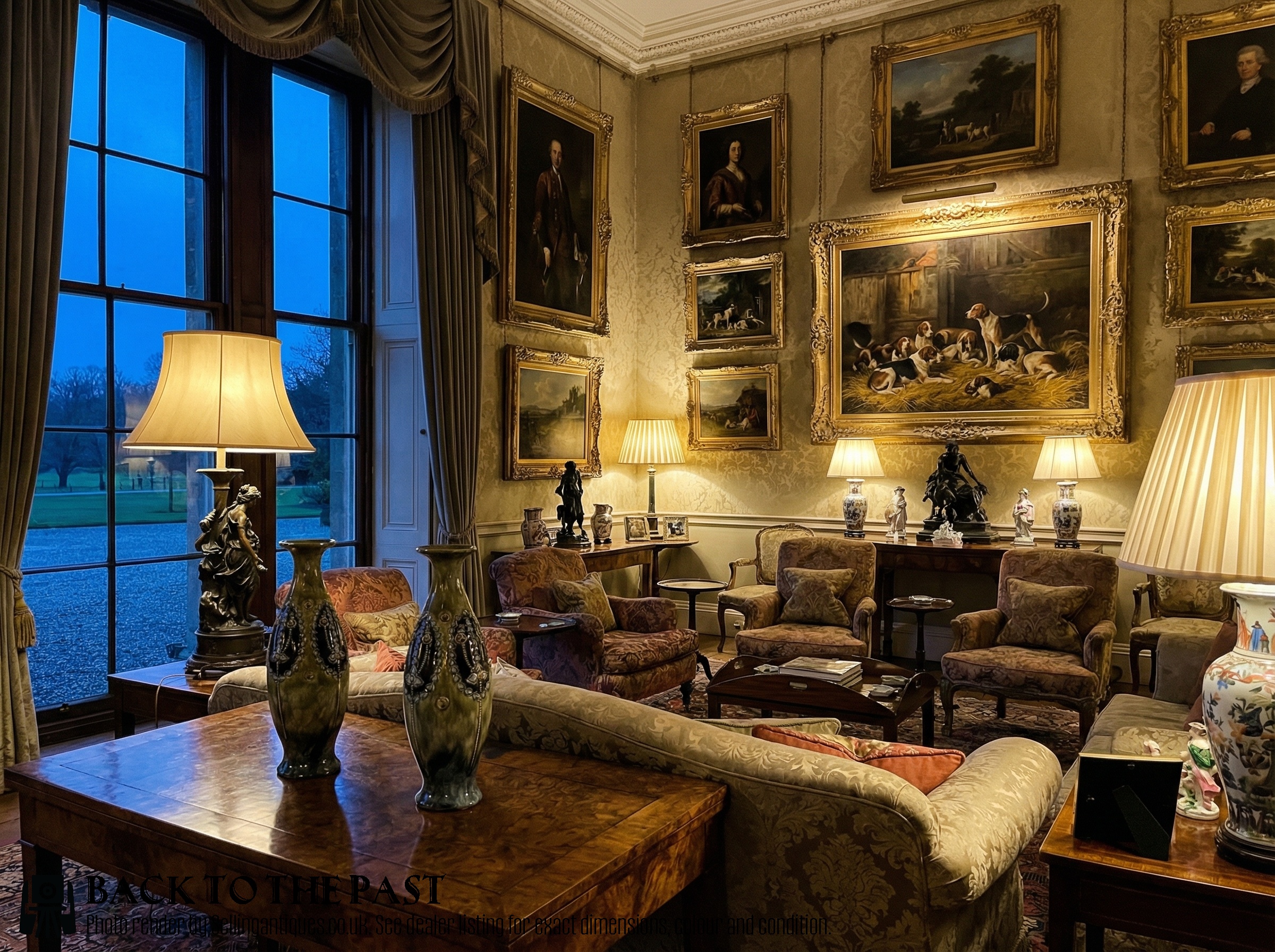
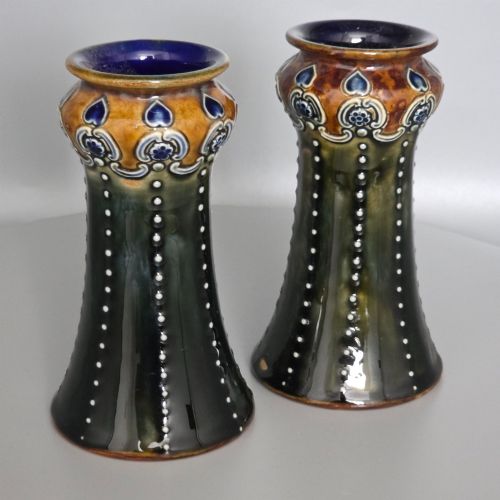
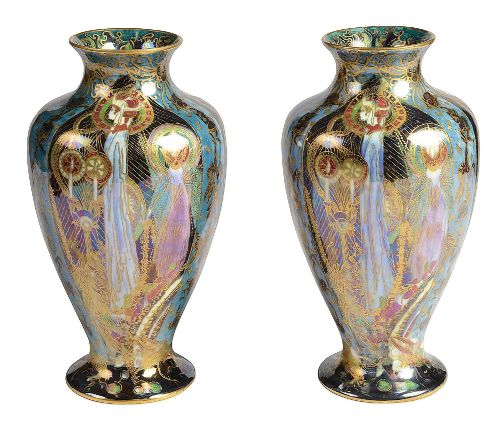
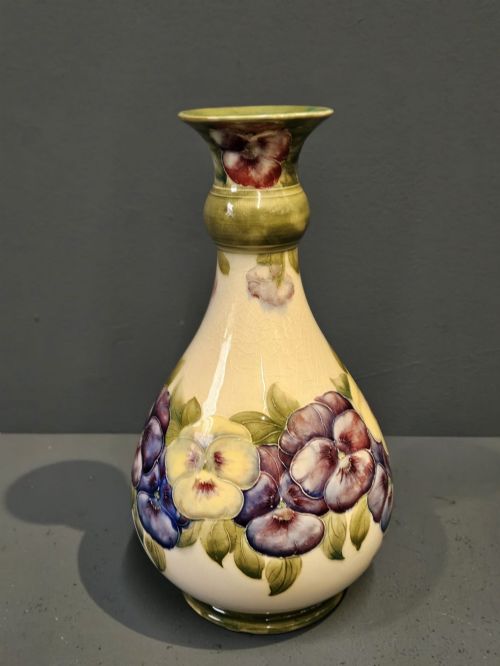
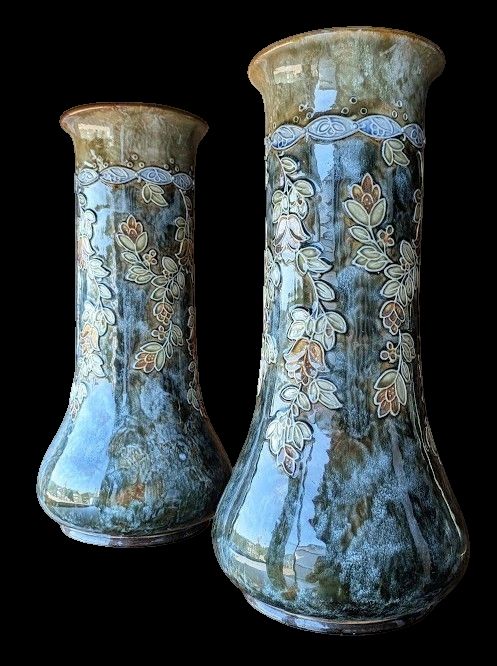
Elegant Quality Pair of Art Nouveau Royal Doulton Shaped Vases, 1920
Priced at £995 from Unique Antiques by Emma Jade
Flourished briefly between 1890 and 1910. A deliberate reaction against the heavy, historical revival styles of the earlier Victorian era.
Designers across Europe embraced natural forms. You will find different regional interpretations, like the floral French School of Nancy or the geometric Viennese Secession.
Glass and ceramics became a central focus for the period. These vessels were treated as high art rather than mere functional household goods.
Look for the influence of Japonisme. The asymmetry and botanical motifs seen in these Antique Art Nouveau vases borrow heavily from imported Japanese prints.
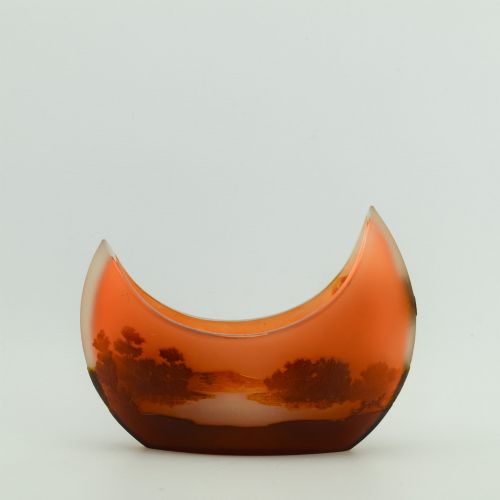
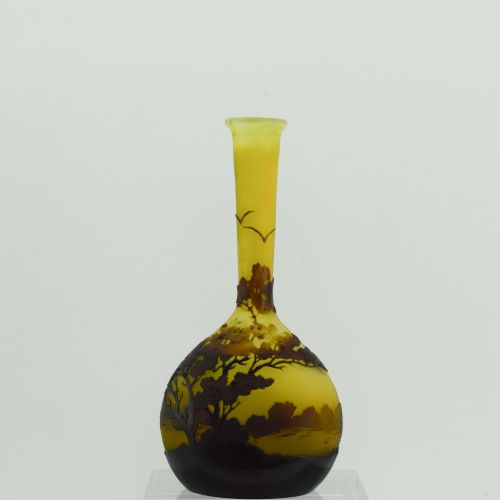
Émile Gallé led the School of Nancy in France. His factory produced countless cameo glass vases featuring layered botanical designs.
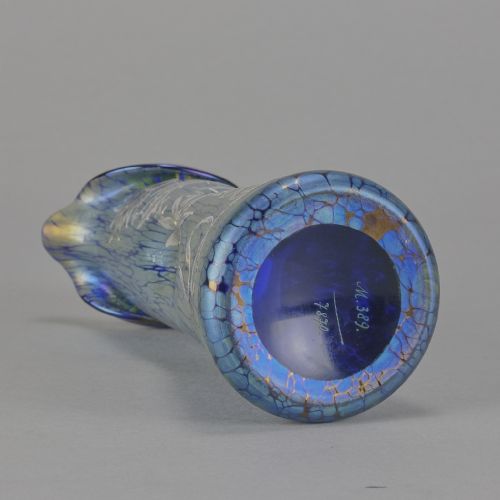
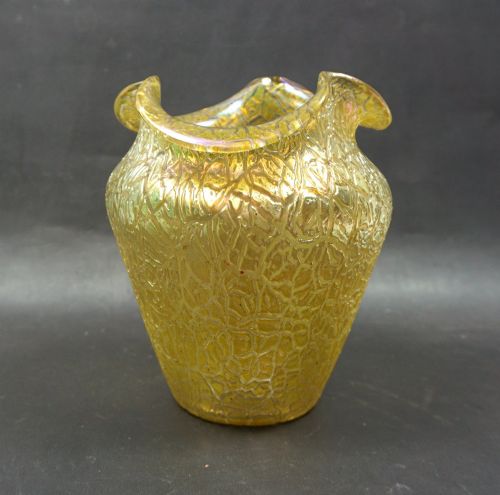
Loetz in Bohemia mastered iridescent glass. Their pieces often feature a distinctive dimpled surface and metallic sheen mimicking oil on water.
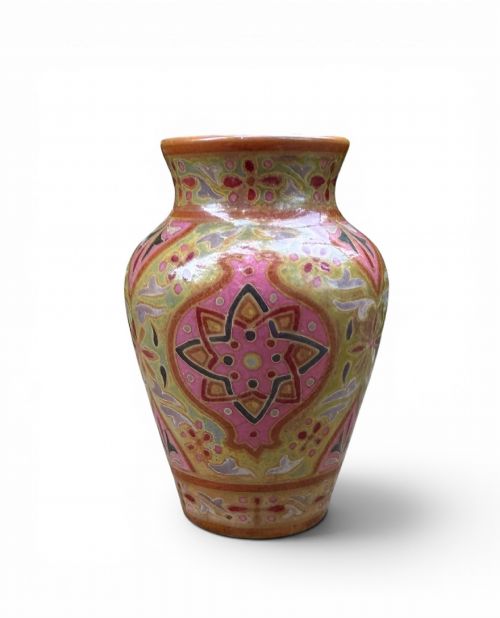
Royal Doulton produced ceramic forms in England. Their tubelined stoneware vases feature stylised floral patterns designed by artists like Eliza Simmance.
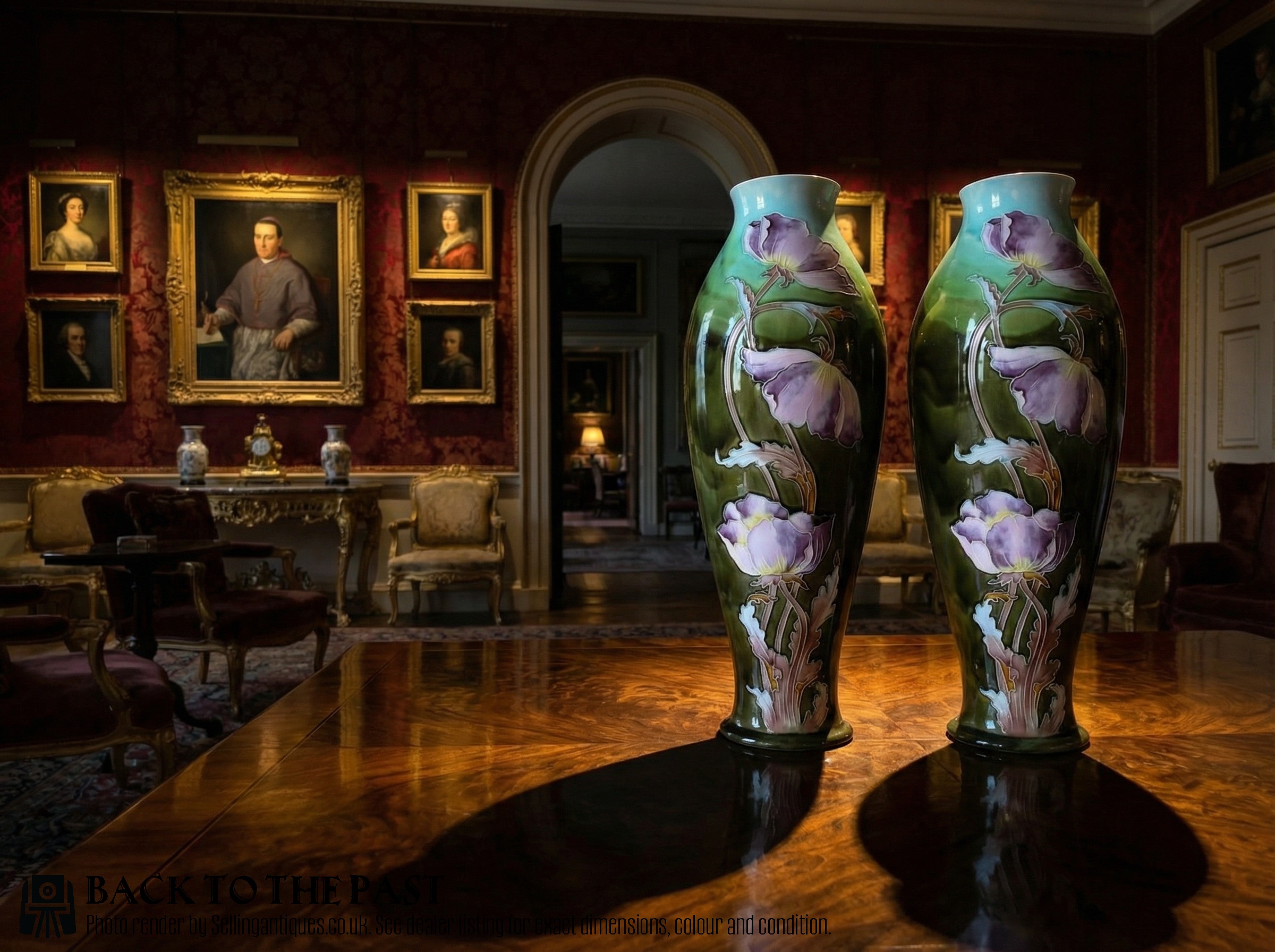
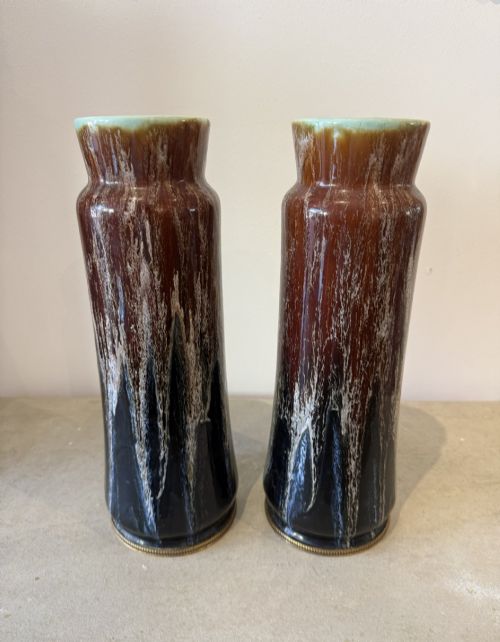
Pair of Antique French Faience "Art Nouveau" Vases, 1910
Priced at £495 from Applecross Antiques
The 2026 retail price guide for Antique Art Nouveau Vases is drawn from a proprietary archive of over 1.1 million retail prices indexed by Sellingantiques since 2003. This guide relies exclusively on their own internal data; no external sources or auction records are used.
Analysing nearly 25 years of UK antique market history alongside current retail values, the data indicates that typical UK retail prices for Antique Art Nouveau Vases range between £300 and £2,500. Entry-level prices generally fall under £300 and premium examples upwards of £2,500.
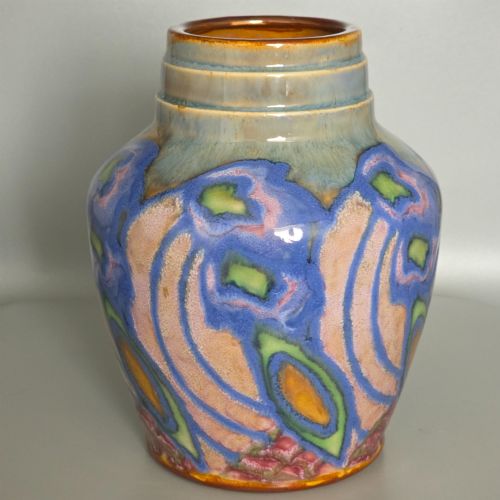
Whiplash curves define the silhouette. Long, sinuous lines mimic plant stems and vines wrapping around the body.
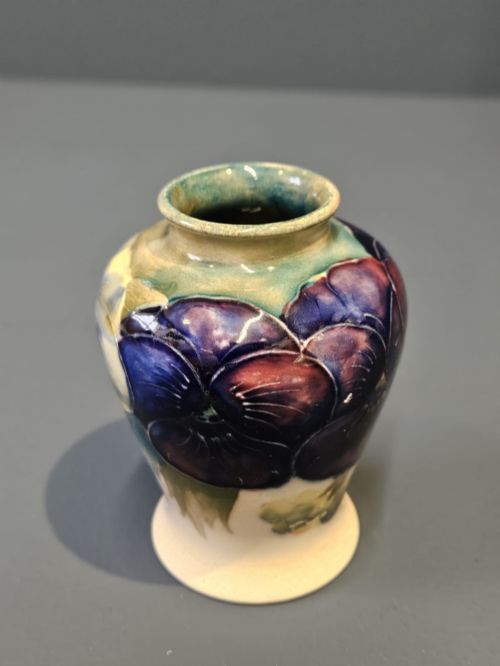
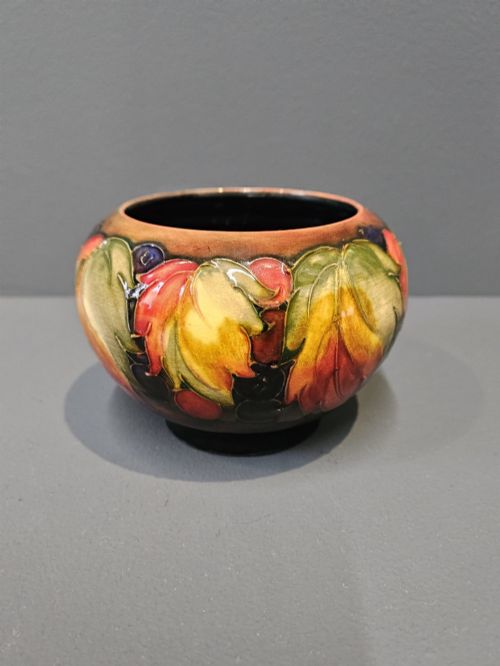
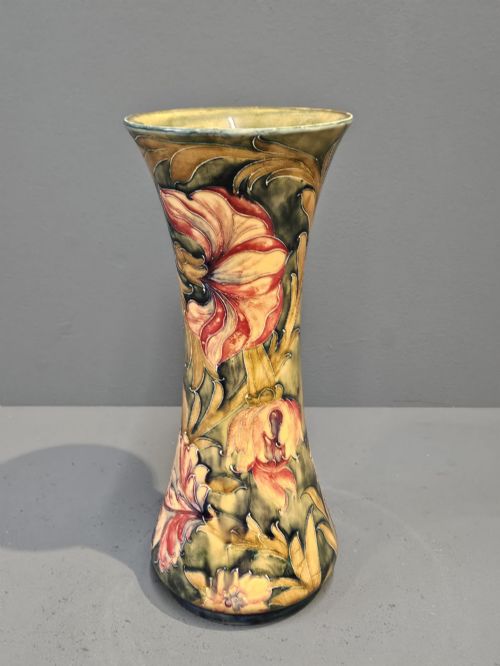
Botanical motifs dominate the decoration. Orchids, lilies, irises, and poppies are common, often shown in varying stages of decay or blooming.
Check the asymmetry. A good Antique Art Nouveau vase rarely relies on rigid, mirrored patterns across its surface.
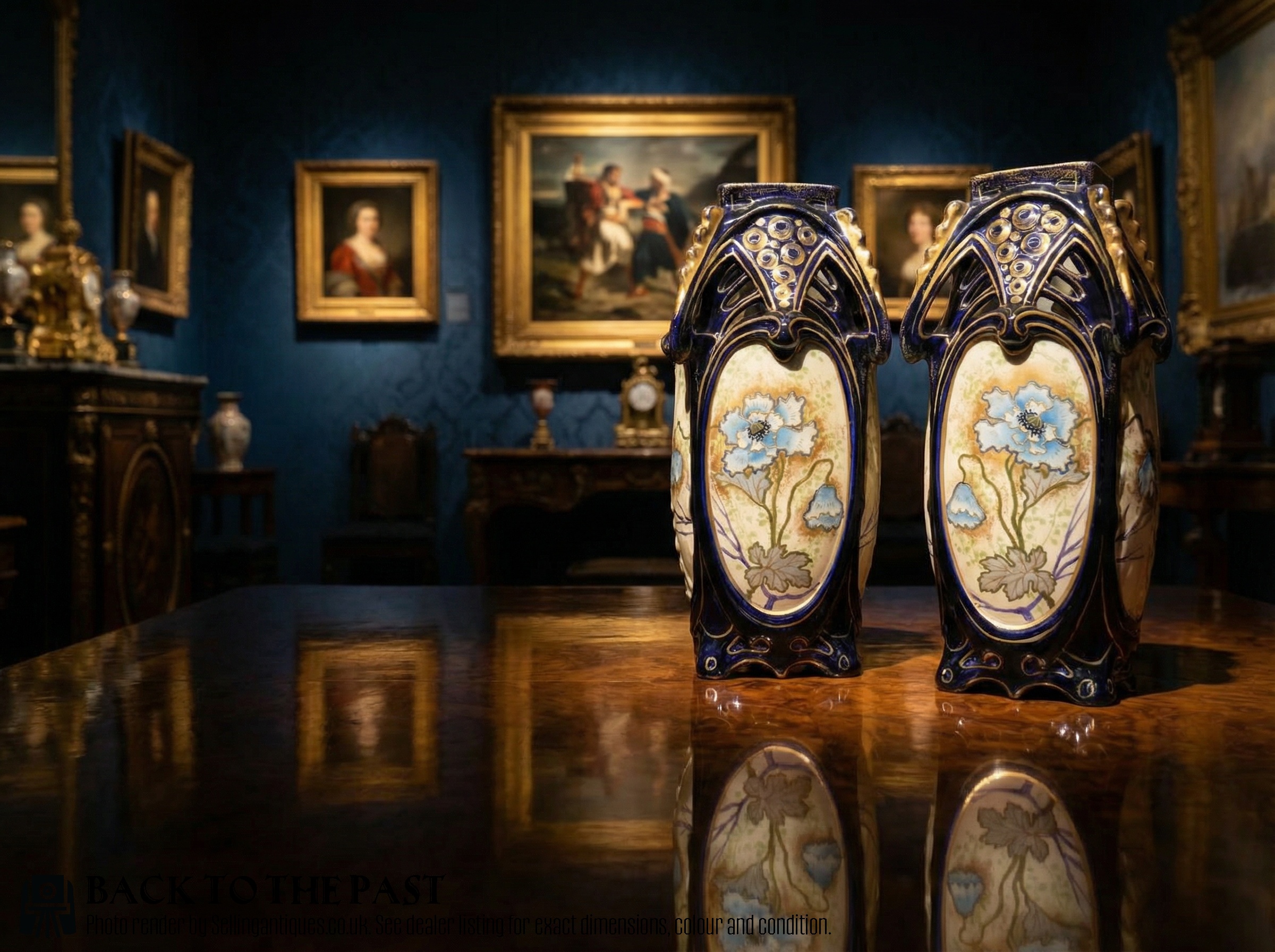
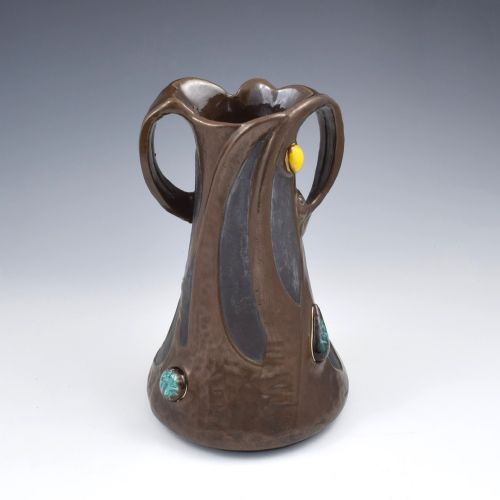
Pair of Art Nouveau Vienna Vases - Ernst Wahliss, 1900
Priced at £695 from Athey Antiques
Acid etching became a primary method for cameo work. Craftsmen painted resist on the glass before dipping the vase in hydrofluoric acid.
Hand finishing was standard even in factory settings. Workers might carve the final details of a flower petal with a grinding wheel after the acid bath.
Firing metallic lustres required strict temperature control. Kiln masters reduced the oxygen supply during the final firing to force metals to the surface of the glaze.
"Some factories employed botanists. They ensured the flowers depicted on these vases were anatomically accurate, right down to the root structures and seed pods."
"The dimpled shapes often required blowing glass into wire frames. The glass bulged between the wire sections to create complex forms impossible to achieve by free-blowing alone."
"Many glaze recipes were closely guarded secrets. Chemists mixed rare metal oxides to achieve specific shifting colours that rival factories struggled to copy."
Based on almost 25 years of Sellingantiques UK antique market data, Antique Art Nouveau Vases appeared 1222 times (out of 1,100,000 antiques) which gives it a rarity score of 78/100.
This score measures scarcity within the Sellingantiques archive only and is not a survey of the entire antiques market, so these statistics may not be indicative of the general availability of Antique Art Nouveau Vases elsewhere.
Dusting with a soft bristle brush is the safest approach. The raised carving on cameo glass catches dust easily, but aggressive scrubbing can damage the thinner layers.
If it needs a wash, use lukewarm water and a mild detergent. Avoid sudden temperature changes, as old glass is prone to thermal shock. Never put a historic piece in a dishwasher.
The metallic layer on iridescent glass is quite thin. Hard scrubbing or harsh chemical cleaners will gradually abrade that surface, dulling the colours over time.
Keep it away from abrasive sponges and acidic solutions. A simple wipe with a soft, damp cloth is usually enough to maintain the finish.
Most dealers prefer to leave pewter and bronze mounts exactly as they are. That dark, oxidised layer is called patina, and it develops naturally over a century of exposure to the air.
Polishing it aggressively will strip away the age and leave the metal looking harsh and new. It can also risk scratching the glass or ceramic body held within the mount.
If the metal is genuinely dirty, a gentle wipe with a soft cloth and a dab of mineral spirits removes surface grime without stripping the patina.
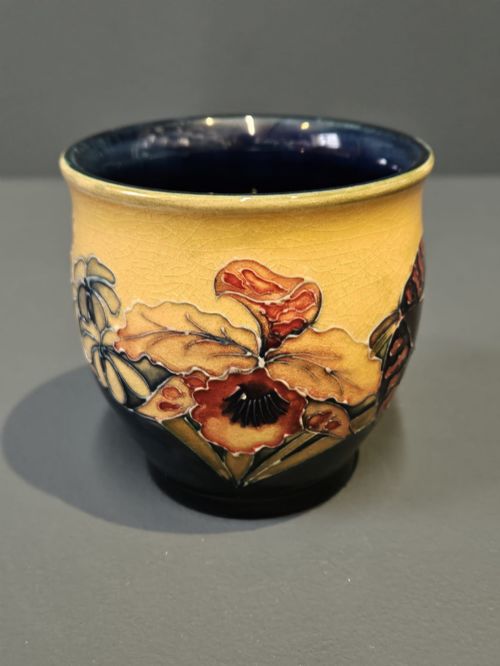
That network of fine lines is known as crazing. It happens when the glaze and the clay body expand and contract at different rates as the temperature changes over decades.
It is very common on art pottery from this period and is generally accepted as a normal sign of age. It does not affect the structural stability of the vessel.
You do need to be careful with water. Crazing allows moisture to seep under the glaze, which can sometimes stain the clay beneath if dirty water sits in the vase for long periods.
Please note: This Antique Art Nouveau Vases guide and its associated pricing data are provided for general informational purposes only. It does not constitute formal financial, investment, or appraisal advice and should not be relied upon as the sole basis for any commercial activity, purchasing, or sales decisions. Sellingantiques.co.uk accepts no liability for any actions taken in reliance on this information. Always consult with a qualified professional or independent appraiser.
