



A 2026 Guide by Sellingantiques
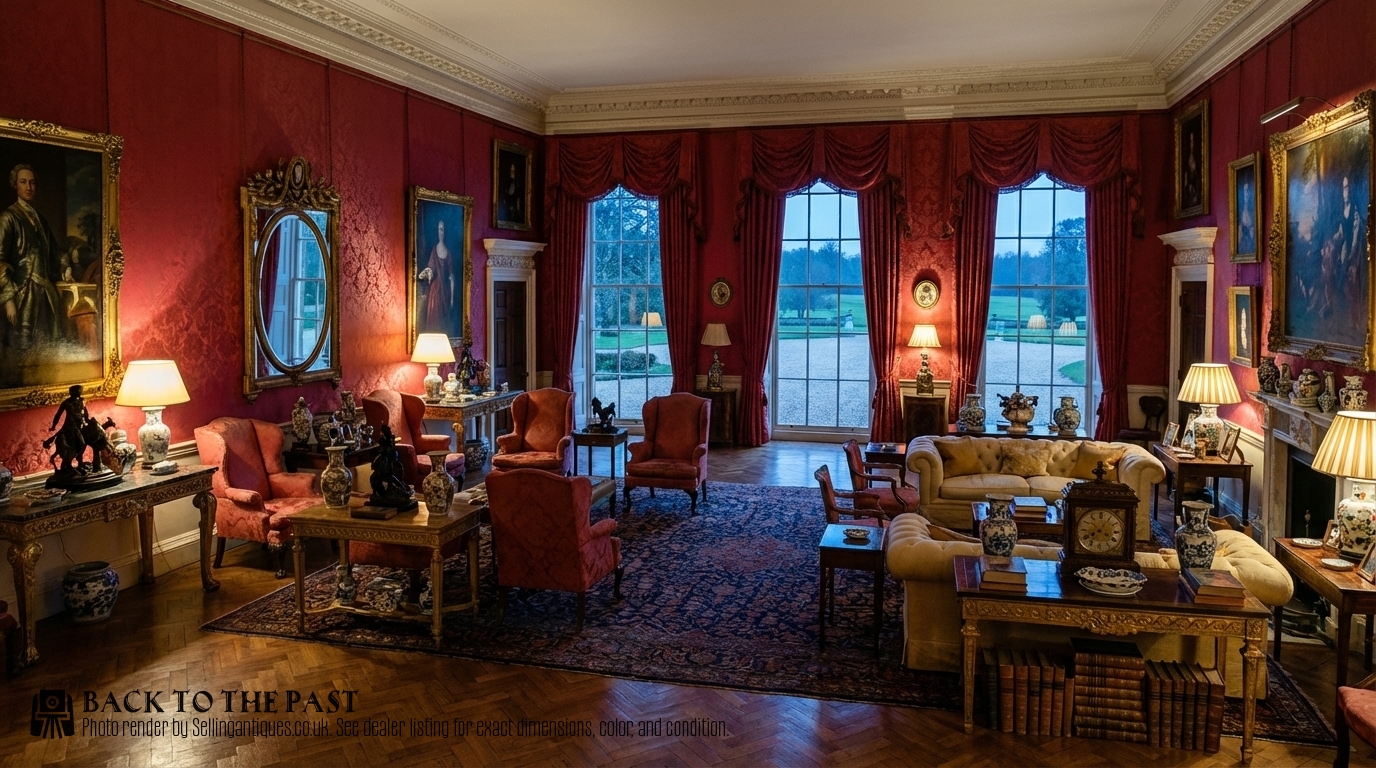
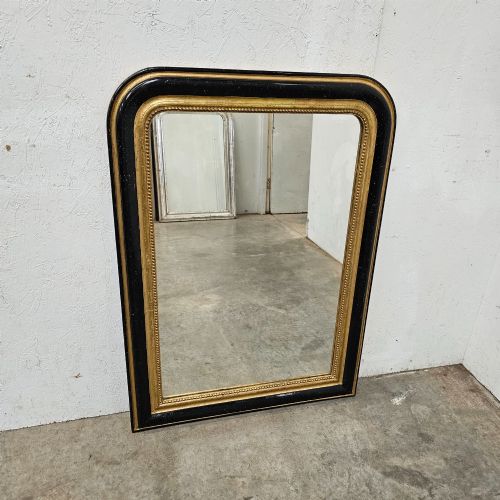
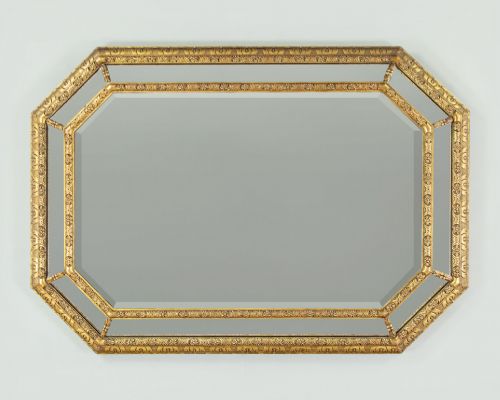
A Large 19thc French Gilt Frame Mirror, 1860
Priced at £2,450 from W.J. Gravener Antiques Ltd.
Before the eighteenth century, most glass plates were small. You won't see many large antique wall mirrors from this early period.
Look for two-part plates in taller frames. Makers often stacked separate pieces of glass to achieve the desired height when casting a single long sheet wasn't possible.
Pier glasses hung between windows in grand drawing rooms. They reflected candlelight back into the room during evening entertaining.
Cylinder blown glass gave way to cast plate. The newer method allowed for larger continuous reflective surfaces by the late eighteenth century.
John Linnell supplied elaborate carved and gilded mirrors to grand country houses during the late eighteenth century.
Thomas Chippendale produced designs for large pier glasses. His firm documented several surviving commissions featuring complex rococo carved frames.
Provincial carvers made countless frames without ever signing their work. You'll find most antique wall mirrors lack any maker's mark or label.
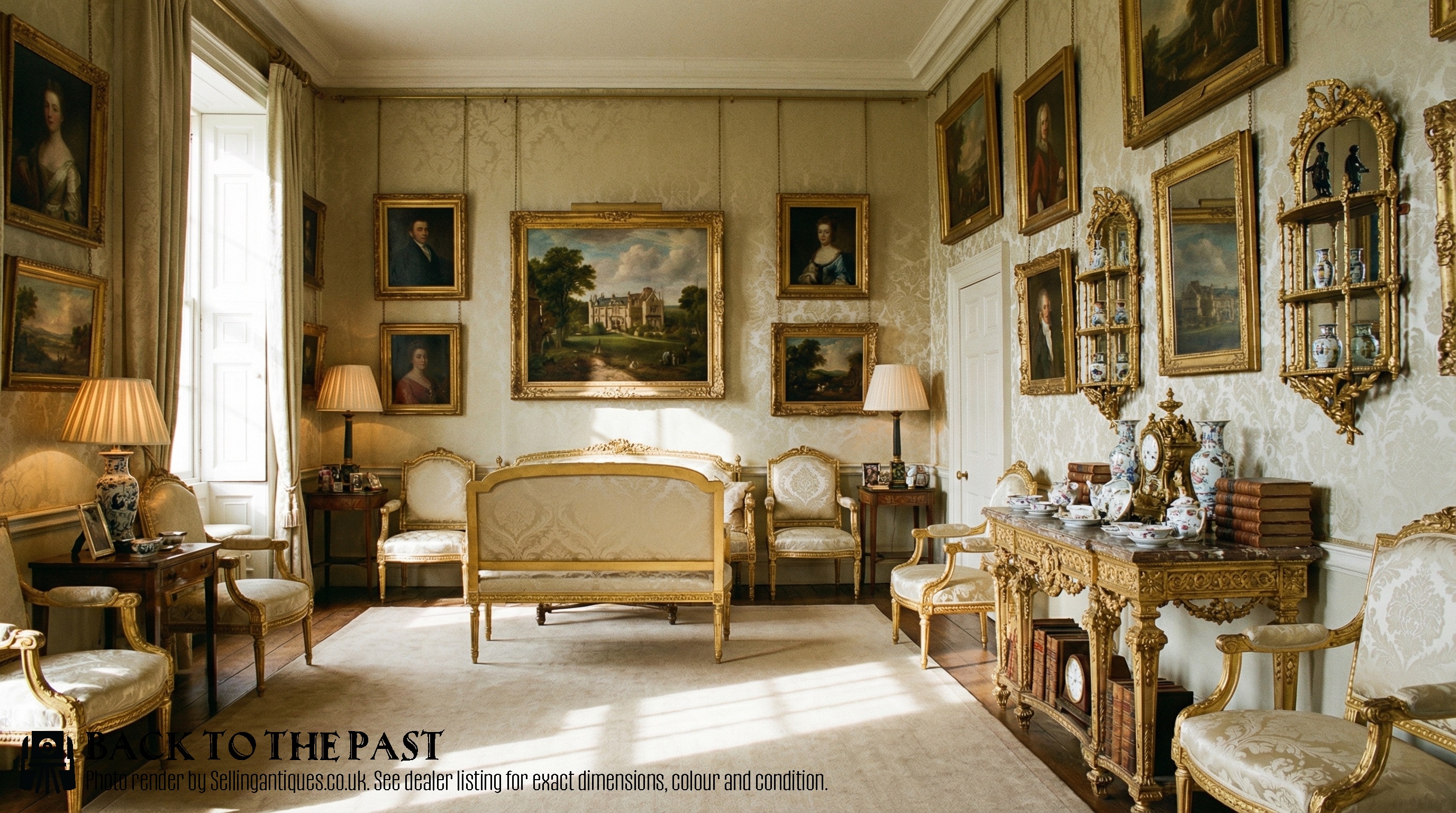
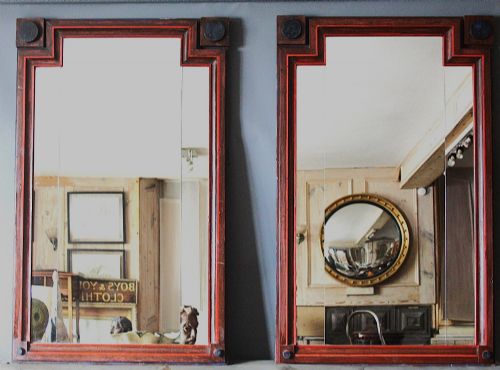
Pair of Victorian Gilt Mirrored Wall Display Shelves/brackets, 1880
Priced at £1,500 from Lorna Byskou
The 2026 retail price guide for Antique Wall Mirrors is drawn from a proprietary archive of over 1.1 million retail prices indexed by Sellingantiques since 2003. This guide relies exclusively on their own internal data; no external sources or auction records are used.
Analysing nearly 25 years of UK antique market history alongside current retail values, the data indicates that typical UK retail prices for Antique Wall Mirrors range between £400 and £2,700. Entry-level prices generally fall under £400 and premium examples upwards of £2,700.
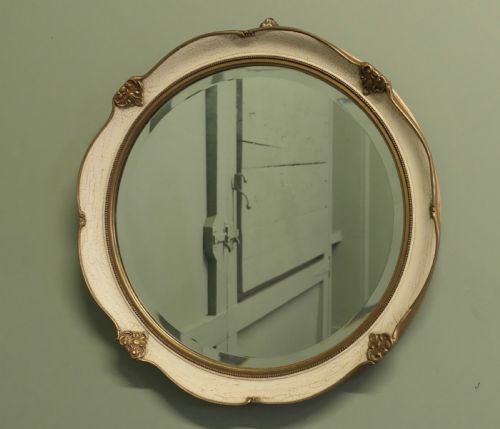
Bevelled edges frequently appear on earlier glass. The grinding was done by hand and follows the irregular outline of the frame.
Crestings sit at the very top of the frame. Some feature carved eagles or pierced scrolling foliage.
Sconces sometimes attach to the bottom edge. Brass arms swing out to hold candles directly in front of the mirror plate.
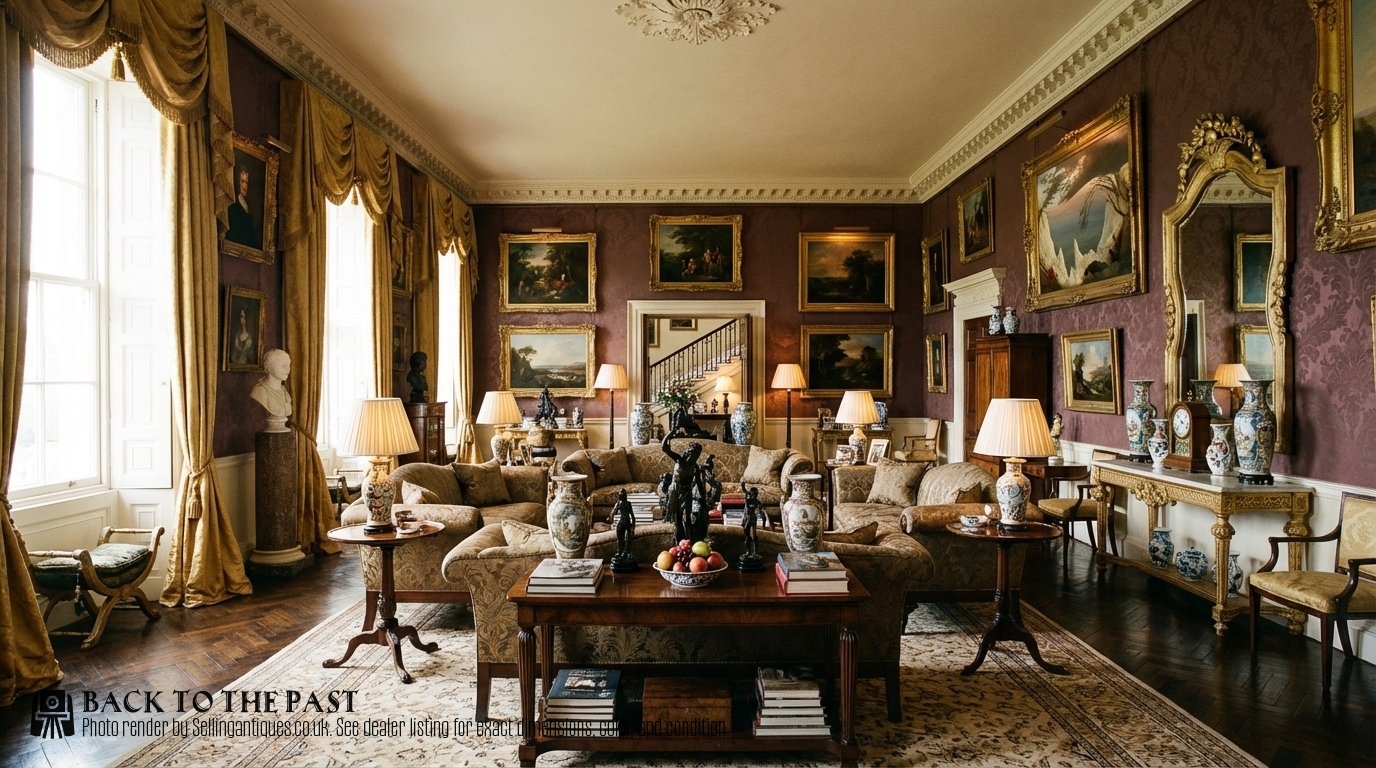
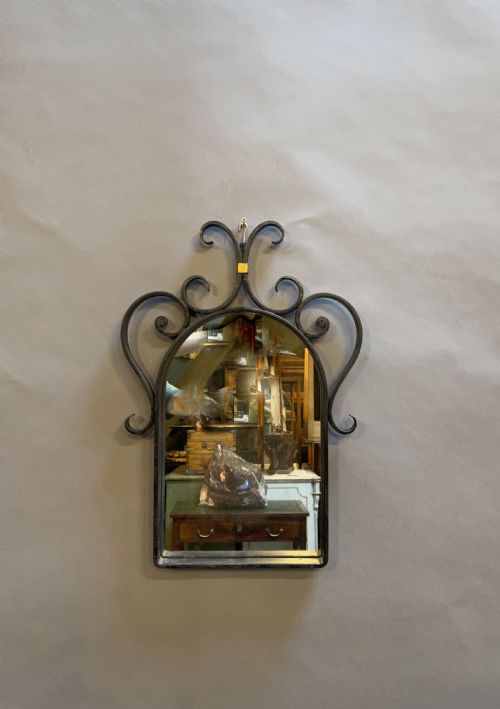
Dramatic Gilt-wood French Wall Mirror, 19th Century
Priced at £780 from Elmgarden
Frame makers relied on mortise and tenon joints for the main structural carcase. This hidden framework supported the heavy applied decoration.
Water gilding required applying whisper-thin sheets of gold leaf over damp clay. Craftsmen then burnished specific raised areas with an agate stone.
Glass grinding was a brutal manual process. Workers rubbed coarse sand and water over the cast glass plates until the surface became smooth enough for polishing.
"Heavy plates were sometimes tinted slightly blue or grey by the impurities in the sand used during the original glass melt."
"Frame carvers deliberately left the backs of their work rough. They knew you'd never inspect the side facing the masonry."
"Water gilding can look almost like solid metal. The burnished gold leaf reflects the room just as well as the actual mirror plate."
Based on almost 25 years of Sellingantiques UK antique market data, Antique Wall Mirrors appeared 33089 times (out of 1,100,000 antiques) which gives it a rarity score of 1/100.
This score measures scarcity within the Sellingantiques archive only and is not a survey of the entire antiques market, so these statistics may not be indicative of the general availability of Antique Wall Mirrors elsewhere.
Do not use water or liquid polishes on an antique gilded frame. The moisture dissolves the rabbit skin glue holding the gesso together, causing the gold leaf to lift and flake off.
Instead, take a soft artist's brush and lightly dust the crevices. If the dirt is stubborn, leave it alone. A layer of dust is preferable to a stripped wooden carcase.
Those cloudy spots sit behind the glass. They form when the original tin and mercury amalgam breaks down and separates from the back of the plate.
You can't polish them away from the front. Removing the backboard to resilver the mirror strips away the history of the piece. Most buyers prefer antique wall mirrors with some atmospheric spotting.
Original pine backboards hold significant historical evidence. They often retain early labels or hand-forged nails.
Keep them in place unless they're suffering from severe woodworm. If they must come off to secure a loose plate, save the original boards and fix them back over the new support.
Clear glass in an eighteenth-century frame generally indicates a later replacement plate. Victorian or Edwardian owners often discarded hazy original plates because they wanted newer cast glass.
While this changes the character of the piece, it makes the item more practical for daily use. Some people want an unmarked reflection for dressing.
Others want the dark look of early mercury glass. It depends on what you need from the antique.
Please note: This Antique Wall Mirrors guide and its associated pricing data are provided for general informational purposes only. It does not constitute formal financial, investment, or appraisal advice and should not be relied upon as the sole basis for any commercial activity, purchasing, or sales decisions. Sellingantiques.co.uk accepts no liability for any actions taken in reliance on this information. Always consult with a qualified professional or independent appraiser.
