




A 2026 Guide by Sellingantiques
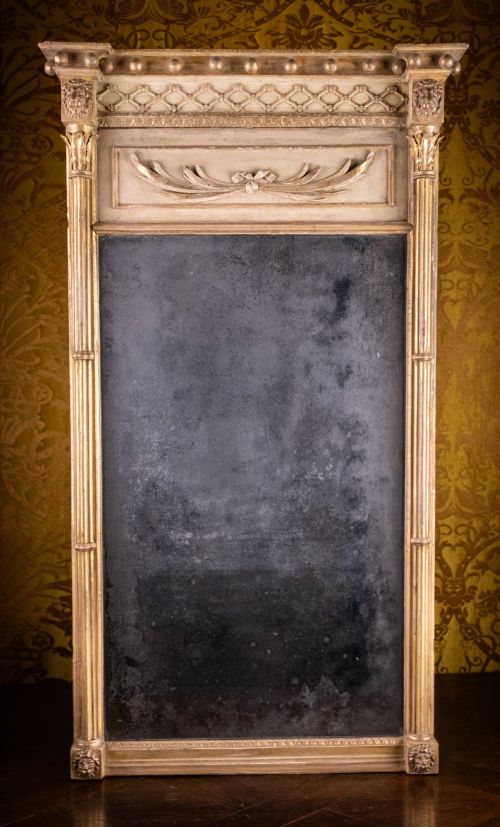
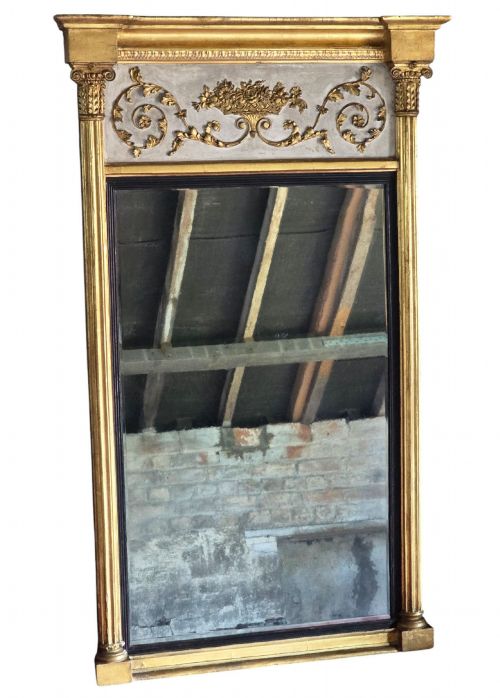
Large-scale Early C19th Regency Period Carved Gilt-wood Pier Mirror ., Regency
Priced at £2,200 from M Lees and Sons
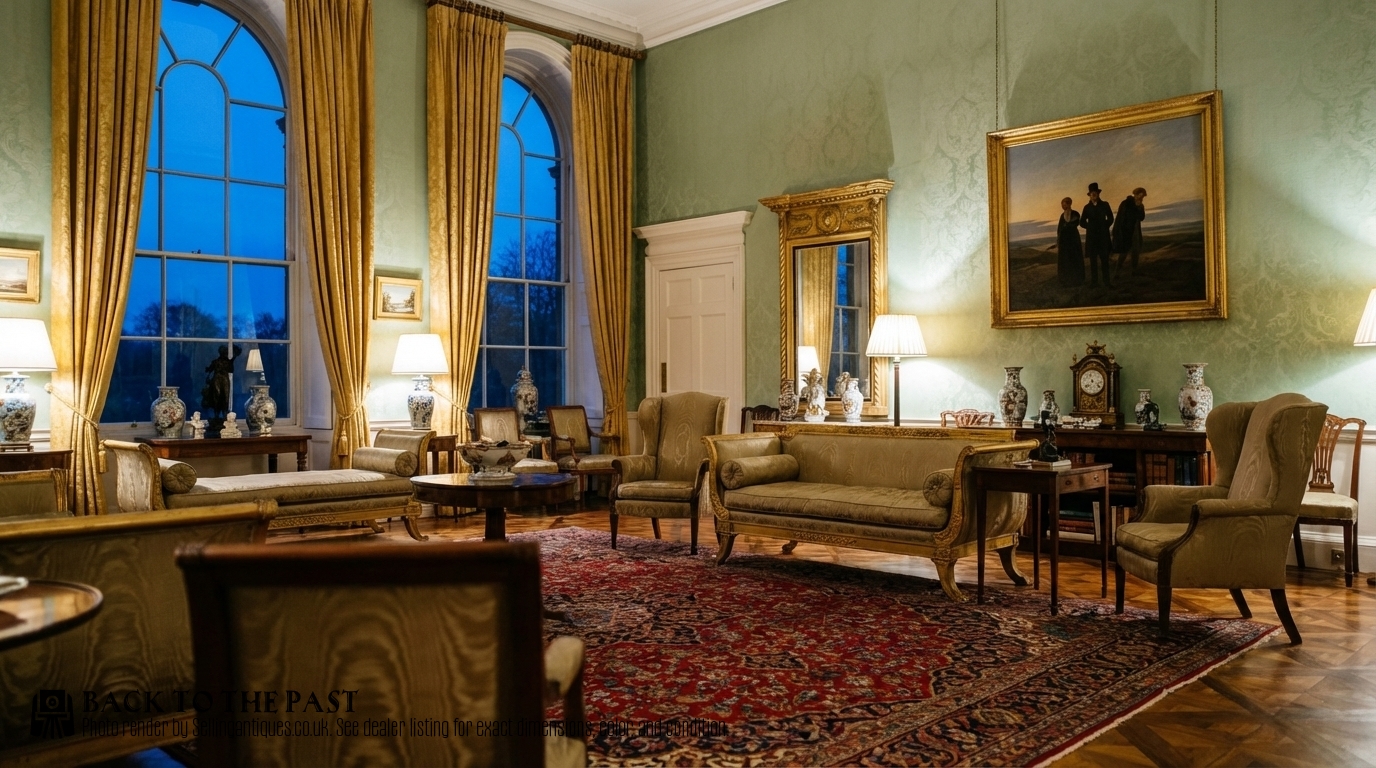
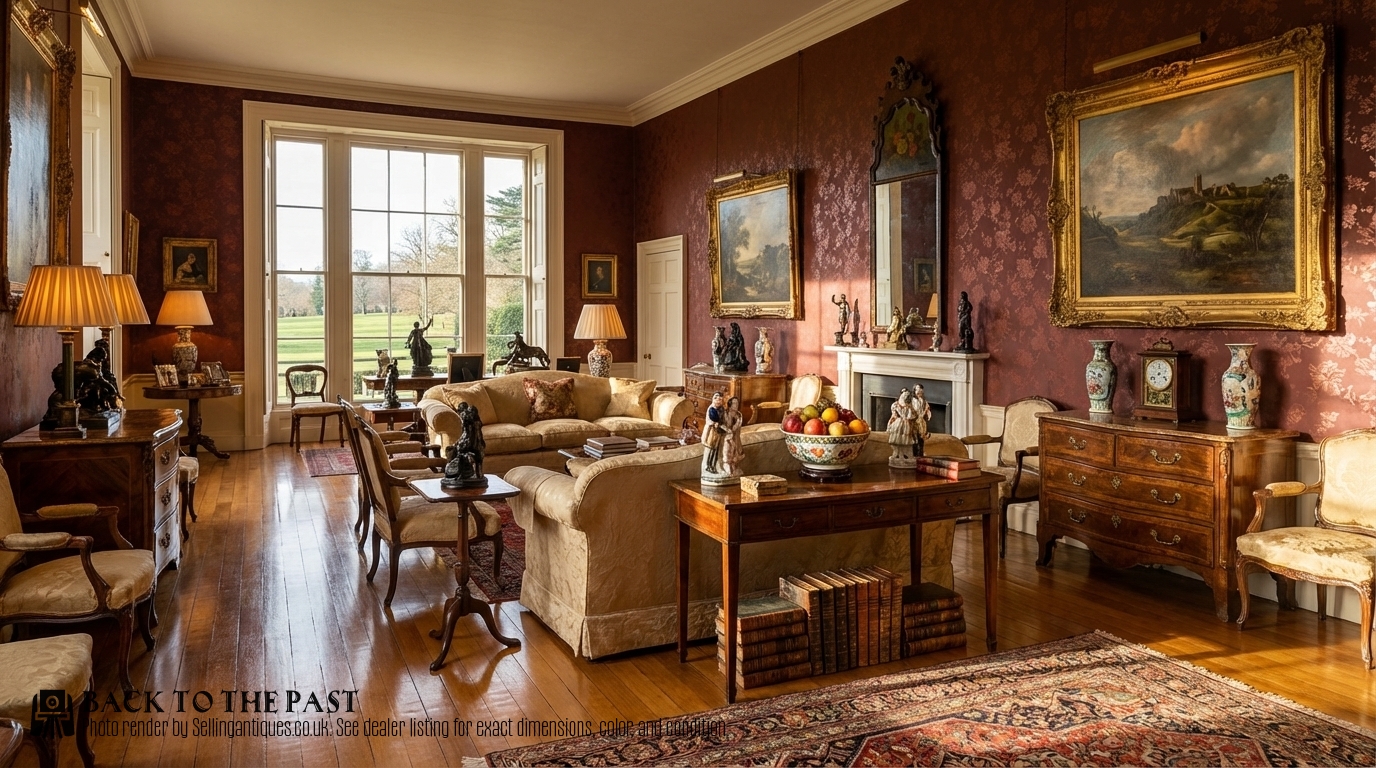
Architects in the late seventeenth century began designing rooms with tall sash windows placed symmetrically along outer walls.
Hanging antique pier mirrors on the brickwork between these windows brought daylight into the centre of a space.
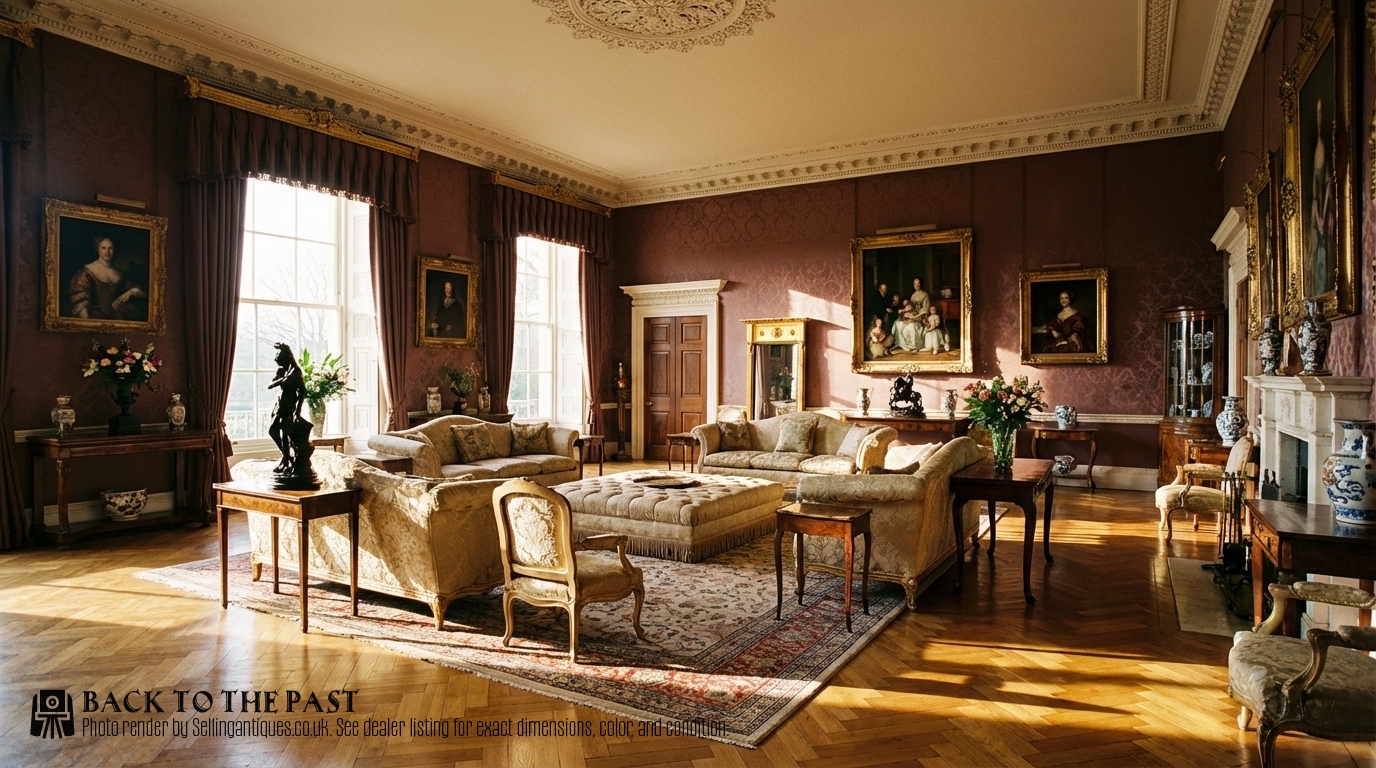
Console tables or small commodes frequently sat directly underneath them to complete the architectural arrangement.
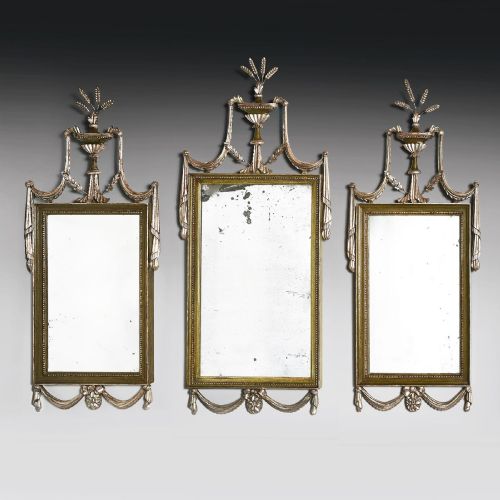
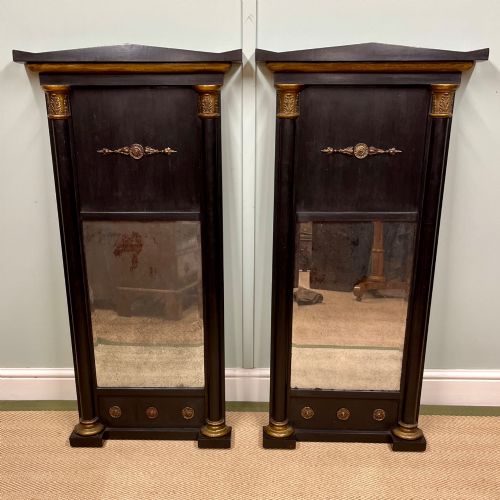
Look for matching pairs, though surviving sets from grand houses are rare now.
Thomas Chippendale supplied documented pier glasses to patrons like the Earl of Dumfries.
Elaborate carved frames designed by John Linnell during the second half of the eighteenth century.
Much of the surviving trade involved anonymous carvers and gilders clustered around St Martin's Lane in London.
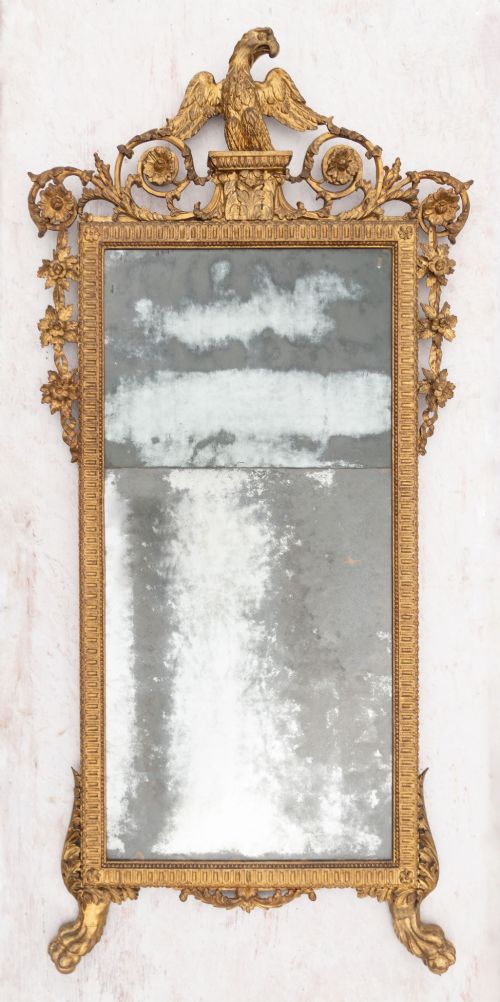
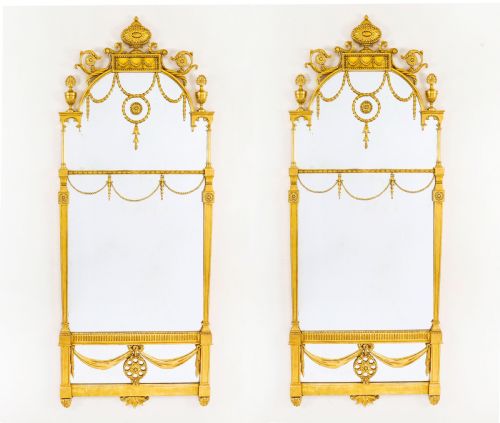
Regency Gilt Wood Egyptian Water Gilded Pier Console Wall Cheval Mirror, Regency
Priced at £2,250 from CJ Antiques
The 2026 retail price guide for Antique Pier Mirrors is drawn from a proprietary archive of over 1.1 million retail prices indexed by Sellingantiques since 2003. This guide relies exclusively on their own internal data; no external sources or auction records are used.
Analysing nearly 25 years of UK antique market history alongside current retail values, the data indicates that typical UK retail prices for Antique Pier Mirrors range between £700 and £5,500. Entry-level prices generally fall under £700 and premium examples upwards of £5,500.
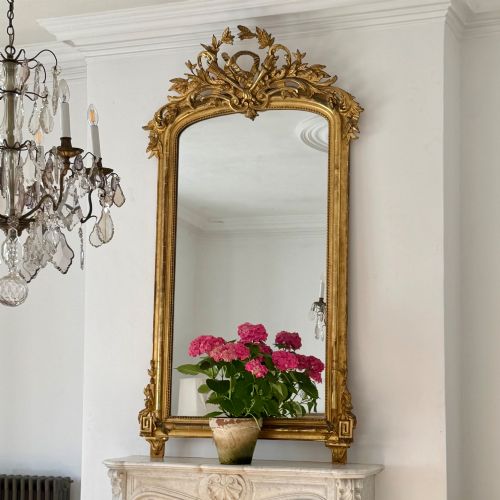
Tall and narrow proportions dictate the form, matching the vertical space of window architecture.
Two-part glass plates turning up often in seventeenth and early eighteenth-century frames.
Usually featuring carved shells, ho-ho birds or classical urns projecting above the main structure.
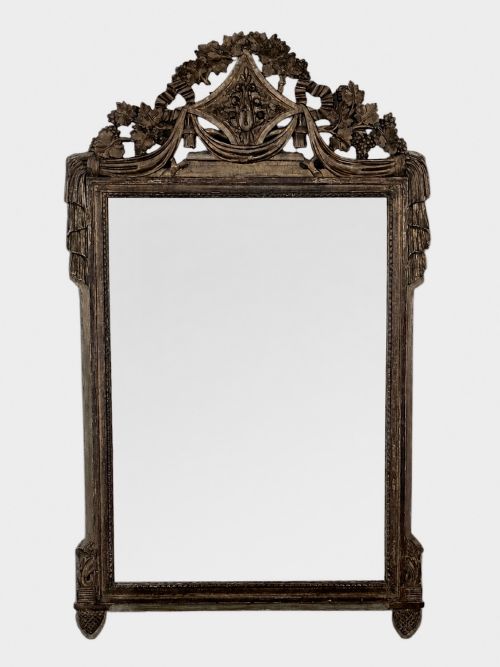
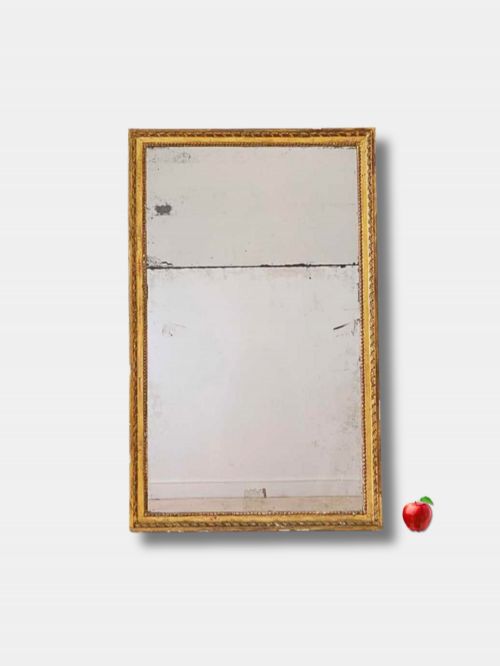
Continental Dutch 18th Century Walnut Painted Pier Mirror, 18th Century
Priced at £2,250 from Baggott & Co.
Early frames rely on flat walnut veneers applied over oak or pine carcases.
Complex rococo scrolls cut directly out of thick blocks of soft pine.
Wire sometimes reinforces the most delicate projecting leaves and bird wings.
"Candle arms occasionally attach to the lower sections to multiply the light moving around a room."
"More value in the glass than the elaborate carved wooden frames surrounding it."
"Some grand houses hung matching designs across opposite walls to create an endless tunnel reflection."
Based on almost 25 years of Sellingantiques UK antique market data, Antique Pier Mirrors appeared 4842 times (out of 1,100,000 antiques) which gives it a rarity score of 38/100.
This score measures scarcity within the Sellingantiques archive only and is not a survey of the entire antiques market, so these statistics may not be indicative of the general availability of Antique Pier Mirrors elsewhere.
A console table makes the traditional pairing. They were designed to sit flat against the skirting board beneath the glass.
You also see low cabinets and pier tables used. The trick is finding a piece that matches the width of the frame above it.
Specialists can strip and replace the silvering. It requires harsh chemicals to remove the degraded backing before laying a new reflective surface down.
Most dealers advise against it. Leave the original plates alone if you can see your face in them.
That horizontal line marks where two separate plates of glass meet. Glassmakers in the late seventeenth and early eighteenth centuries struggled to cast single tall sheets.
Framemakers solved this by overlapping a smaller top plate over a larger bottom plate. They often covered the join with a narrow wooden moulding or left it visible.
Finding a two-part plate on an early antique pier mirror is a standard structural detail. It points to early manufacturing limits rather than later damage.
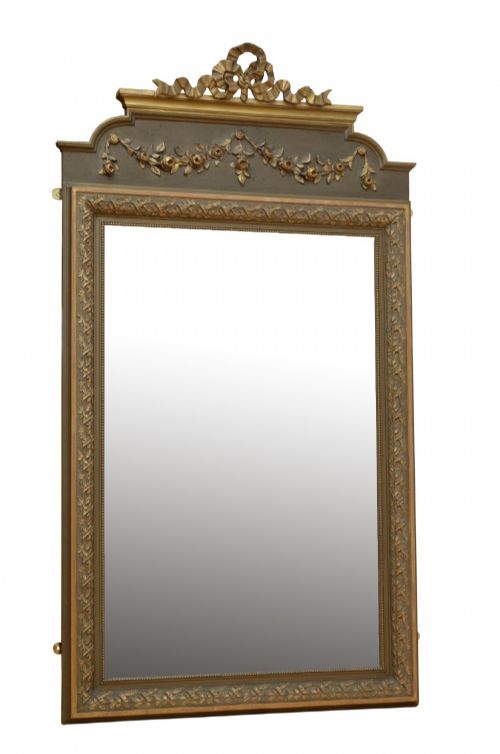
Later generations often painted over old gilded frames when the gold leaf became tarnished or unfashionable. A flat white or grey coat of paint provided a quick update for a changing interior.
The dull gold you see is the original gilding layer beneath the paint. It sits on top of the gesso and bole.
Removing later paint to reveal the gold takes time and a steady hand. Many buyers prefer to leave the worn painted finish exactly as it is.
Please note: This Antique Pier Mirrors guide and its associated pricing data are provided for general informational purposes only. It does not constitute formal financial, investment, or appraisal advice and should not be relied upon as the sole basis for any commercial activity, purchasing, or sales decisions. Sellingantiques.co.uk accepts no liability for any actions taken in reliance on this information. Always consult with a qualified professional or independent appraiser.
