


A 2026 Guide by Sellingantiques
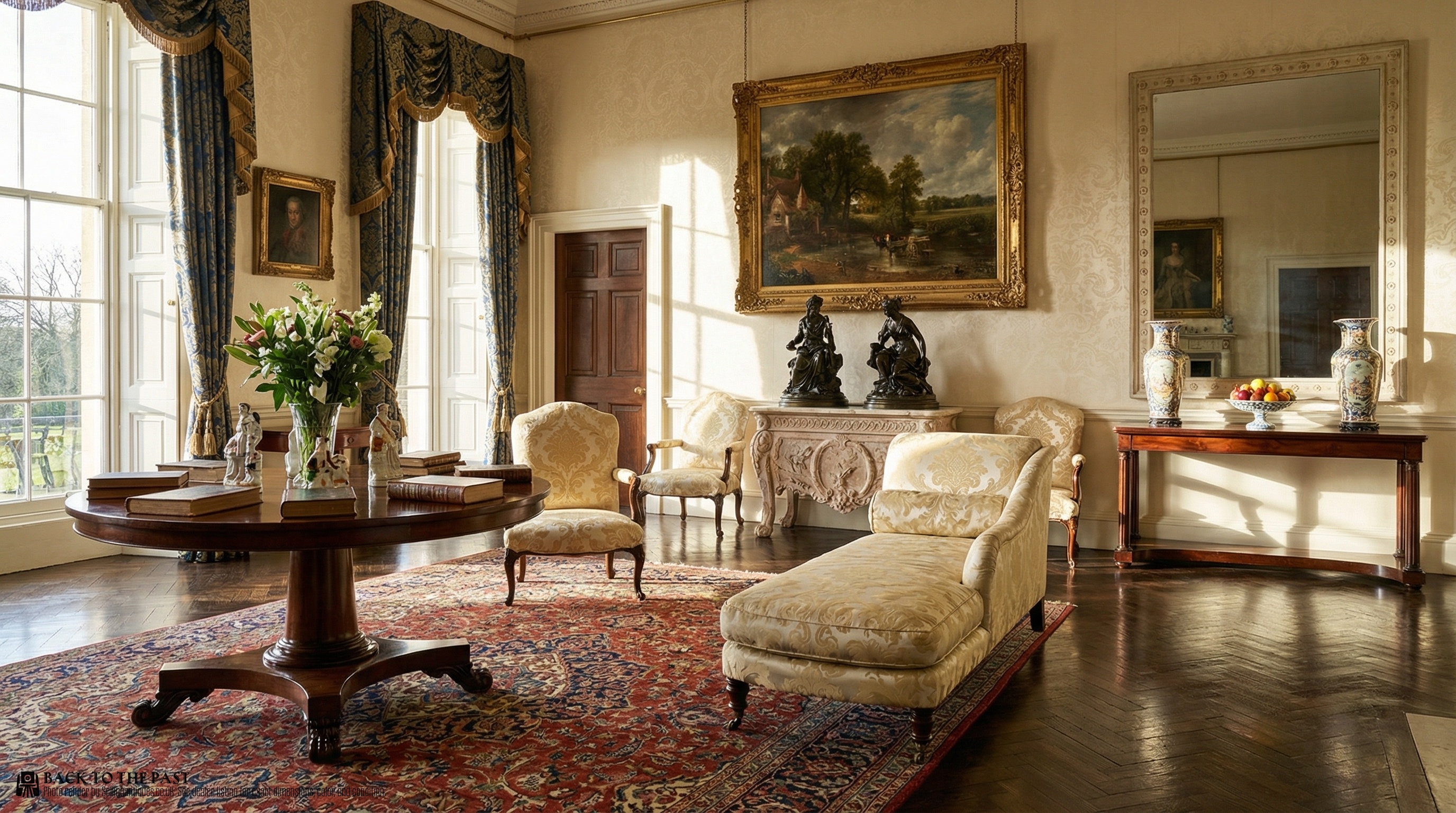
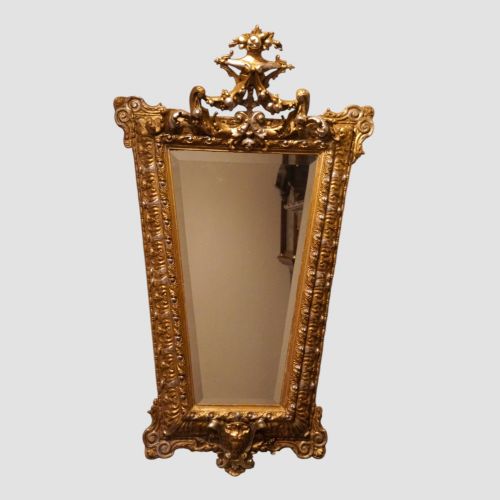
Antique Very Large Quality Painted Wall Mirror C1920, 1920
Priced at £1,886 from Prior and Willis
Advances in glassmaking during the late seventeenth century allowed plates to grow in size. Foundries in France led the way with cast glass techniques.
Look for early eighteenth-century examples featuring two separate plates joined together. Making one massive sheet remained difficult and prone to breaking.
Antique large mirrors became central to drawing room architecture. Builders often designed chimney breasts specifically to hold a pier glass.
Tall mirrors hung between the windows. They bounced daylight back into the room and illuminated dark corners before gas lighting arrived.
John Gumley supplied tall pier glasses to the royal palaces in the early eighteenth century. His firm mastered the new cast glass technology.
Thomas Chippendale produced complex rococo frames. His surviving accounts detail supplying heavy carved glasses to houses like Nostell Priory.
The regional trade thrived alongside London workshops. Local carvers often bought glass plates from the capital and built frames to suit provincial clients.
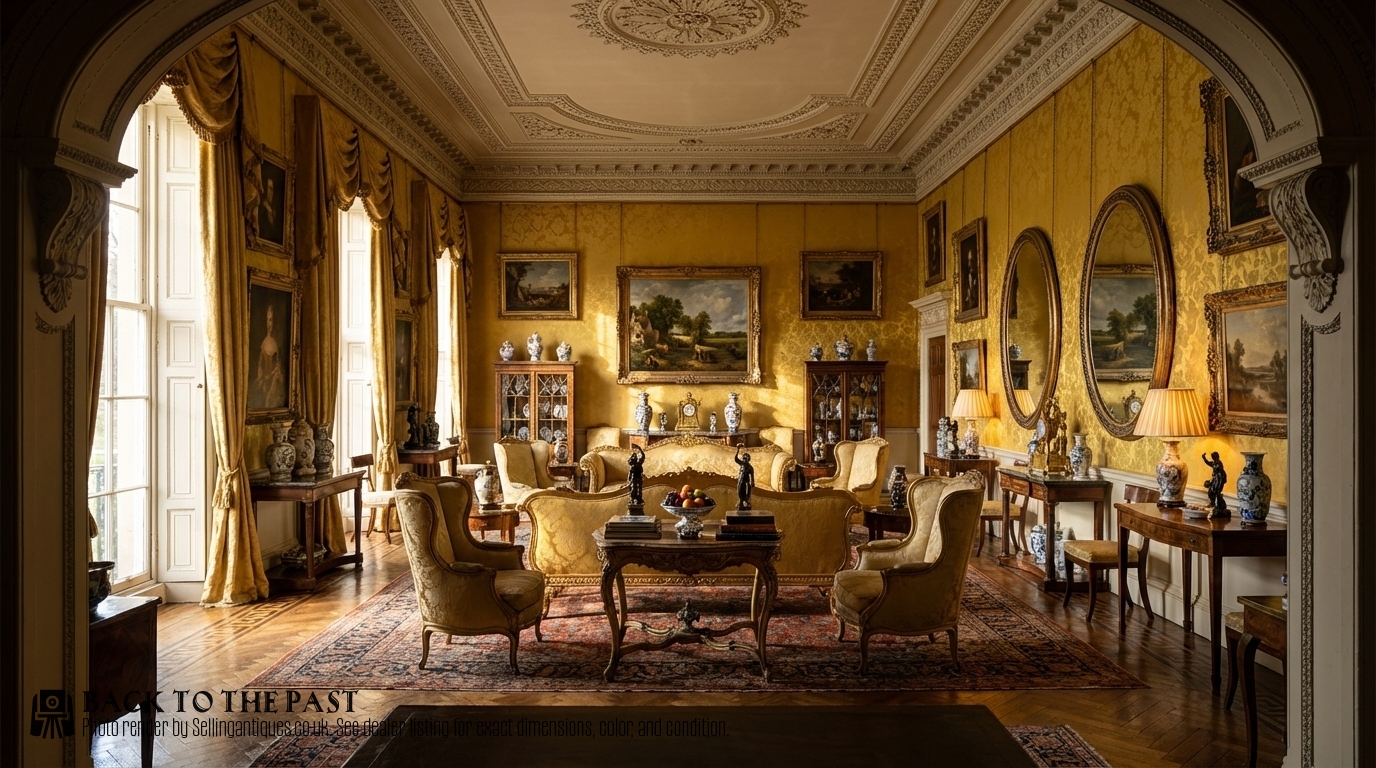
A Pair of 6’6” 19th Century Country House Oval Mirrors, 19th Century
Priced at £24,000 from Blank Canvas Antiques
The 2026 retail price guide for Antique Large Mirrors is drawn from a proprietary archive of over 1.1 million retail prices indexed by Sellingantiques since 2003. This guide relies exclusively on their own internal data; no external sources or auction records are used.
Analysing nearly 25 years of UK antique market history alongside current retail values, the data indicates that typical UK retail prices for Antique Large Mirrors range between £800 and £2,800. Entry-level prices generally fall under £800 and premium examples upwards of £2,800.
Bevelled edges often frame early plates. Hand grinding produced a shallow angle following the irregular shape of the glass.
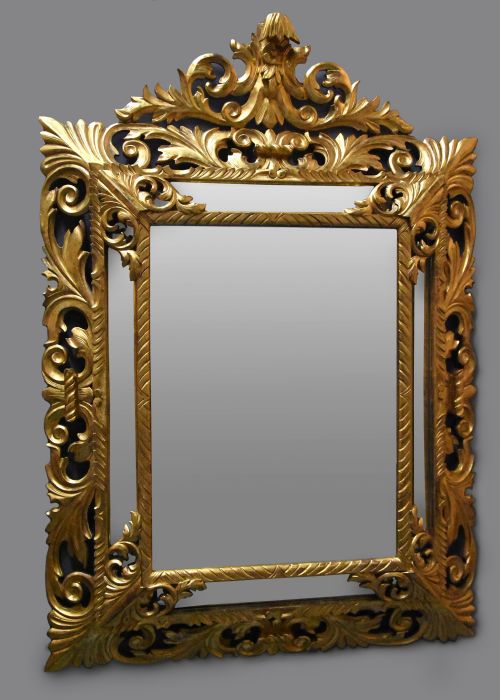
Elaborate crestings. Carved shells, eagles or urns draw the eye upward and balance the heavy glass below.
Candle arms sometimes protrude from the lower frame. Brass sconces amplified the glow of wax candles across the room.
Casting glass on flat copper tables allowed for much larger sheets than the older blown cylinder method. Polishing these heavy plates took weeks of manual labour.
Frame makers carved softwoods into deep relief. Pine proved much easier to work into intricate scrolls than dense mahogany or oak.
Build up layers of rabbit skin glue and whiting. Craftsmen then burnished the gold leaf with an agate stone to catch the light.
"Many tall examples were designed to tilt slightly forward off the wall. By leaning into the room, the glass captured the activity on the floor rather than just reflecting the empty opposite ceiling."
"Hidden metal armatures. Some frames incorporate subtle iron wire inside the plasterwork to give unexpected strength to delicate outstretched carved birds."
"Thick pine backboards served an acoustic purpose. These heavy timber planks absorbed sound and reduced echoes in sparse galleries and large halls."
Based on almost 25 years of Sellingantiques UK antique market data, Antique Large Mirrors appeared 10162 times (out of 1,100,000 antiques) which gives it a rarity score of 13/100.
This score measures scarcity within the Sellingantiques archive only and is not a survey of the entire antiques market, so these statistics may not be indicative of the general availability of Antique Large Mirrors elsewhere.
Finding the masonry or solid timber studs behind your plaster is essential. Heavy glass and dense wood frames pull standard hollow-wall fixings straight out.
Use heavy-duty strap brackets or interlocking French cleats. Don't rely on an old cord. Rest the base on a solid dado rail if your walls allow it.
An overmantel mirror fills that void well. Builders often proportioned chimney breasts to hold glass above the shelf.
Keep the frame narrower than the mantelpiece itself. The glass reflects the room without crowding the edges of the chimney breast.
Moisture interacts with the old silvering. The cloudiness sits behind the glass.
Surface cleaners do not shift it. Leave the foxing alone.
Constant steam takes a toll on traditional water gilding. The rabbit skin glue holding the gesso base together softens when exposed to high humidity.
Once the glue softens, the plaster swells. The gold leaf begins to flake away from the wood. Oil-gilded frames resist damp a little better, but placing a period piece in a wet room remains risky.
Please note: This Antique Large Mirrors guide and its associated pricing data are provided for general informational purposes only. It does not constitute formal financial, investment, or appraisal advice and should not be relied upon as the sole basis for any commercial activity, purchasing, or sales decisions. Sellingantiques.co.uk accepts no liability for any actions taken in reliance on this information. Always consult with a qualified professional or independent appraiser.
