
A 2026 Guide by Sellingantiques
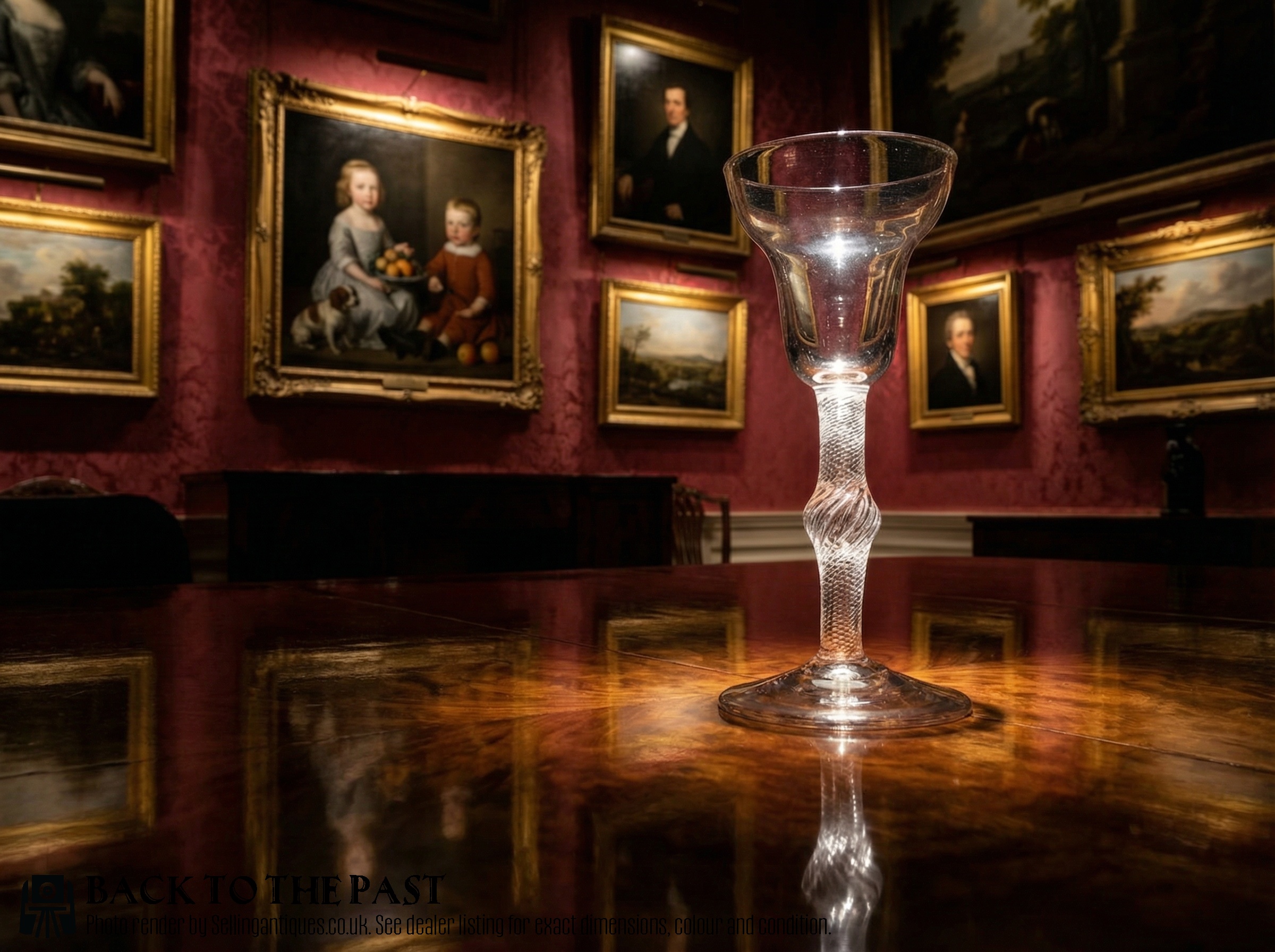
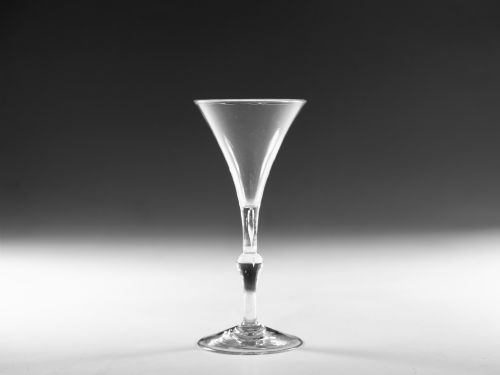
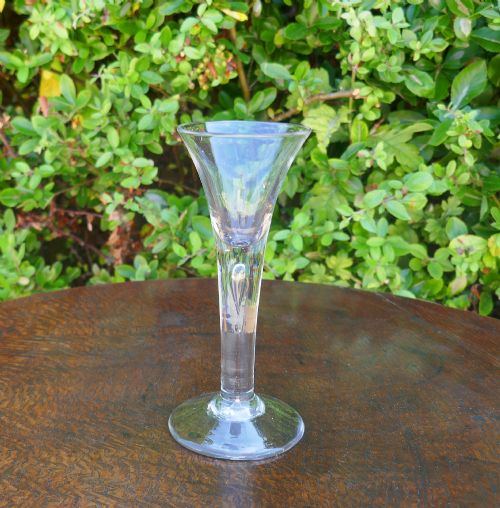
Antique Glass - Multi Spiral Air Twist Wine Glass English C1755, 18th Century
Priced at £365 from Marris Antiques
Demand for matching drinking vessels surged among the merchant classes throughout the eighteenth century.
Check the stem weight. The glass excise acts taxed production by weight, forcing glasshouses to adapt and produce much lighter forms.
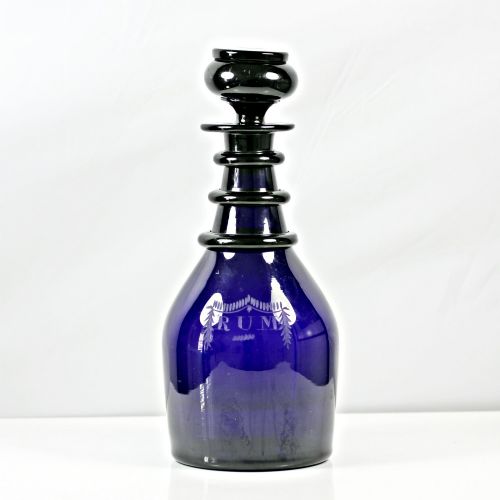
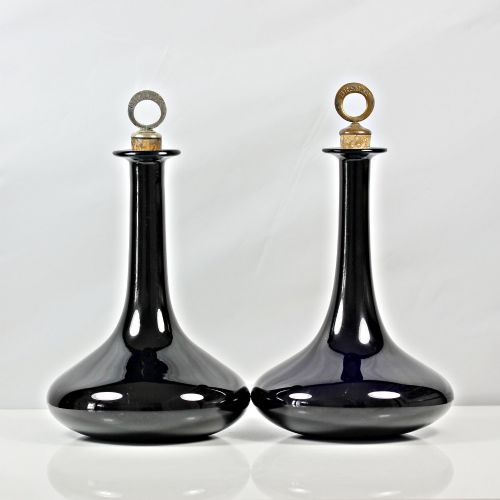
Serving practices shifted slowly. Matching sets of wine glasses and heavy decanters became the standard for late eighteenth-century dining tables.
Bowl shapes dictate the drink. Short cordials don't look anything like tall ales.
Documented makers remain rare for early antique Georgian glass. Almost all glasshouses sent stock out without signatures or factory marks.
William Beilby painted intricate enamel coats of arms and rural scenes onto Newcastle drinking glasses. He worked during the 1760s with his sister Mary.
Apsley Pellatt patented cameo incrustations in 1819, sealing ceramic portraits inside solid clear glass.
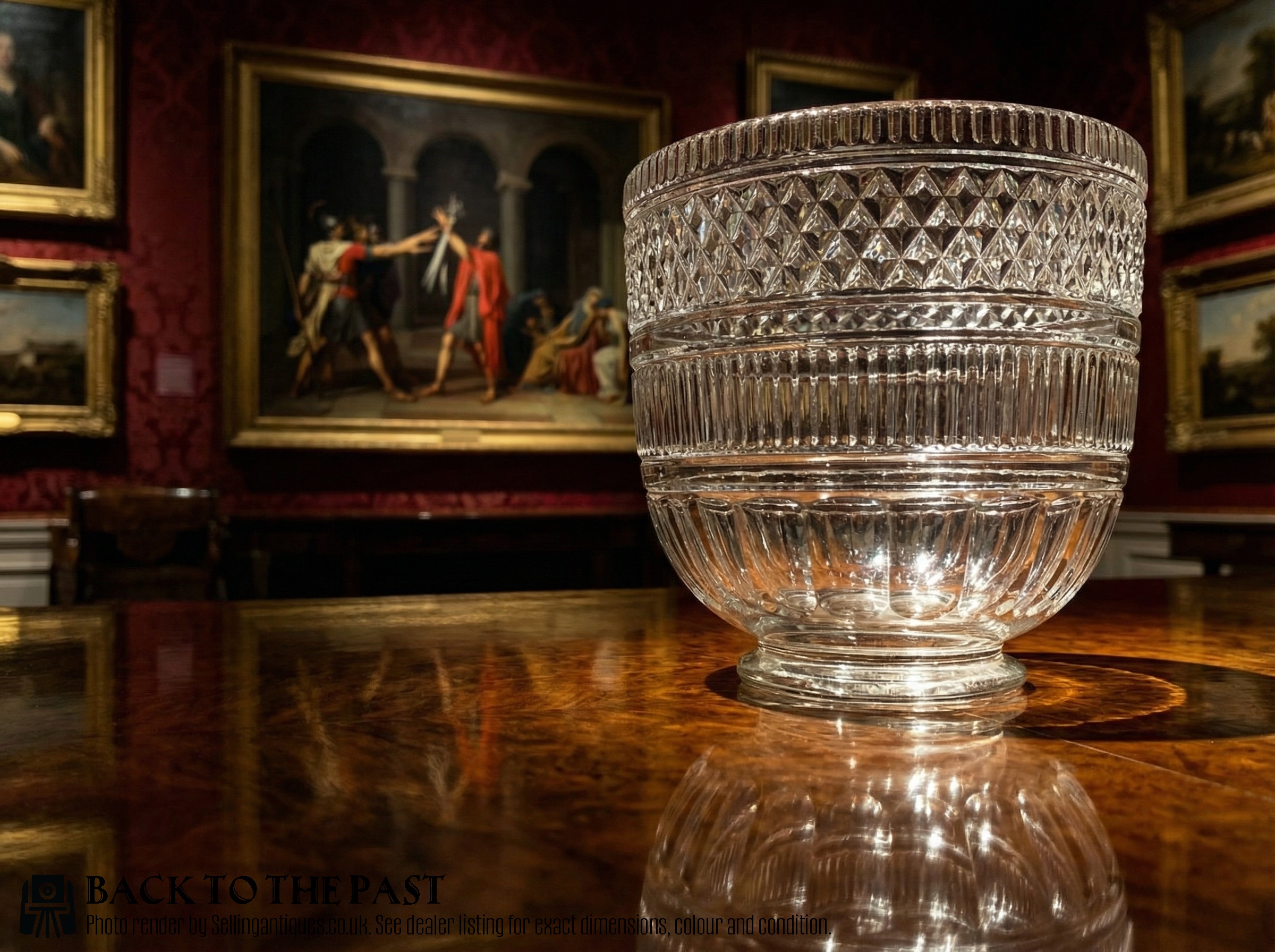
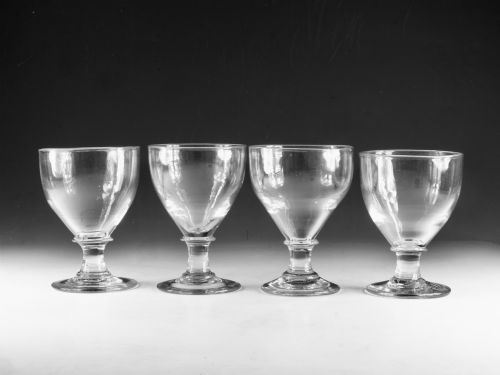
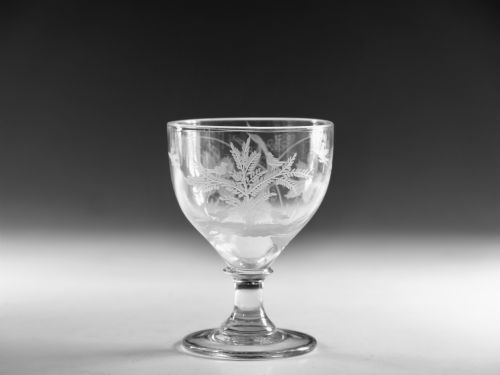
Large Antique Georgian Cut Glass Tea Mixing Bowl – Circa 1800, 1800
Priced at £175 from Kingsdown Antiques
The 2026 retail price guide for Antique Georgian Glass is drawn from a proprietary archive of over 1.1 million retail prices indexed by Sellingantiques since 2003. This guide relies exclusively on their own internal data; no external sources or auction records are used.
Analysing nearly 25 years of UK antique market history alongside current retail values, the data indicates that typical UK retail prices for Antique Georgian Glass range between £200 and £1,500. Entry-level prices generally fall under £200 and premium examples upwards of £1,500.
Pontil marks sit on the underside of the foot. These rough scars are where the glassblower snapped the rod away.
Stems feature complex internal decoration. Air twists and opaque enamel spirals were pulled through the hot glass by hand before shaping.
Tap a bowl. Good antique Georgian glass has a resonant ring when struck, thanks to the high lead content.
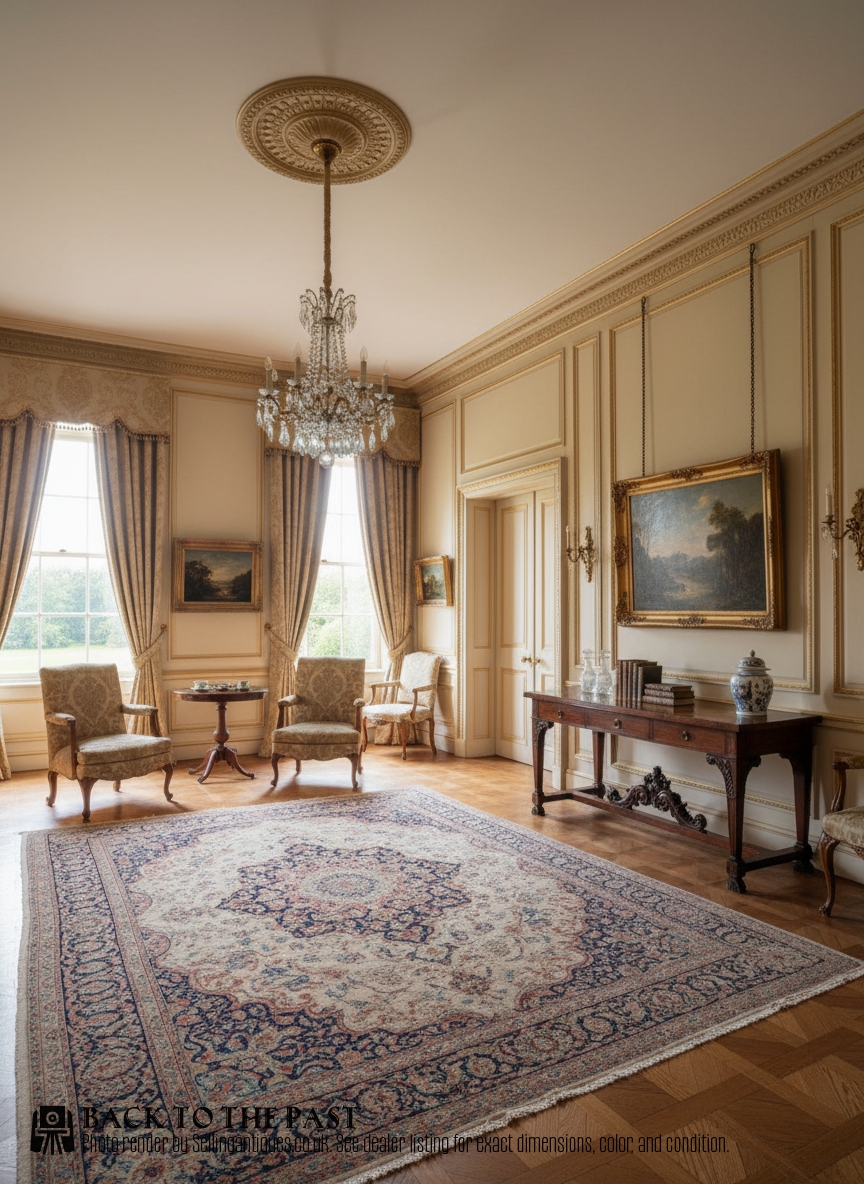
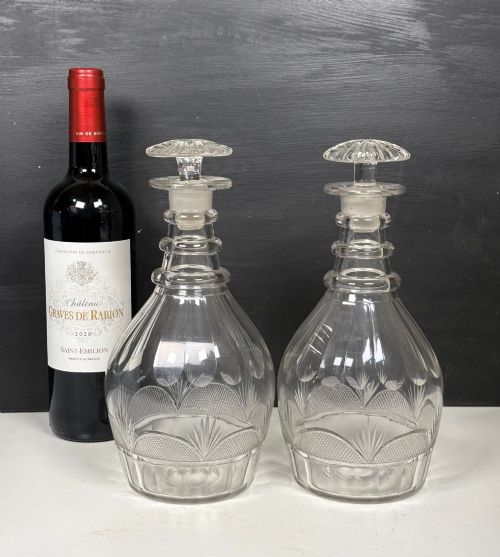
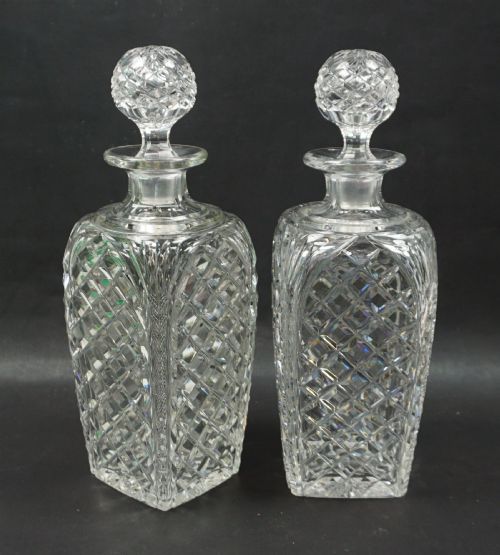
Small Pair of Antique George III Quality Cut Glass Decanters, 1800
Priced at £525 from London City Antiques
Blowing dictates form. Glassmakers shaped molten lead crystal using simple hand tools and wooden moulds.
Cutting developed heavily after 1780. Craftsmen held the cooled blanks against rotating stone wheels to carve deep diamond patterns.
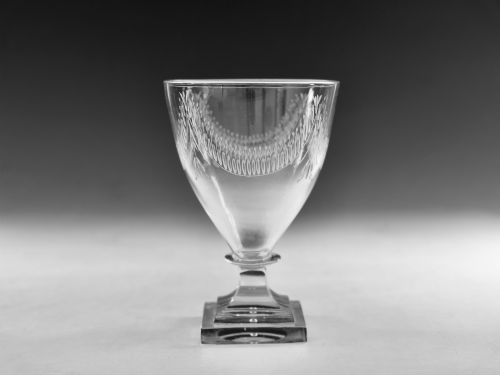
Wheel engraving replaced crude diamond-point scratching. Copper wheels fed with abrasive slurry allowed engravers to cut detailed Jacobite symbols into the bowl without cracking it.
"Massive brick cones housed the furnaces. These tall structures acted as chimneys."
"Cullet was highly valued. Factories bought back broken glass to melt down because it sped up the next batch."
"Many stems contain multiple threads. Craftsmen twisted fine glass rods into complex double helix patterns, rotating the hot glass swiftly by hand before it cooled."
Based on almost 25 years of Sellingantiques UK antique market data, Antique Georgian Glass appeared 4033 times (out of 1,100,000 antiques) which gives it a rarity score of 45/100.
This score measures scarcity within the Sellingantiques archive only and is not a survey of the entire antiques market, so these statistics may not be indicative of the general availability of Antique Georgian Glass elsewhere.
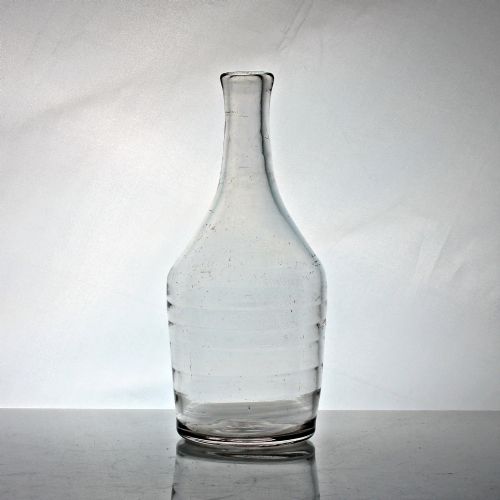
That cloudiness is known as sick glass. It happens when acidic liquids or mineral-heavy water sit inside a decanter for years.
The liquid slowly leaches the lead from the surface, leaving microscopic pitting behind. It is structural damage rather than dirt, so it can't be washed out.
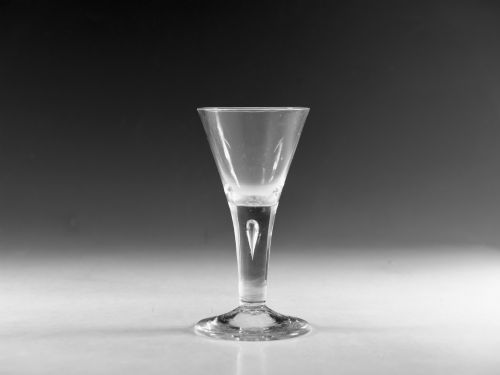
Early glassblowers trapped air bubbles to catch the candlelight on a dining table. The tear acts like a small internal lens. It reflects movement and flame, adding life to a heavy piece of table glass.
It also reduced the overall weight of the glass slightly. Before the tax laws changed, reducing weight while keeping the chunky profile made good financial sense for the glasshouse.
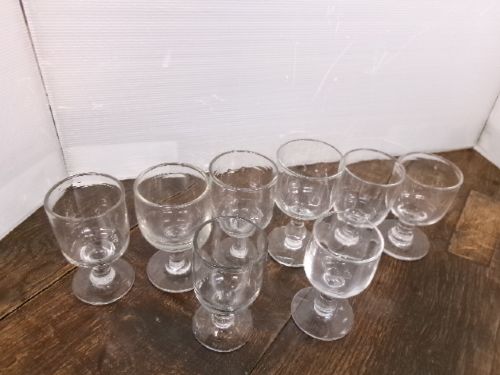
A folded foot strengthens the most vulnerable part of the glass. Tavern tables were rough, and drinkers frequently slammed their glasses down.
Rolling the rim under provides a double thickness of glass exactly where it hits the wood. This simple technique saved thousands of glasses from chipping at the edges.
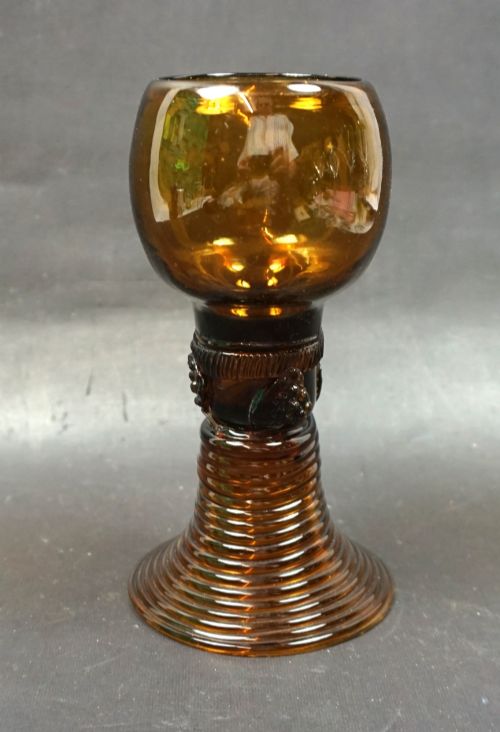
A wide foot is standard for early eighteenth-century drinking glasses. The bowls were quite thick and heavy, so a broad base prevented the glass from being top-heavy and tipping over easily.
As the century progressed, glassmakers refined their techniques and the bowls became thinner. The feet gradually became smaller in proportion, often matching the rim diameter on late Georgian glasses.
You'll find exceptions depending on the specific glasshouse and the shape of the bowl. Tall ale glasses often have feet smaller than their rims to keep the tall proportions looking elegant.
Please note: This Antique Georgian Glass guide and its associated pricing data are provided for general informational purposes only. It does not constitute formal financial, investment, or appraisal advice and should not be relied upon as the sole basis for any commercial activity, purchasing, or sales decisions. Sellingantiques.co.uk accepts no liability for any actions taken in reliance on this information. Always consult with a qualified professional or independent appraiser.
