
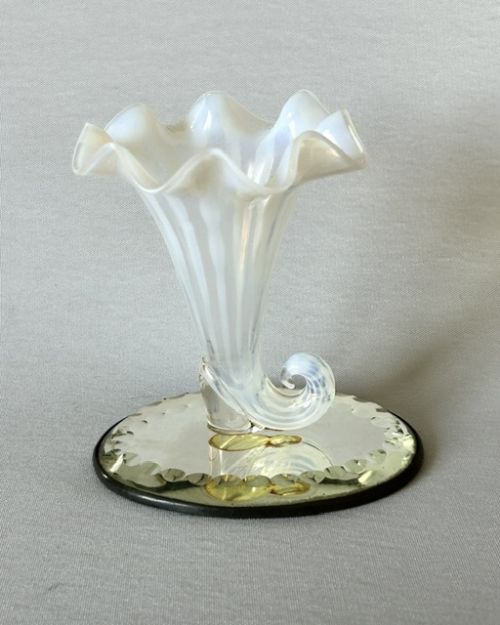


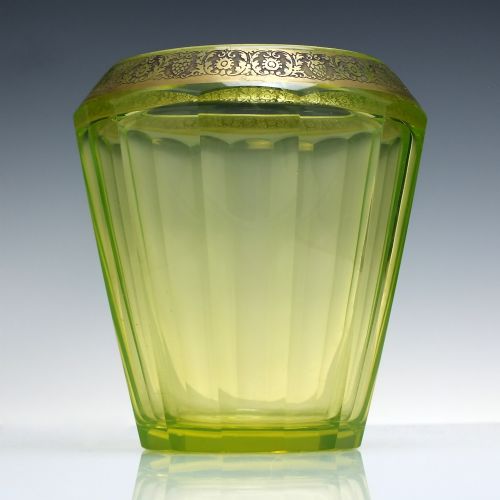
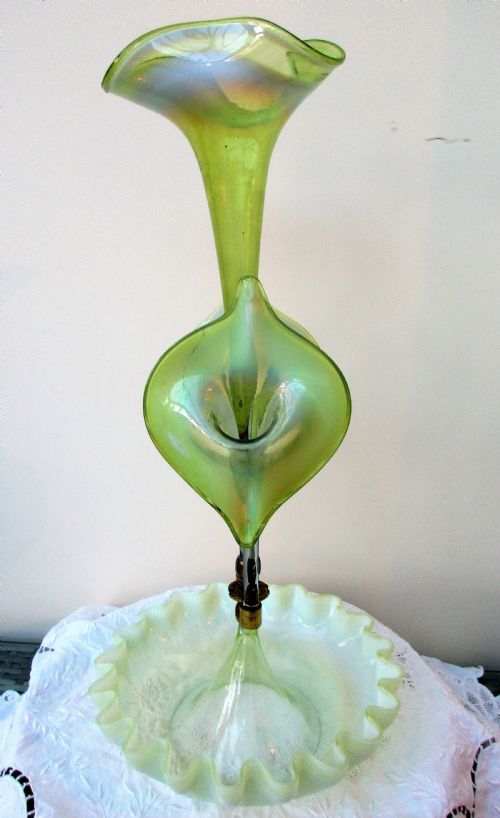


A 2026 Guide by Sellingantiques
Adding uranium to glass mixtures dates back to the 1830s in Bohemia.
Production of antique uranium glass surged during the late nineteenth century. Manufacturers across Europe and America adopted the technique.
Wartime regulations interrupted supply chains during the Second World War. Most factories stopped using the chemical.
Notice the transition from early heavy pressed pieces to thinner household wares of the Depression era.
Josef Reidel was an early pioneer in Bohemia. He named the yellow and green tints after his wife, Annagelb and Annagrün.
Sowerby operated in Gateshead and produced thousands of pressed pieces. Their catalogues show a wide range of domestic wares.
American companies like Fenton dominated twentieth-century output. They supplied massive volumes of everyday tableware.
The 2026 retail price guide for Antique Uranium Glass is drawn from a proprietary archive of over 1.1 million retail prices indexed by Sellingantiques since 2003. This guide relies exclusively on their own internal data; no external sources or auction records are used.
Analysing nearly 25 years of UK antique market history alongside current retail values, the data indicates that typical UK retail prices for Antique Uranium Glass range between £100 and £600. Entry-level prices generally fall under £100 and premium examples upwards of £600.
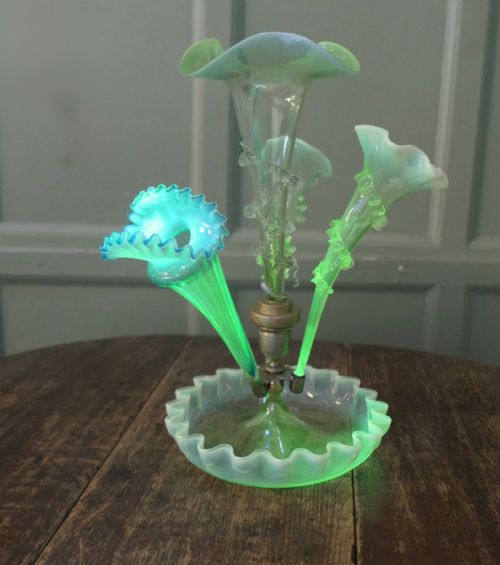
Fluorescence under ultraviolet light remains the defining feature. The glow happens because the compounds react to specific light frequencies.
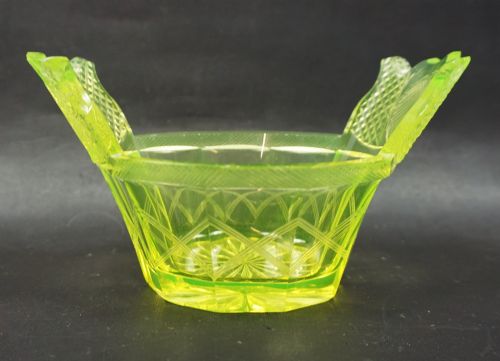
Look for patterns pressed directly into the body. These geometric and floral designs hide cooling marks from the moulds.
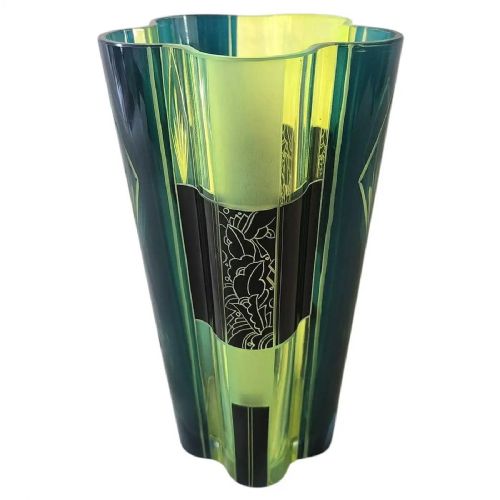
Colour ranges from pale yellow to bright emerald green. The exact shade depends on the amount of oxide and other additives.
Early nineteenth-century examples relied on free-blowing techniques. Glassblowers shaped the molten metal entirely by hand using wooden blocks.
The introduction of the pressing machine changed everything. Workers could drop hot glass into a patterned iron mould.
Notice the shift to mass production. Factories traded individual craftsmanship for volume and consistency.
"The glow stays active indefinitely. The radioactive half-life is so long that these pieces will always react to blacklight."
"Different lighting conditions change how the colour presents. Sunlight brings out a natural vibrancy that standard bulbs miss."
"Many plain-looking vintage glasses surprise their owners. People often discover the fluorescent effect by accident in nightclubs or under novelty lamps."
Based on almost 25 years of Sellingantiques UK antique market data, Antique Uranium Glass appeared 314 times (out of 1,100,000 antiques) which gives it a rarity score of 94/100.
This score measures scarcity within the Sellingantiques archive only and is not a survey of the entire antiques market, so these statistics may not be indicative of the general availability of Antique Uranium Glass elsewhere.
General consensus says they are safe for occasional use. The radiation emitted is negligible, often less than background radiation from everyday appliances.
Avoid storing acidic liquids like citrus juice in them. The acid can sometimes leach trace amounts of heavy metals from the glass over time.
Wash them by hand in warm soapy water. Modern dishwashers are too harsh and the abrasive detergents will etch the surface of the glass, leaving it cloudy permanently.
Line the sink with a tea towel before you start. The wet glass gets slippery and the towel stops chips if a piece drops.
A standard blacklight torch provides the strongest reaction. This light frequency matches the absorption spectrum of the oxide.
Cheap LED blacklights work well for display cabinets. You just need a dark room to see the effect.
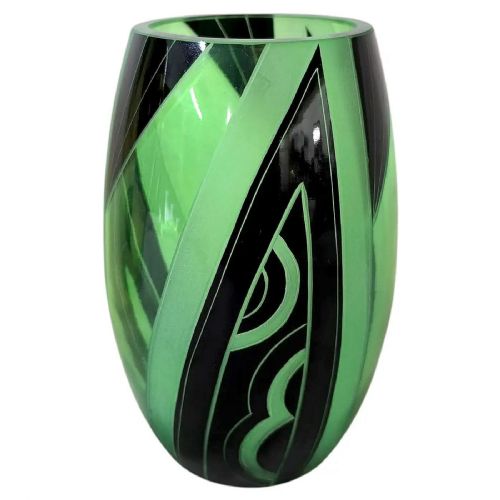
Not all green glass from that era contains the oxide. Iron and copper were common additives used to achieve similar green shades without the fluorescent properties.
The only way to know is to shine a UV light on it. If it lacks that distinct neon green glow, it gets its colour from a different source.
Please note: This Antique Uranium Glass guide and its associated pricing data are provided for general informational purposes only. It does not constitute formal financial, investment, or appraisal advice and should not be relied upon as the sole basis for any commercial activity, purchasing, or sales decisions. Sellingantiques.co.uk accepts no liability for any actions taken in reliance on this information. Always consult with a qualified professional or independent appraiser.
