

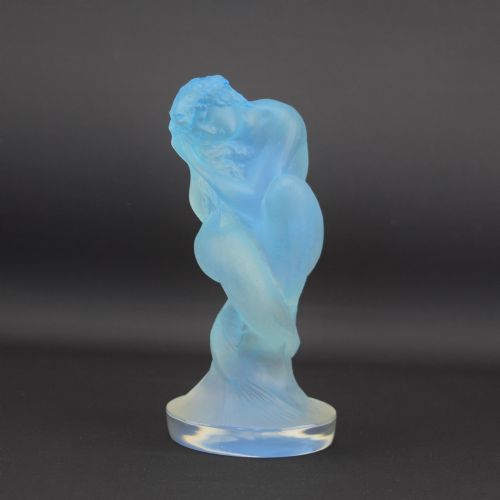
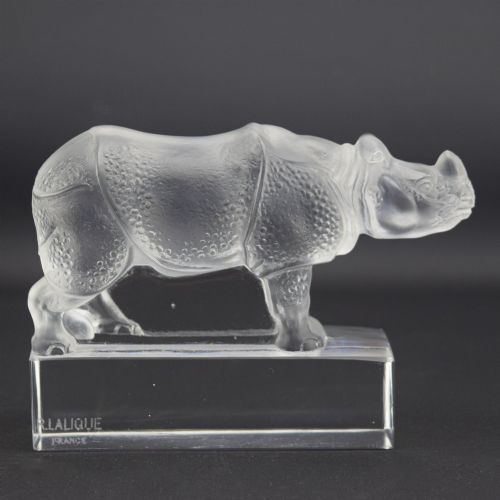

A 2026 Guide by Sellingantiques
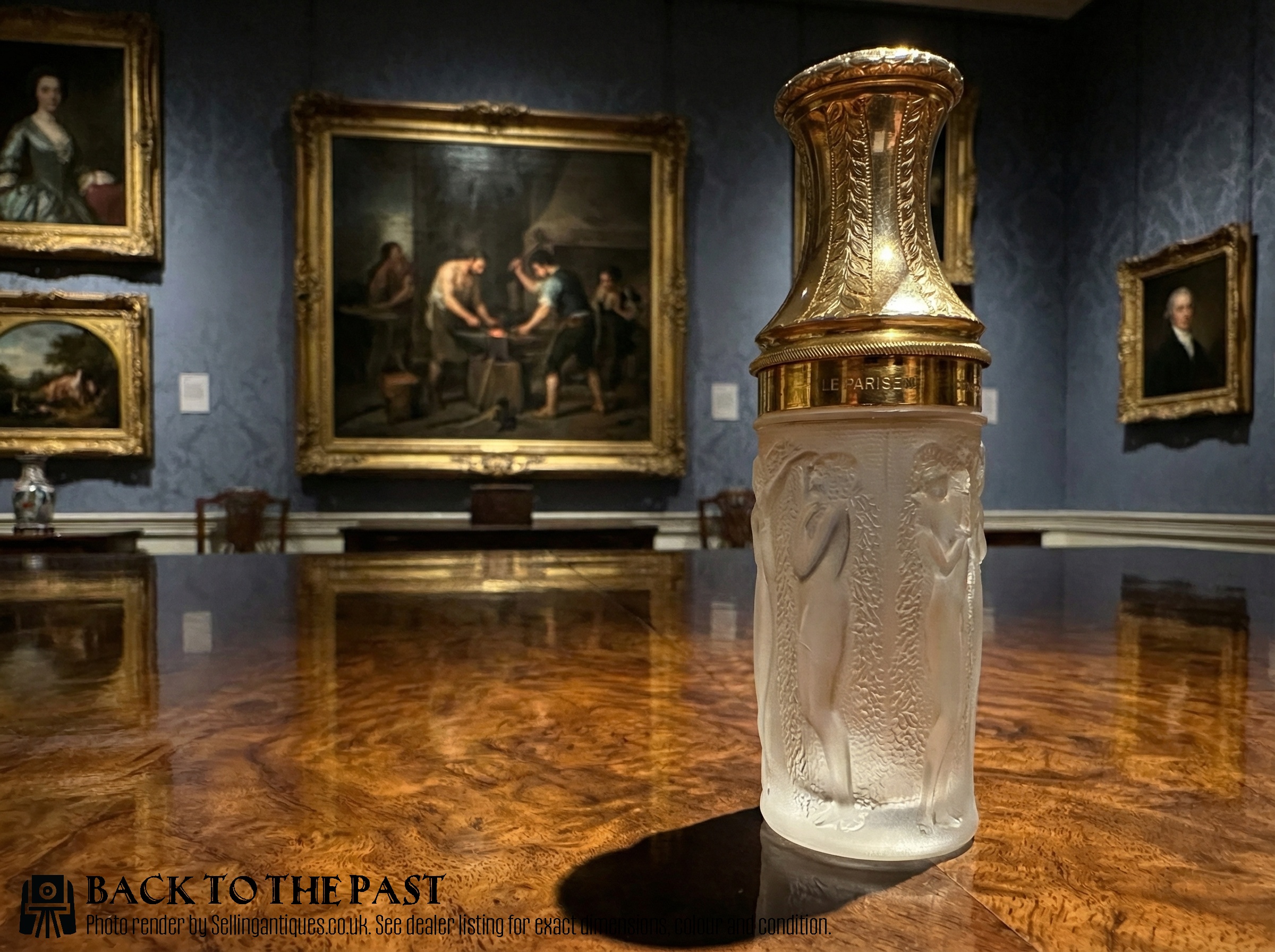
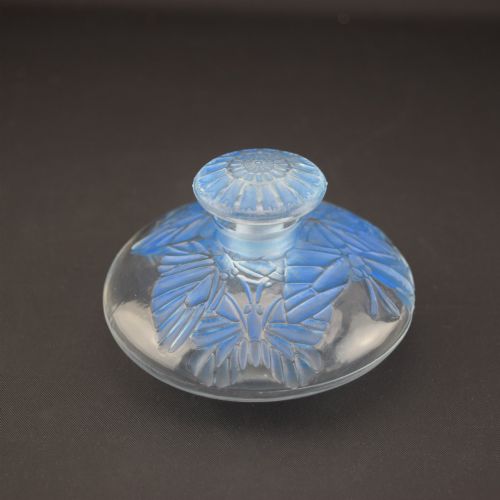
René Lalique 'Le Parisien' Perfume Atomiser 1923, 1920
Priced at £750 from William Morris Antiques
René Lalique shifted from jewellery to glassmaking around 1907.
The mass production of Antique Lalique Glass really began after the First World War when a purpose-built factory opened at Wingen-sur-Moder in 1921.
Look for pieces exhibited at the 1925 Paris Exhibition. That event cemented the firm as a driving force in Art Deco design.
Output paused during the Second World War. Operations struggled to resume until the late nineteen forties.
René Lalique ran the firm from its inception until his death in 1945.
Marc Lalique took over the family business. He transitioned the factory from demi-cristal to heavy lead crystal, changing the texture of the output.
Marie-Claude Lalique succeeded her father Marc in 1977. Her tenure brought brighter colours to the late twentieth-century production.
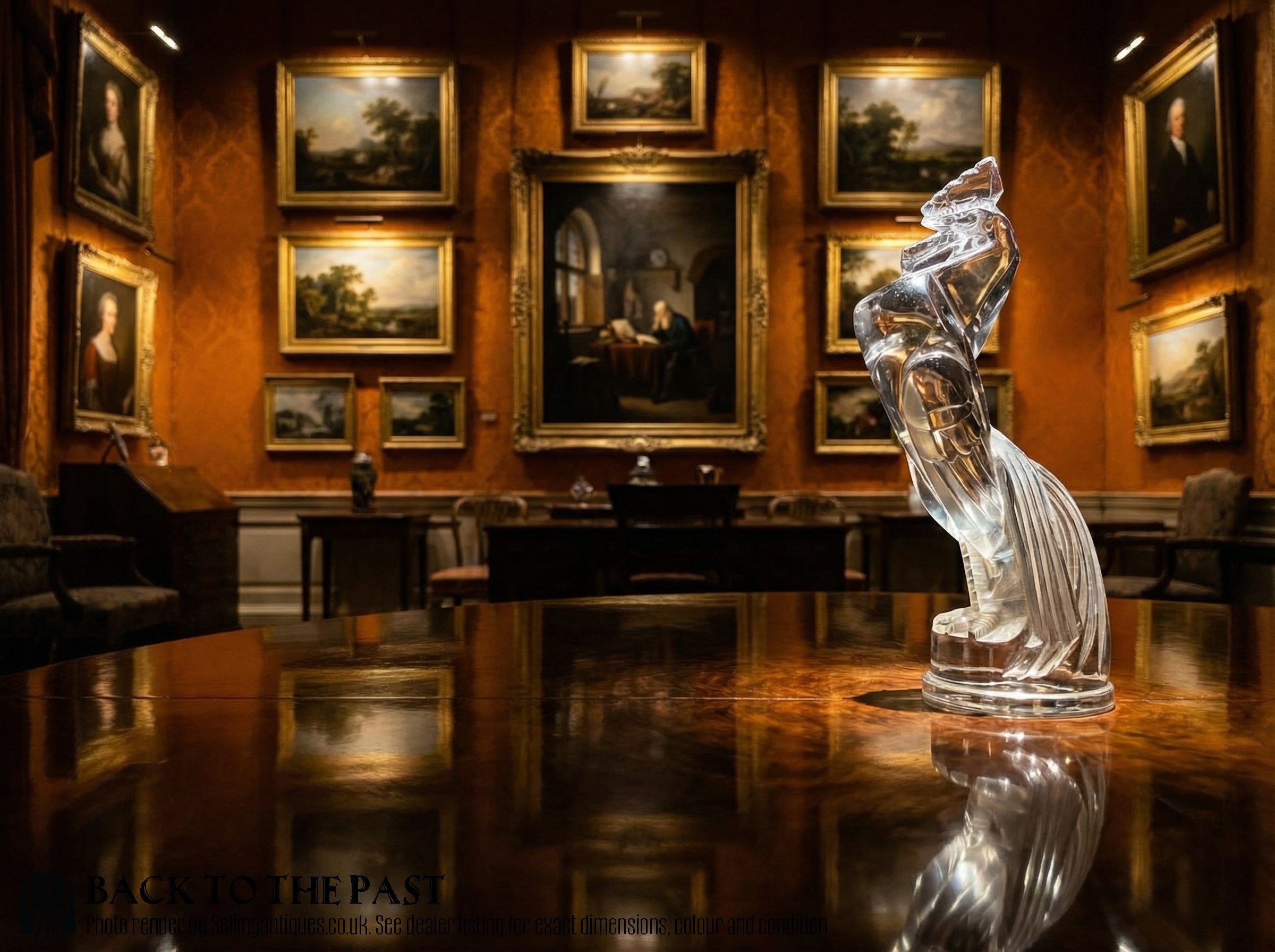
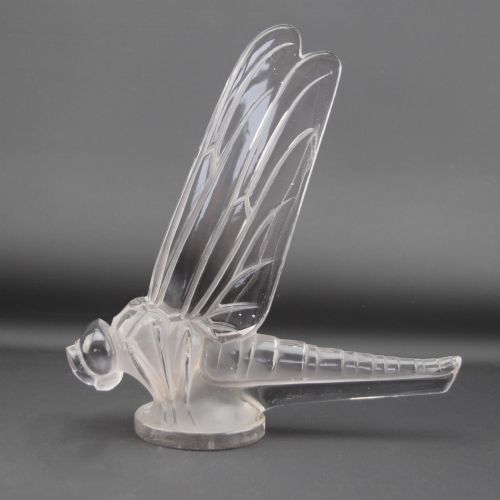
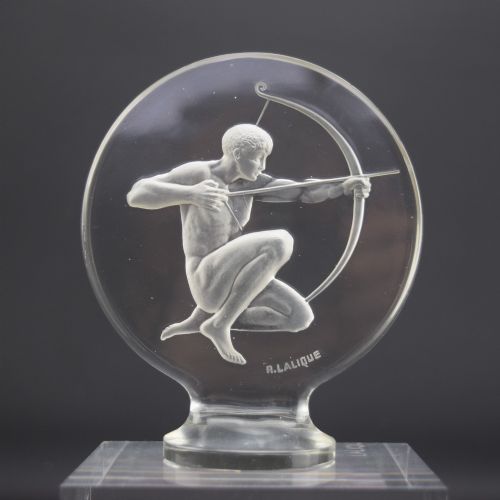
Rene Lalique Coq Houdan Car Mascot, 1920
Priced at £4,950 from Bradley Gent
The 2026 retail price guide for Antique Lalique Glass is drawn from a proprietary archive of over 1.1 million retail prices indexed by Sellingantiques since 2003. This guide relies exclusively on their own internal data; no external sources or auction records are used.
Analysing nearly 25 years of UK antique market history alongside current retail values, the data indicates that typical UK retail prices for Antique Lalique Glass range between £600 and £4,700. Entry-level prices generally fall under £600 and premium examples upwards of £4,700.
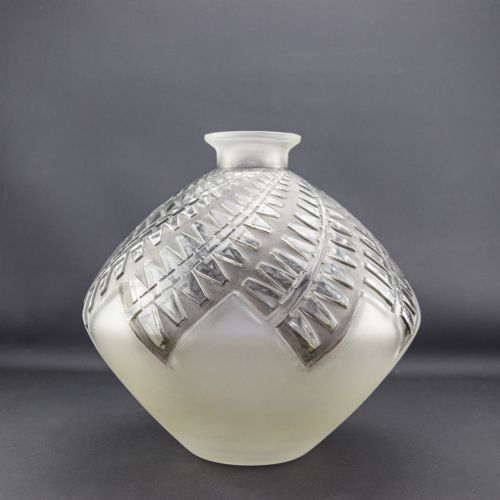
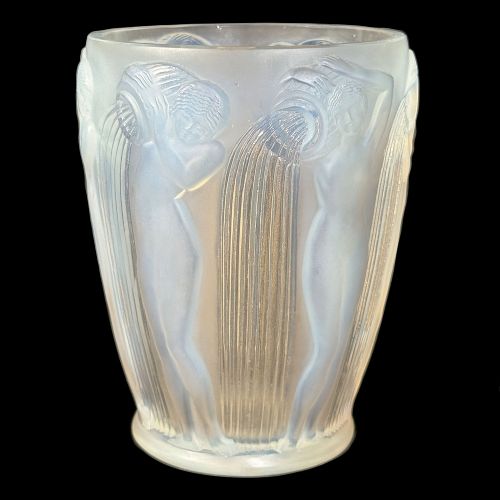
Deep relief moulding defines the vast majority of these wares.
Frosted surfaces contrast with clear sections. The maker often acid-etched the background, leaving the raised motifs polished.
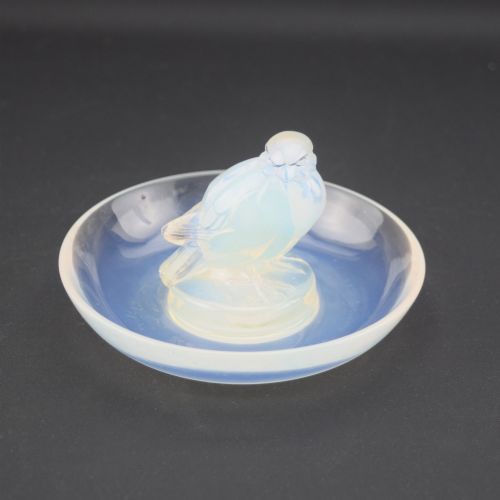
Flora and female figures form the core subject matter across domestic items. You will frequently find insects and birds integrated into the handles.
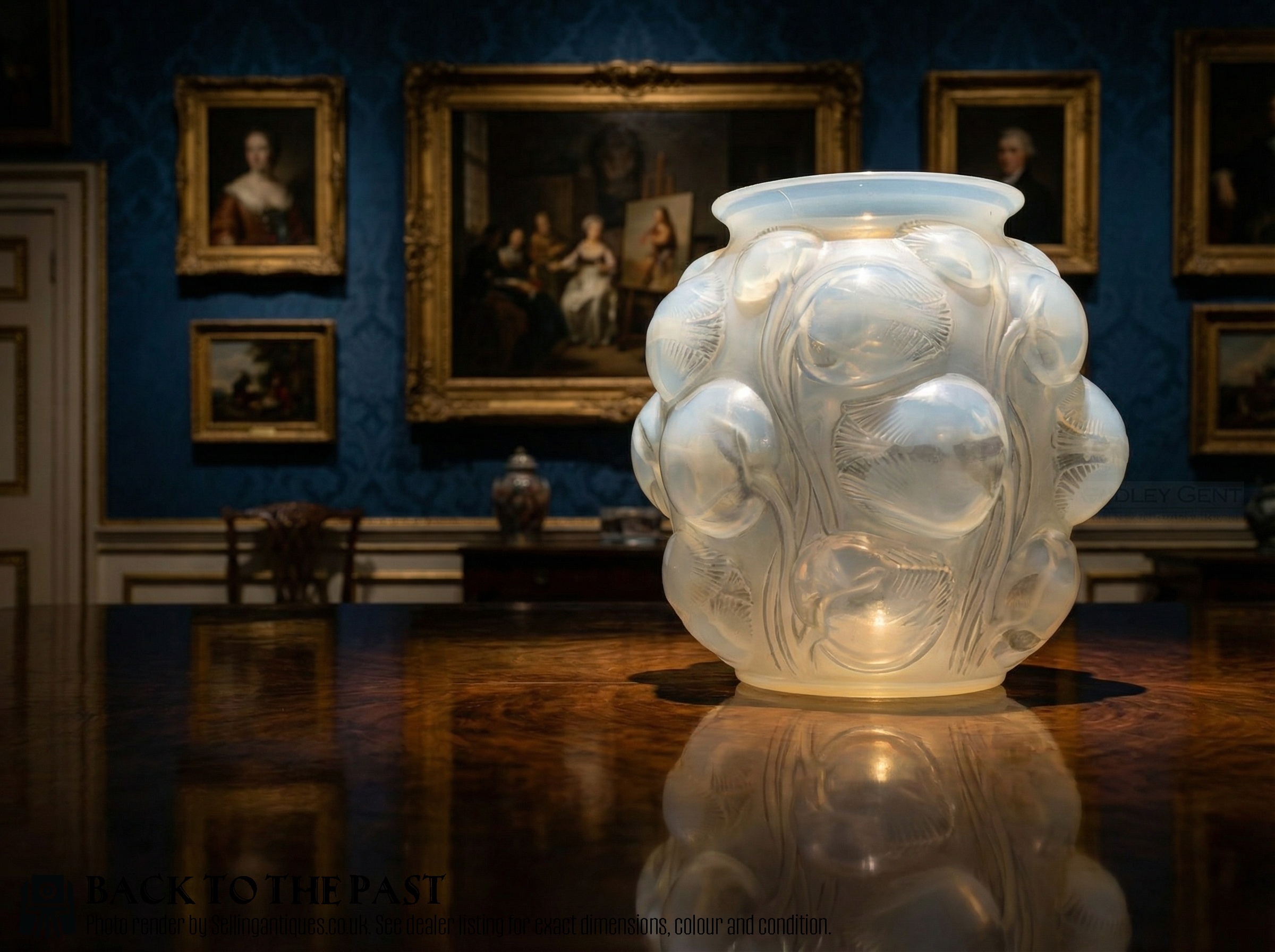
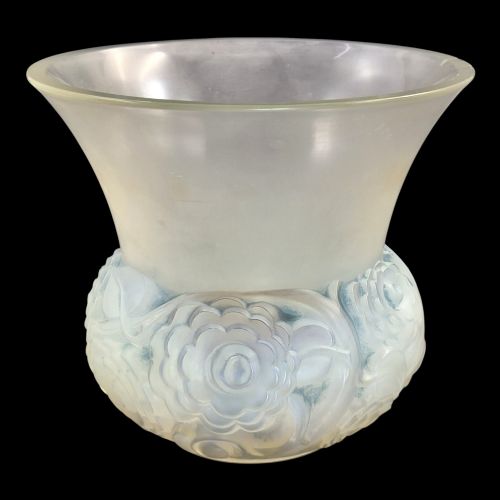
Rene Lalique Opalescent Tulipes Vase C1927, 1920
Priced at £5,550 from Bradley Gent
Press-moulding allowed consistent replication of complex shapes. Workers forced molten glass into a metal mould using a mechanical plunger.
Blow-moulding was primarily used for creating hollow vessels like decanters.
Extensive handwork. Craftsmen polished away the seam lines left by the moulds before applying surface treatments at the grinding wheel.
"The factory regularly produced architectural glass elements for ocean liners."
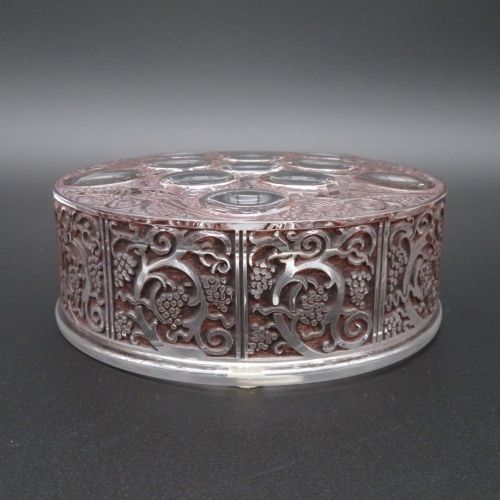
"Some designs originally served as custom packaging. Luxury grocers commissioned decorative glass pots for holding jams and preserves."
"Custom lighting bases. Many heavy vases were intended to sit on separate illuminated stands to highlight their opalescence."
Based on almost 25 years of Sellingantiques UK antique market data, Antique Lalique Glass appeared 936 times (out of 1,100,000 antiques) which gives it a rarity score of 83/100.
This score measures scarcity within the Sellingantiques archive only and is not a survey of the entire antiques market, so these statistics may not be indicative of the general availability of Antique Lalique Glass elsewhere.
Don't put them in a dishwasher. The harsh chemicals and heat changes will cause permanent surface damage. Wash the piece by hand using lukewarm water and a mild detergent.
Use a soft brush to reach into the deep moulded crevices. Dry the glass immediately with a lint-free cloth to prevent hard water spots from forming.
Sometimes a wash of enamel stain fills the recesses. This sits on the surface to highlight the moulded relief.
True coloured glass relies on metallic oxides mixed into the molten batch. The colour runs all the way through the material.
Keep heavy bowls away from the edges of shelves. They are prone to being knocked, and the thick glass will chip if it hits a hard surface.
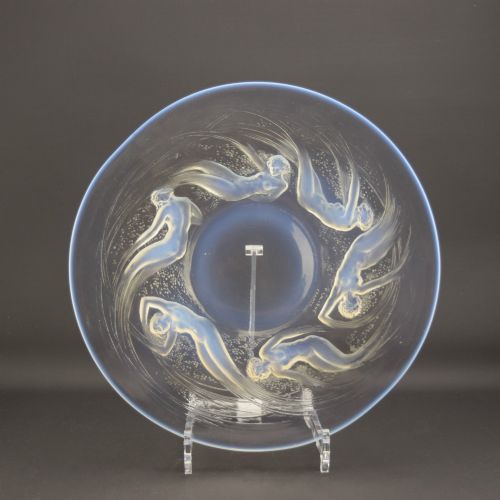
Lighting makes a large difference to frosted and opalescent glass. You'll want to place the bowl where natural light can hit it from behind.
Setting it on a dedicated light box is another good option to highlight the relief work.
Most original stoppers were ground by hand to fit the specific neck of their matching bottle. They should drop in smoothly and seat firmly without wobbling.
Don't force a tight stopper into the neck. Temperature changes cause the glass to expand slightly, which often results in the neck cracking if the stopper is wedged in too hard.
Please note: This Antique Lalique Glass guide and its associated pricing data are provided for general informational purposes only. It does not constitute formal financial, investment, or appraisal advice and should not be relied upon as the sole basis for any commercial activity, purchasing, or sales decisions. Sellingantiques.co.uk accepts no liability for any actions taken in reliance on this information. Always consult with a qualified professional or independent appraiser.
