
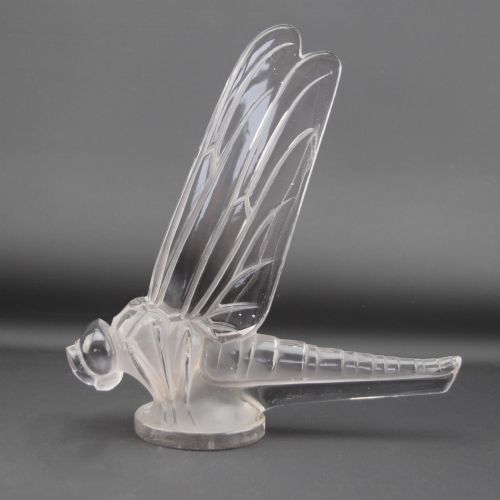
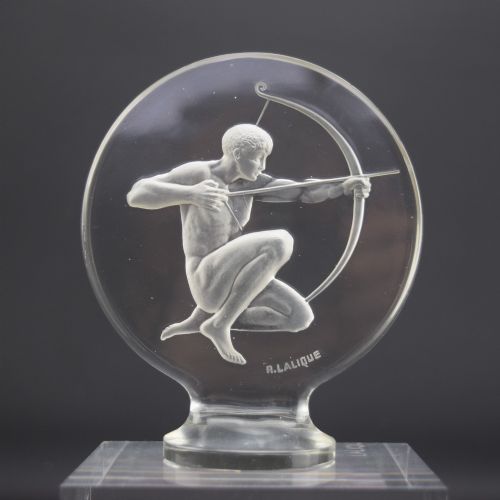
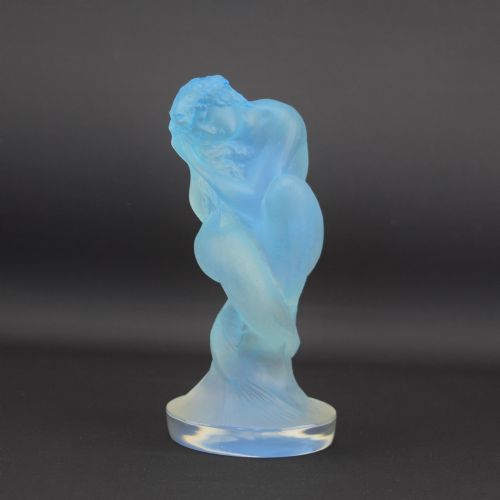


A 2026 Guide by Sellingantiques
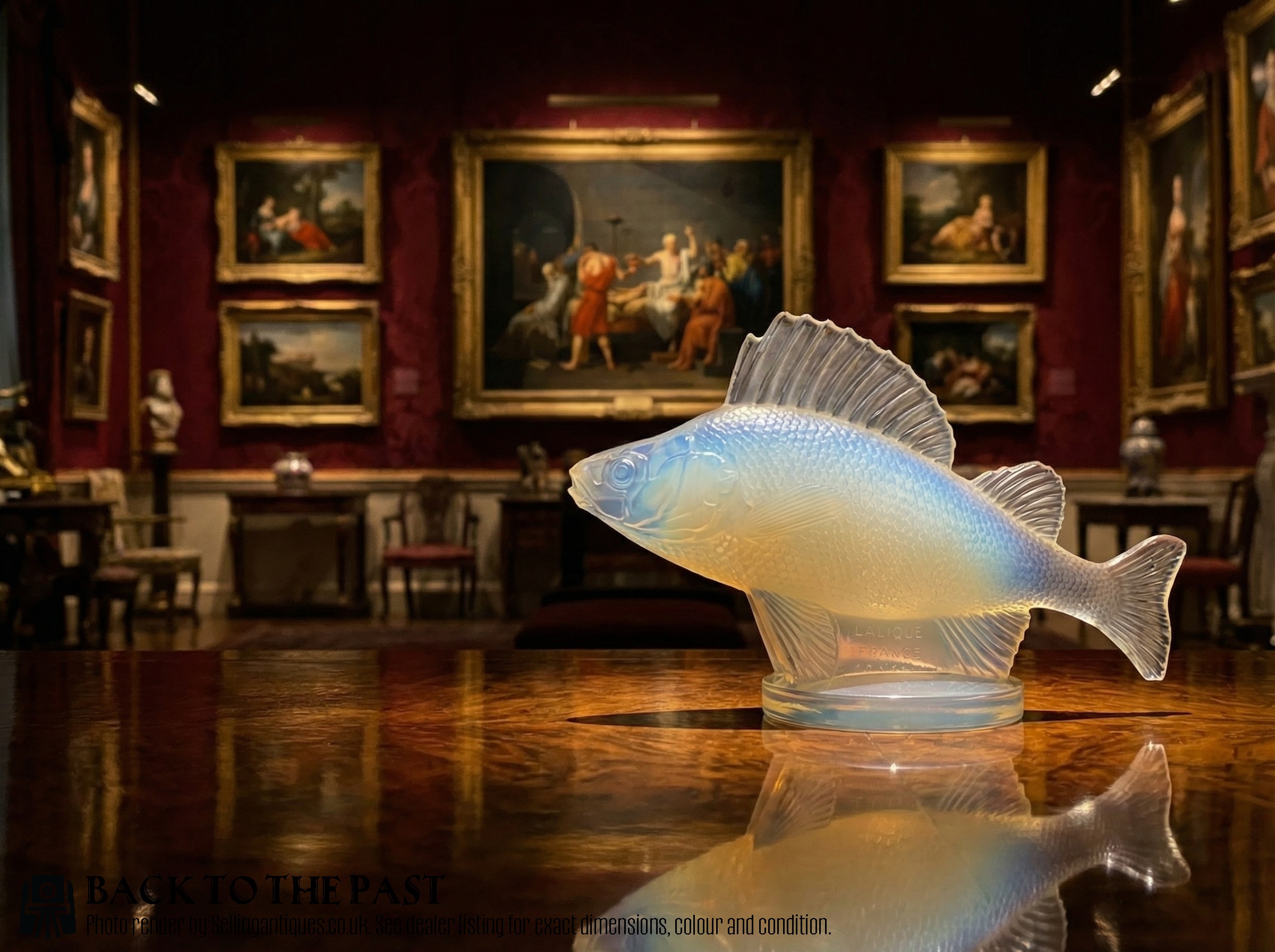
Rene Lalique Opalescent Perch Car Mascot C1929, 1930
Priced at £2,195 from Bradley Gent
Motorists in the 1920s replaced standard radiator caps with these custom ornaments.
French glassmakers drove the trend for an antique glass car mascot during the Art Deco period.
Some early examples were actually marketed as paperweights before finding their way onto vehicles.
Check the base for original mounting hardware, as many lost their metal collars when removed from cars.
Changes in pedestrian safety regulations ended their use on car bonnets by the late 1930s.
René Lalique designed nearly thirty specific mascot models between 1925 and 1931.
Sabino also produced these ornaments in Paris, often using a distinctively blue-tinted opalescent glass.
The English firm Red Ashay supplied the domestic market with similar cast glass accessories.
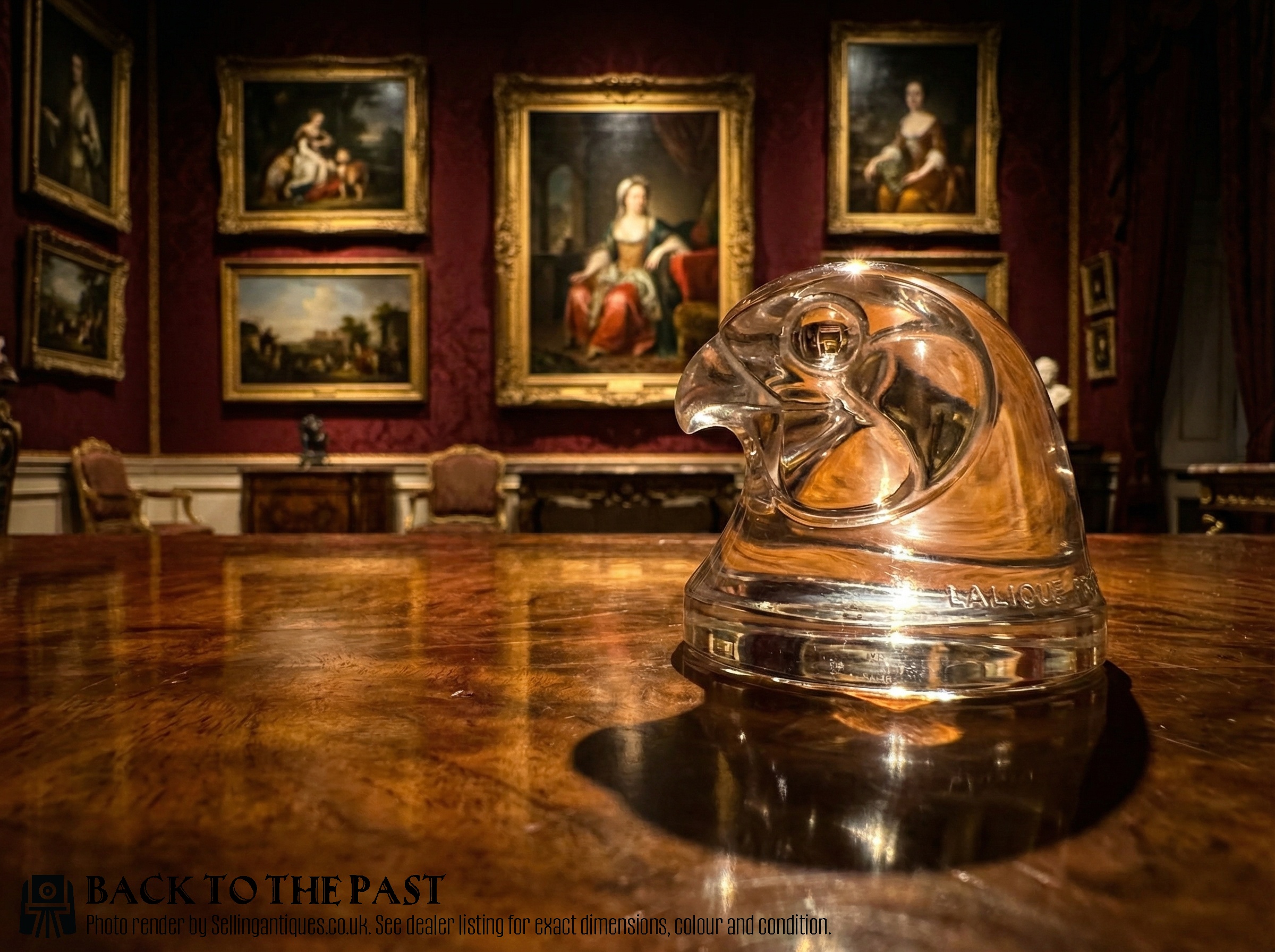
Rene Lalique Tete D'epervier Car Mascot C1928, 1930
Priced at £1,950 from Bradley Gent
The 2026 retail price guide for Antique Glass Car Mascots is drawn from a proprietary archive of over 1.1 million retail prices indexed by Sellingantiques since 2003. This guide relies exclusively on their own internal data; no external sources or auction records are used.
Analysing nearly 25 years of UK antique market history alongside current retail values, the data indicates that typical UK retail prices for Antique Glass Car Mascots range between £2,000 and £7,500. Entry-level prices generally fall under £2,000 and premium examples upwards of £7,500.
Internal hollows in the base allowed for small light bulbs to illuminate the figure at night.
Stylised animal forms and human figures dominate the market for these motoring accessories.
Look closely at the surface texturing, which varies between polished high points and matte recesses.

Rene Lalique Topaz Sanglier (Wild Boar) Mascot, 1930
Priced at £1,750 from Bradley Gent
Molten glass was forced into complex metal moulds under pressure to achieve sharp detailing.
Cooling required tight control in annealing ovens to stop the thick glass sections from cracking.
Acid etching provided the matte finish that gives many antique glass car mascots their frosted appearance.
"The hollow bases often housed small coloured filters to change the glow of the illumination."
"Owners frequently moved them from car to car when upgrading their vehicles."
"Many shapes were designed specifically to deflect wind over the open cockpits of early sports cars."
Based on almost 25 years of Sellingantiques UK antique market data, Antique Glass Car Mascots appeared 83 times (out of 1,100,000 antiques) which gives it a rarity score of 98/100.
This score measures scarcity within the Sellingantiques archive only and is not a survey of the entire antiques market, so these statistics may not be indicative of the general availability of Antique Glass Car Mascots elsewhere.
Use a soft brush with warm water and a mild soap. Scrub gently in small circles to lift dirt out of the textured surface.
Rinse well with clean water. Dry it with a lint-free cloth rather than letting it air dry, which leaves water spots on the matte finish.
That threaded ring and wire strongly suggest it was a radiator mount. The wire powered a small bulb inside the metal collar to light the glass from below.
People often removed these mascots before selling the car and used them as desk weights. The metal base is a good sign it spent time on a vehicle.
Glassmakers added specific chemicals like copper or cobalt to the molten mix. In opalescent pieces, bone ash or arsenic creates a milky effect that shifts from blue to orange depending on how light hits it.
The thickness of the casting also changes how dense the colour appears.
Leave them alone. Polishing alters the original shape and removes the maker's intended surface finish.
Small chips are accepted road wear for an object that sat on the front of a moving vehicle. Smoothing them out often creates unnatural flat spots that ruin the lines of the piece.
Please note: This Antique Glass Car Mascots guide and its associated pricing data are provided for general informational purposes only. It does not constitute formal financial, investment, or appraisal advice and should not be relied upon as the sole basis for any commercial activity, purchasing, or sales decisions. Sellingantiques.co.uk accepts no liability for any actions taken in reliance on this information. Always consult with a qualified professional or independent appraiser.
