

A 2026 Guide by Sellingantiques
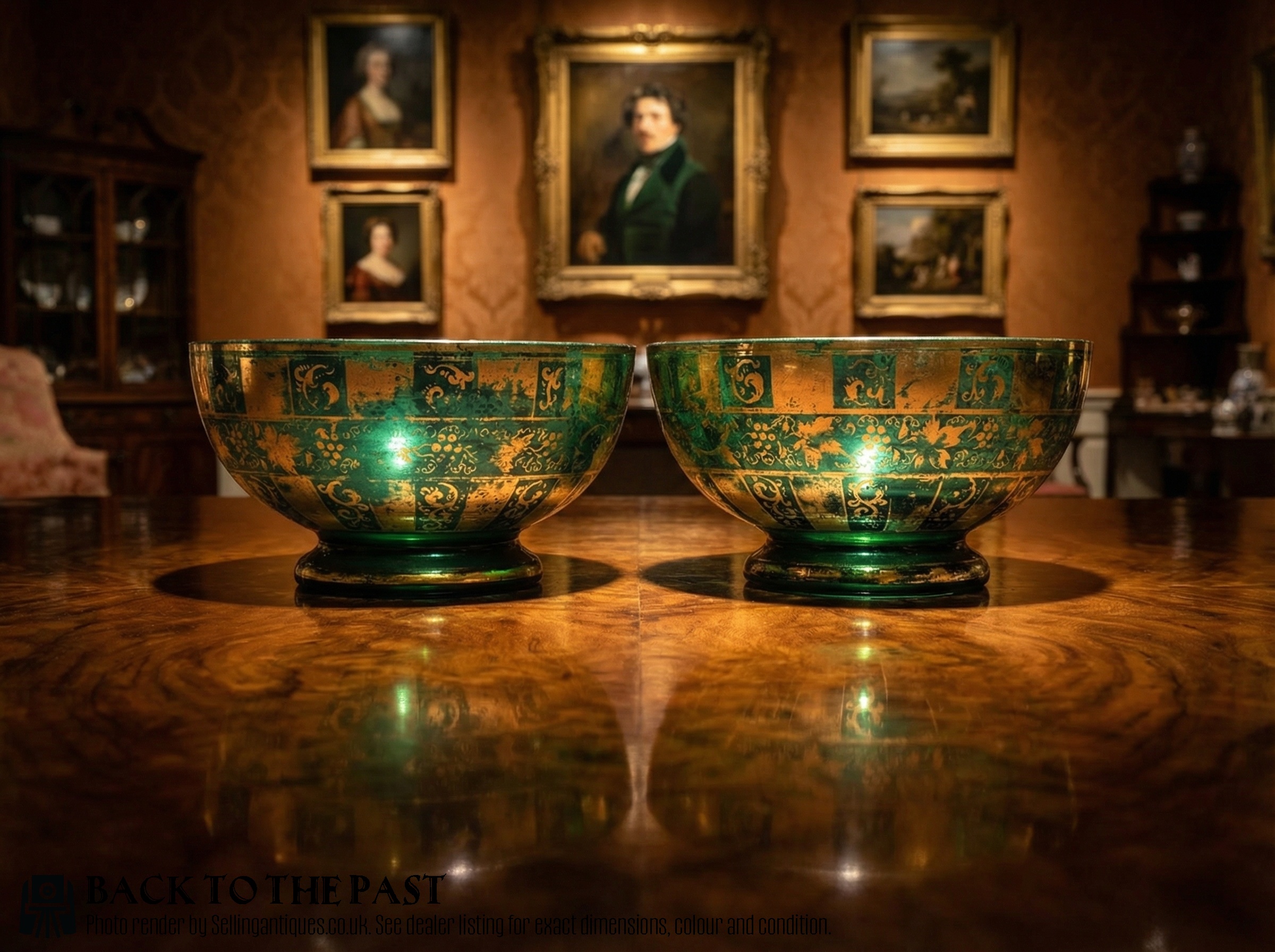
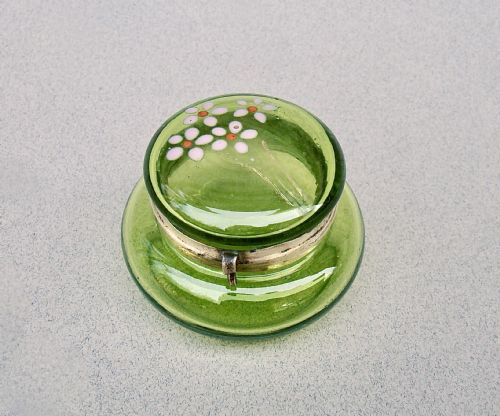
Bohemian Glass Bowls, 1900
Priced at £260 from Rue des Fontenelles
Central Europe dominated the luxury tablewares trade by the eighteenth century. Forest glassworks across Bohemia developed formulas that challenged Venetian dominance.
Discovering how to carve glass like rock crystal changed everything. Gem cutters working in Prague transferred their skills to the newly developed potash glass.
Biedermeier period buyers demanded heavy, bright vessels. Production shifted towards the elaborate coloured layers and rich enamelling we associate with antique Bohemian glass today.
Look for shifting national borders in the historical record. Many glassworks classed as Bohemian sat in regions now spread across the Czech Republic and Poland.
Dominik Biemann produced exceptional engraved portraits. He took commissions directly from wealthy tourists visiting the fashionable spa towns.
Track the output of factories like Moser. They focused on heavily gilded, lead-free wares that gained international recognition by the late nineteenth century.
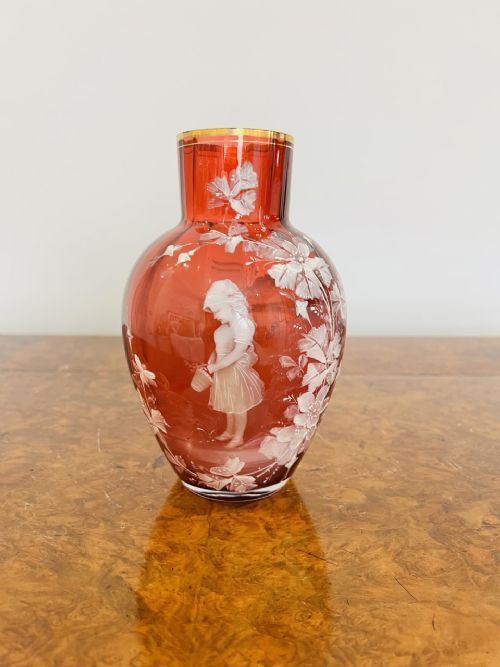
Friedrich Egermann patented several important surface staining techniques. His workshop near Nový Bor popularised the distinctive red lithyalin glass that imitated semi-precious stones.
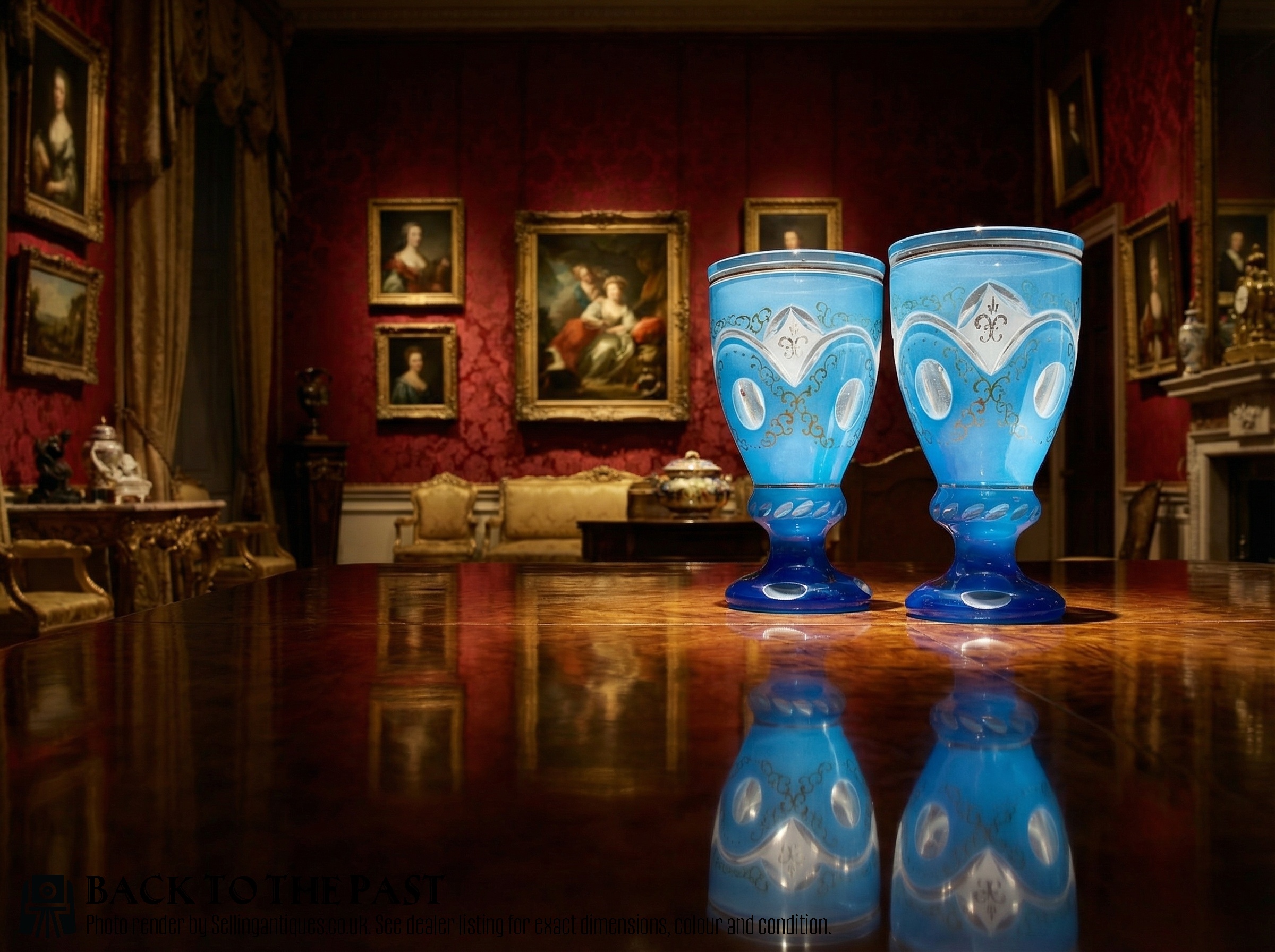
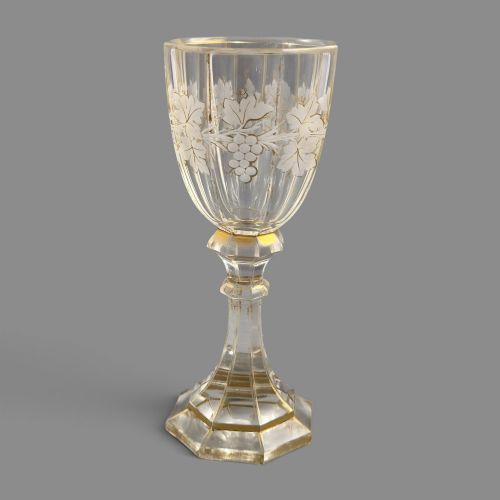
Fabulous Pair of Bohemian Triple Cased Gilt Glass Goblets, Circa 1880, 19th Century
Priced at £225 from Julie Cartwright Antiques
The 2026 retail price guide for Antique Bohemian Glass is drawn from a proprietary archive of over 1.1 million retail prices indexed by Sellingantiques since 2003. This guide relies exclusively on their own internal data; no external sources or auction records are used.
Analysing nearly 25 years of UK antique market history alongside current retail values, the data indicates that typical UK retail prices for Antique Bohemian Glass range between £200 and £1,000. Entry-level prices generally fall under £200 and premium examples upwards of £1,000.
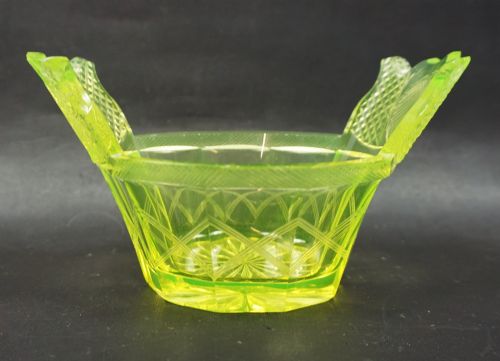
Deep facet cutting covers the lower bowls. You'll find broad, flat panels that catch the light and emphasise the sheer thickness of the base.
Raised enamel dots trail around the rims. Often gilded, these applied decorations stand proud of the surface and give a rough tactile edge.
Look at the flashed panels. Cutters carved through the coloured outer skin to reveal the clear layer underneath.
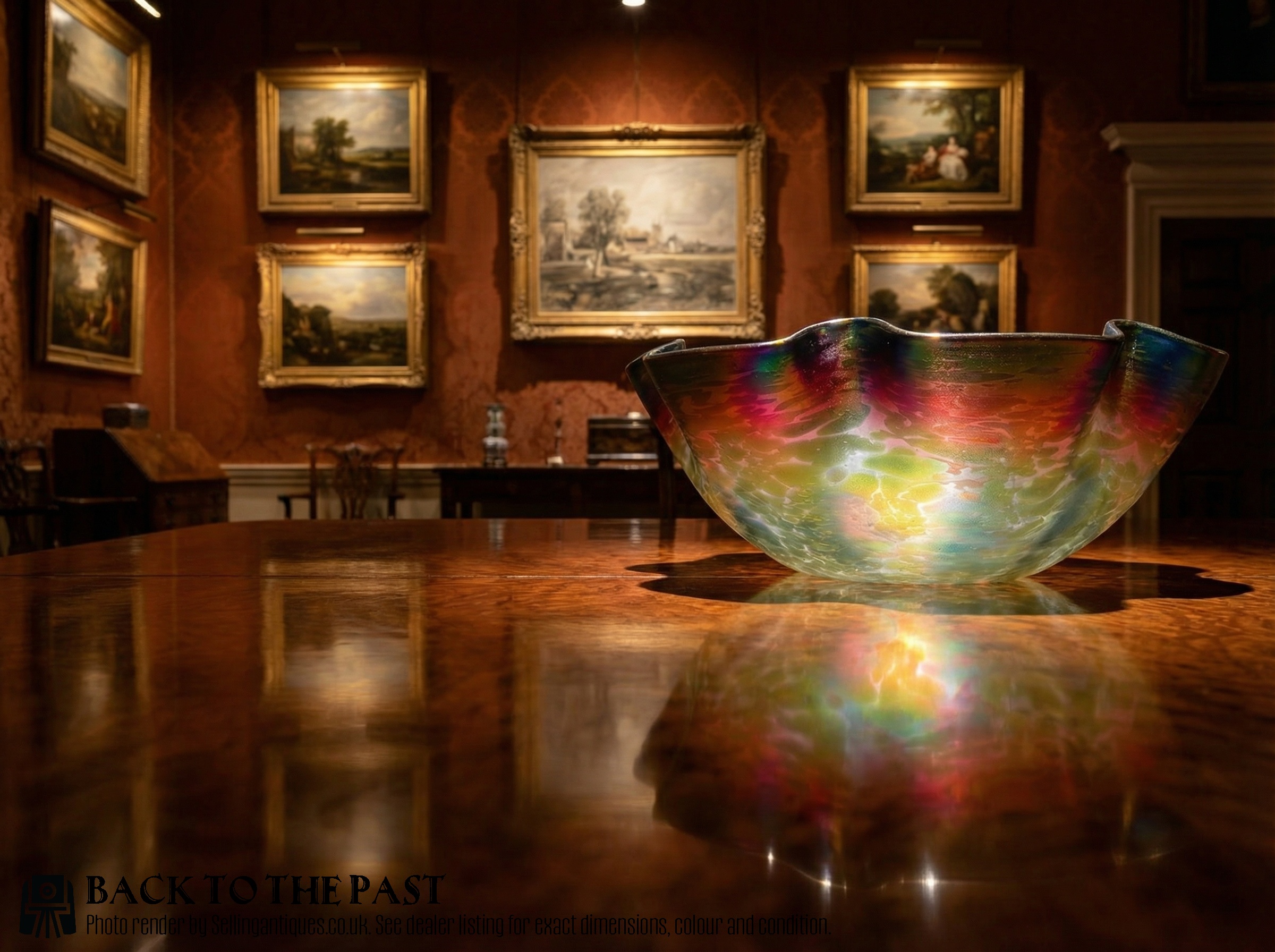
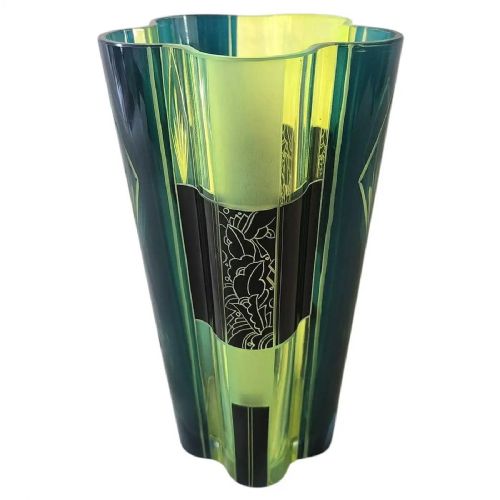
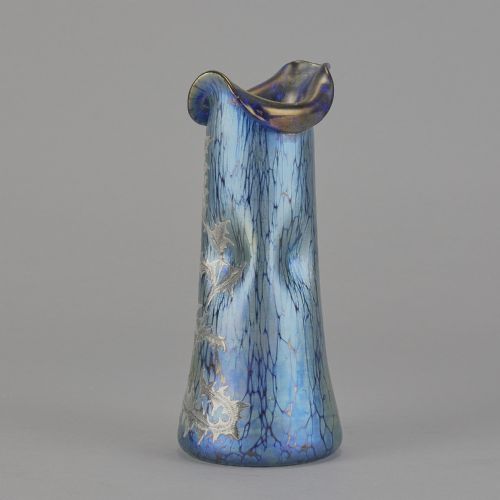
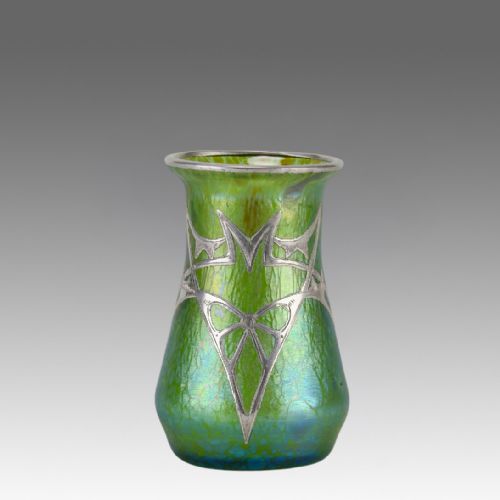
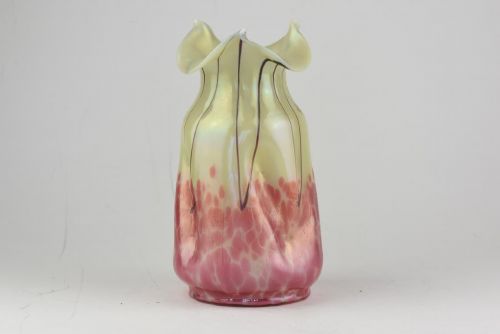
A Stunning Bohemian Art Glass Iridescent Bowl from the Loetz Factory, 1900
Priced at £675 from Robert Belcher Antiques
Blowing these thick-walled vessels required immense lung capacity. Glassmakers turned the hot gather constantly to maintain an even distribution of the heavy material.
Engravers used tiny spinning copper wheels. They fed an abrasive slurry onto the edge to cut deep intaglio scenes.
Firing enamel meant returning the finished piece to a muffle kiln. Managing the heat was difficult because different colours melted at different temperatures.
"Wood ash gave the glass its strength. Local forests provided the vast amounts of fuel and potash required to keep the furnaces burning."
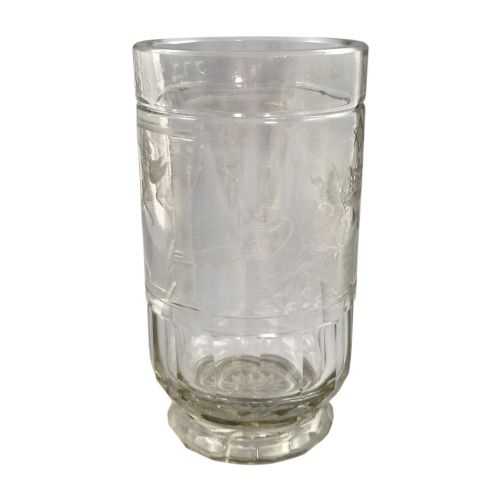
"Spa towns functioned as major retail hubs. Visitors bought engraved souvenir tumblers to drink the local mineral waters during their health retreats."
"Notice the blank spaces on some pieces. Craftsmen sometimes left flat panels deliberately undecorated so a travelling engraver could add a buyer's initials later."
Based on almost 25 years of Sellingantiques UK antique market data, Antique Bohemian Glass appeared 1225 times (out of 1,100,000 antiques) which gives it a rarity score of 78/100.
This score measures scarcity within the Sellingantiques archive only and is not a survey of the entire antiques market, so these statistics may not be indicative of the general availability of Antique Bohemian Glass elsewhere.
Hand wash them in warm soapy water. A soft sponge removes dust safely.
Never use a dishwasher. The heat strips the enamel.
The colour in cased or flashed glass is fused into the material itself. Direct sunlight won't fade ruby red or cobalt blue pieces.
Keep an eye on the ambient temperature. Placing thick glass directly in a hot, sunny window causes uneven heating, which stresses the older joints.
You can use most of them safely. Antique Bohemian glass typically uses a potash base rather than lead, making it stable for occasional drinking.
Check the internal surfaces first. Skip using any decanters that show cloudy sick glass inside, as the surface structure is breaking down.
That white haze is usually water bloom. It happens when liquid sits in the vessel for months, causing the alkaline components in the glass to leach out.
Vinegar or denture tablets might remove light limescale deposits. If the glass itself is etched, no household chemical can reverse the structural damage.
Please note: This Antique Bohemian Glass guide and its associated pricing data are provided for general informational purposes only. It does not constitute formal financial, investment, or appraisal advice and should not be relied upon as the sole basis for any commercial activity, purchasing, or sales decisions. Sellingantiques.co.uk accepts no liability for any actions taken in reliance on this information. Always consult with a qualified professional or independent appraiser.
