
A 2026 Guide by Sellingantiques
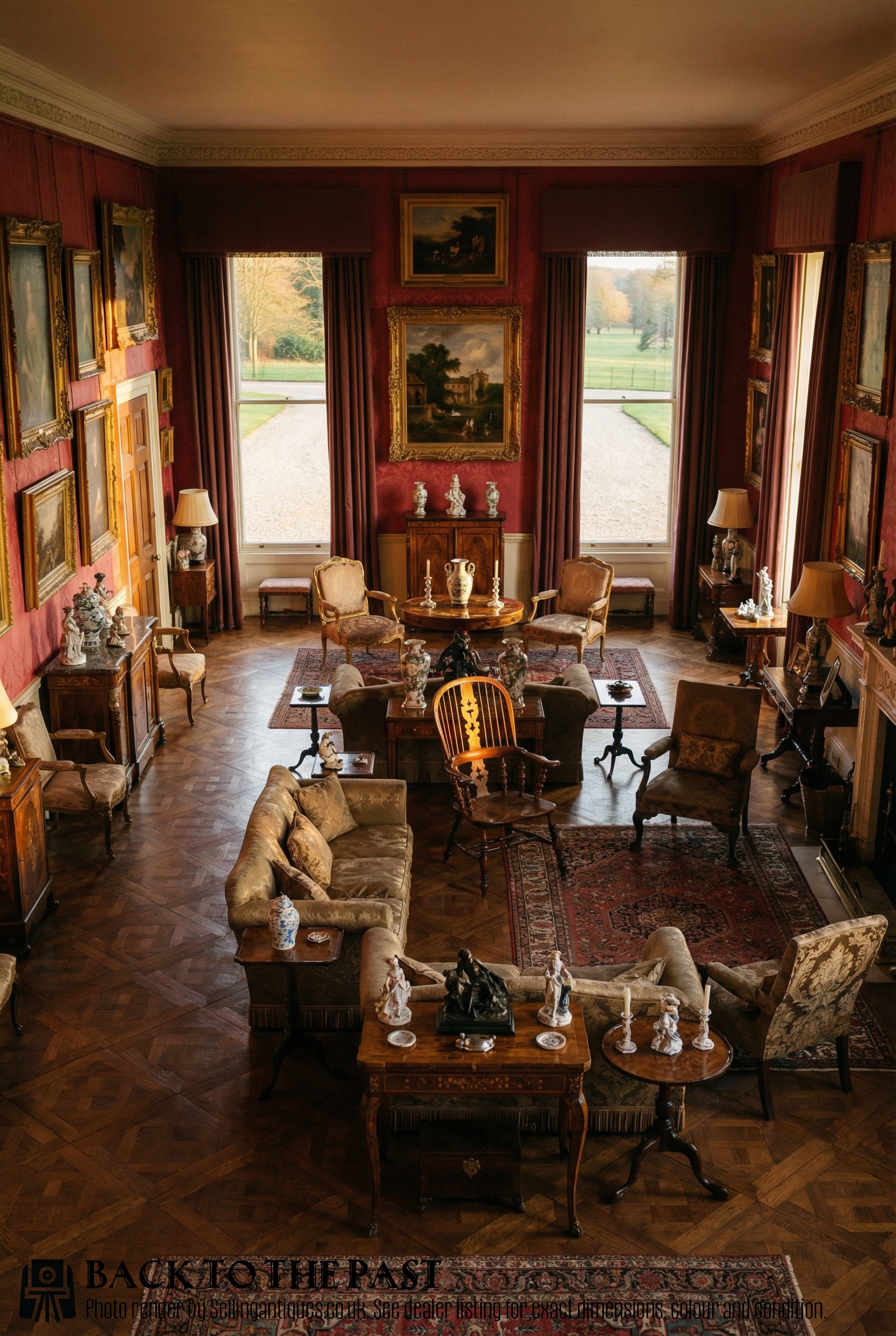
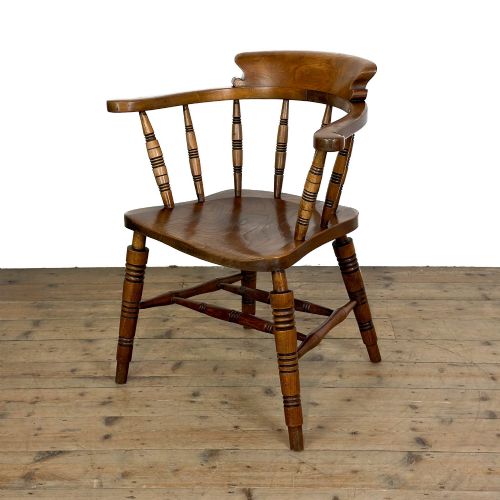
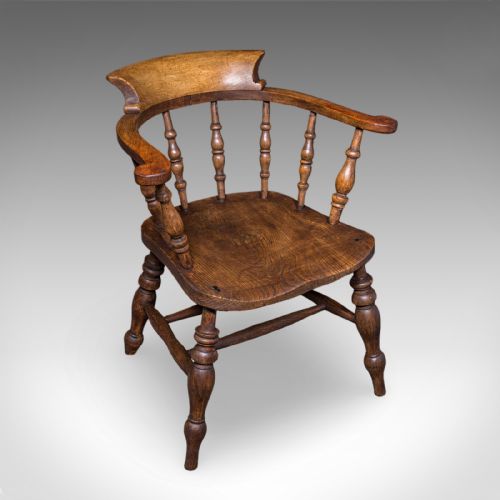
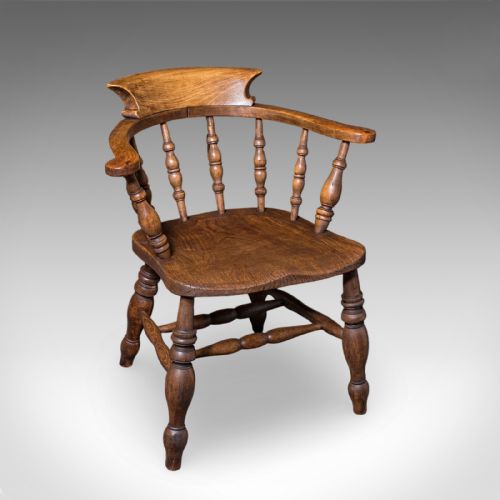
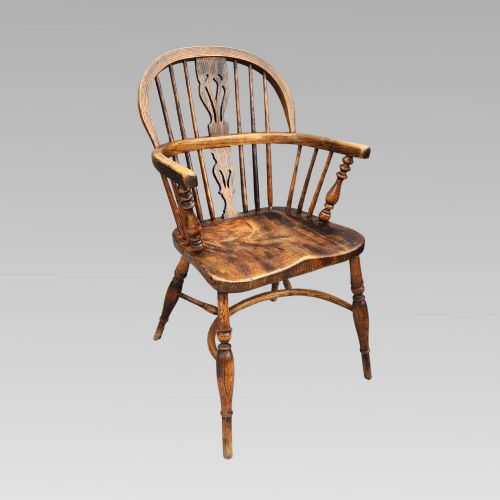
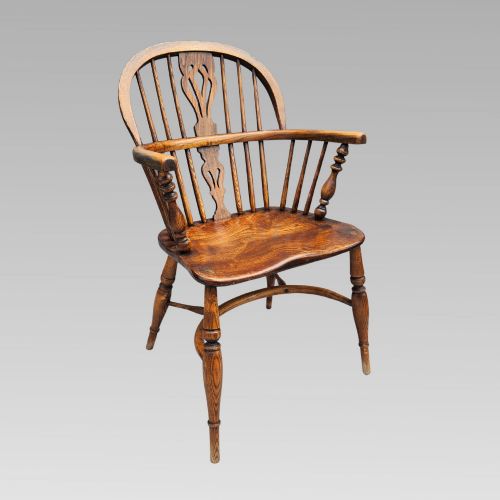
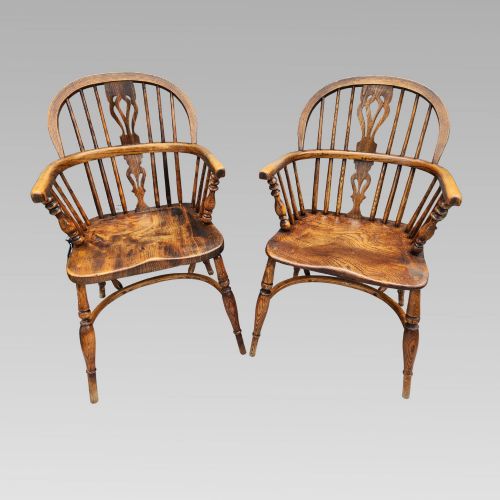
Wonderful Example of an Early 19th Century Broad Arm Windsor Chair., 19th Century
Priced at £575 from Stalham Antique Gallery
They first emerged in the Thames Valley area during the early eighteenth century. Wheelwrights likely adapted their tools to turn the spindles and legs.
Antique Windsor Chairs eventually spread across Britain. Regional hubs developed in places like High Wycombe, creating distinct local variations.
Look at how production split. Bodgers turned legs in woods, while benchmen assembled pieces in town.
Export to America began fairly early on. Craftsmen in the colonies quickly adapted the form using native woods like pine and hickory.
Richard Hewett of Slough operated around the early eighteenth century. He is one early documented maker.
Look out for stamped initials on the seat edge. Men like Prior and Skull in nineteenth-century High Wycombe regularly marked their work this way.
Stamped names became more common after 1830. Many provincial makers remain anonymous, leaving us to identify them only by regional stylistic quirks.
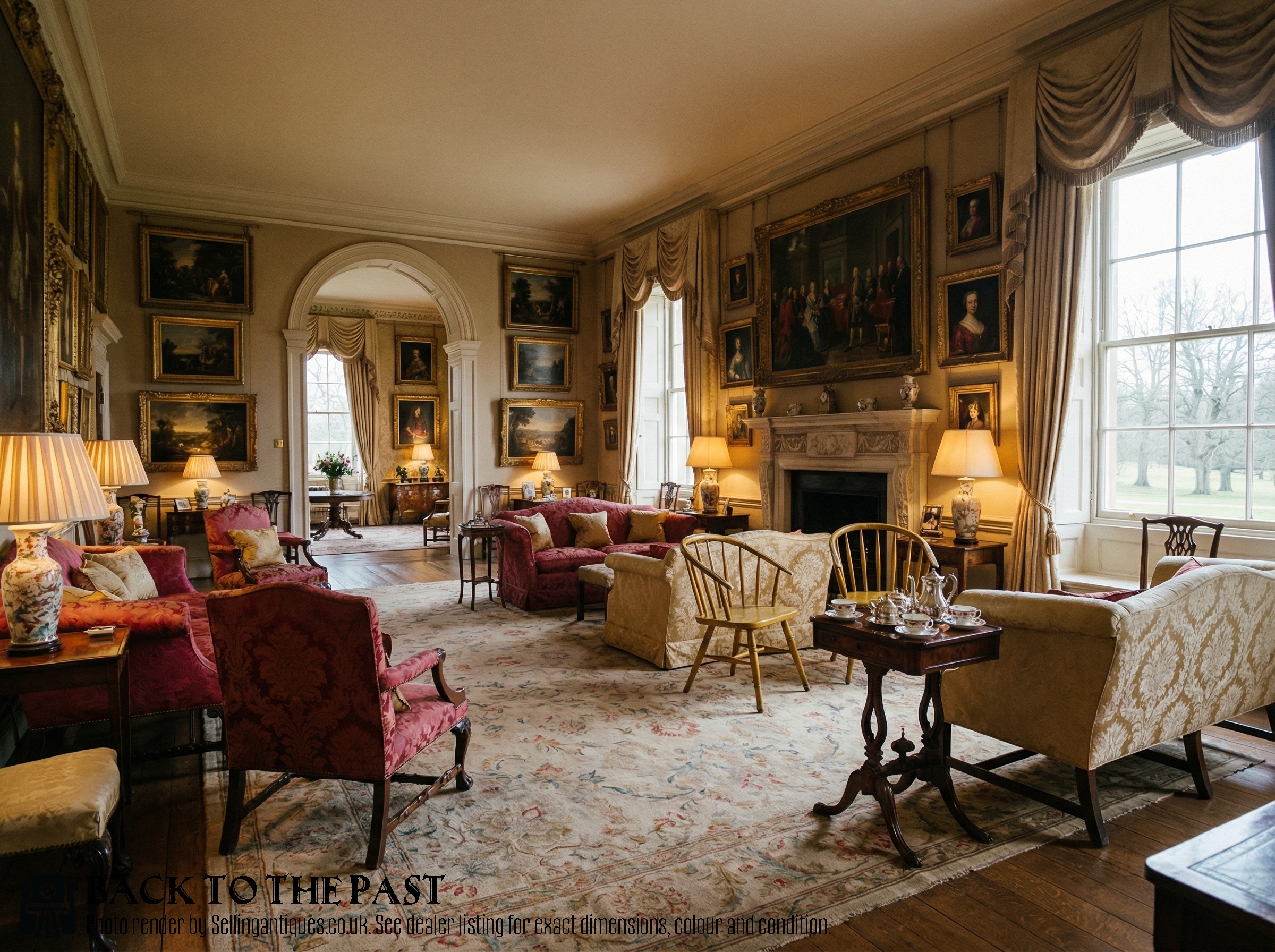
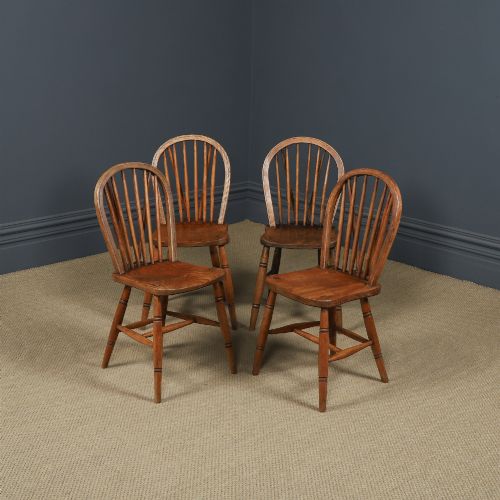
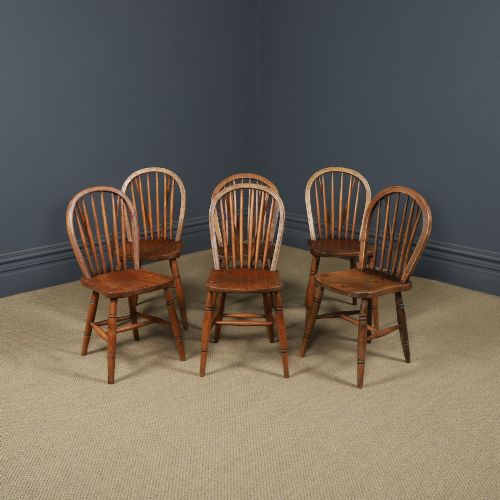
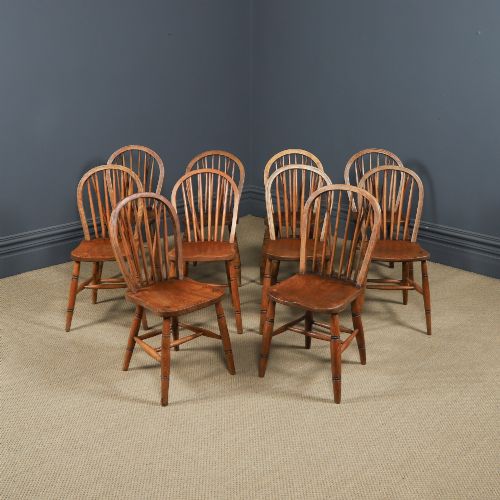
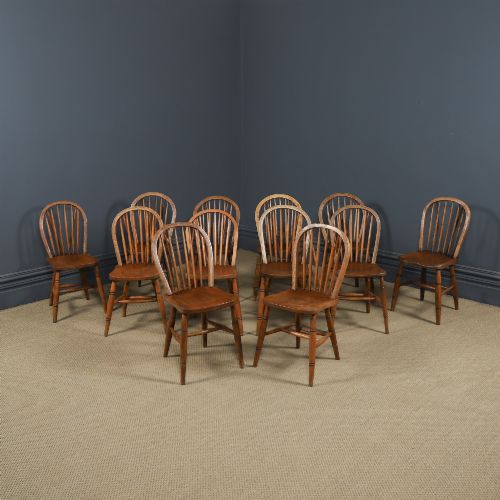
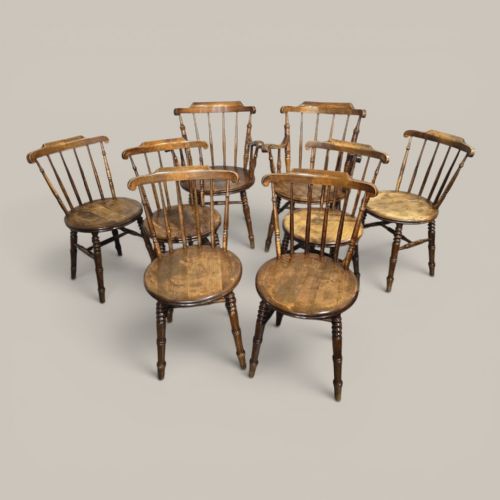
Pair of Painted Windsor Stick Back Chairs, 19th Century
Priced at £1,359 from Kontrast Antiques
The 2026 retail price guide for Antique Windsor Chairs is drawn from a proprietary archive of over 1.1 million retail prices indexed by Sellingantiques since 2003. This guide relies exclusively on their own internal data; no external sources or auction records are used.
Analysing nearly 25 years of UK antique market history alongside current retail values, the data indicates that typical UK retail prices for Antique Windsor Chairs range between £400 and £1,500. Entry-level prices generally fall under £400 and premium examples upwards of £1,500.
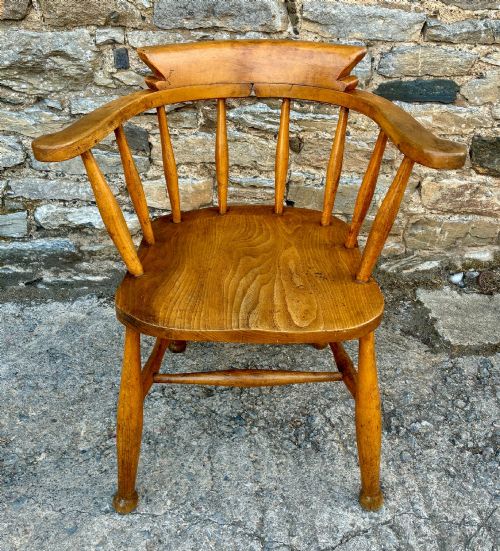
The saddle seat is a defining trait. Carved to fit the human form, it offers good comfort without upholstery.
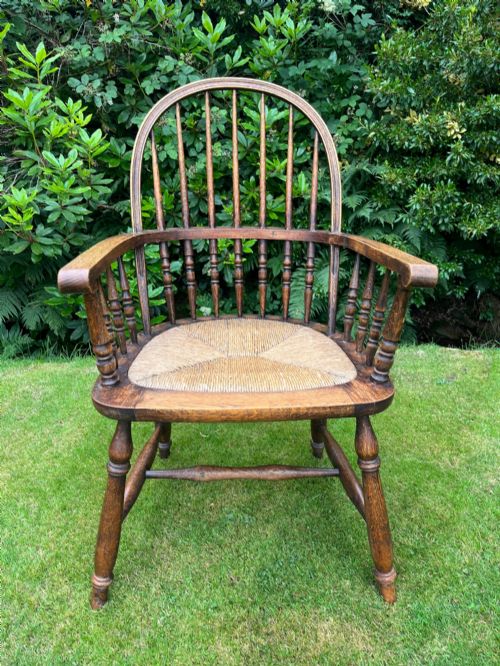
Notice the bentwood bow forming the back. This continuous curve sets them apart from typical joined furniture with rigid stiles.
Stretchers connect the legs. A crinoline arrangement keeps the structure from splaying.
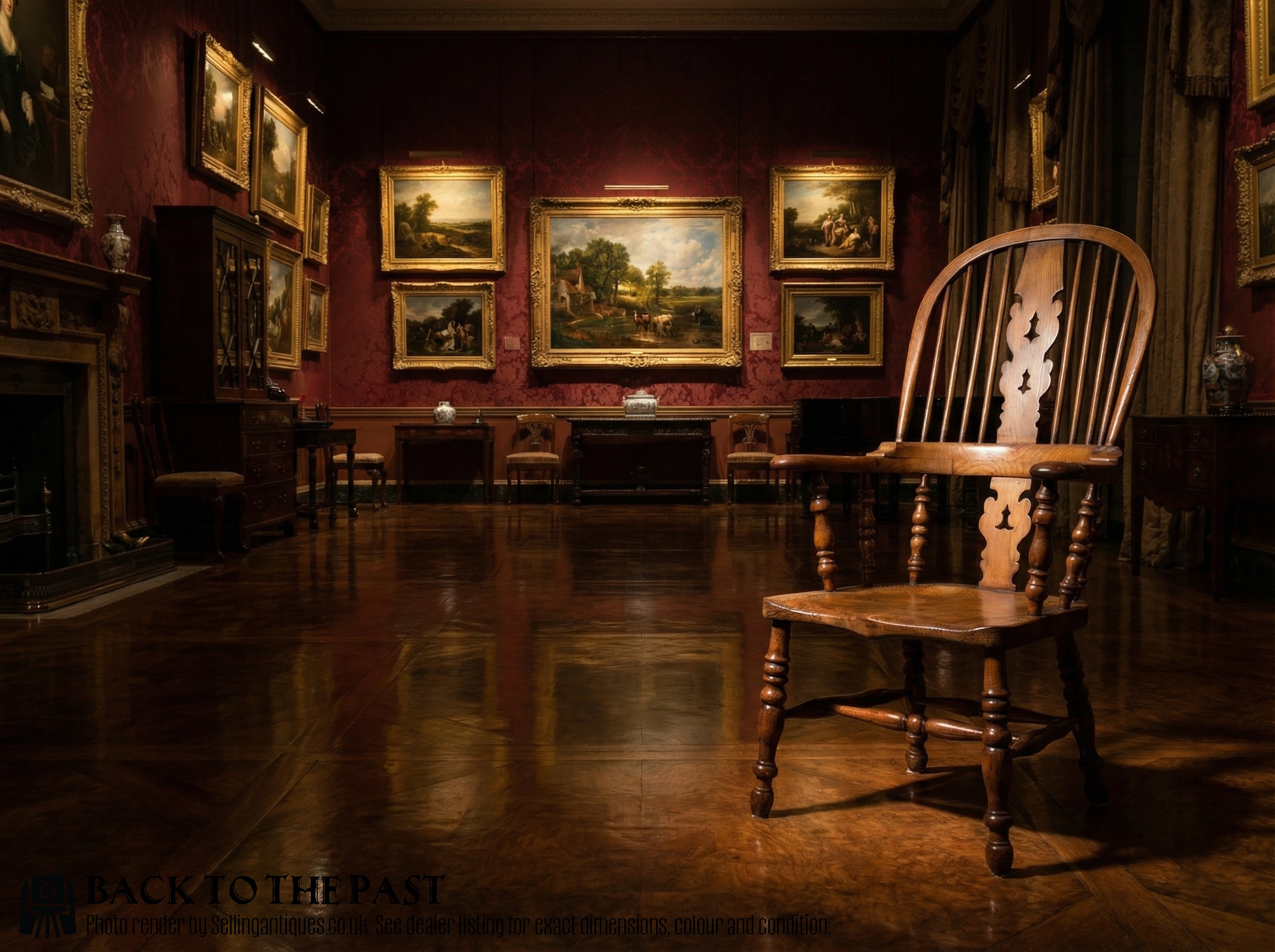
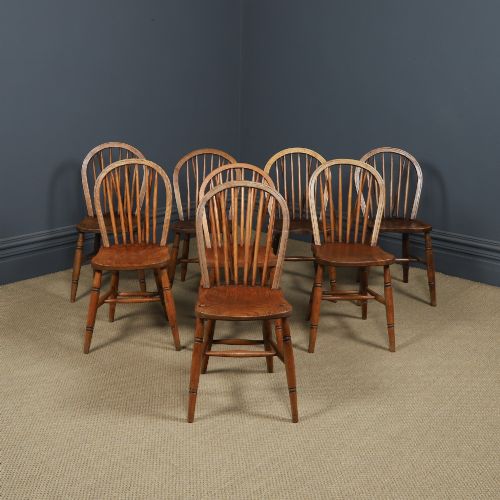
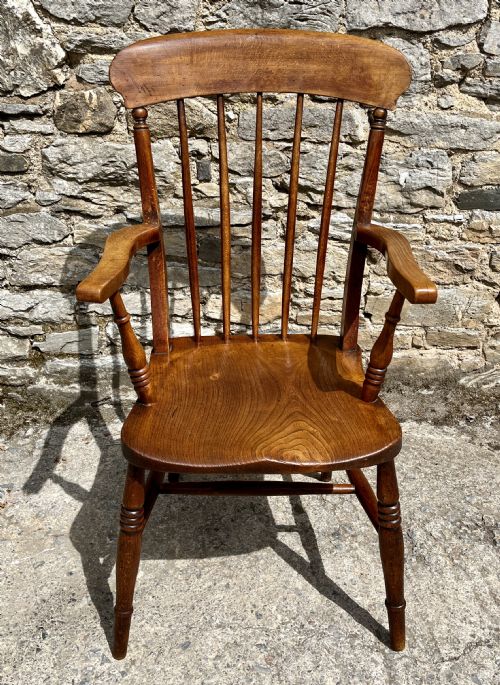
Rare 19th Century Yew, Elm and Ash Windsor Chair C. 1850, 1850
Priced at £800 from Webberley Antiques
Green woodworking techniques dictated the process. Craftsmen split unseasoned logs along the grain to make parts that shrank tightly into place as they dried.
Steaming allowed the ash or yew bows to bend without snapping. It takes skill to coax wood into those tight upper hoops.
Hand-adzed seats show tool marks underneath. Machine-shaped versions lack this uneven texture.
"They served as outdoor furniture in the eighteenth century. Many were painted green to blend into garden landscapes and withstand the damp."
"The design naturally flexes. This slight movement makes them far less rigid than mahogany seating."
"Shifting from hand-tools to early machinery did not diminish their popularity. They became a primary seating choice for reading rooms across Victorian Britain."
Based on almost 25 years of Sellingantiques UK antique market data, Antique Windsor Chairs appeared 6159 times (out of 1,100,000 antiques) which gives it a rarity score of 29/100.
This score measures scarcity within the Sellingantiques archive only and is not a survey of the entire antiques market, so these statistics may not be indicative of the general availability of Antique Windsor Chairs elsewhere.
Wood shrinks across the grain over a century or two. The round hole becomes oval, leaving the turned spindle with room to rattle.
Avoid modern wood glue. A proper repair requires pulling the joint, cleaning the old hide glue, and using a thin animal glue or a wooden wedge to tighten the fit.
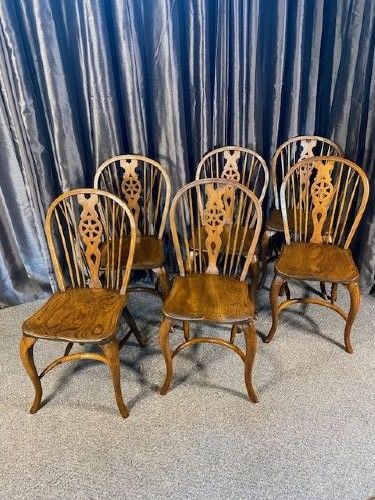
Matched pairs often began life in different workshops. Dealers frequently grouped similar chairs together to make sets for buyers wanting a uniform look around a table.
The wheelback pattern was produced across various counties. Differences in the leg turnings usually mean they were married up later in life.
Most retain traces of old varnish or wax. Stripping them back destroys the patination.
A good beeswax is all they need. Apply it sparingly once a year.
Hand-crafting leaves clear signs behind. The underside of the elm seat should show broad, shallow scoops from an adze, rather than a flat surface.
You might also spot scribe lines near the leg holes. The benchman used these shallow gouges to align the angle of the drill before boring the sockets.
Machine planing became common later on. If the bottom is uniform, it points towards factory production.
Please note: This Antique Windsor Chairs guide and its associated pricing data are provided for general informational purposes only. It does not constitute formal financial, investment, or appraisal advice and should not be relied upon as the sole basis for any commercial activity, purchasing, or sales decisions. Sellingantiques.co.uk accepts no liability for any actions taken in reliance on this information. Always consult with a qualified professional or independent appraiser.
