
A 2026 Guide by Sellingantiques
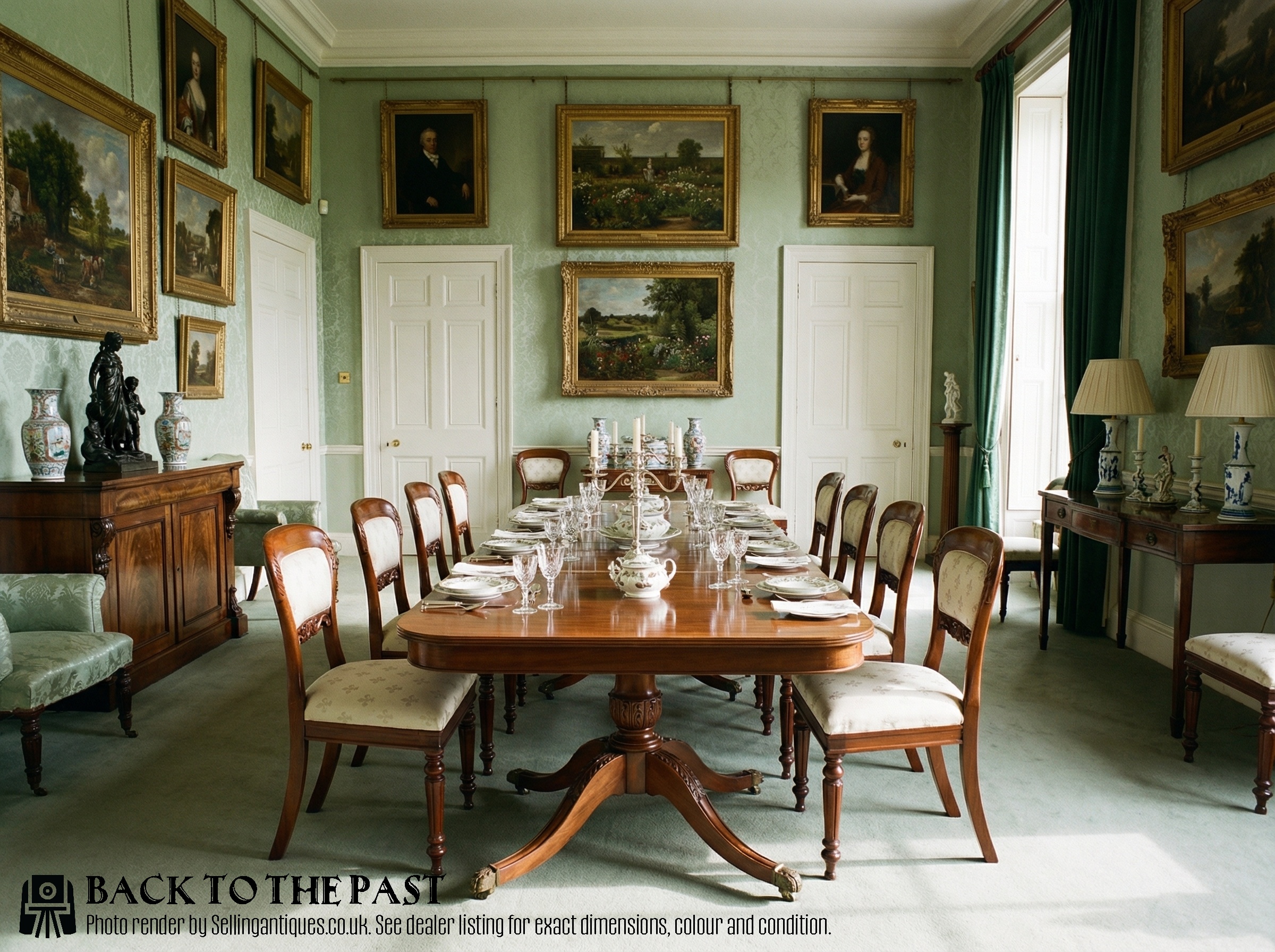
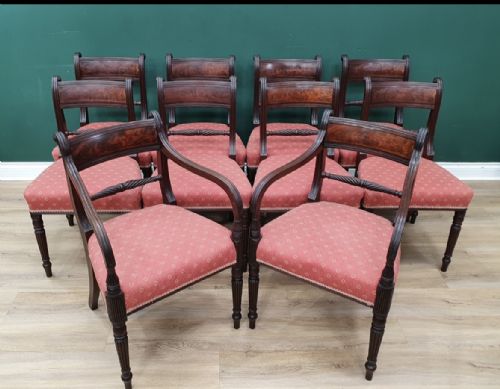
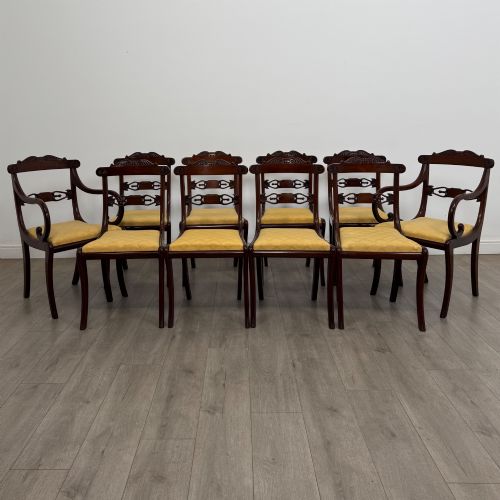
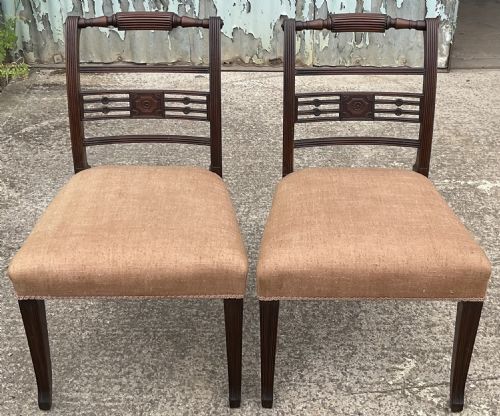
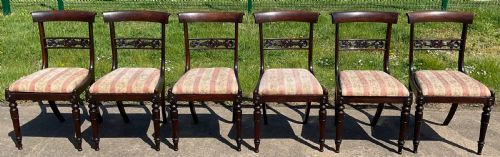
Superb Rare Set of Ten 10 Late Regency William IV Upholstered Mahogany Dining Chairs. C1835, Regency
Priced at £2,500 from CJ Antiques
Rooted in the early nineteenth century. This period saw classical Greek and Roman forms adapted for domestic seating.
Look at the timeline of Antique Regency chairs. They span roughly 1795 to 1830, outlasting the actual Prince Regent's tenure.
Heavy continental influence. The French Directoire and Empire styles crossed the channel despite the ongoing wars.
Dining habits shifted during this era. Lighter, more movable chairs replaced the heavy stationary sets of the previous century.
Gillows of Lancaster and London supplied many sets. Their stamp sometimes survives on the front seat rail edge.
George Smith. He published pattern books in 1808 that influenced the production of heavier archaeologically inspired seating.
Keep Morgan and Sanders in mind. They operated in the Strand and made numerous documented sabre-leg designs.
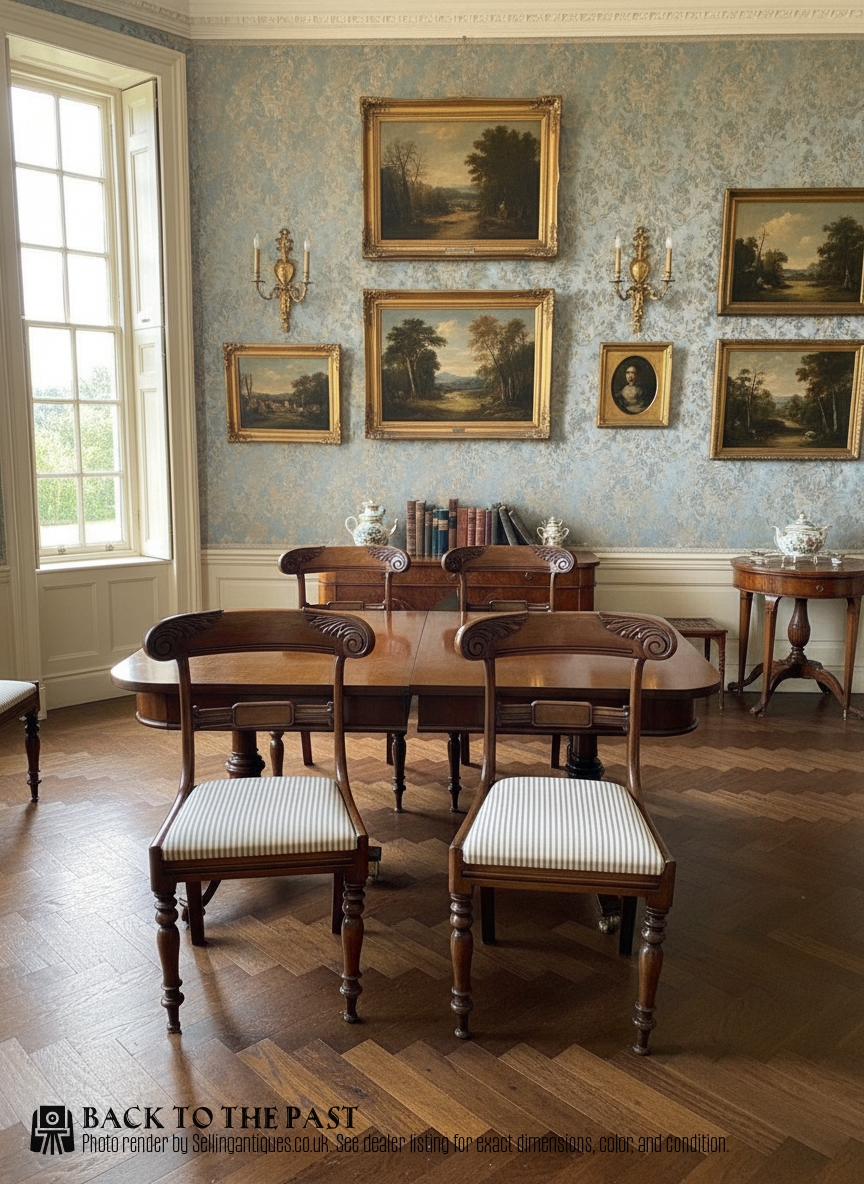
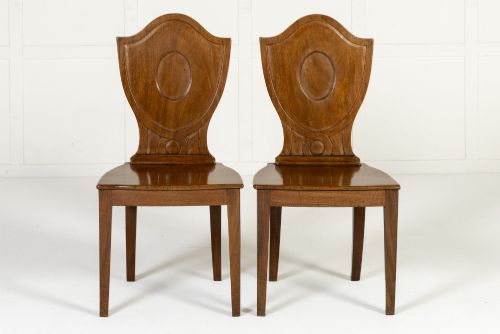
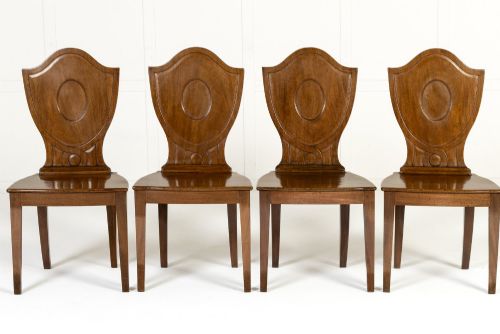
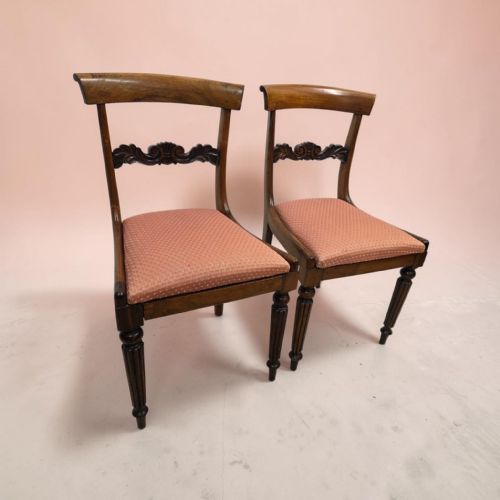
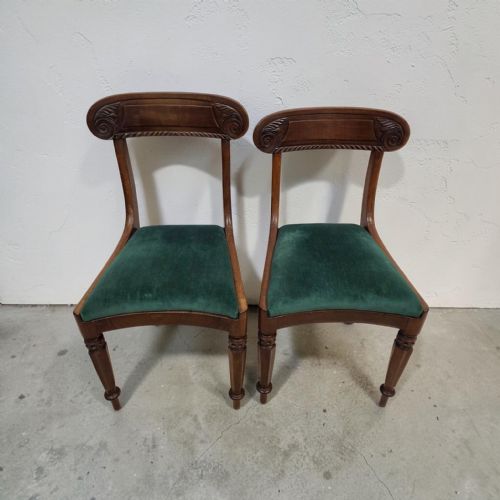
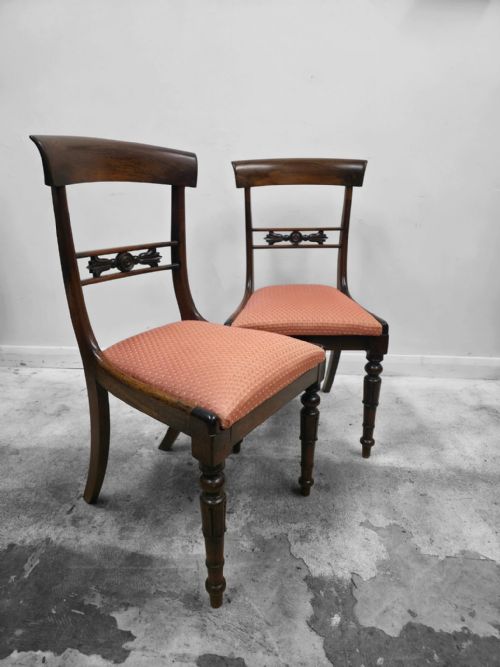
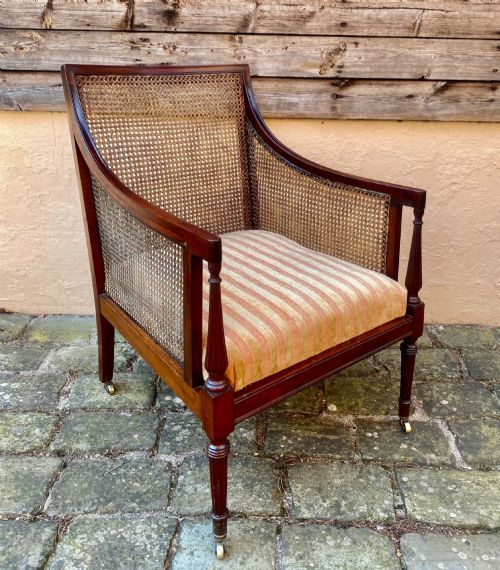
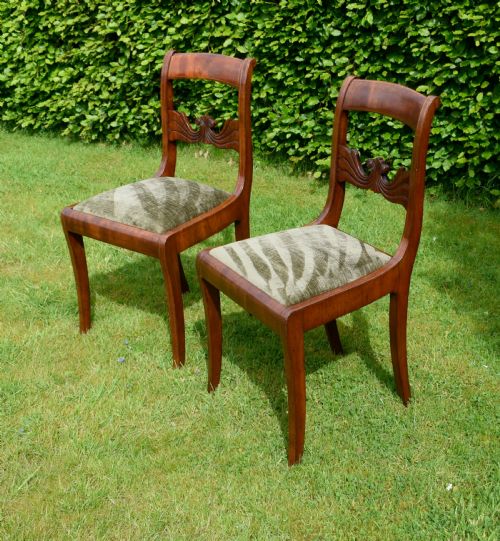
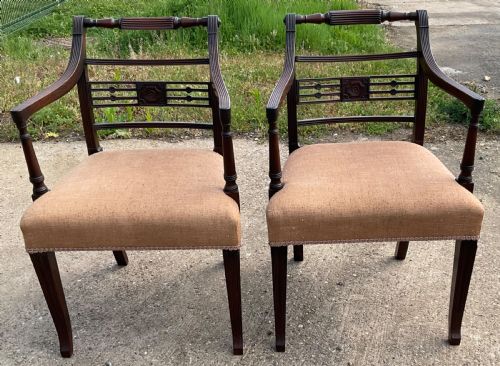
Set of 4 Antique Regency Quality Mahogany Dining Chairs, 19th Century
Priced at £1,685 from London City Antiques
The 2026 retail price guide for Antique Regency Chairs is drawn from a proprietary archive of over 1.1 million retail prices indexed by Sellingantiques since 2003. This guide relies exclusively on their own internal data; no external sources or auction records are used.
Analysing nearly 25 years of UK antique market history alongside current retail values, the data indicates that typical UK retail prices for Antique Regency Chairs range between £600 and £4,000. Entry-level prices generally fall under £600 and premium examples upwards of £4,000.
Sabre legs are the main identifier. These curve outward from the seat to the floor, mimicking ancient Greek klismos chairs.
Tablet top rails. A broad, flat cresting rail usually spans the top of the backrest.
Notice the rope-twist carving. This naval motif features on the middle horizontal splat of many Antique Regency chairs.
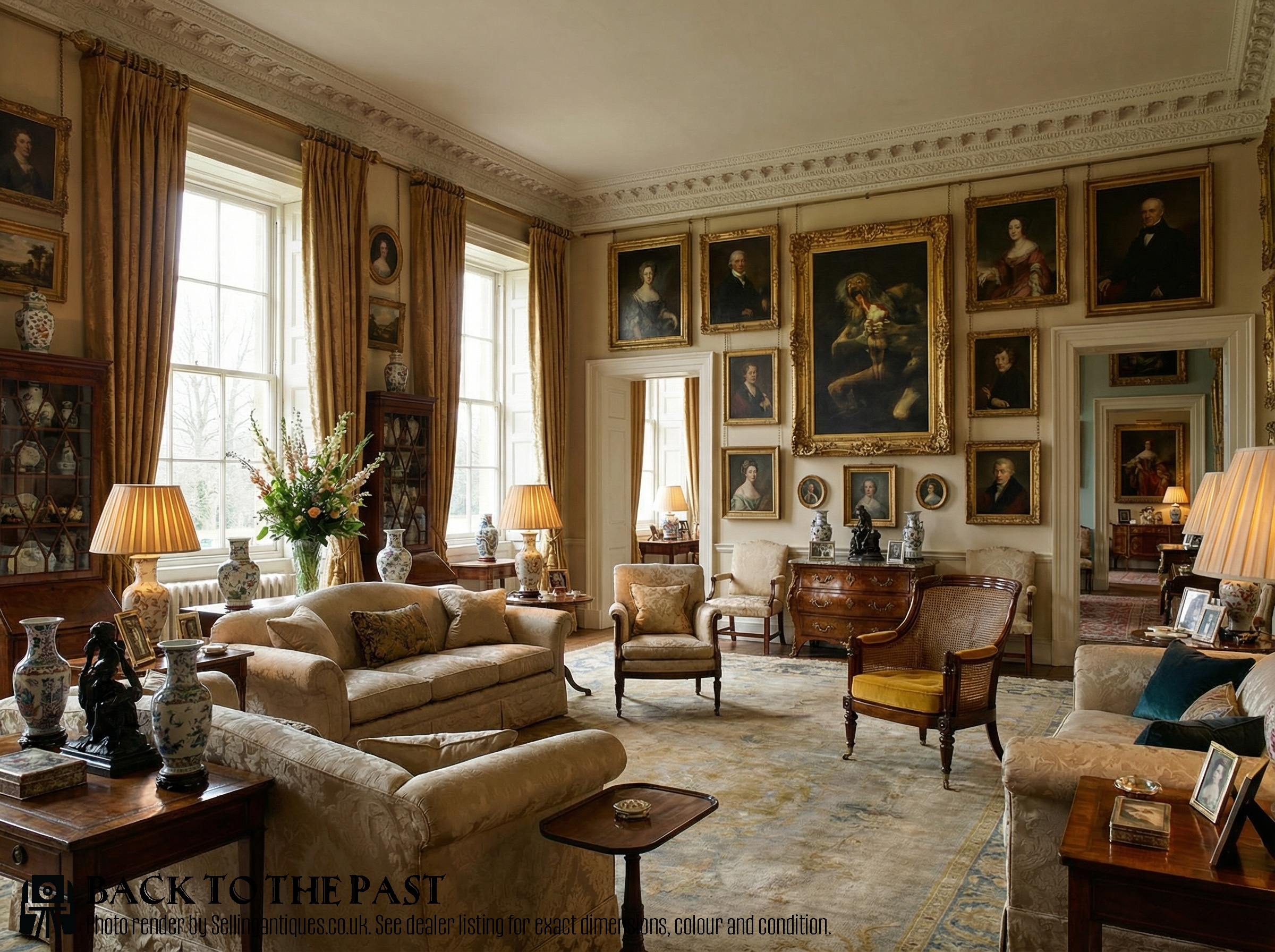
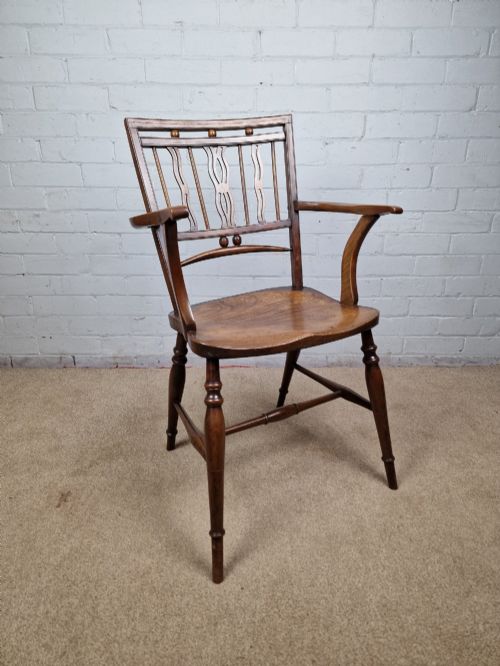
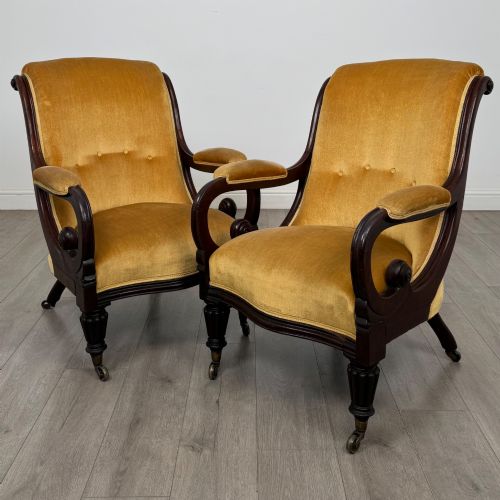
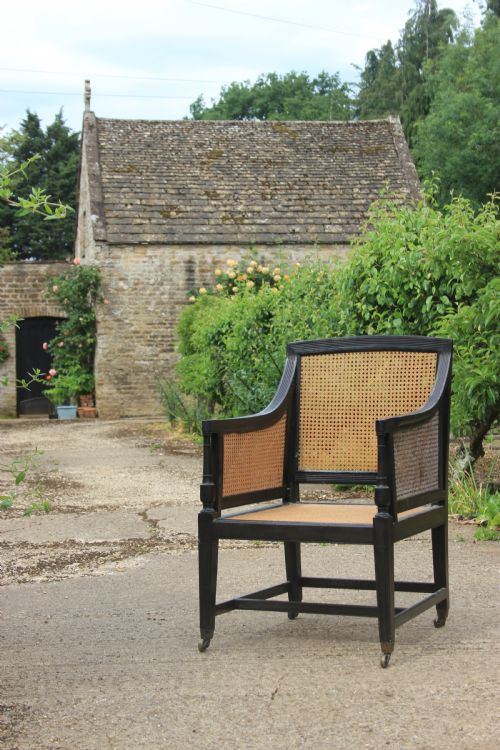
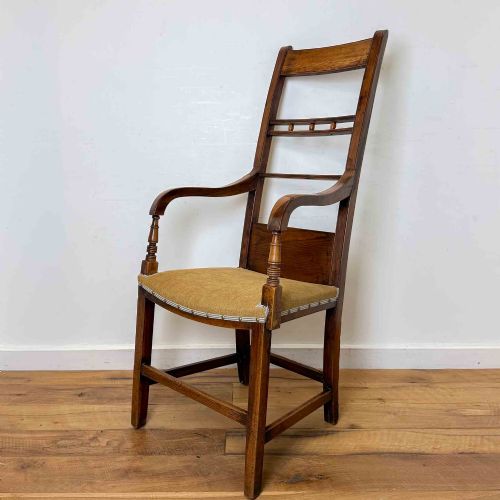
An Unusually Large Regency Bergere Chair, Regency
Priced at £4,850 from W.J. Gravener Antiques Ltd.
Makers relied on stout mortise and tenon joints to secure the seat rails to the curved back uprights.
Ebonised finishes. Craftsmen painted beech wood black and added gilt lines to imitate imported brass-inlaid rosewood.
Turn the frame over. You'll find small wooden blocks glued into the internal corners to reinforce the joints.
"Painted surfaces were often prized. Many were finished with painted floral borders that rivalled the appeal of natural wood grains."
"Look at the castors. The period introduced neat brass cup castors that fitted over the tips of turned front legs."
"Simulated bamboo. Craftsmen turned and painted beech wood to mimic bamboo stalks on many drawing room examples."
Based on almost 25 years of Sellingantiques UK antique market data, Antique Regency Chairs appeared 5072 times (out of 1,100,000 antiques) which gives it a rarity score of 36/100.
This score measures scarcity within the Sellingantiques archive only and is not a survey of the entire antiques market, so these statistics may not be indicative of the general availability of Antique Regency Chairs elsewhere.
Most sets handle modern fabrics without issue. The drop-in seat frames just require a fabric with decent tension strength to prevent sagging. Silk damasks and heavy cotton weaves are common choices.
Avoid thick modern foams underneath the fabric. Traditional horsehair stuffing keeps the correct flat profile that suits the period frame.
Loose stringing is a standard repair. A restorer will carefully lift the loose brass strip and clean out the old animal glue from the channel. They then re-glue the metal and clamp it flat.
Don't try to push it back down yourself. The brass bends easily and a kink will ruin the clean line.
They can be vulnerable on deep pile carpets. The outward sweep of the leg means dragging the chair puts stress on the back joints.
Lift them from the seat rails when moving them.
Early nineteenth-century seating usually sits lower than modern equivalents. The average seat height runs a few centimetres short of modern dining standards. This sometimes causes issues with thick table friezes.
Firm upholstery helps. A well-stuffed drop-in pad lifts the sitter slightly higher and stops them sinking below a comfortable dining position.
Please note: This Antique Regency Chairs guide and its associated pricing data are provided for general informational purposes only. It does not constitute formal financial, investment, or appraisal advice and should not be relied upon as the sole basis for any commercial activity, purchasing, or sales decisions. Sellingantiques.co.uk accepts no liability for any actions taken in reliance on this information. Always consult with a qualified professional or independent appraiser.
