


A 2026 Guide by Sellingantiques
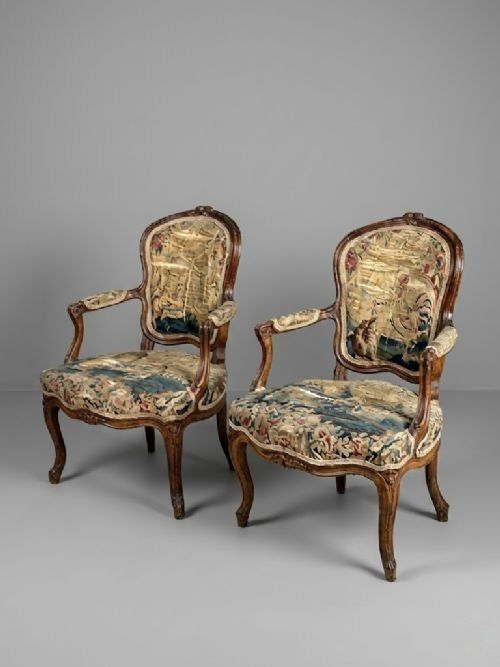
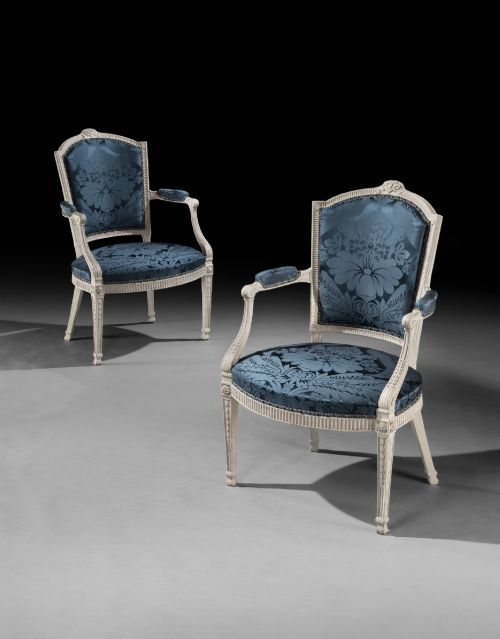
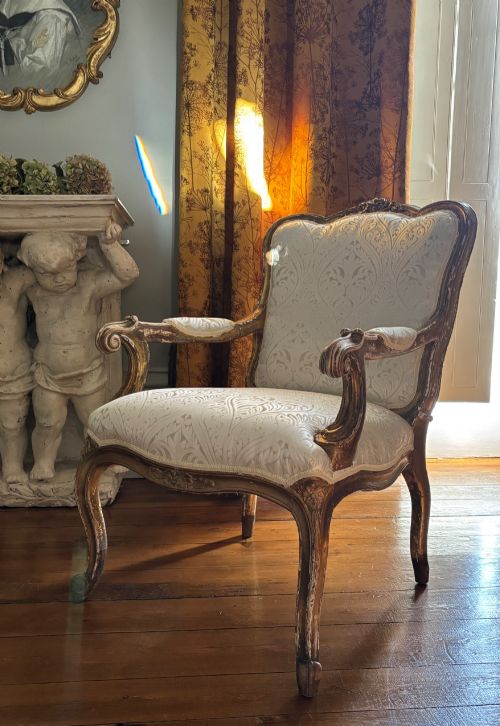
Pair French Painted Armchairs, 1900
Priced at £695 from Millers Antiques
The antique fauteuil emerged in France during the late seventeenth century when seating became slightly more relaxed.
Room for wide skirts and heavy formal coats. Practical considerations driving a change in aristocratic seating habits.
Look at the transition from Louis XIV to Louis XV periods. Stiff upright backs gradually yielded to curved profiles.
Open sides solved that clothing problem while still looking grand in a formal reception room.
Georges Jacob produced large quantities of seating during the Louis XVI period. He often stamped his frames underneath the rail.
Jean-Baptiste Tilliard. Another documented name, known for frames featuring carved heart-shaped cartouches.
Look for regional guild stamps on the back legs. Provincial craftsmen rarely signed their work otherwise.
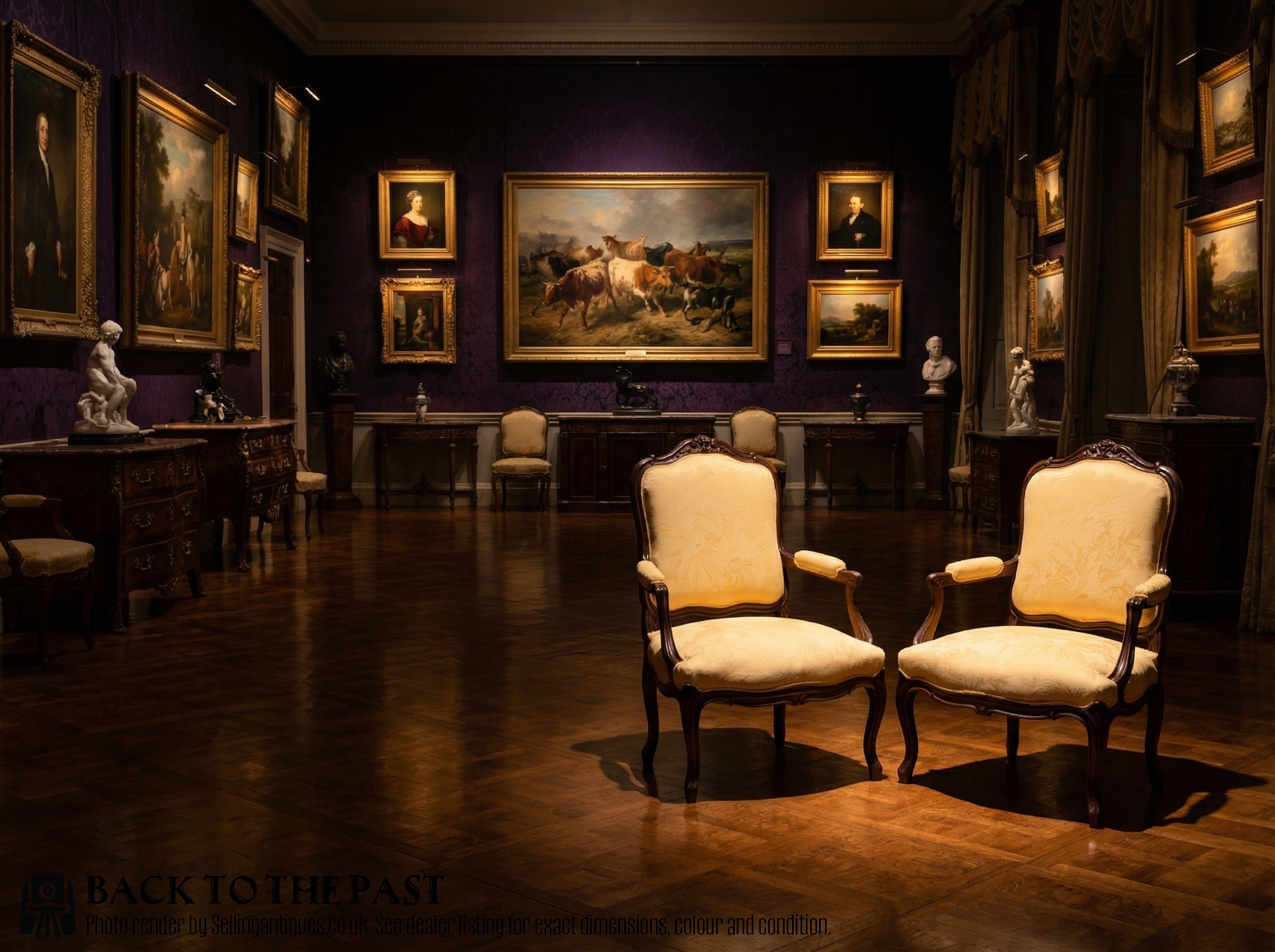
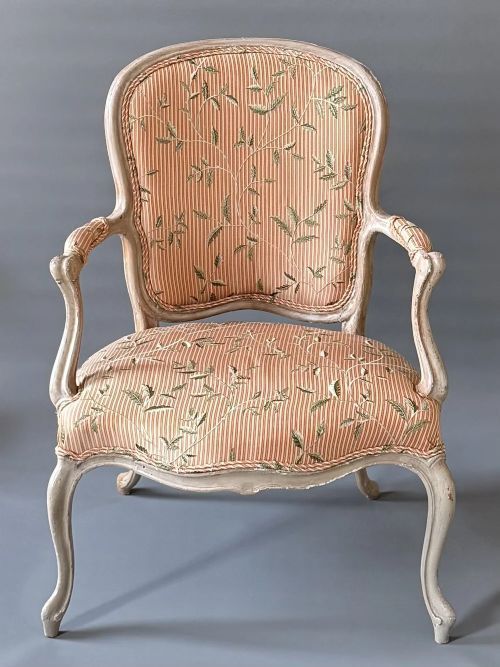
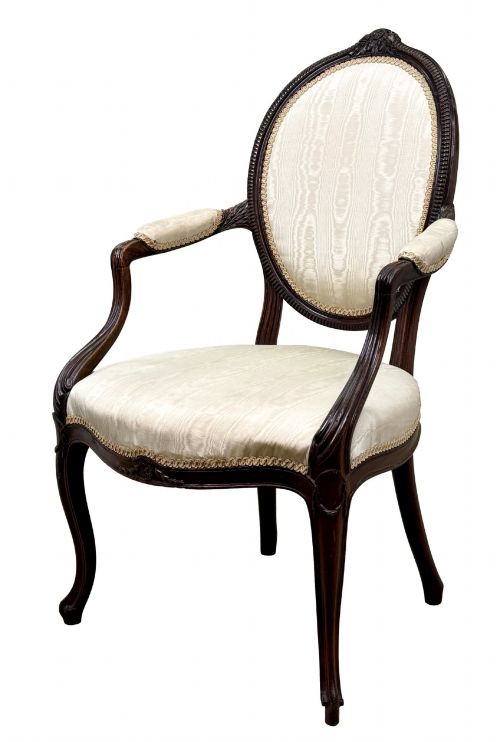
Pair of French Rosewood Fauteuils, 1880
Priced at £975 from Camden Antiques
The 2026 retail price guide for Antique Fauteuil is drawn from a proprietary archive of over 1.1 million retail prices indexed by Sellingantiques since 2003. This guide relies exclusively on their own internal data; no external sources or auction records are used.
Analysing nearly 25 years of UK antique market history alongside current retail values, the data indicates that typical UK retail prices for Antique Fauteuil range between £700 and £3,800. Entry-level prices generally fall under £700 and premium examples upwards of £3,800.
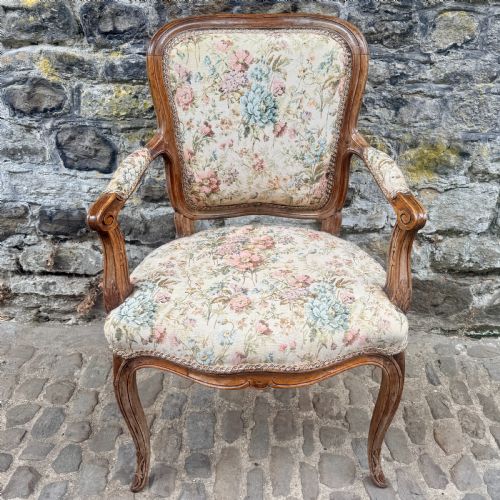
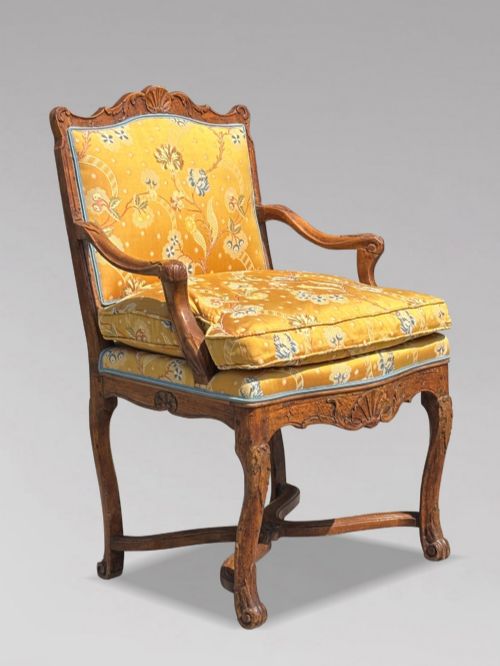
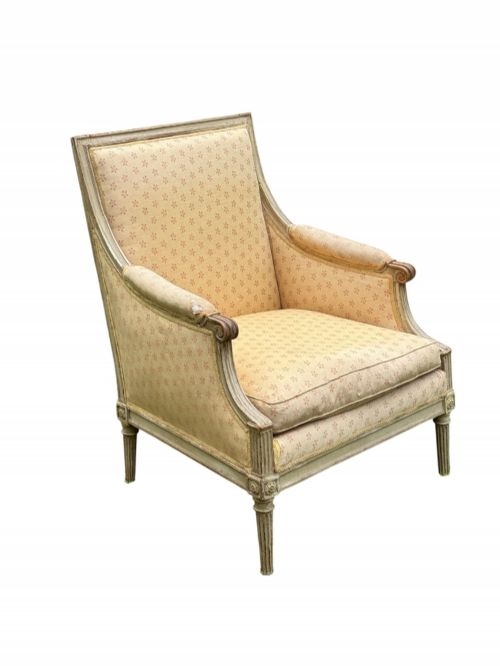
Open sides below the armrests separate a fauteuil from a solid-sided bergère.
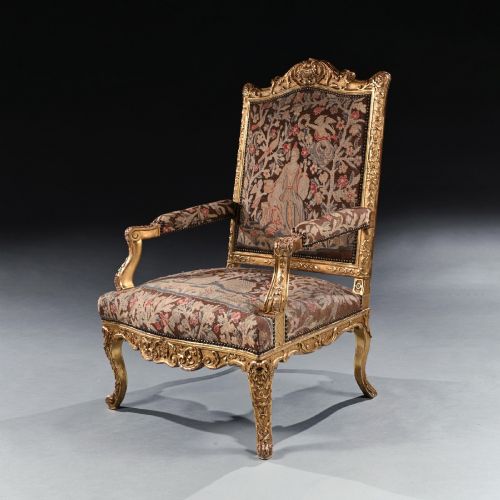
Small upholstered pads. Called manchettes, they sit on top of the wooden arms.
Notice how the exposed wooden frame remains visible around the upholstered back panel.
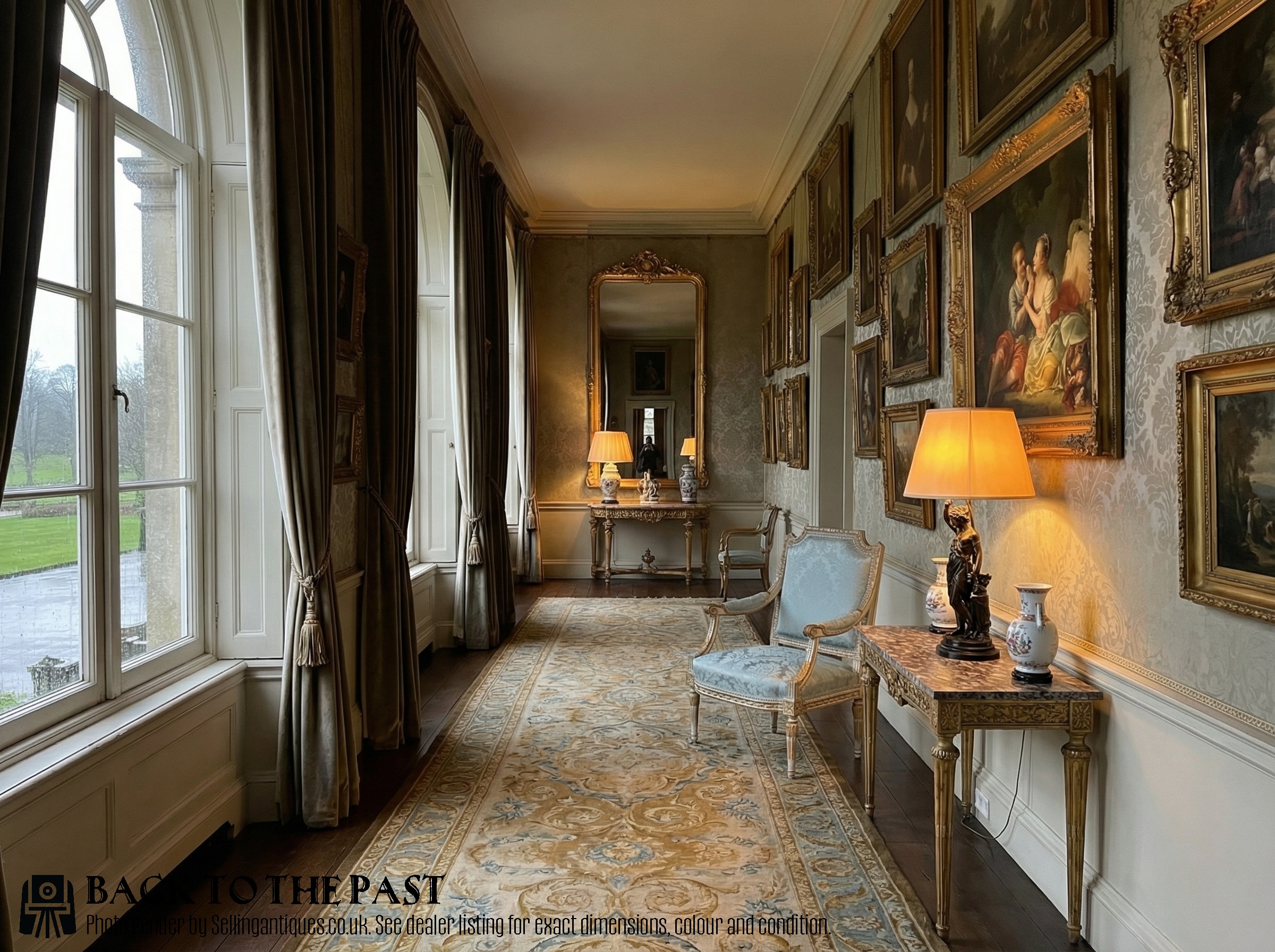
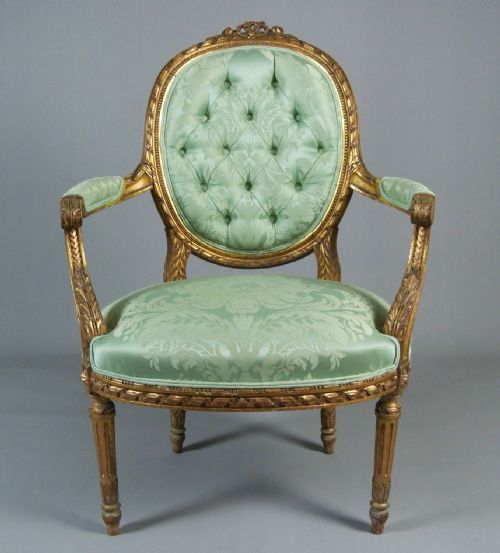
Beautiful Louis Xvi Style Fauteuil Armchair, 19th Century
Priced at £875 from William Rand Antiques
Early craftsmen relied on robust pegged mortise and tenon joints to secure the legs to the heavy seat rails.
Carving cut directly into the solid timber frame. No applied decoration here.
Turn the chair over. You will see how upholstery methods shifted from simple webbing to more complex coiled springs.
"Open arms allowed sitters to display their expensive sword hilts without catching the fabric."
"Arm supports gradually moving back from the front legs. A clever way to handle even wider dresses in the eighteenth century."
"Consider the original placement. These chairs were frequently part of large matching suites meant to line the walls of a single salon."
Based on almost 25 years of Sellingantiques UK antique market data, Antique Fauteuil appeared 1142 times (out of 1,100,000 antiques) which gives it a rarity score of 80/100.
This score measures scarcity within the Sellingantiques archive only and is not a survey of the entire antiques market, so these statistics may not be indicative of the general availability of Antique Fauteuil elsewhere.
Gently dust the surface with a soft brush. Keep water away from it.
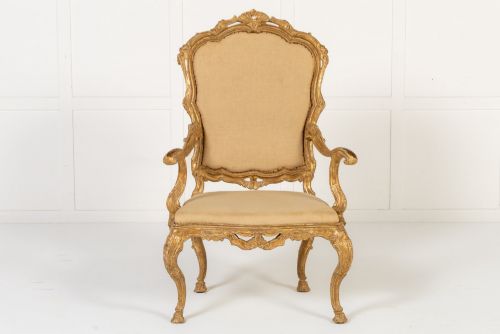
Moisture dissolves the traditional glue holding the gold leaf. Wet frames lose their gilding.
Silk damask or plain linen are traditional choices. Linen wears well and suits provincial frames of an antique fauteuil.
Wool tapestries were common originally. They can feel heavy for modern interiors.
Many buyers choose a neutral cotton weave. A plain fabric lets the carved wooden frame stand out.
A skilled upholsterer can sometimes save the top fabric while replacing the structural webbing underneath. They will carefully unpick the base layer and stretch new jute webbing across the frame.
If the springs themselves have collapsed, the job grows complex. The tension relies on the whole internal structure working together. It usually makes sense to rebuild the seat foundation properly from the timber up.
Loose joints are common but need addressing. The frame relies on tension to stay rigid. When one joint loosens, the others take on extra stress.
Have a restorer inject traditional hide glue into the tenons. Clamping it tight overnight fixes the problem.
Please note: This Antique Fauteuil guide and its associated pricing data are provided for general informational purposes only. It does not constitute formal financial, investment, or appraisal advice and should not be relied upon as the sole basis for any commercial activity, purchasing, or sales decisions. Sellingantiques.co.uk accepts no liability for any actions taken in reliance on this information. Always consult with a qualified professional or independent appraiser.
