

Antique Pill Boxes
Very small lidded boxes made to be carried in a pocket or reticule, for pills, cosmetic face patches or snuff.
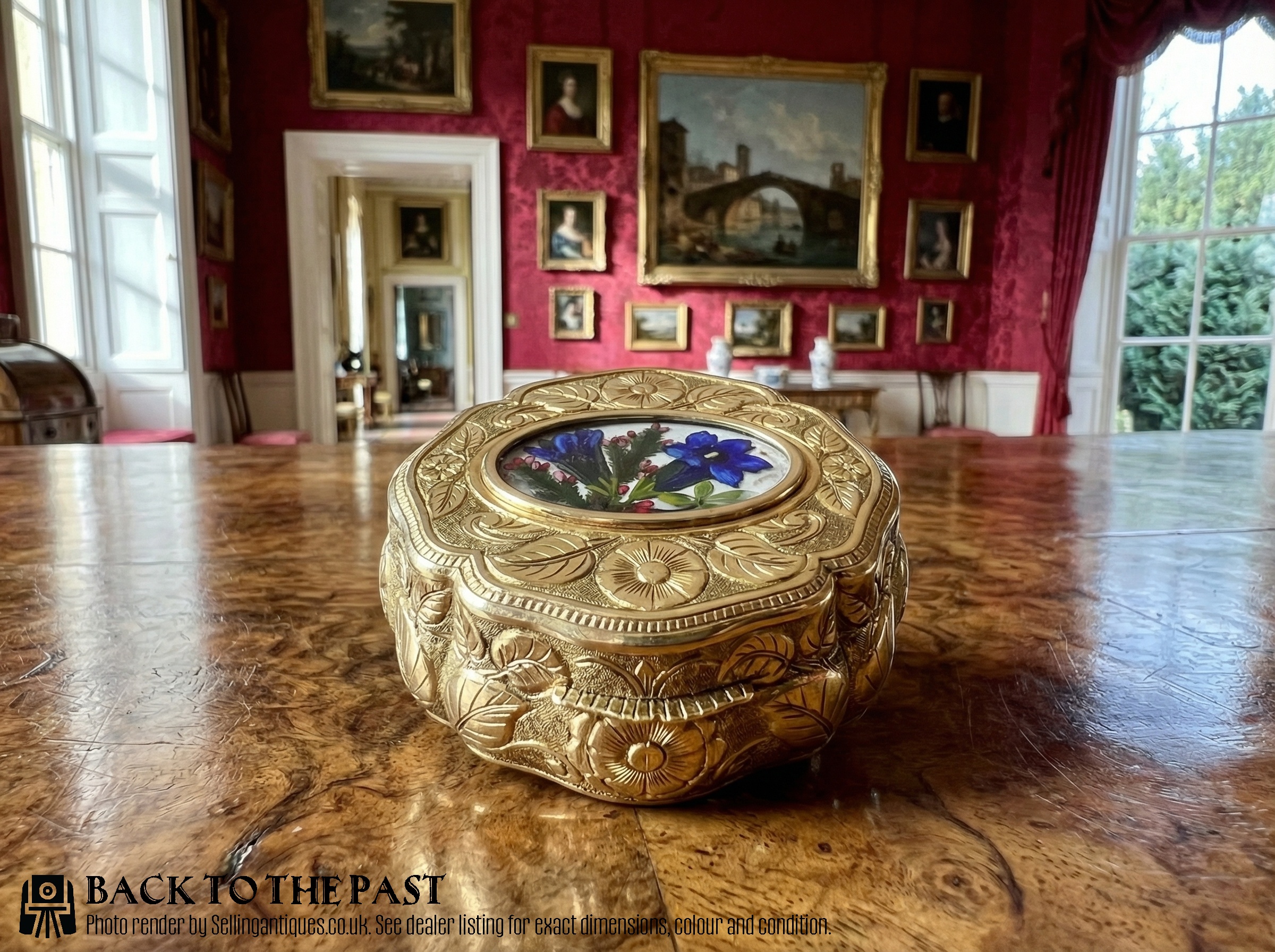
Antique Pill Boxes
The heading covers a group of tiny lidded boxes rather than one object. Of 121 titles on Sellingantiques, 46 say snuff and 16 say patch, with trinket, powder, vinaigrette and bonbonniere boxes filed alongside. Read titles alone and you'll meet more snuff boxes than pill boxes.
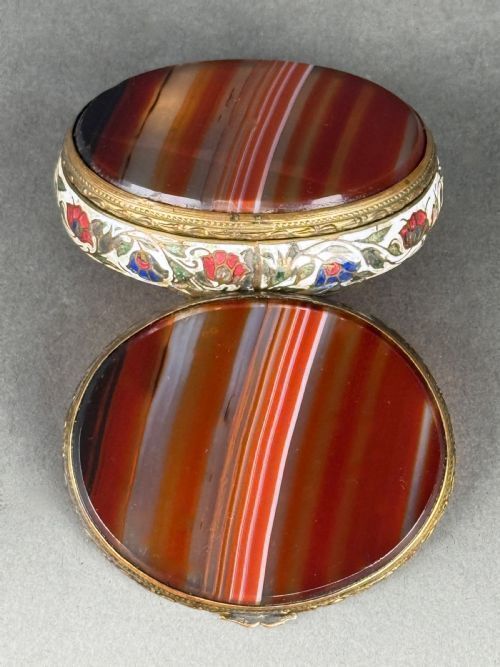
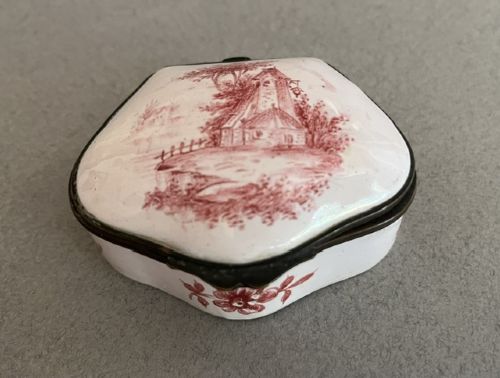
The single most likely encounter is a small enamel-on-copper box of English 18th-century type, usually called a patch or pill box and dated 1770 to 1800. Enamel appears in 32 titles, Bilston in 12 and Staffordshire in 9, and those named enamels cluster tightly on 1775 to 1800.
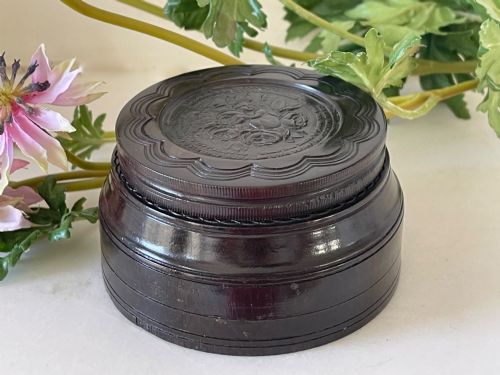
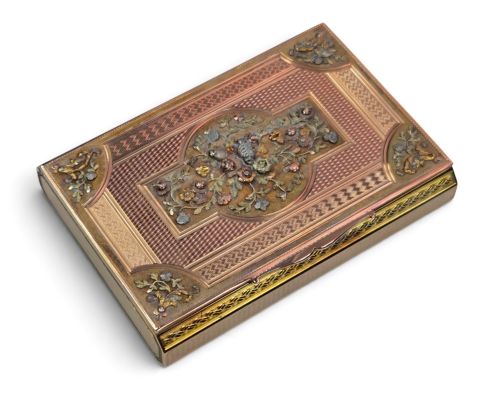
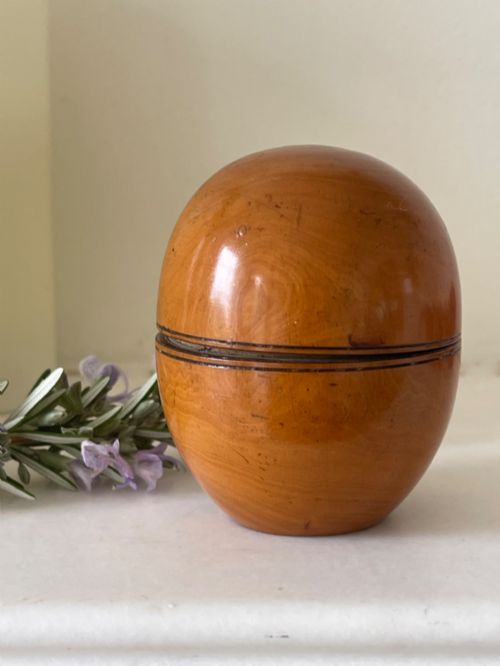
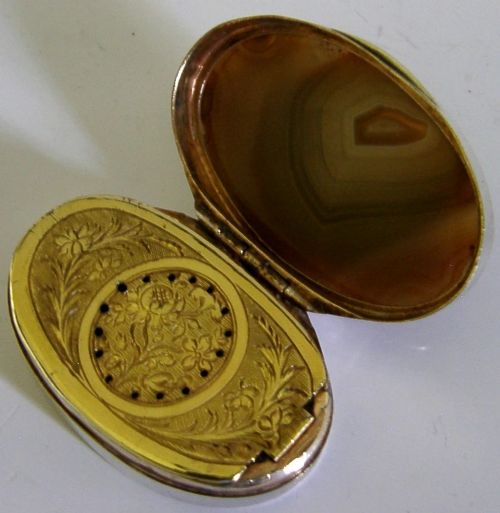
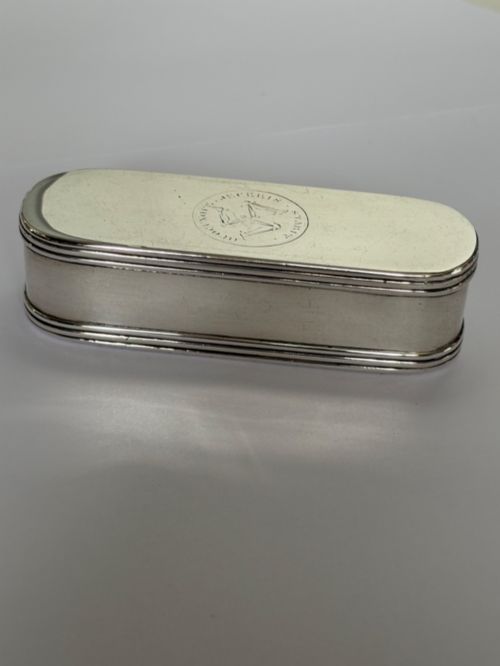
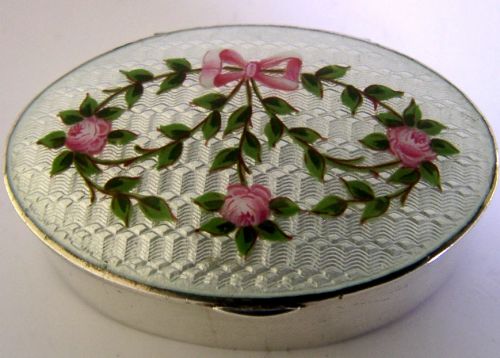
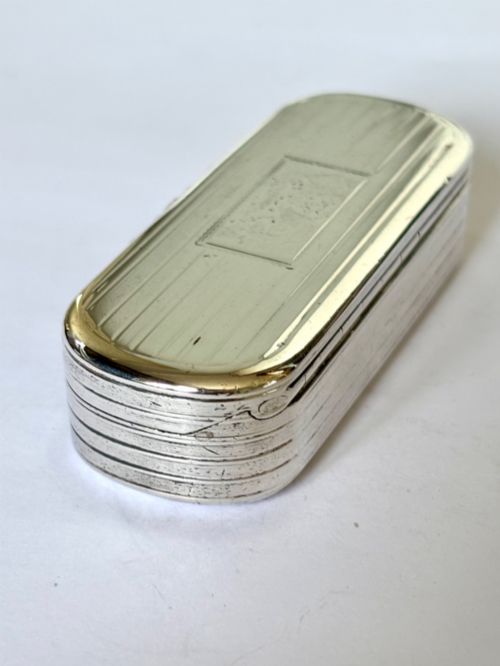
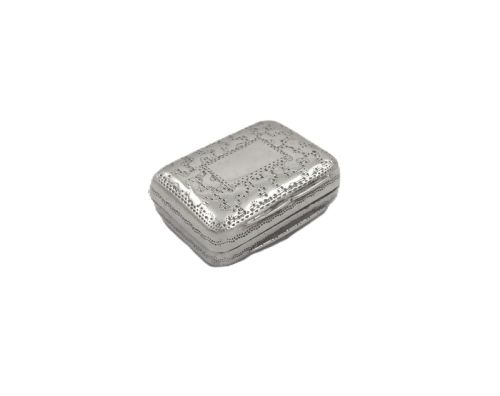
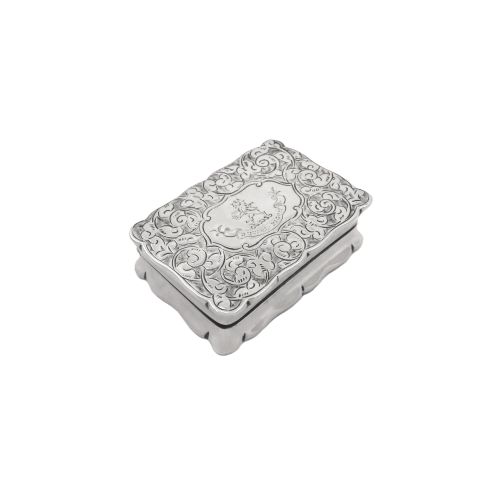
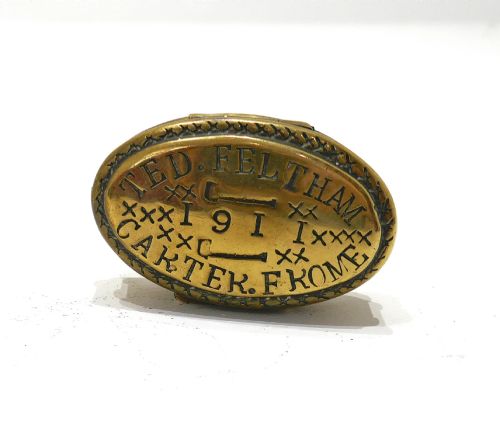
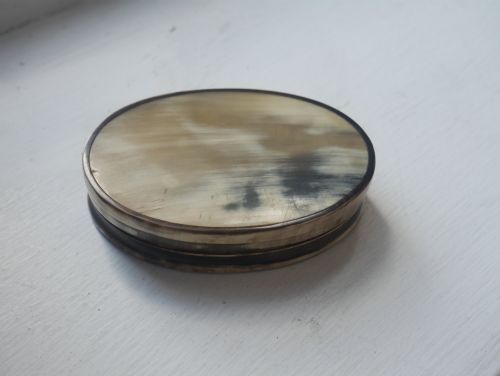
Behind the enamels sit silver and silver-gilt boxes, 23 titles, some with guilloche enamel over an engine-turned ground. Snuff boxes bring in tortoiseshell, horn, coquilla nut, papier-mache, burr walnut and specimen woods. Gold appears in 13 titles, including vari-coloured gold and gold-and-agate. Treen makes a small corner: boxwood pill rounders, pill silverers, rosewood and laburnum.
Dating is broad. Only 28 of the 121 listings carry a clean year, and the rest sit in buckets, 19th Century, 18th Century and Georgian doing most of the work, even where a title quotes a hallmark year. Assay towns named in titles are London and Birmingham only, with hallmark years running from 1795 to 1927.
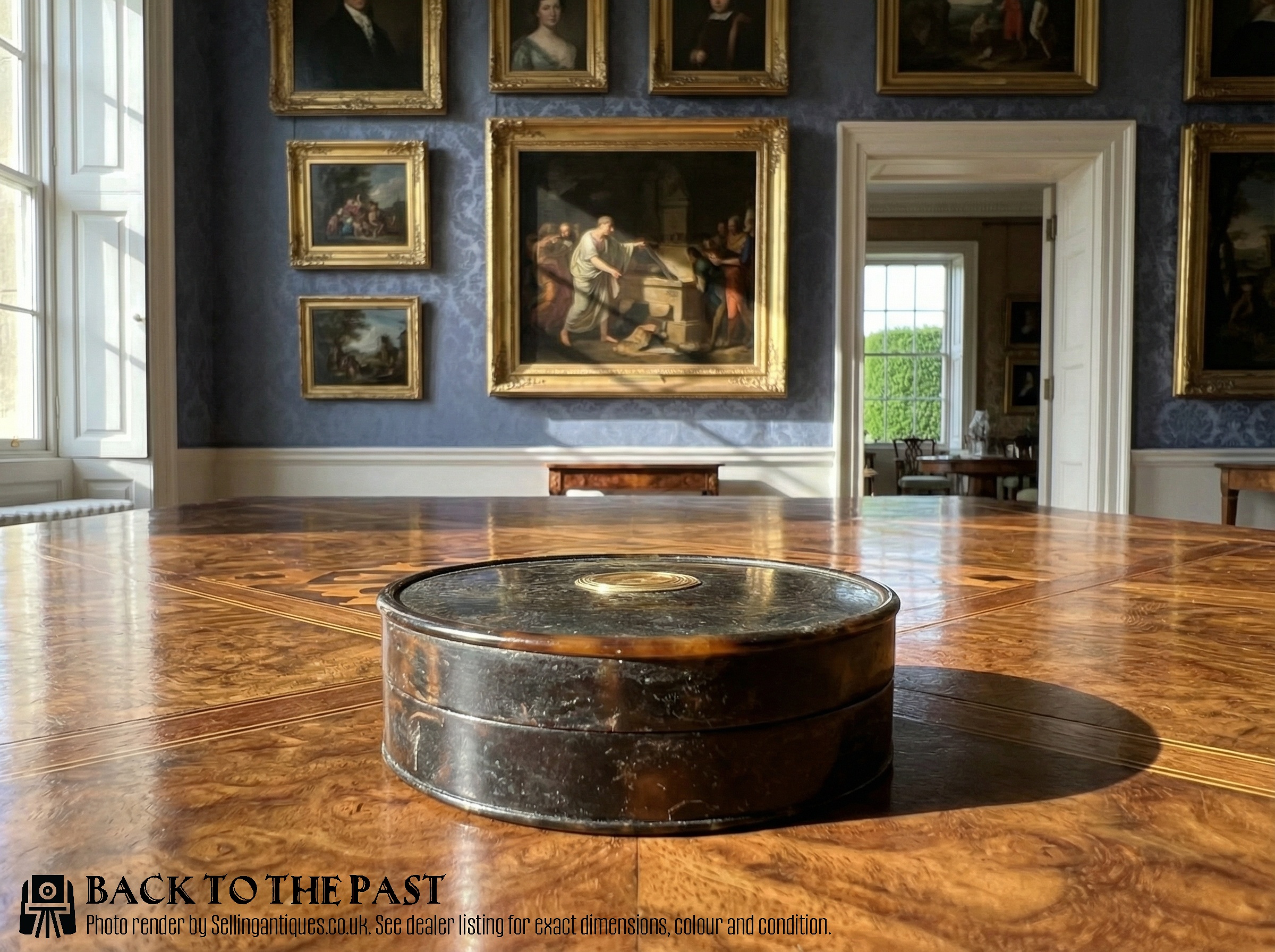
What Sets Them Apart
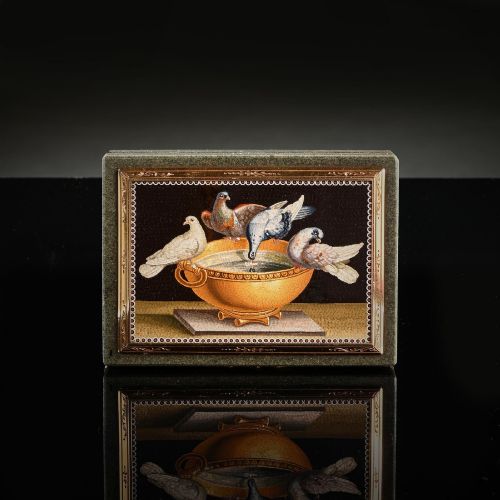
Material does most of the sorting. Gold and precious-mounted boxes hold the top of the range, vari-coloured and three-colour gold snuff boxes and gold-mounted micromosaic among them. Turned boxwood containers, pill rounders and small glass sit at the bottom, useful apothecary objects made without ornament.
Within the enamels, a named origin lifts a box. Bilston and South Staffordshire are the one consistently named source, in 21 titles between them, and an unattributed late 18th-century enamel box sits well below them. Decoration pulls the same way: figural scenes and place mottoes such as Cheltenham Wells or a token of esteem stand above plain floral painting.
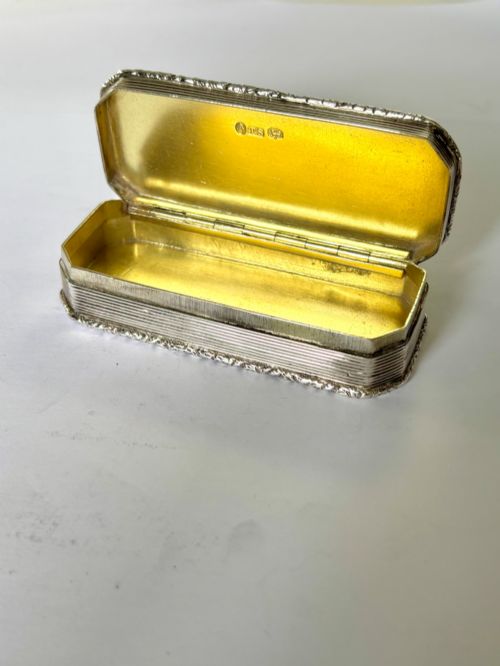
Within silver, an assay town and a year in the title carry weight over undated boxes. So does documented detail of another kind, a stated weight in grams or an original case, both of which cluster at the upper end of what has sold.
Antique Pill Boxes Retail Price Guide 2026
Typical UK retail prices for pill boxes, calculated from the Sellingantiques database of over a million retail prices indexed since 2003. This retail price guide relies exclusively on Sellingantiques data; no external sources or auction records are used, so the figures do not describe the wider market.
The rarest origins on Sellingantiques include a Beijing enamel snuff box, a Japanese cloisonne box and a Swedish carved oak box. French is the commonest non-British origin.
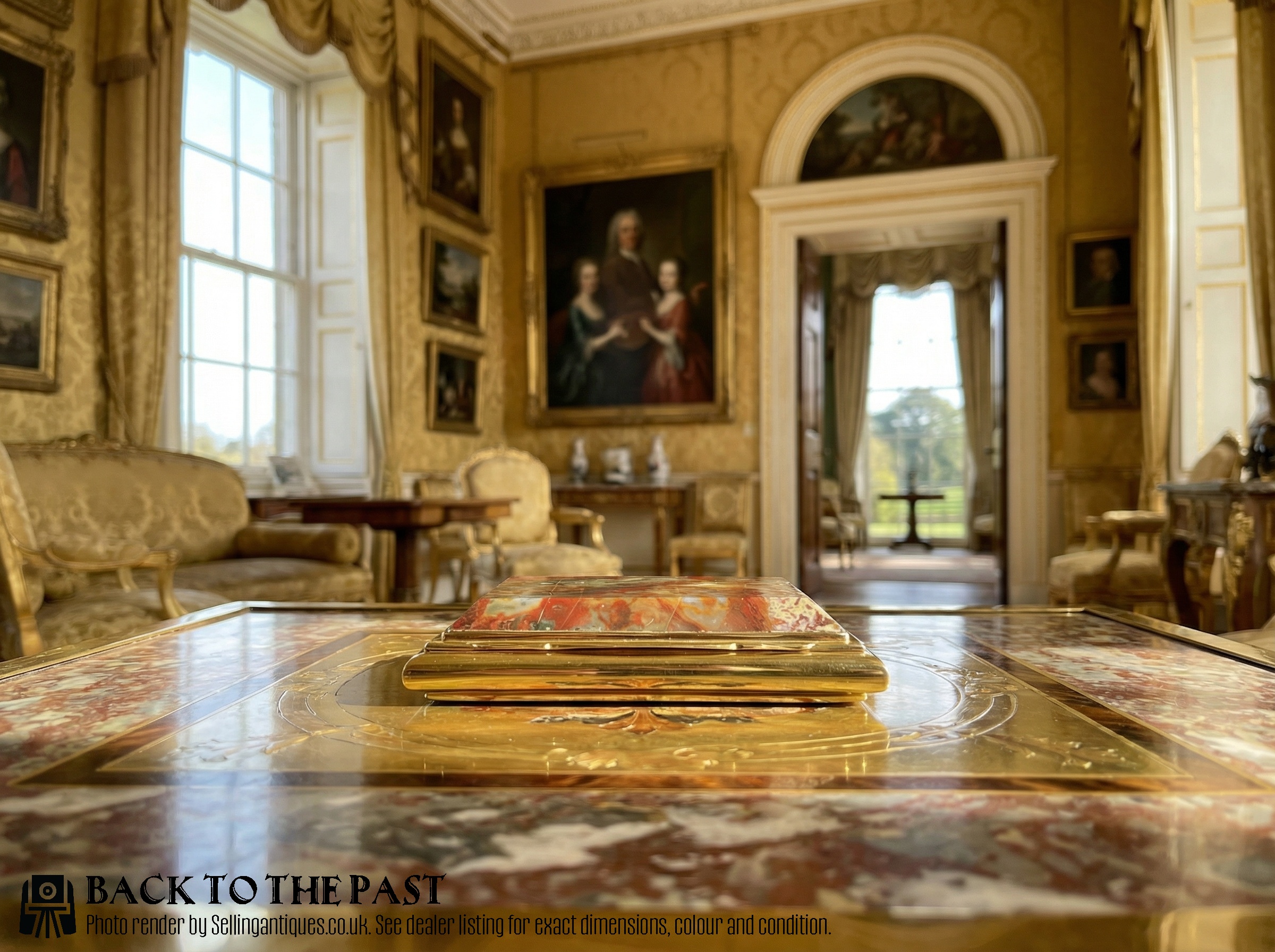
The Antique Pill Boxes Glossary
- Patch box
- A tiny box for the cosmetic beauty patches worn on the face, often enamelled and mottoed, and frequently with a mirror set inside the lid.
- Bilston enamel
- Enamel painted on a copper base, made in the Bilston area of South Staffordshire. The commonest named type under this heading.
- South Staffordshire
- The broader enamelling district, used in titles where Bilston itself isn't claimed.
- Treen
- Small turned or carved domestic woodware, used here of boxwood, rosewood and laburnum pill boxes.
- Pill silverer
- A small turned wooden vessel in which an apothecary coated pills with silver leaf by rolling them.
- Guilloche enamel
- Translucent enamel laid over a machine-engraved ground so the pattern shows through, seen on the 1910s to 1930s silver boxes.
Antique Pill Boxes: Frequently Asked Questions
Why are so many listed as snuff boxes?
The heading gathers several kinds of small lidded box. Snuff wording dominates, appearing in 46 of 121 titles against 16 that say patch.
Trinket, powder, vinaigrette and bonbonniere boxes sit under the same label, so the group is wider than the name suggests.
What period do these boxes come from?
The long 18th and 19th centuries. Dealers' dating gives 19th Century 31 times, 18th Century 19 and Georgian 16, with smaller runs of Victorian, Edwardian, 1900s, 1920s and 1930s entries.
Where a clean year is recorded, the field spans 1800 to 1950. Only 28 of the 121 listings carry one.
Which materials turn up in this category?
Enamel on copper leads, then silver and silver-gilt, then gold, including 18ct and 15ct and vari-coloured work. Turned wood covers boxwood, rosewood and laburnum.
The snuff boxes bring in tortoiseshell, horn, coquilla nut, abalone shell, papier-mache, burr walnut, ebony and pressed maple. Coquilla nut, birch, Bakelite and damascene each appear once.
How many come to market each year?
Around fourteen a year on Sellingantiques, from a category that fifty-five dealers have listed in.
That works out at most dealers handling one and not returning to them.
Are pill boxes from outside Britain listed?
British pieces dominate, and French is the commonest non-British origin, in 8 titles.
Beyond that the archive holds single examples: a Chinese Beijing enamel snuff box, a Chinese coromandel and ivory patch box, a Japanese cloisonne box and a Swedish carved oak box, plus two Russian silver-gilt enamel boxes.
What are pill rounders and silverers?
Apothecary's tools rather than containers. A pill rounder is a boxwood implement for rolling out and forming hand-made pills; a silverer is a small turned vessel in which pills were coated with silver leaf.
They make up a small corner of the group, almost entirely in the archive. One 19th-century boxwood container held ten smaller containers inside it.