




A 2026 Guide by Sellingantiques

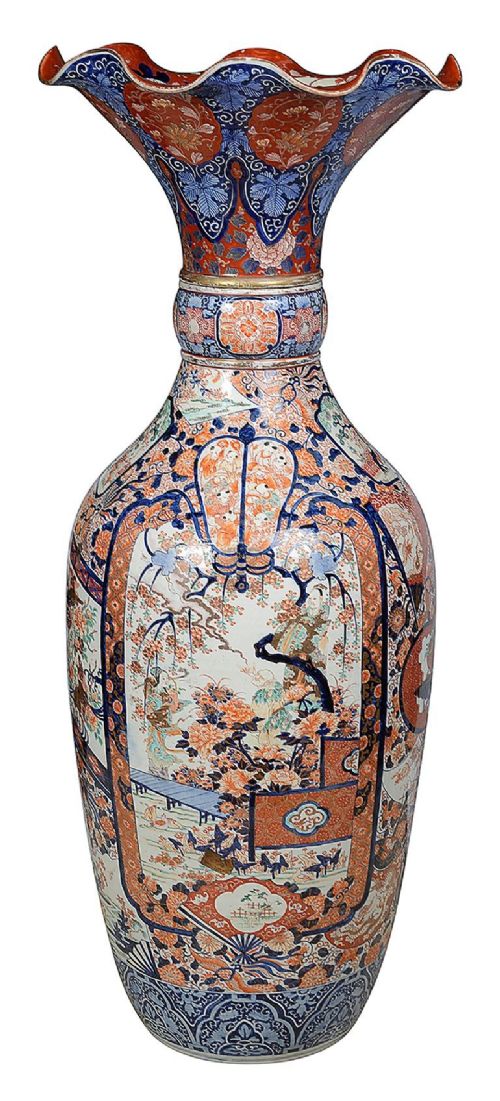
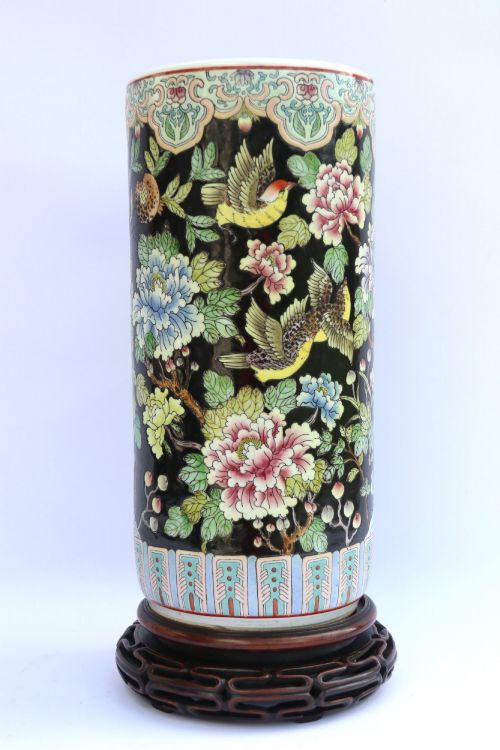
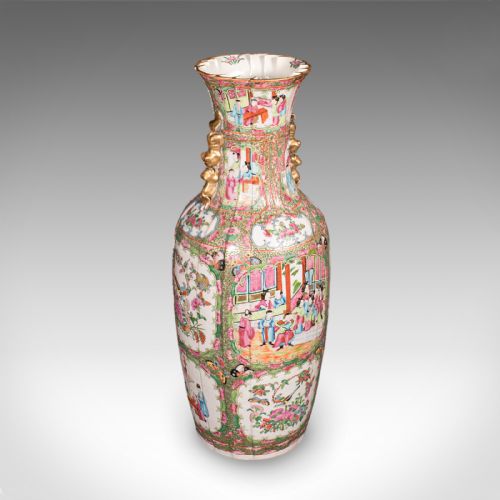
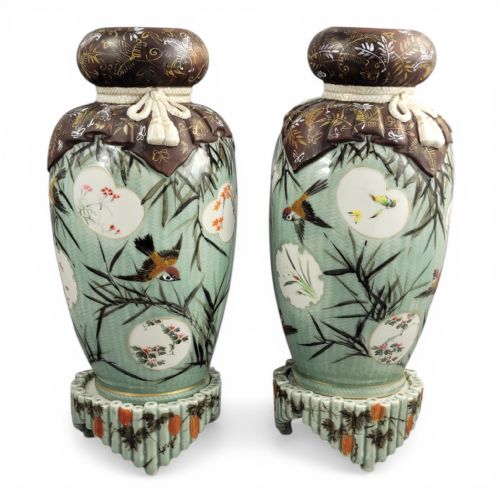
Outstanding Quality Large Antique Japanese Imari Floor Standing Vase, 1890
Priced at £2,250 from Unique Antiques by Emma Jade
European kilns expanded during the late nineteenth century. This allowed potters to fire much taller vessels than before.
Study the large exhibition pieces from the 1870s. Many factories scaled up production to meet middle-class demand for imposing ceramics.
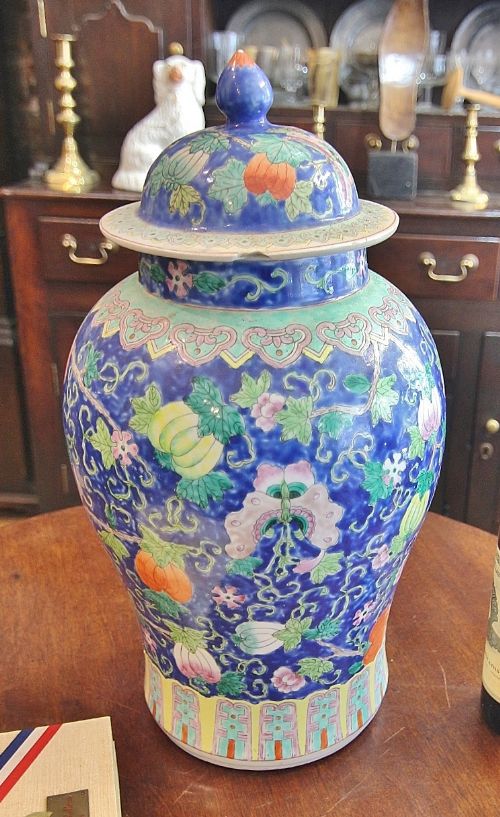
Asian imports set the early standard. Chinese export wares heavily influenced subsequent European designs for domestic decoration.
Umbrellas often ended up in these during the Edwardian period. They weren't usually designed for that rough physical purpose.
Hallway proportions drove the trend for antique floor vases. High ceilings required appropriately scaled accessories to anchor the empty space.
Minton produced substantial majolica examples in the mid-nineteenth century. Their large exhibition pieces often featured elaborate classical modelling.
Royal Doulton stoneware appears frequently. The Lambeth factory turned out heavily decorated, salt-glazed floor vases during the late Victorian era.
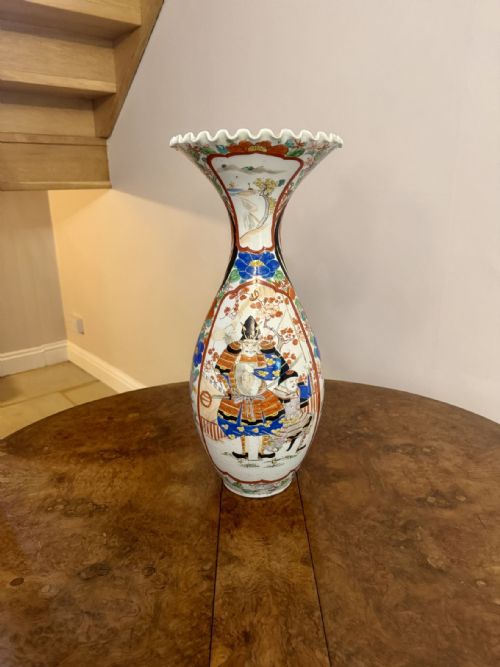
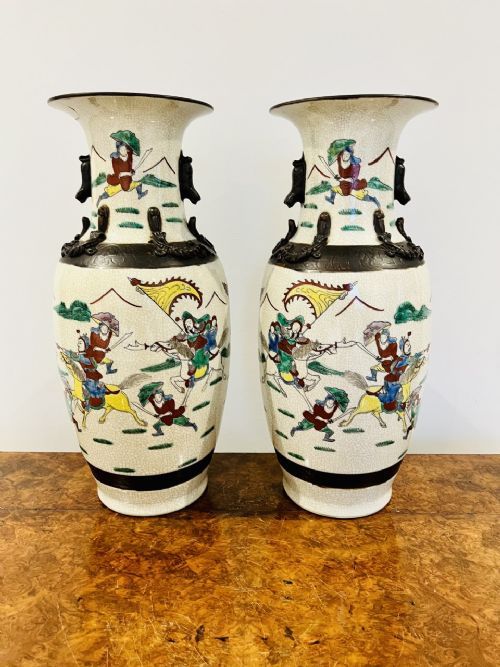
Japanese Arita kilns exported tall Imari pattern vessels. These arrived in Europe throughout the late nineteenth and early twentieth centuries.
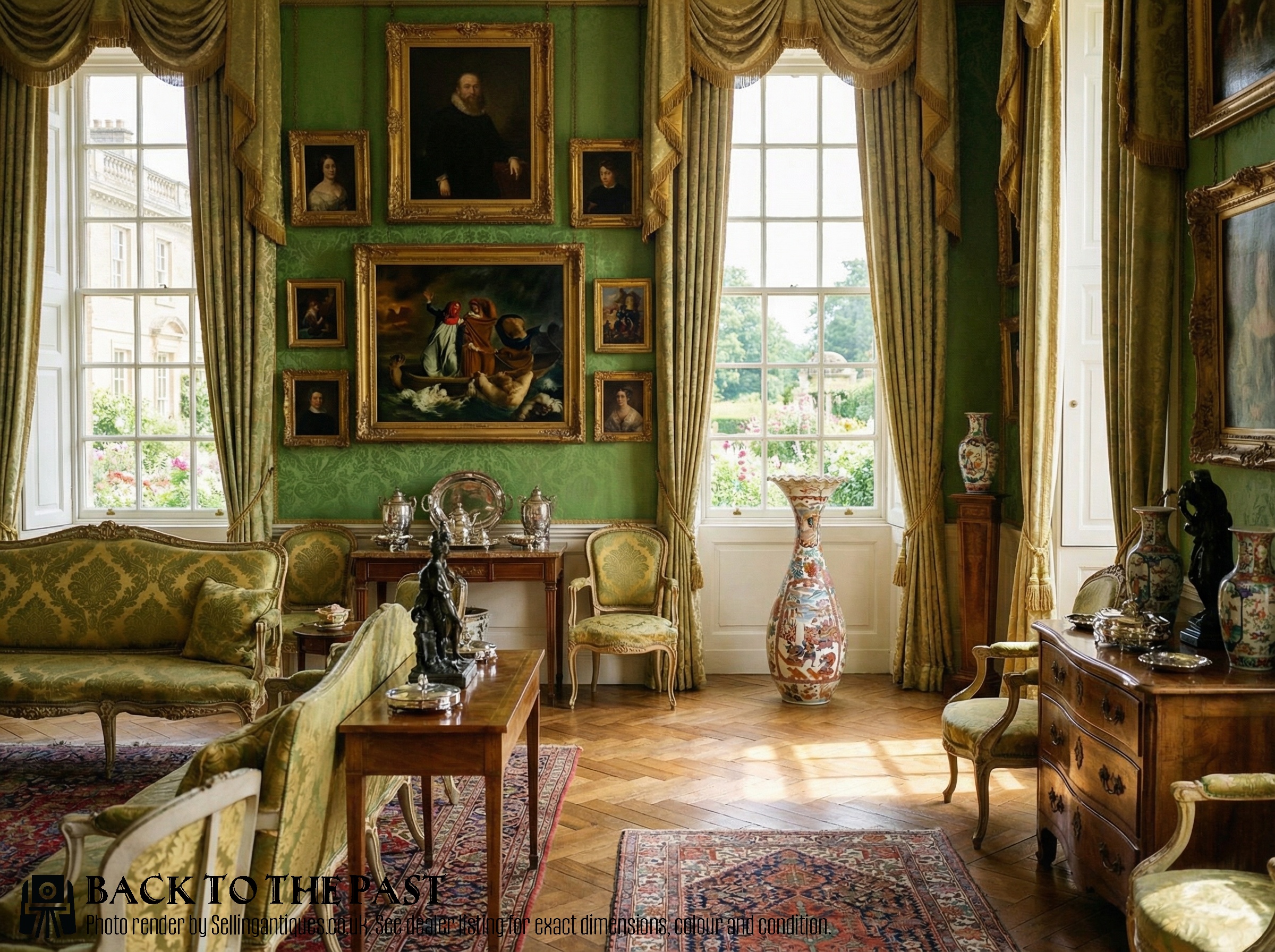
Large Antique 19th Century Quality Japanese Imari Floor Standing Vase, 1880
Priced at £2,950 from London City Antiques
The 2026 retail price guide for Antique Floor Vases is drawn from a proprietary archive of over 1.1 million retail prices indexed by Sellingantiques since 2003. This guide relies exclusively on their own internal data; no external sources or auction records are used.
Analysing nearly 25 years of UK antique market history alongside current retail values, the data indicates that typical UK retail prices for Antique Floor Vases range between £900 and £10,200. Entry-level prices generally fall under £900 and premium examples upwards of £10,200.
Scale sets them apart from standard domestic wares. They stand at least two feet high, sometimes reaching over four feet.
Wide stable bases prevent them toppling over. A low centre of gravity is essential for any piece this size.
Notice the heavy rims. Potters thickened the top edges to handle the physical stress of holding tall, weighty branches.
Press moulding allowed factories to standardise large forms. Workmen pushed slabs of clay into heavy plaster moulds to build the walls.
Throwing tall pieces required physical strength. A potter might use fifty pounds of raw clay for a single section.
Multiple firings were common for complex decorations. The sheer mass in the kiln required slow heating and cooling to avoid thermal shock.
"Some factories designed them specifically to disguise cast iron radiator pipes in draughty entrance halls."
"Many large oriental examples were shipped filled with loose tea. This clever packing method protected the ceramics during rough transit."
"Glaze recipes for these tall pieces often included sea salt. Throwing salt into the hot kiln created a highly durable texture."
Based on almost 25 years of Sellingantiques UK antique market data, Antique Floor Vases appeared 214 times (out of 1,100,000 antiques) which gives it a rarity score of 96/100.
This score measures scarcity within the Sellingantiques archive only and is not a survey of the entire antiques market, so these statistics may not be indicative of the general availability of Antique Floor Vases elsewhere.
Always use a waterproof liner. Even if the glaze looks intact, antique ceramics develop microscopic crazing over time.
Seepage will ruin your wooden floors. Drop a tall plastic bucket inside to hold the water and stems safely.
Their weight is usually their best defence. A solid earthenware antique floor vase with a broad base has a very low centre of gravity.
If you remain concerned about stability, add some dry sand to the bottom. A few inches of play sand drops the centre of gravity further and keeps the piece firmly anchored.
Reach in with a damp sponge. A long-handled bottle brush works well for the bottom corners.
Dry the interior thoroughly afterwards. Leaving moisture inside encourages mould.
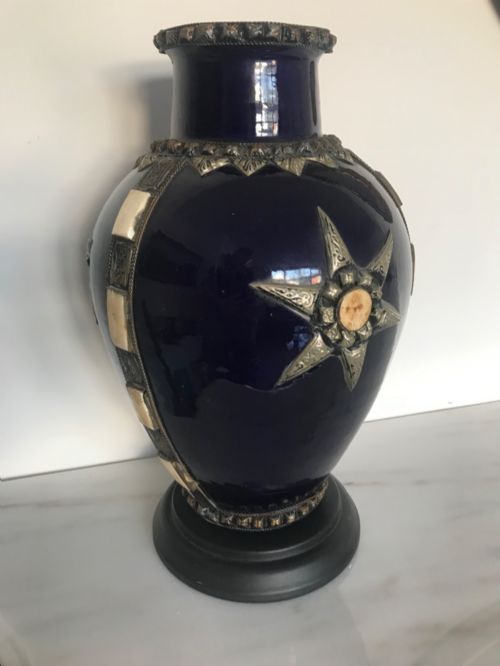
Metal mounts frequently indicate a clever salvage job. If an expensive vessel suffered a chipped rim during firing or transit, fitting a smart brass collar hid the damage.
Sometimes these mounts were part of the original design. French makers in particular added gilt bronze rims to oriental ceramics to adapt them for European tastes.
You should check how the metal attaches. Look for small pins or plaster fills holding the collar securely in place.
Please note: This Antique Floor Vases guide and its associated pricing data are provided for general informational purposes only. It does not constitute formal financial, investment, or appraisal advice and should not be relied upon as the sole basis for any commercial activity, purchasing, or sales decisions. Sellingantiques.co.uk accepts no liability for any actions taken in reliance on this information. Always consult with a qualified professional or independent appraiser.
