
A 2026 Guide by Sellingantiques
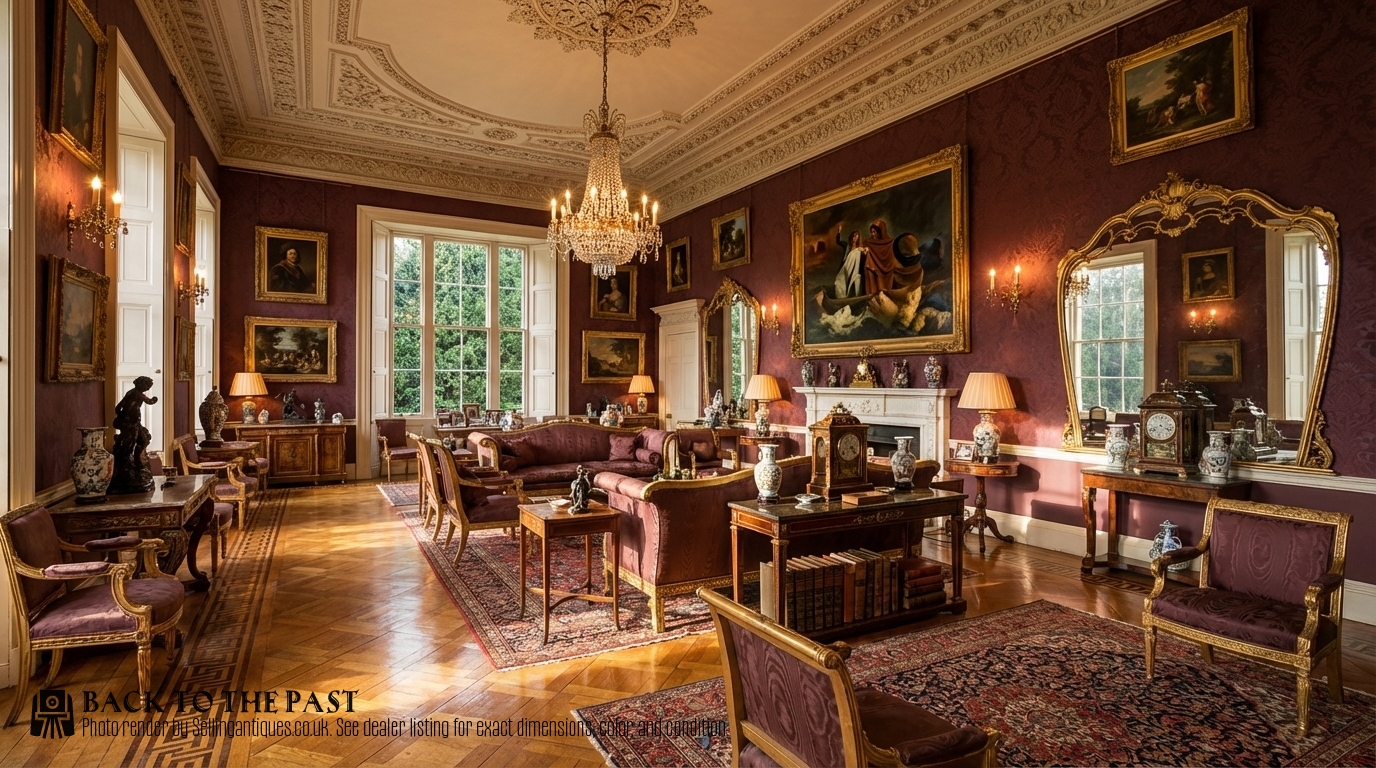
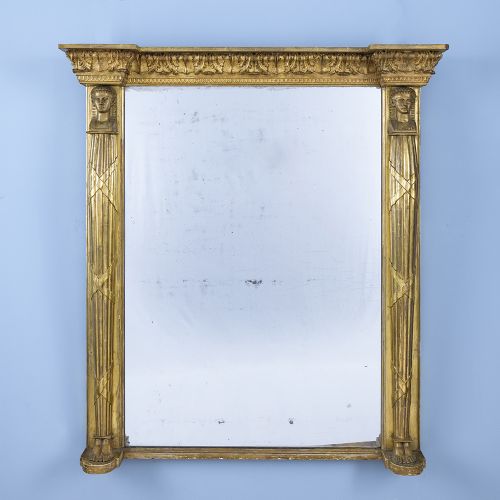
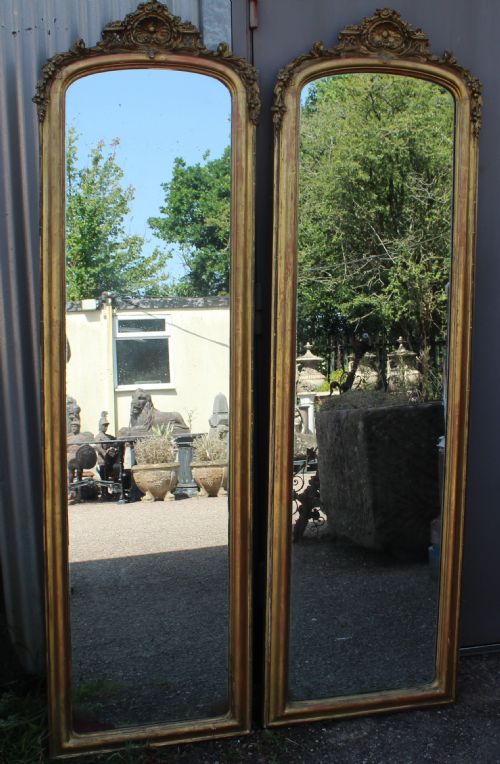
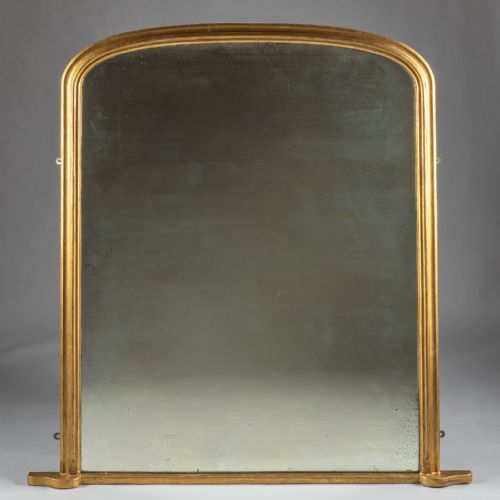
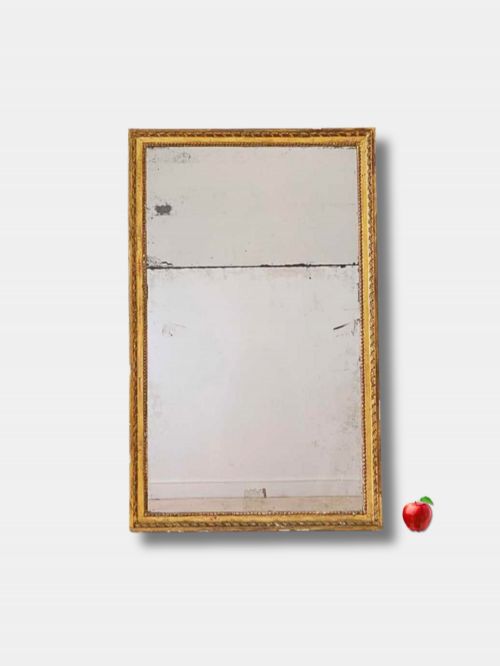
Large C1920 Antique Giltwood Overmantel Wall Mirror – Ornate Gold Frame, Statement Piece, 1920
Priced at £2,096 from Prior and Willis
Brought over from the continent. Italian and French craftsmen shaped English design during the seventeenth century.
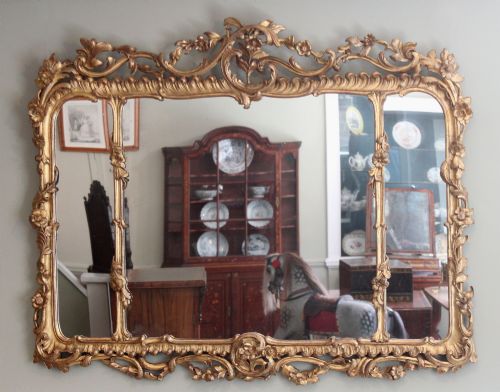
Look at the transition from heavy baroque carving to the lighter rococo scrolls of the mid-eighteenth century.
Taxes on glass meant plates stayed small for decades. Early antique giltwood mirrors often use two or more separate glass plates joined by a brass strip.
Neoclassicism straightened everything out. By the 1770s, you see urns and stiff leaf swags replacing naturalistic floral trails.
Pier glasses sat between windows. They caught the natural light and bounced it back into deep rooms.
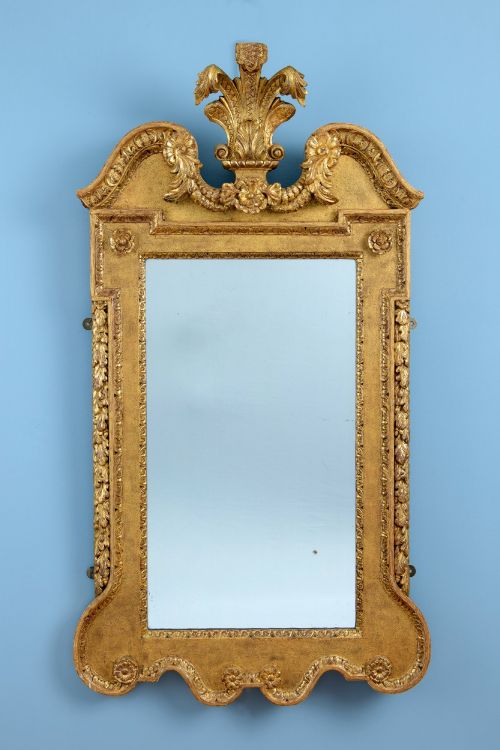
Thomas Chippendale supplied grand pier mirrors to aristocratic clients like the Earl of Dumfries. His workshop dominated the London trade in the 1750s.
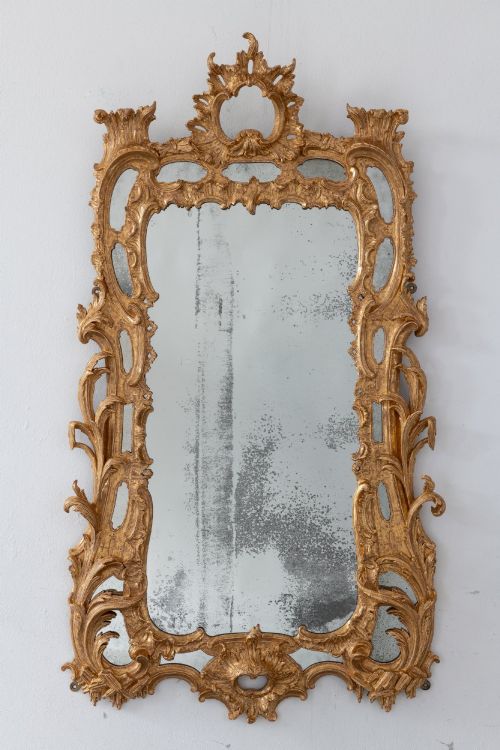
John Linnell. Another prominent eighteenth-century designer and carver who produced elaborate rococo frames.
Provincial makers did exist. Much of the detailed carving came from specialist craftsmen based in London.
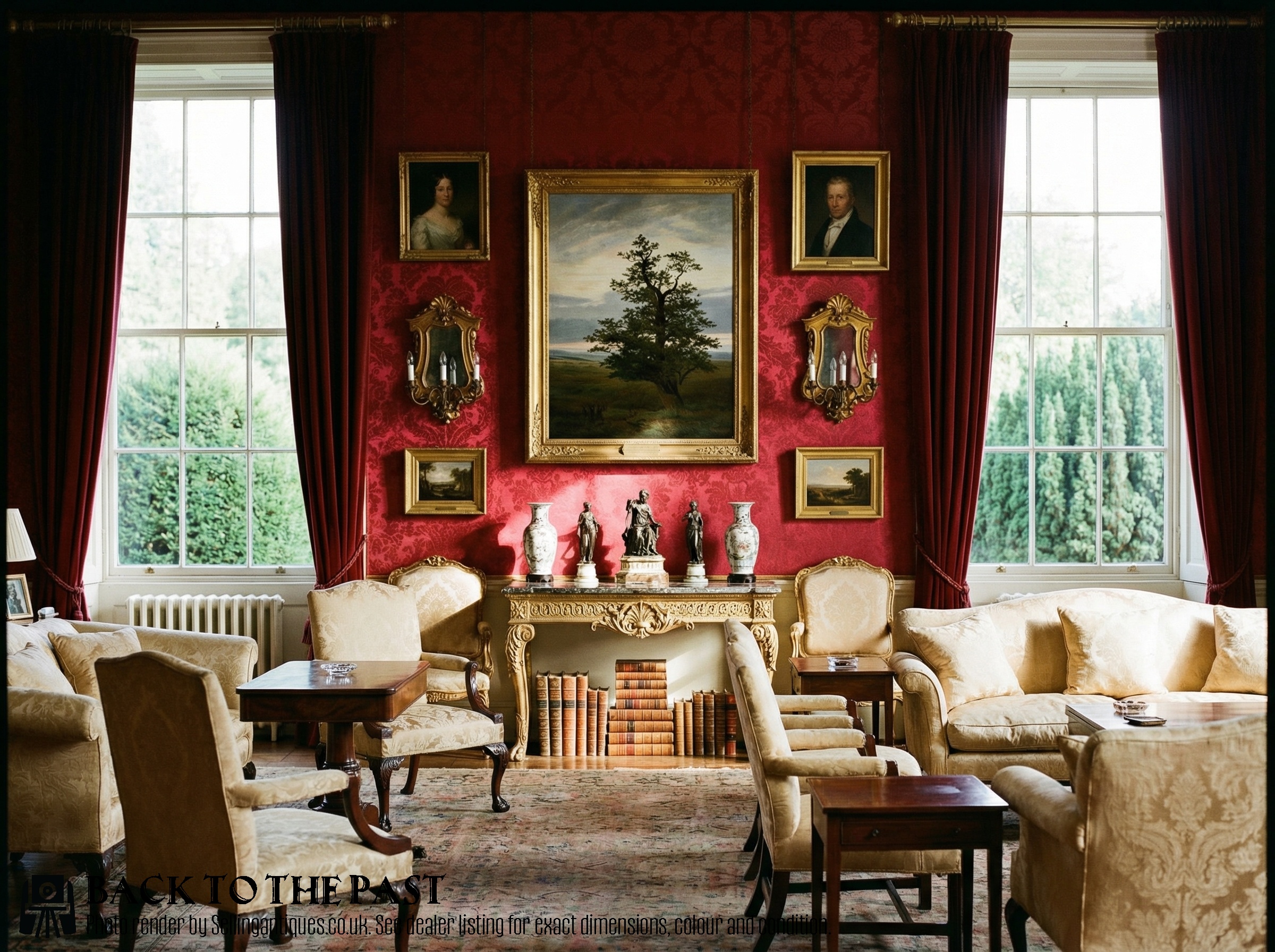
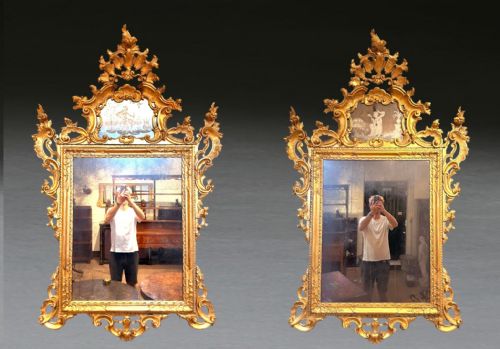
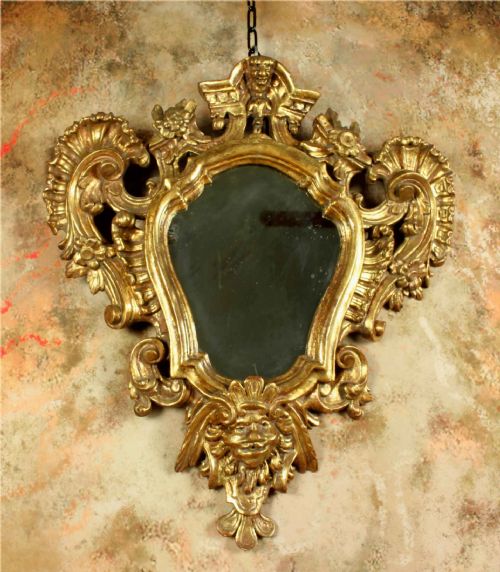
Florentine Pair of Giltwood Antique Girandoles, 1920
Priced at £1,395 from O'Keeffe Antiques
The 2026 retail price guide for Antique Giltwood Mirrors is drawn from a proprietary archive of over 1.1 million retail prices indexed by Sellingantiques since 2003. This guide relies exclusively on their own internal data; no external sources or auction records are used.
Analysing nearly 25 years of UK antique market history alongside current retail values, the data indicates that typical UK retail prices for Antique Giltwood Mirrors range between £800 and £4,400. Entry-level prices generally fall under £800 and premium examples upwards of £4,400.
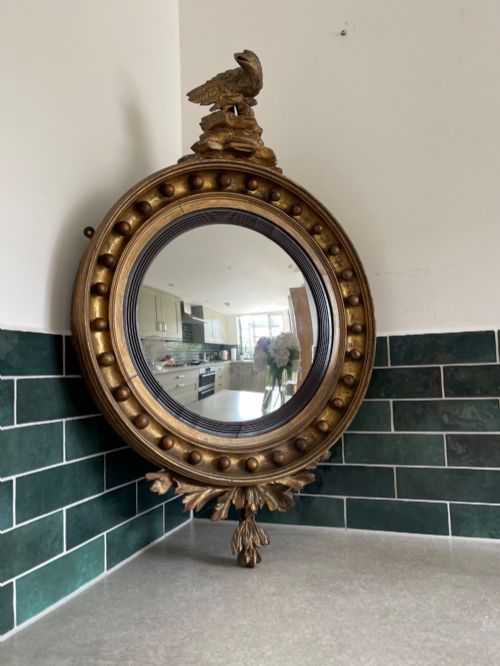
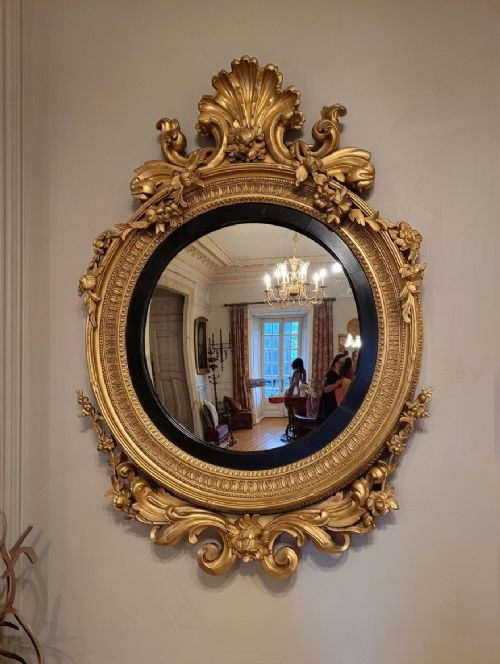
Crestings sit at the top. These carved focal points might feature a ho-ho bird or a scallop shell.
Delicate aprons dropping below the main frame. Often highly pierced, making them the most vulnerable part of the structure.
Notice the sight edge. A carved border runs right next to the glass, frequently cut with an egg-and-dart pattern.
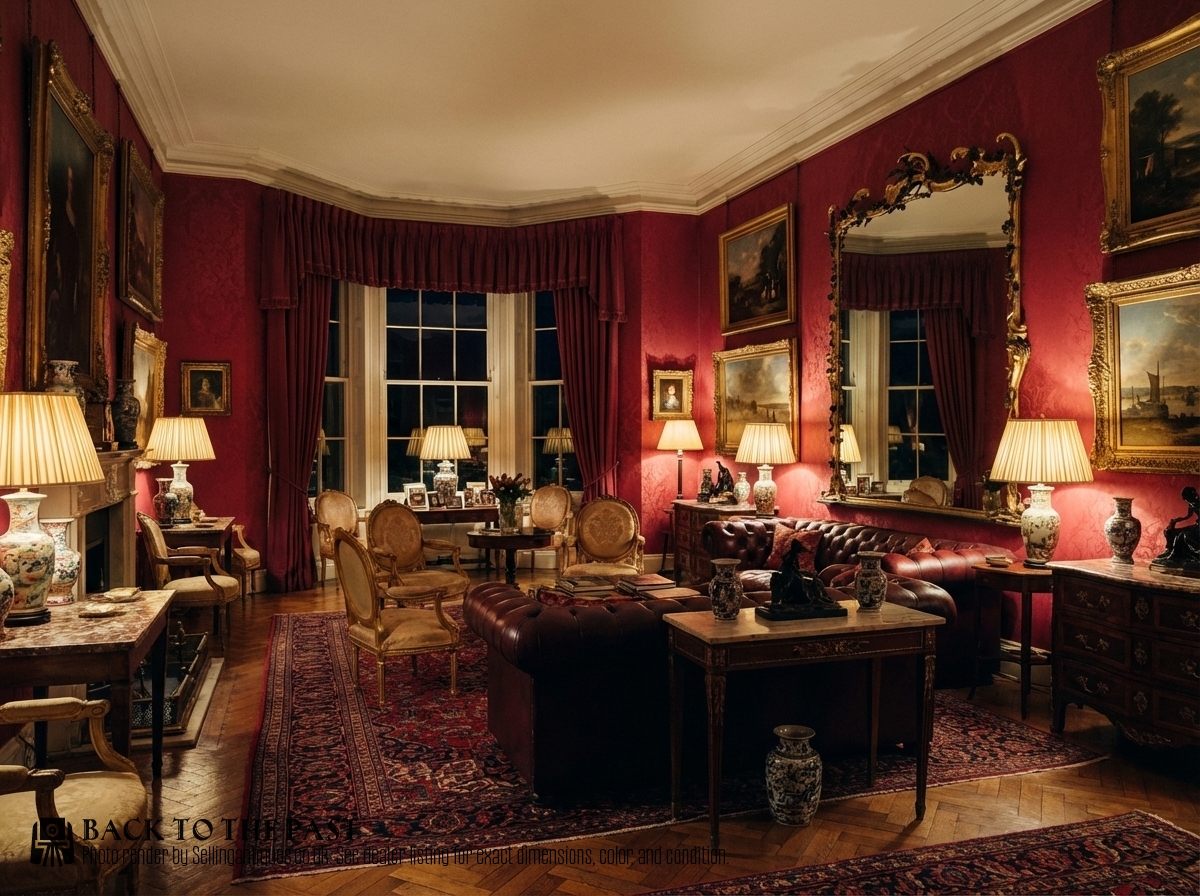
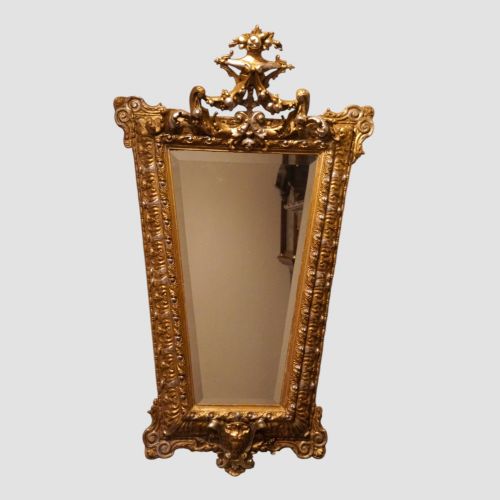
Victorian Carved Gilt Wood Rococo Style Large Overmantle Mirror, 1860
Priced at £5,500 from Lorna Byskou
Carvers started with thick blocks of pine. They built up complex shapes using multiple pieces of wood glued together before carving began.
Recutting the gesso. Craftsmen sharpened the carved details by tooling the dry surface before laying the gold.
Examine the joints. Early frames use mortise and tenon construction. Later oval forms rely on laminated brick-work.
"The gold leaf is beaten thin. Craftsmen had to use a special squirrel-hair brush called a gilder's tip just to pick it up."
"Candlelight changed the way they look. Burnished water gilding creates bright flashes while matte oil gilding offers a softer glow."
"Some crestings were designed to detach. This allowed owners to move large frames through narrow doorways safely."
Based on almost 25 years of Sellingantiques UK antique market data, Antique Giltwood Mirrors appeared 5067 times (out of 1,100,000 antiques) which gives it a rarity score of 36/100.
This score measures scarcity within the Sellingantiques archive only and is not a survey of the entire antiques market, so these statistics may not be indicative of the general availability of Antique Giltwood Mirrors elsewhere.
Dust it lightly with a soft brush. Never use a damp cloth or liquid cleaners on an antique giltwood mirror. Water gilding dissolves instantly when it gets wet.
If the dirt is heavy, leave it alone. A layer of historic dust is better than stripping the gold leaf back to the bare wood.
Those dark spots are natural deterioration of the original mercury silvering. The tin amalgam slowly oxidises over the decades. This creates a cloudy effect across the plate.
Most collectors prefer to keep the original glass. It provides a soft reflection that suits the period frame. Replacing it with modern glass often makes the whole piece look harsh.
Pine frames are surprisingly light. The weight comes mostly from the glass plate and the thick backboards.
Always use heavy-duty wall fixings. A large pier glass needs substantial support, requiring specialized brackets rather than a simple picture wire.
Hanging them above a heat source carries risks. Sudden temperature changes can dry out the pine carcase. This causes the wood to shrink and the gesso layer to crack.
Smoke and soot will also settle on the gold leaf. Since you cannot wash water gilding, that soot becomes a permanent addition to the surface.
If you use the fireplace regularly, an overmantel mirror needs to sit high enough to avoid the direct blast of hot air.
Please note: This Antique Giltwood Mirrors guide and its associated pricing data are provided for general informational purposes only. It does not constitute formal financial, investment, or appraisal advice and should not be relied upon as the sole basis for any commercial activity, purchasing, or sales decisions. Sellingantiques.co.uk accepts no liability for any actions taken in reliance on this information. Always consult with a qualified professional or independent appraiser.
