
A 2026 Guide by Sellingantiques
Before the late seventeenth century, most dining was done on benches or stools. Individual seating remained a luxury for the head of the household.
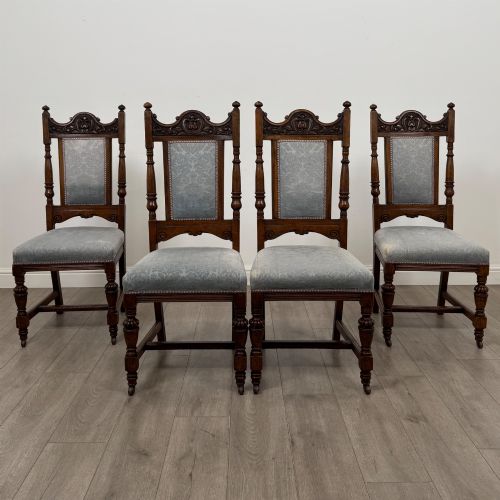
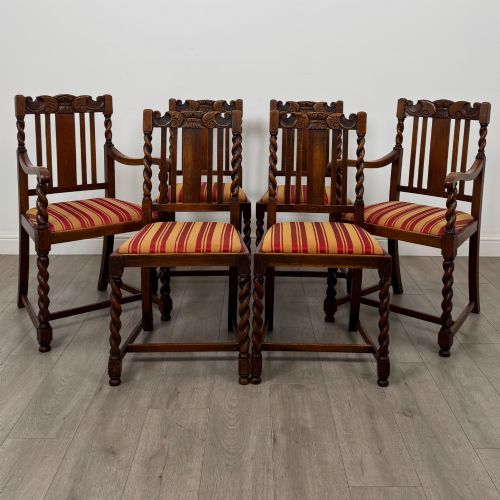
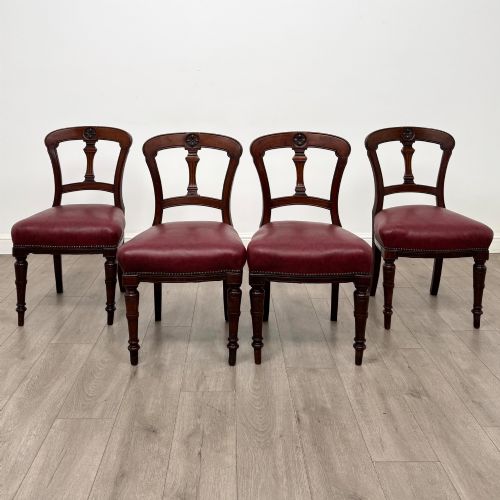
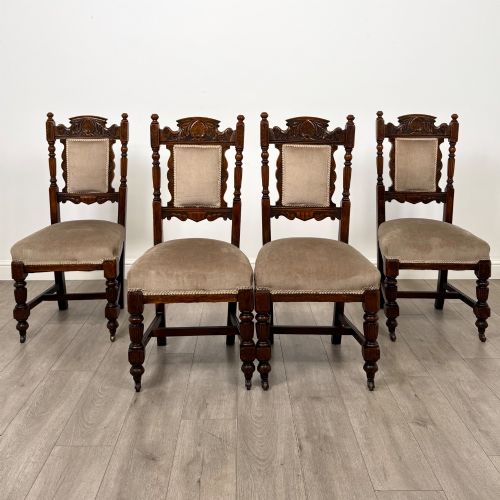
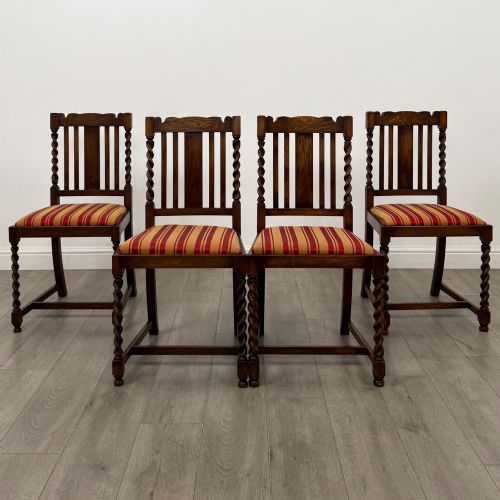
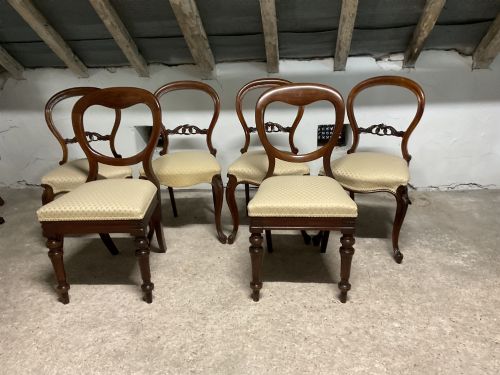
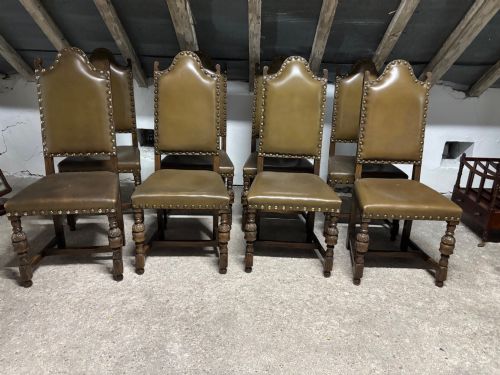
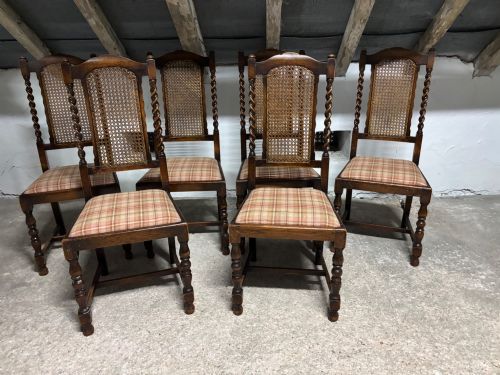
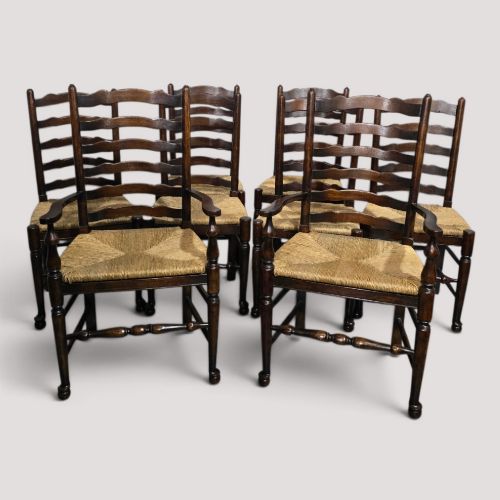
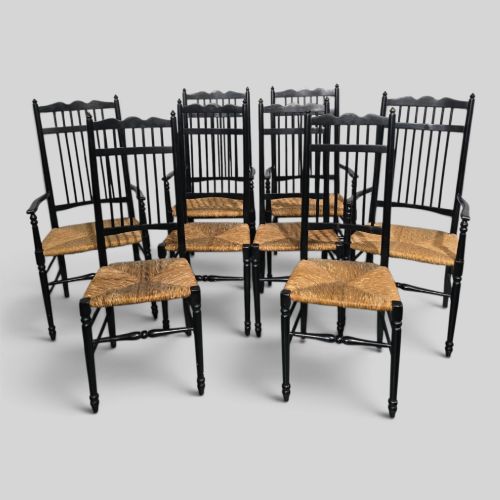
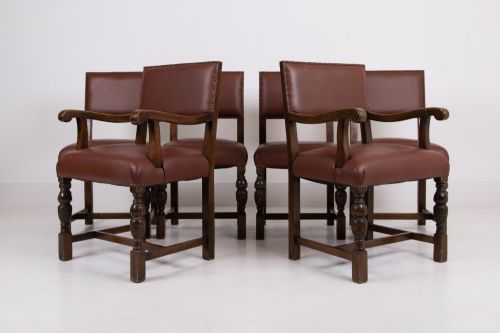
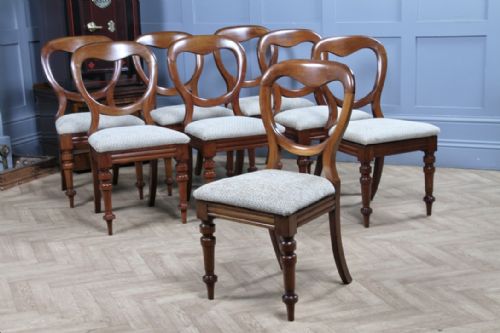
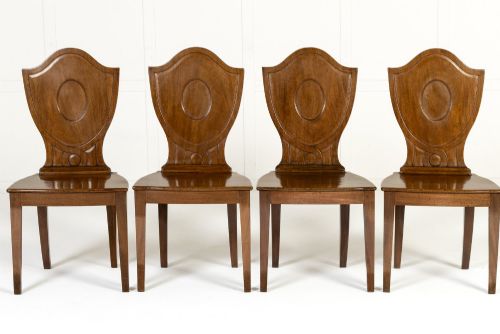
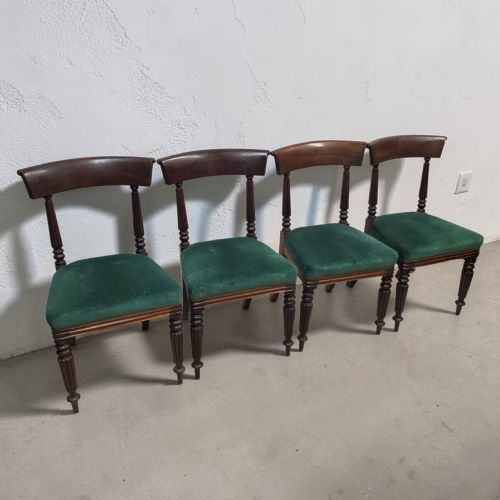
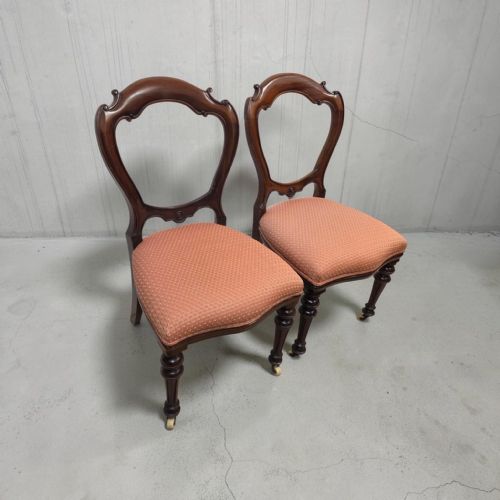
An antique set of chairs became common as dedicated dining rooms gained popularity in wealthier homes.
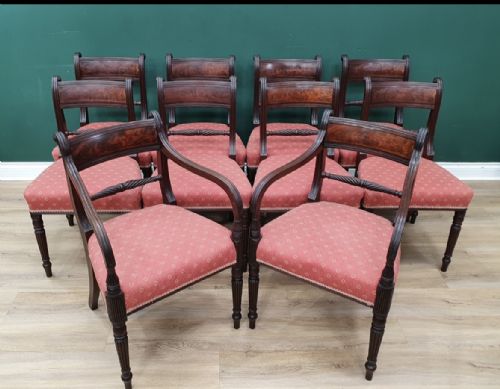
Large matching suites. These emerged during the Georgian period as dining habits changed to favour formal gatherings.
Look for subtle differences in carving across a group. Workshops often split the production between several apprentices working on the same commission.
Harlequin groups are assembled from similar but distinct chairs. Dealers have grouped these together over decades to create usable numbers for modern tables.
Thomas Chippendale published designs that influenced the entire trade. Provincial makers copied his ribband-back patterns across Britain.
Gillows of Lancaster stamped their furniture, a rarity for the era. They exported robust mahogany dining chairs to London.
Research regional bodgers who turned legs in the beech woods of Buckinghamshire. They supplied finished parts to larger assembly workshops.
The 2026 retail price guide for Antique Set of Chairs is drawn from a proprietary archive of over 1.1 million retail prices indexed by Sellingantiques since 2003. This guide relies exclusively on their own internal data; no external sources or auction records are used.
Analysing nearly 25 years of UK antique market history alongside current retail values, the data indicates that typical UK retail prices for Antique Set of Chairs range between £700 and £3,900. Entry-level prices generally fall under £700 and premium examples upwards of £3,900.
The presence of one or two carvers. These armchairs sit at the ends of the table, slightly larger than the standard side chairs.
Check the crest rail design. Shapes range from the curved bow of a Windsor to the carved yoke of a Chippendale style.
Stretcher bases connect the legs near the floor. They add rigidity to chairs designed for heavy daily use.
Early oak sets rely on pegged mortise and tenon joints. Wooden dowels hold the structural frame tightly together without screws.
Later Victorian production shifted to dowel joints. Factories used machines to drill holes, speeding up the assembly line.
Note the transition in back shapes. Heavy vertical slats gave way to lighter designs as stronger imported timbers became available.
"Many early dining chairs were designed to sit against the wall when not in use. The carved details often appear only on the front."
"Upholsterers originally finished the seat covers with brass nailing. These tacks served a practical purpose holding the fabric tight."
"A set of eight might actually be a pair of sets of four. Cabinetmakers frequently combined orders to meet the needs of growing households."
Based on almost 25 years of Sellingantiques UK antique market data, Antique Set of Chairs appeared 18762 times (out of 1,100,000 antiques) which gives it a rarity score of 2/100.
This score measures scarcity within the Sellingantiques archive only and is not a survey of the entire antiques market, so these statistics may not be indicative of the general availability of Antique Set of Chairs elsewhere.
Traditional animal glue is the right way forward. A restorer will knock the joint apart, clean out the old dried flakes, and re-glue it.
Modern adhesives are a bad idea. They set like glass and cannot be easily undone when the chair needs attention again in another fifty years.
A skilled cabinetmaker can certainly carve a replacement arm. They will use matching timber and copy the profile from the surviving armchair to ensure the proportions are correct.
The tricky part is getting the colour and finish to blend with the rest of the antique set of chairs. The new arm will need building up with layers of stain and polish to replicate centuries of natural wear.
Mixing styles works well around a large table. Harlequin sets are popular.
The secret is finding a common thread. If the timbers match, the eye accepts the group as a deliberate choice.
Fabric is meant to be replaced. Most chairs from the eighteenth and nineteenth centuries have been recovered multiple times as fashions changed and textiles wore thin.
Keep the original horsehair stuffing if it remains in good shape. A competent upholsterer will build up the traditional foundations and apply a modern fabric, ensuring the chairs are ready for another generation of daily use.
Please note: This Antique Set of Chairs guide and its associated pricing data are provided for general informational purposes only. It does not constitute formal financial, investment, or appraisal advice and should not be relied upon as the sole basis for any commercial activity, purchasing, or sales decisions. Sellingantiques.co.uk accepts no liability for any actions taken in reliance on this information. Always consult with a qualified professional or independent appraiser.
