




A 2026 Guide by Sellingantiques
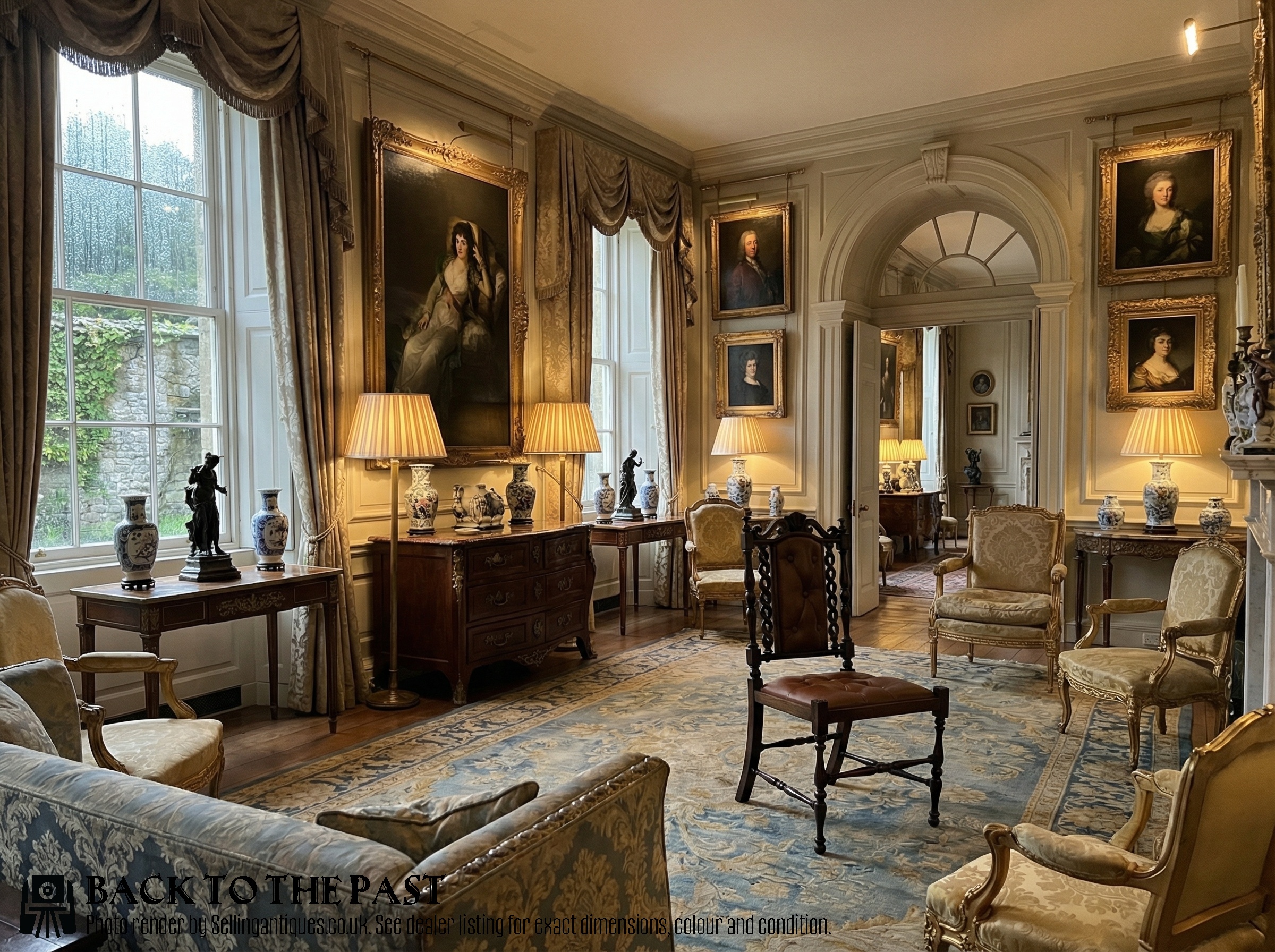
Childs Chair Upholstered in Buttoned Leather, Rosewood Carved and Turned Frame, C 1840, 19th Century
Priced at £1,295 from Robert Belcher Antiques
During the Regency period, domestic tastes shifted towards darker timbers.
Look for early nineteenth-century examples showing the transition from mahogany. The dense grain perfectly suited the bold, heavy classical forms that became popular after the Napoleonic wars.
Import duties dropped after 1820. This change made Brazilian timber accessible to mid-tier cabinetmakers across Britain.
Look for drawing-room suites by Gillows of Lancaster. Their stamped antique rosewood chairs often feature turned front legs and demonstrate the highest standards of provincial workshop practice.
William Trotter dominated the Edinburgh luxury trade throughout the 1820s.
London firms like Miles & Edwards supplied high-end sets. They pasted paper trade labels under the seat rails.
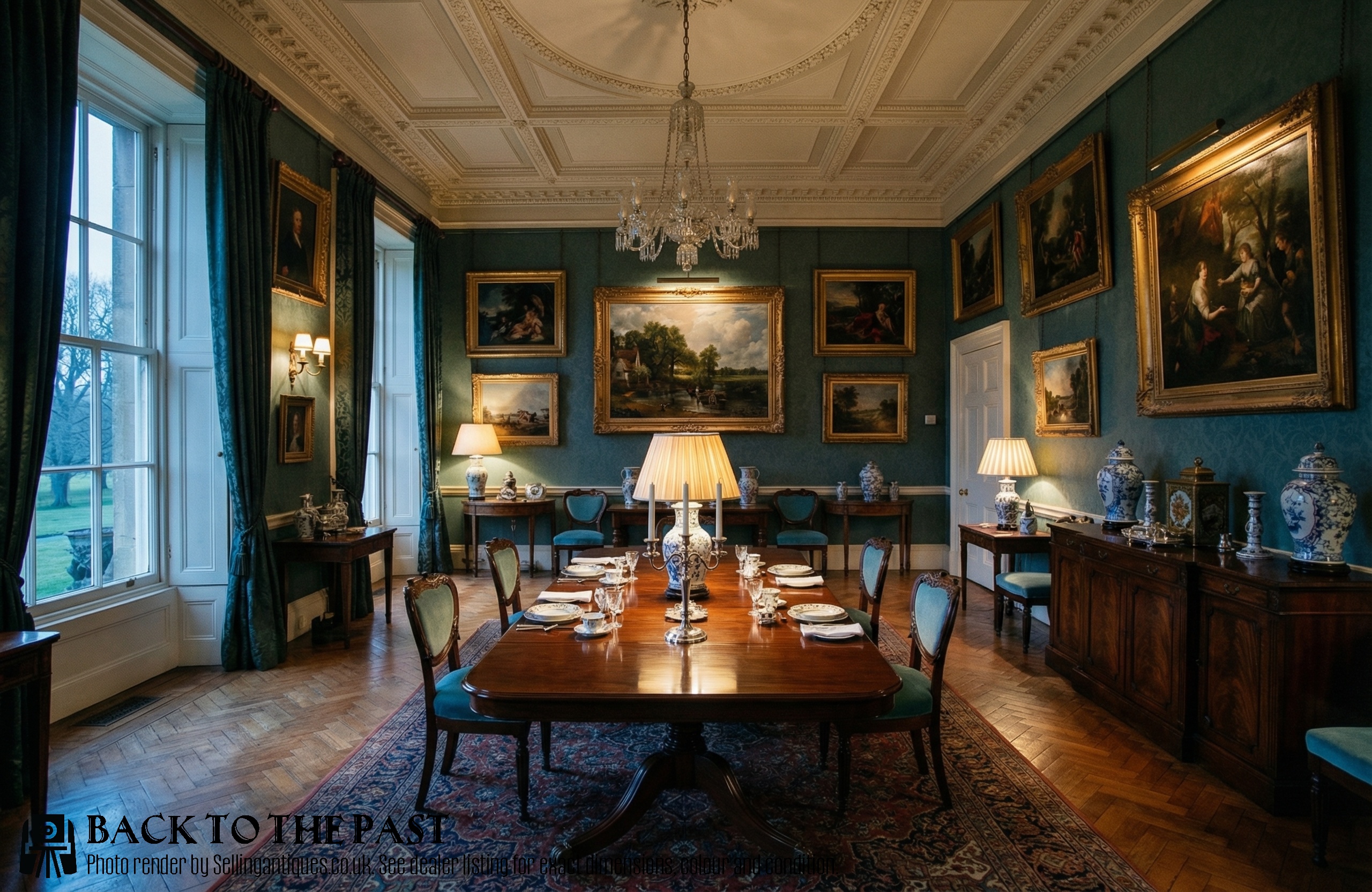
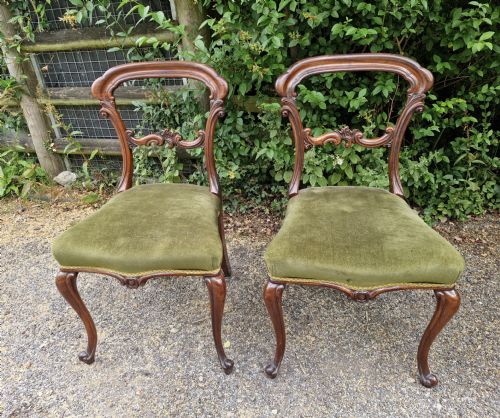
Wonderful Set of William IV Rosewood Dining Chairs, 19th Century
Priced at £2,550 from Philip Hunt Antiques
The 2026 retail price guide for Antique Rosewood Chairs is drawn from a proprietary archive of over 1.1 million retail prices indexed by Sellingantiques since 2003. This guide relies exclusively on their own internal data; no external sources or auction records are used.
Analysing nearly 25 years of UK antique market history alongside current retail values, the data indicates that typical UK retail prices for Antique Rosewood Chairs range between £500 and £2,800. Entry-level prices generally fall under £500 and premium examples upwards of £2,800.
Strong dark figuring across the grain. This remains the primary visual draw for most buyers.
Turn the chair upside down. You will often find drop-in seat frames designed to be removed for seasonal re-covering.
Carved details appear crisp. The density of the wood holds intricate profiles without chipping along the grain, allowing makers to cut deep motifs into the crest rails.

Fine Quality Set of 8 Early C19th William IV Period Rosewood Dining Chairs., 19th Century
Priced at £1,200 from M Lees and Sons
Cabinetmakers used traditional mortise and tenon joints. The brittle nature of the tropical timber required tight, exact cuts to avoid splitting the stiles when driving the pegs home.
French polishing became the standard finish for antique rosewood chairs.
Craftsmen sometimes applied veneer over mahogany or beech. They matched mirror-image flitches across the wide top rails.
"Freshly worked timber gives off a sweet floral scent. This smell can sometimes return when sanding an old joint or warming the surface slightly during restoration work."
"The dense grain makes these antique rosewood chairs quite heavy."
"High oil content in the wood naturally repels water. It acts as an inbuilt protector against seasonal humidity changes."
Based on almost 25 years of Sellingantiques UK antique market data, Antique Rosewood Chairs appeared 2582 times (out of 1,100,000 antiques) which gives it a rarity score of 60/100.
This score measures scarcity within the Sellingantiques archive only and is not a survey of the entire antiques market, so these statistics may not be indicative of the general availability of Antique Rosewood Chairs elsewhere.
A damp cloth is usually enough for basic dust. You don't need chemical sprays or heavy waxes. If the finish feels sticky, it is often just decades of built-up polish and hand grease.
Wipe the frame down with a weak solution of mild soap and warm water. Dry it immediately with a soft cotton cloth. Do not let water sit on the joints.
If the stickiness stays, the old shellac might be degrading. A restorer can revive the surface without stripping the original patina.
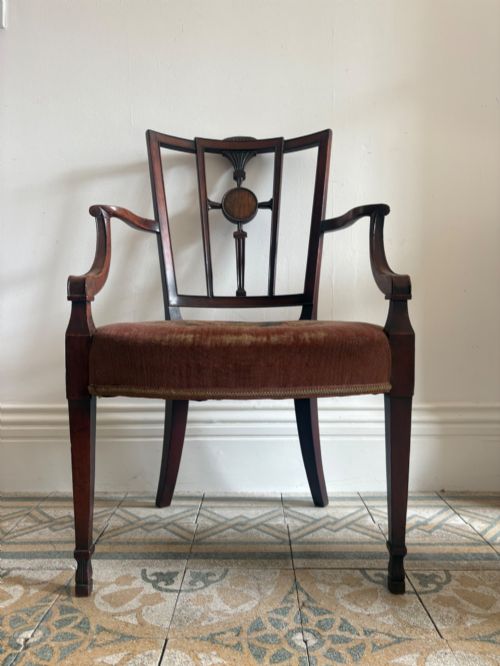
Many antique rosewood chairs were designed with splayed back legs. The cabinetmaker angled them outward to provide stability and stop the chair tipping backward.
Check if the joints are tight and sit flush against the seat rail. If the legs angle inward, a joint has likely failed.
Most dining chairs left the workshop without any castors at all. They were meant to slide on bare wooden floors or carpets. Adding them alters the seat height and changes how the chair sits.
Library and heavy drawing-room examples are different. Makers often fitted brass castors to the front legs only. This allowed servants to lift the back and wheel the seat toward the fire.
Changing the fabric is a standard part of owning antique chairs. Most seats were recovered several times throughout the nineteenth century. The process itself rarely hurts the frame if done with care.
Drop-in seats are the easiest to deal with. You simply lift the wooden frame out and take it to an upholsterer. The main carcase stays safely at home.
Fixed upholstery requires a bit more caution. Pulling hundreds of old tacks can splinter the edges of the seat rails. A good upholsterer will reuse the existing tack holes where possible.
Please note: This Antique Rosewood Chairs guide and its associated pricing data are provided for general informational purposes only. It does not constitute formal financial, investment, or appraisal advice and should not be relied upon as the sole basis for any commercial activity, purchasing, or sales decisions. Sellingantiques.co.uk accepts no liability for any actions taken in reliance on this information. Always consult with a qualified professional or independent appraiser.
