
A 2026 Guide by Sellingantiques

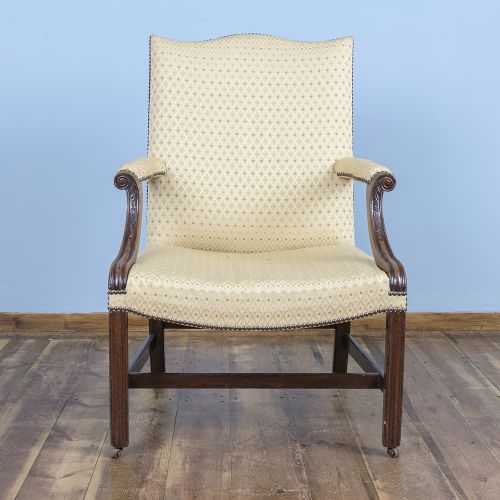
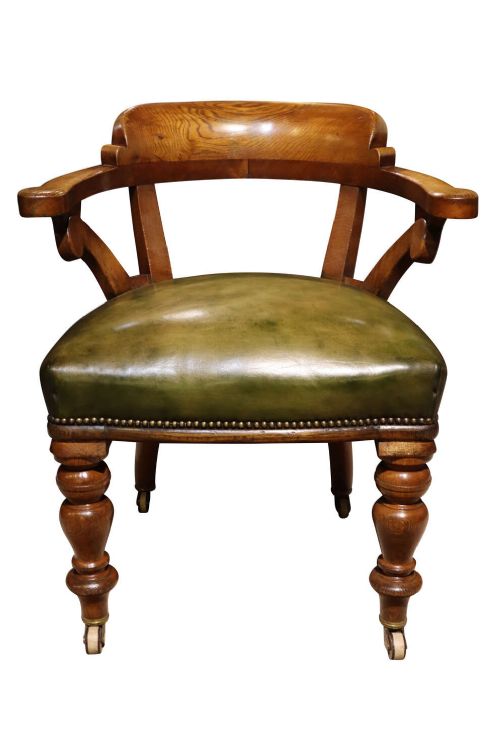
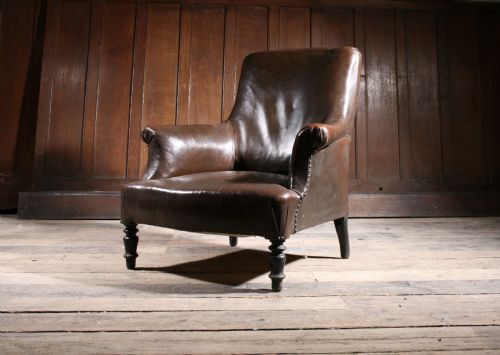
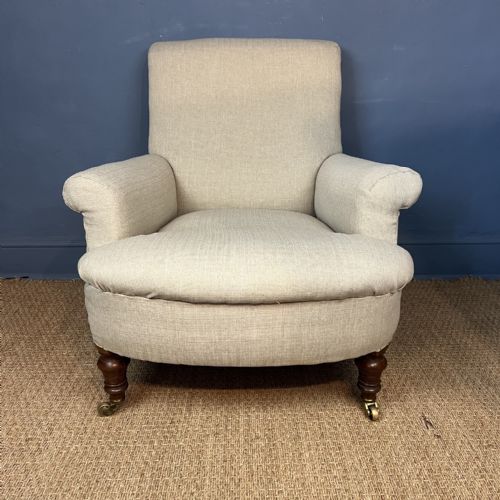
Superb William 1v Leather Library Chair, 19th Century
Priced at £1,450 from Wayne Long Antiques and Interiors
During the eighteenth century, reading became a seated leisure activity rather than a standing academic discipline.
Antique library chairs emerged to serve wealthy gentlemen in their private domestic libraries.
Look closely at how the shapes shift from upright timber frames to heavy sprung armchairs.
Metamorphic designs first appeared around the Regency period to solve the problem of high bookshelves.
Thomas Chippendale supplied several variations during the mid-eighteenth century.
Morgan and Sanders operated in London in the early nineteenth century.
Their firm specialised in metamorphic furniture, turning seating into library steps.
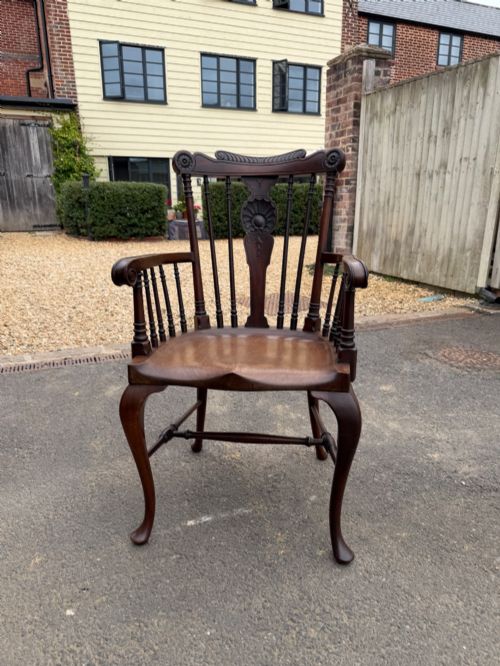
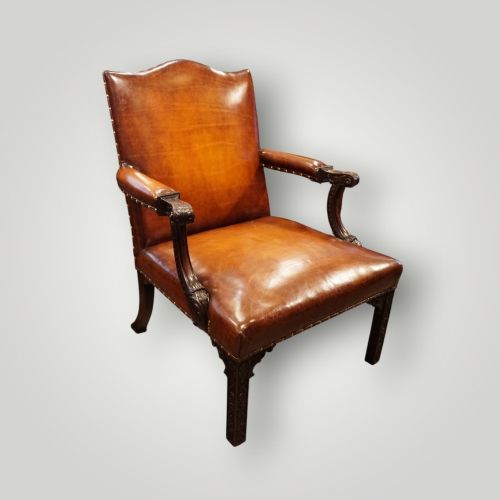
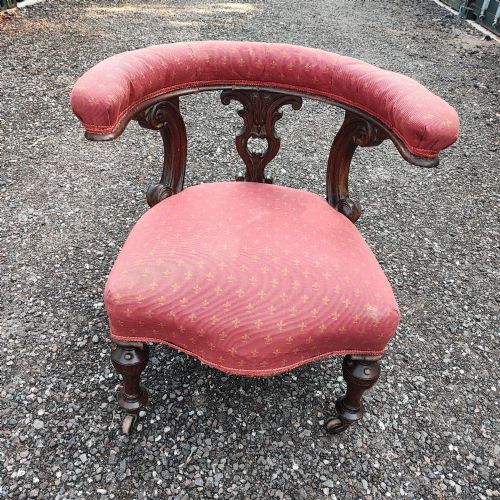
Victorian Cabriole Leg Leather Library Chair, Victorian
Priced at £595 from Wayne Long Antiques and Interiors
The 2026 retail price guide for Antique Library Chairs is drawn from a proprietary archive of over 1.1 million retail prices indexed by Sellingantiques since 2003. This guide relies exclusively on their own internal data; no external sources or auction records are used.
Analysing nearly 25 years of UK antique market history alongside current retail values, the data indicates that typical UK retail prices for Antique Library Chairs range between £700 and £3,800. Entry-level prices generally fall under £700 and premium examples upwards of £3,800.
Broad seats gave men wearing heavy coats room to sit comfortably for hours.
Always check the arms for thick padded rests designed for long reading sessions.
Some variations feature an adjustable reading desk mounted directly to the back rail.

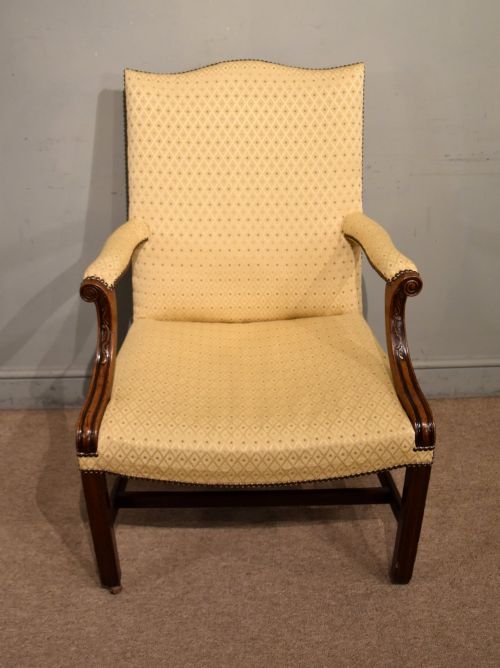
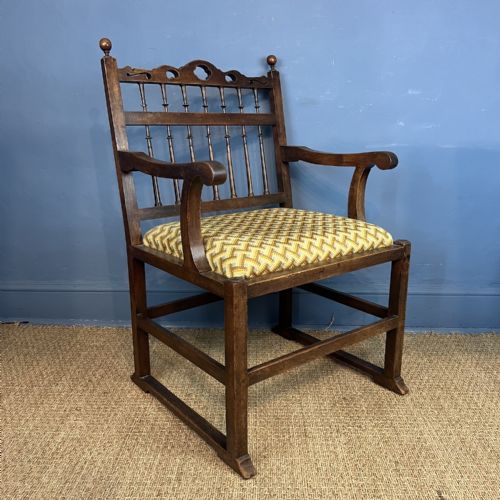
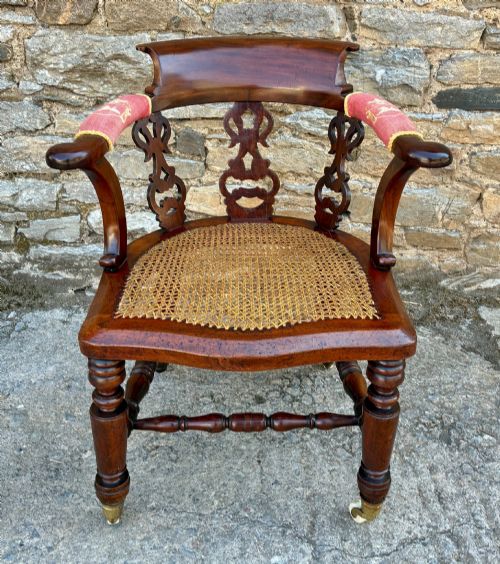
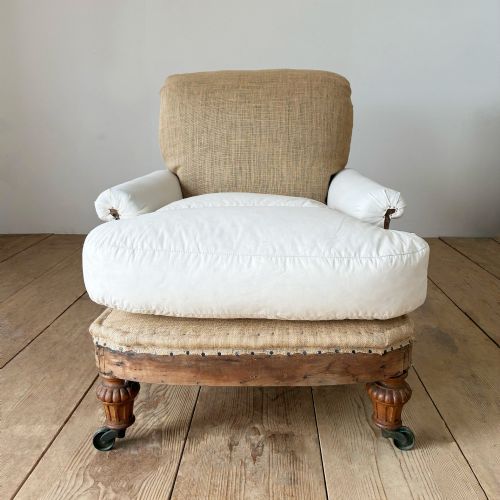
Mid C19th Irish Carved Mahogany ‘Gainsborough’ Library Armchair in the Mid C18th George II Period Style., 19th Century
Priced at £1,950 from M Lees and Sons
Early examples rely on robust mortise and tenon joints to bear the weight of heavy readers.
Coil springs were introduced to the seats later in the nineteenth century.
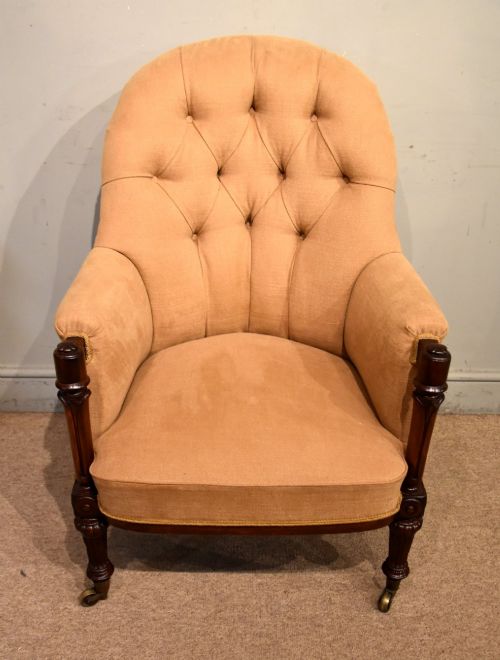
Notice the deep buttoning technique used by Victorian upholsterers to hold layers of stuffing in place.
"The straddle chair variation allows the user to sit facing backwards with their elbows resting on a padded yoke."
"Concealed castors are often tucked inside the front legs to keep the profile neat."
"Pull-out leg rests can sometimes be found hidden within the front seat rail."
Based on almost 25 years of Sellingantiques UK antique market data, Antique Library Chairs appeared 4151 times (out of 1,100,000 antiques) which gives it a rarity score of 44/100.
This score measures scarcity within the Sellingantiques archive only and is not a survey of the entire antiques market, so these statistics may not be indicative of the general availability of Antique Library Chairs elsewhere.
Replacing the covering is standard practice when the original fails. An upholsterer will save the underlying horsehair.
Request traditional brass nailing rather than modern staples to secure the new skin.
Most were built for reading rather than typing. The seat height often sits lower than a modern office chair. The back usually angles away from the desk.
They work well for reading documents. If you need to type for eight hours, the lack of lower back support might cause fatigue.
It is seating that hinges open to become a short set of steps.
The transformation usually involves releasing a small brass catch.
The legs on Georgian and Victorian pieces are nearly always fixed rigidly into the frame. They rely on tight glued joints to stay stable.
You will need to manoeuvre the whole frame through your doorway. Tilting it sideways and hooking the back through first usually works for tight spaces.
Please note: This Antique Library Chairs guide and its associated pricing data are provided for general informational purposes only. It does not constitute formal financial, investment, or appraisal advice and should not be relied upon as the sole basis for any commercial activity, purchasing, or sales decisions. Sellingantiques.co.uk accepts no liability for any actions taken in reliance on this information. Always consult with a qualified professional or independent appraiser.
