
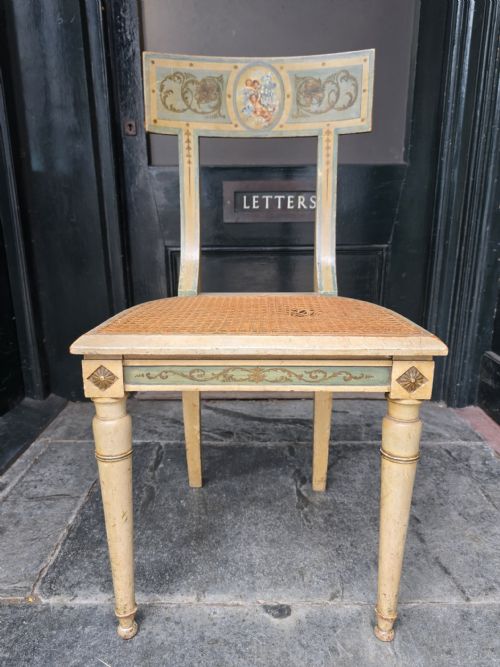
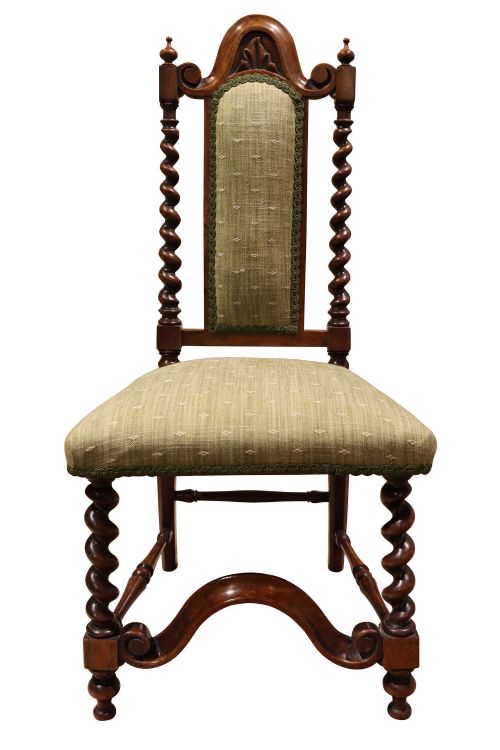
A 2026 Guide by Sellingantiques
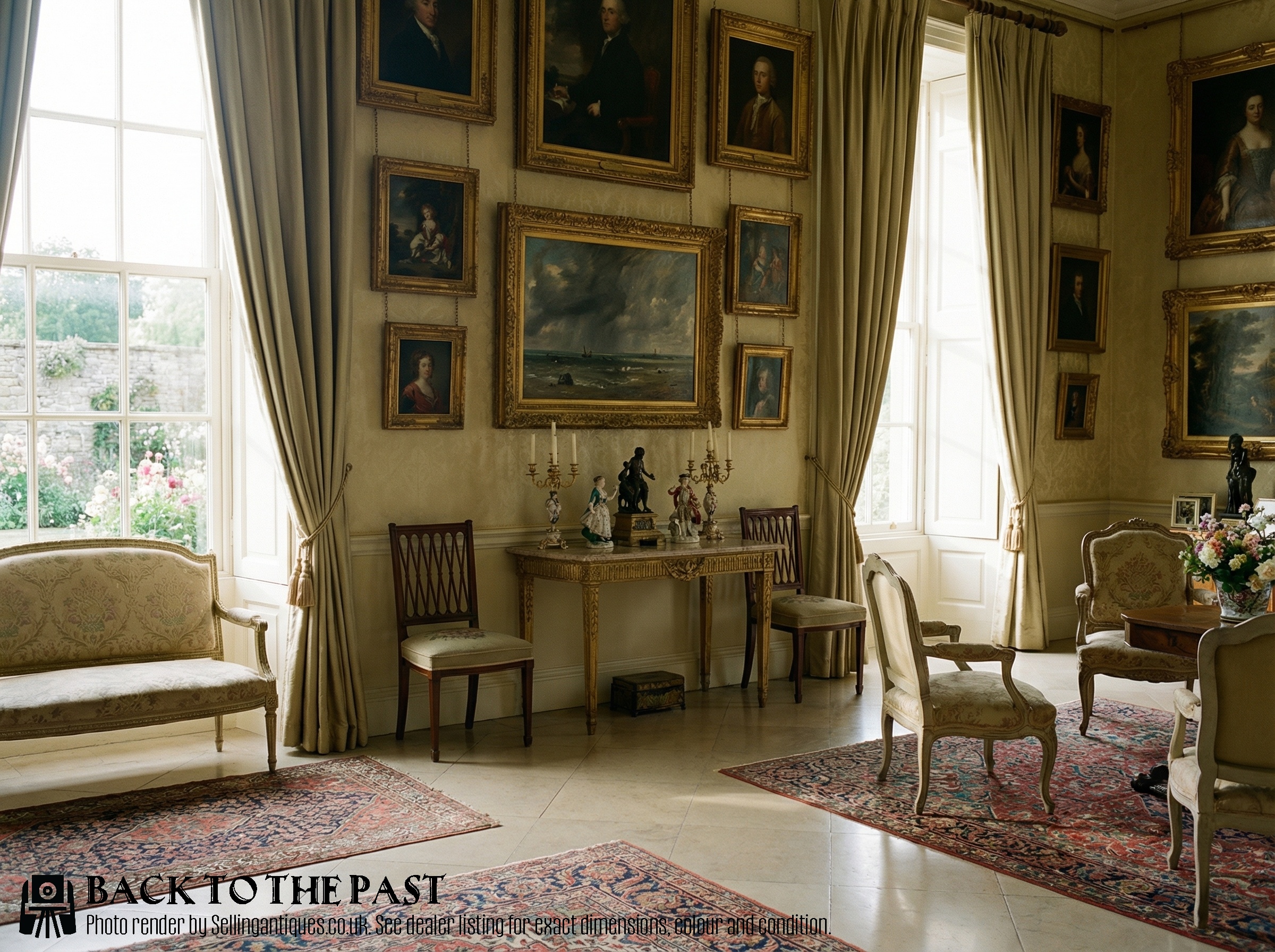
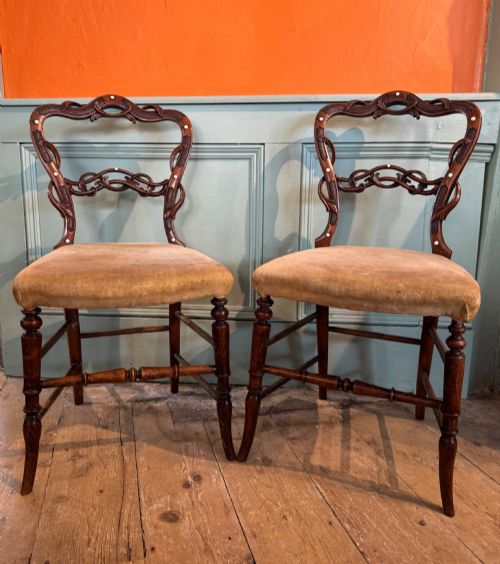
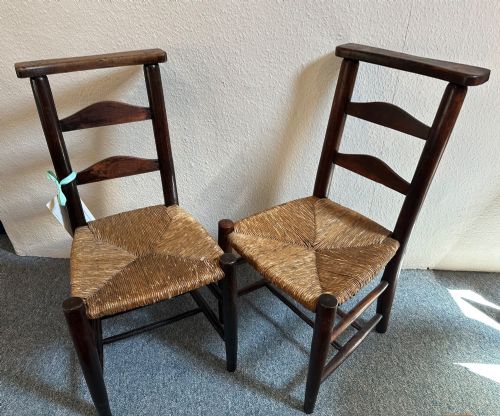
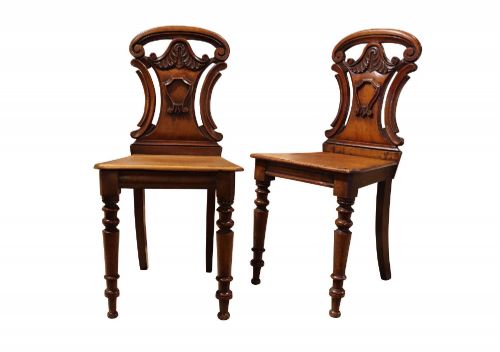
A Pair of Arts and Crafts Walnut Hall Chairs, 1890
Priced at £700 from Elmgarden
Designed for waiting. Servants, tradesmen, and messengers sat on antique hall chairs while business was conducted or masters were fetched.
Look at the solid seat. They didn't use upholstery, keeping damp coats and dirty outdoor clothes from ruining textiles.
Coats of arms often decorated the back. Visitors saw who owned the house as soon as they walked through the door.
Popularity peaked in the eighteenth and nineteenth centuries. Grand country houses needed formal entrance furniture to impress arrivals.
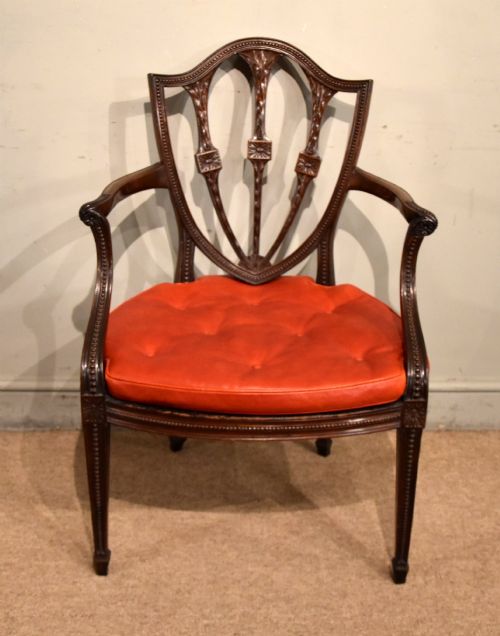
Thomas Chippendale produced them in the mid-eighteenth century. His firm supplied heavily carved mahogany hall chairs for major commissions like Nostell Priory.
Gillows of Lancaster and London made hundreds. Late eighteenth and nineteenth-century order books show endless variations of shield-back designs for country estates.
Study the provincial trade. Many unsigned antique hall chairs came from competent local cabinetmakers working directly for the nearest manor house.
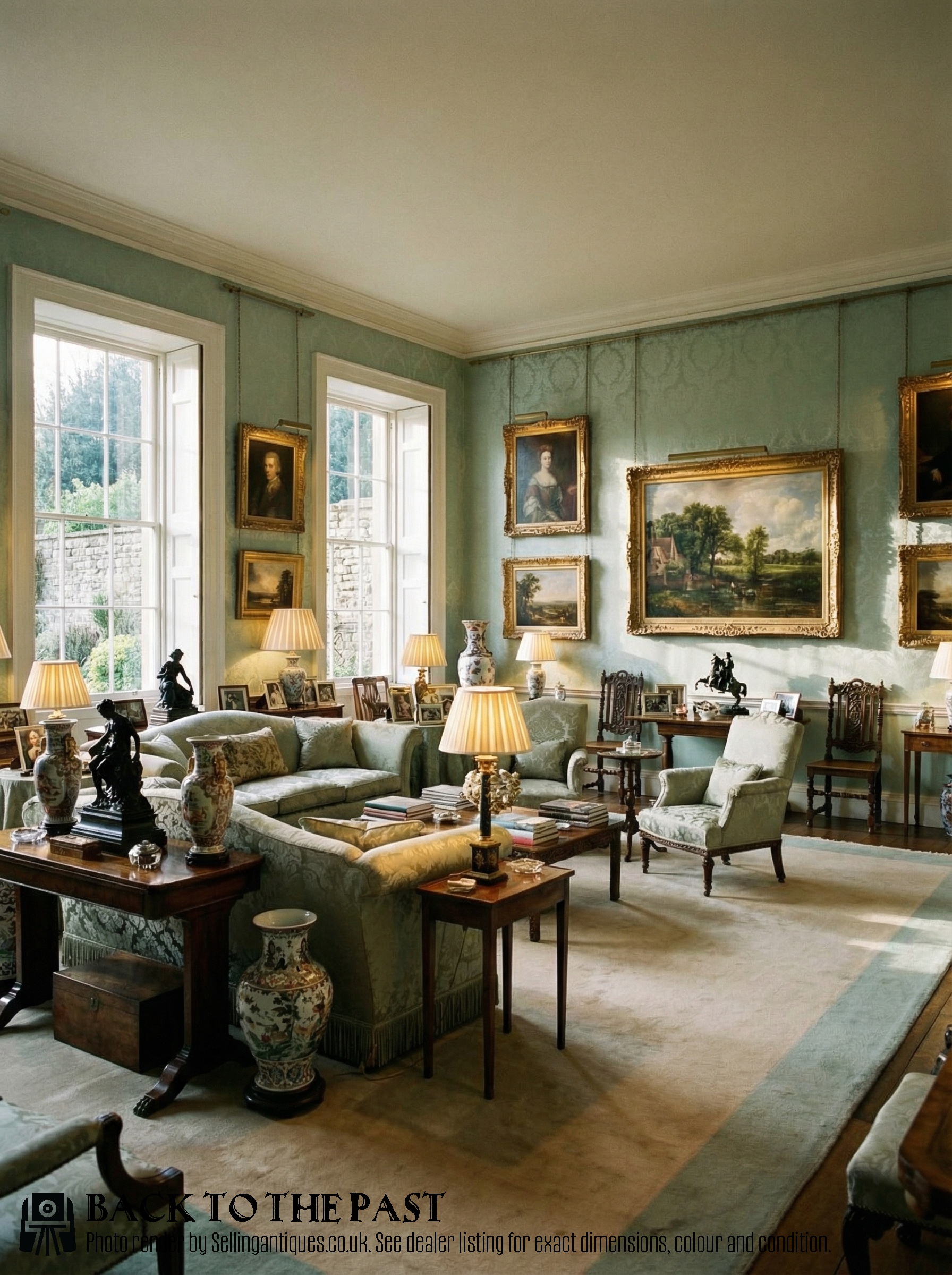
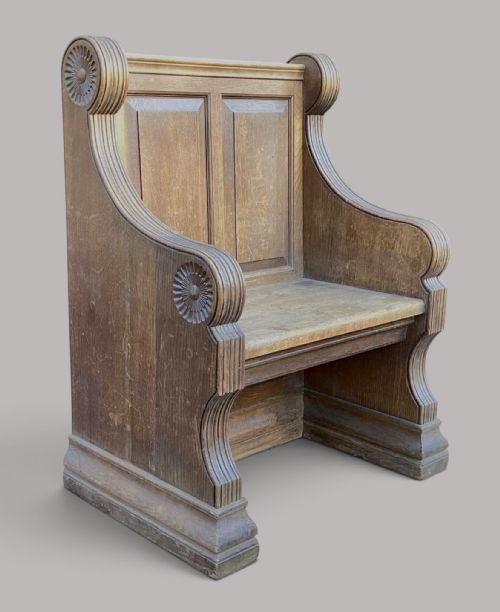
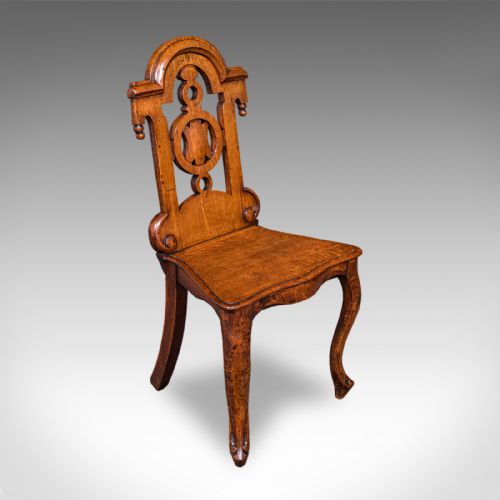
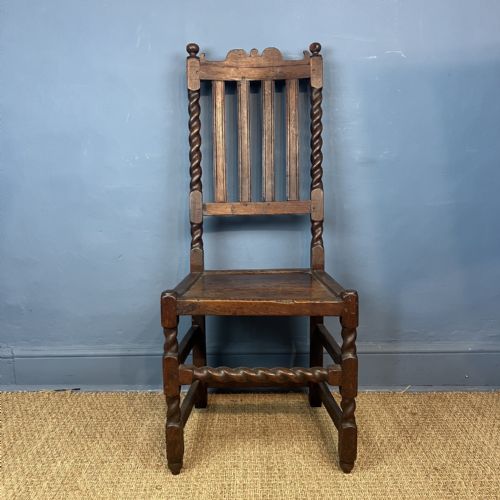
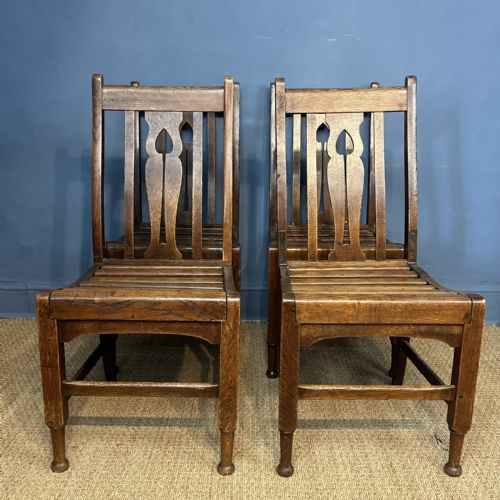
Antique Pair of Quality Carved Oak Side/hall Chairs, 1880
Priced at £885 from London City Antiques
The 2026 retail price guide for Antique Hall Chairs is drawn from a proprietary archive of over 1.1 million retail prices indexed by Sellingantiques since 2003. This guide relies exclusively on their own internal data; no external sources or auction records are used.
Analysing nearly 25 years of UK antique market history alongside current retail values, the data indicates that typical UK retail prices for Antique Hall Chairs range between £300 and £1,800. Entry-level prices generally fall under £300 and premium examples upwards of £1,800.
Flat wooden seats. You won't often find cushions or padding on a genuine antique hall chair.
Backs usually lack spindles or splats. Instead, they feature a solid shield, oval, or round cartouche meant to carry a painted crest.
Straight front legs are common. Turned or faceted supports provided stability on uneven stone flagstones in cold entrance corridors.
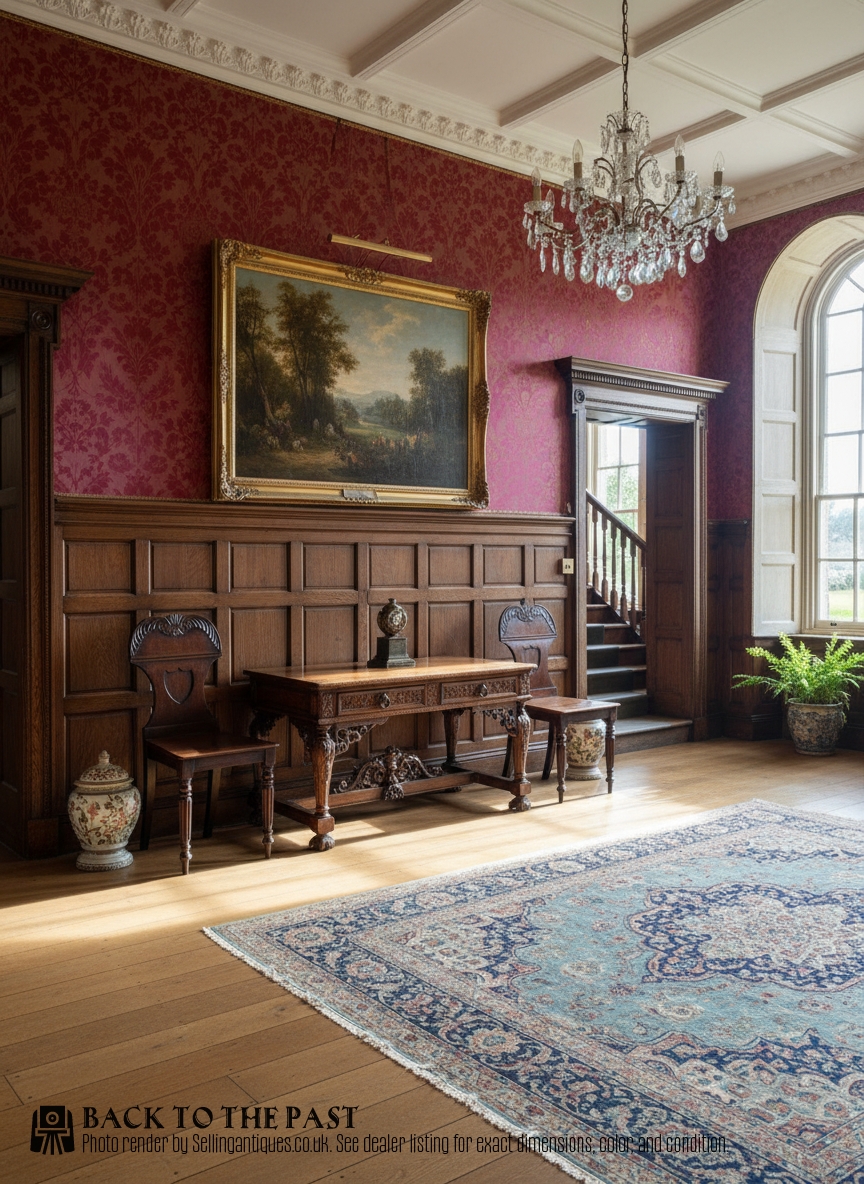
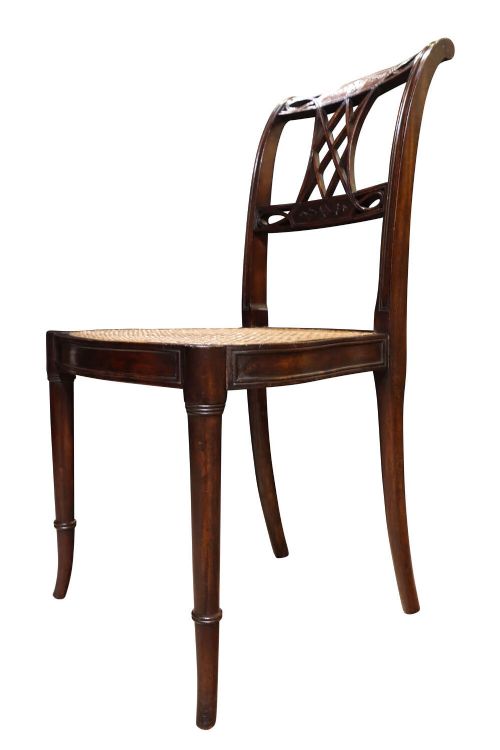
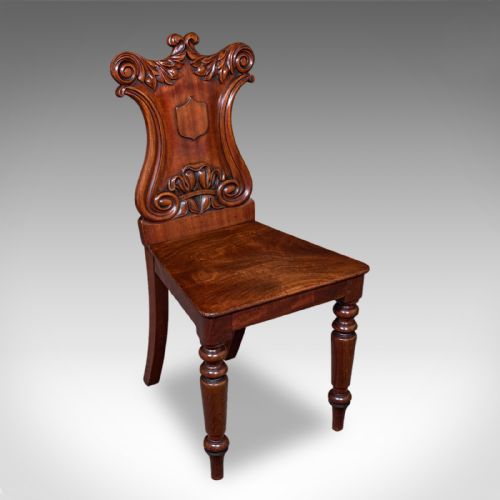
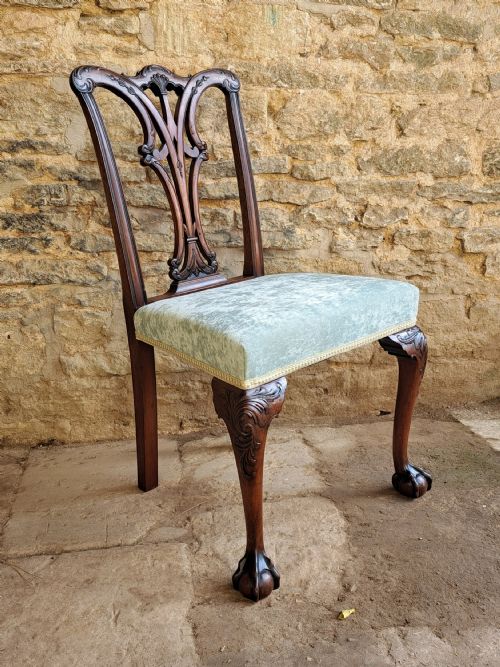
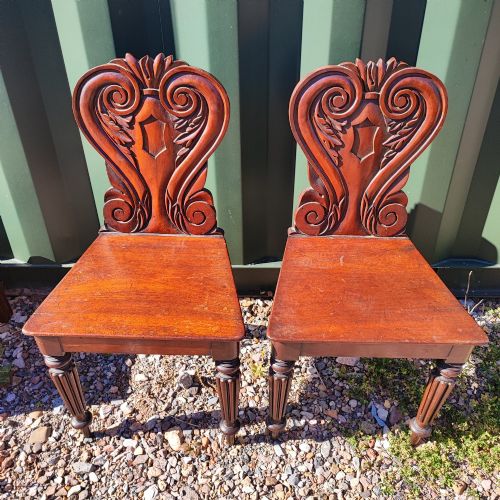
Pair of Antique Regency Quality Carved Mahogany Hall Chairs, 19th Century
Priced at £1,285 from London City Antiques
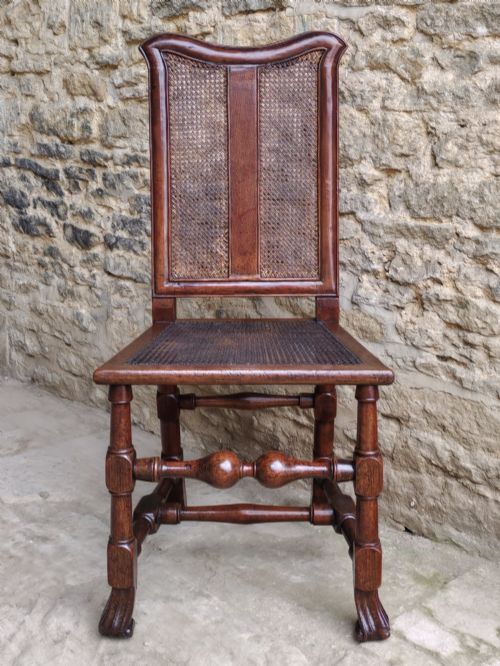
Early examples rely on heavy framing. Seventeenth-century makers built thick joined oak chairs that could handle being dragged across rough stone floors.
Georgian craftsmen refined the joints. They used tight mortise and tenon construction in mahogany to create lighter shields without sacrificing strength.
Notice the shift to turning. By the nineteenth century, steam-powered lathes allowed workshops to produce identical front legs for long sets of hall seating.
"Sets were often split up through inheritance. Finding a matching pair today is uncommon, but they originally lined corridors in larger groups."
"They doubled as architectural features. Some makers designed the chair backs to echo the shape of plaster mouldings in the hallway."
"Consider their role as status symbols. Even minor gentry who could not afford full heraldry commissioned blank shield backs just to look the part."
Based on almost 25 years of Sellingantiques UK antique market data, Antique Hall Chairs appeared 3503 times (out of 1,100,000 antiques) which gives it a rarity score of 50/100.
This score measures scarcity within the Sellingantiques archive only and is not a survey of the entire antiques market, so these statistics may not be indicative of the general availability of Antique Hall Chairs elsewhere.
The makers intended them to be slightly uncomfortable. These chairs sat in entrance halls for visiting tradesmen, footmen, and messengers waiting for an answer.
Upholstery would have been ruined by wet coats and muddy breeches. A solid wooden seat was practical. It wiped down easily and kept visitors alert.
You need to consult a heraldry reference like Fairbairn's Book of Crests. It lists crests by family name and describes the visual elements, such as a lion rampant or a severed boar head.
Keep in mind that many families shared similar crests, and some upwardly mobile Victorians simply copied designs they liked. A local archivist or heraldic society can usually help narrow down the region.
Yes, providing the joints aren't loose.
Antique hall chairs were built to take the weight of heavy men in winter clothing. Just check that the legs don't wobble before putting them to daily use.
They lived strictly in the entrance passages or the great hall. Dining chairs require a different pitch to the back and a much more forgiving seat for long meals.
If you find one in a dining room today, it is because modern owners like the look of the carved backs against a wall. The original household staff would never have mixed hall furniture with the formal dining sets.
Please note: This Antique Hall Chairs guide and its associated pricing data are provided for general informational purposes only. It does not constitute formal financial, investment, or appraisal advice and should not be relied upon as the sole basis for any commercial activity, purchasing, or sales decisions. Sellingantiques.co.uk accepts no liability for any actions taken in reliance on this information. Always consult with a qualified professional or independent appraiser.
