


A 2026 Guide by Sellingantiques
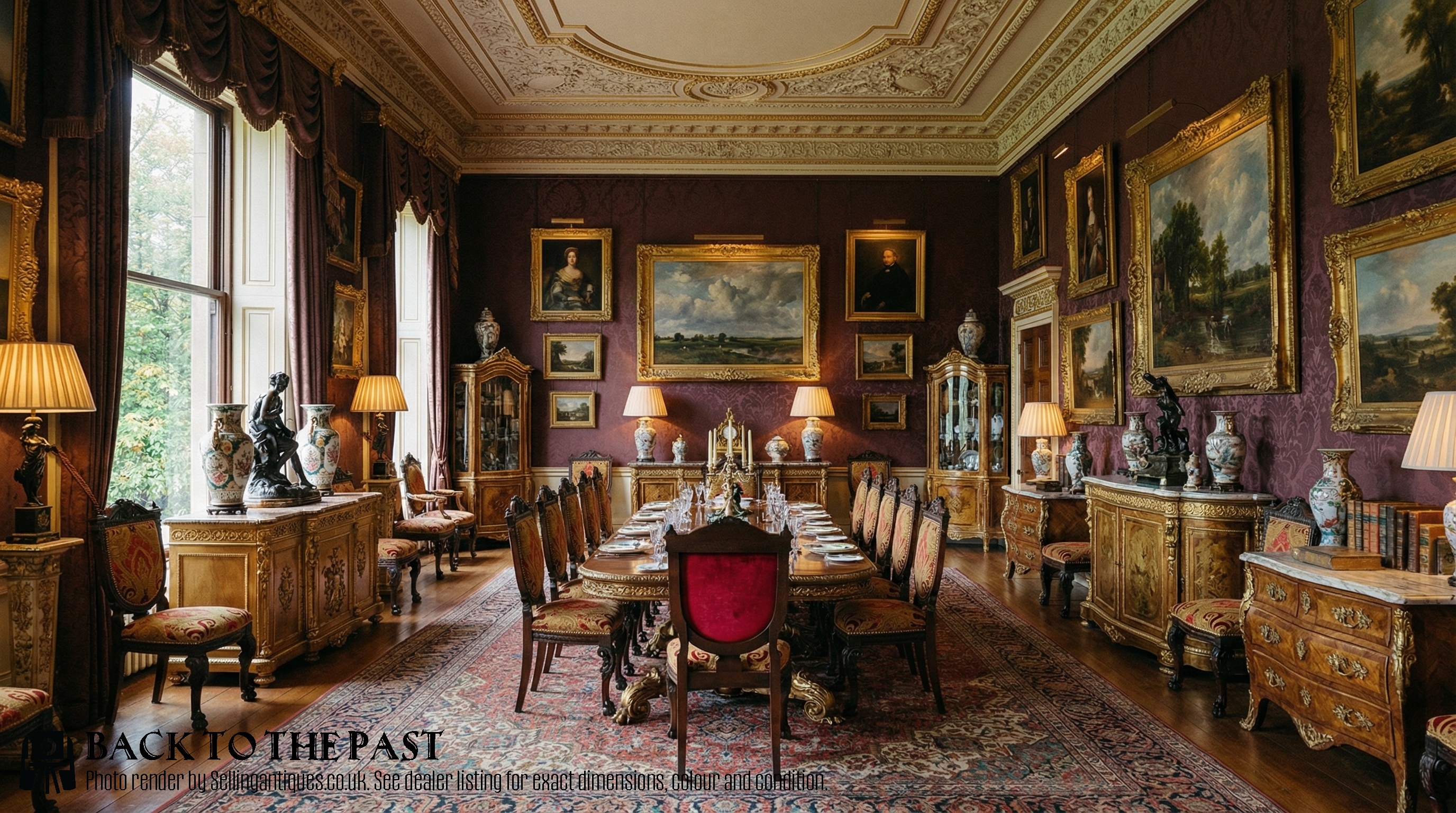
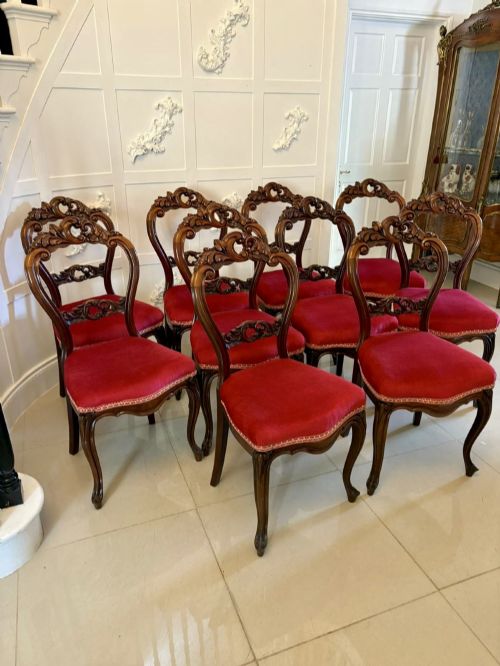
Amazing Set of 16 Mahogany Dining Chairs, 1920
Priced at £14,750 from Philip Hunt Antiques
Dining as a dedicated room activity didn't take hold until the late seventeenth century.
Look for sets. Eighteenth-century households often ordered antique dining chairs in long runs to match their mahogany tables.
Most early examples were armless. This kept the footprint small around the table.
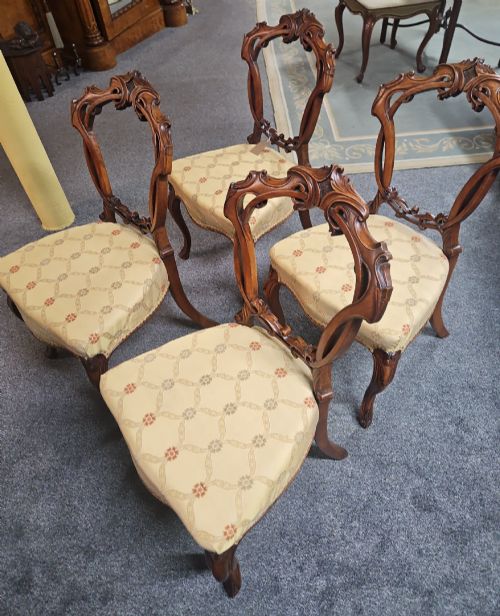
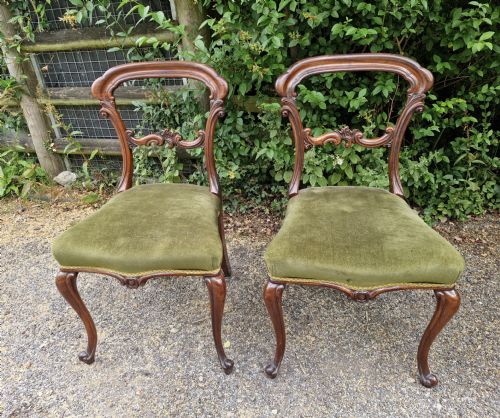
Victorian periods saw the rise of balloon backs, suiting the changing shapes of dining rooms and the move towards intimate family meals.
Matching carvers, chairs with arms placed at the head and foot of the table, became standard practice somewhat later.
Thomas Chippendale supplied high-status clients with carved mahogany chairs from his St Martin's Lane workshop.
Gillows of Lancaster exported neat, solid sets. They produced these from the late eighteenth century right through the Victorian era.
Seddon and Sons held major commissions in the late Georgian period, producing finely painted seating.
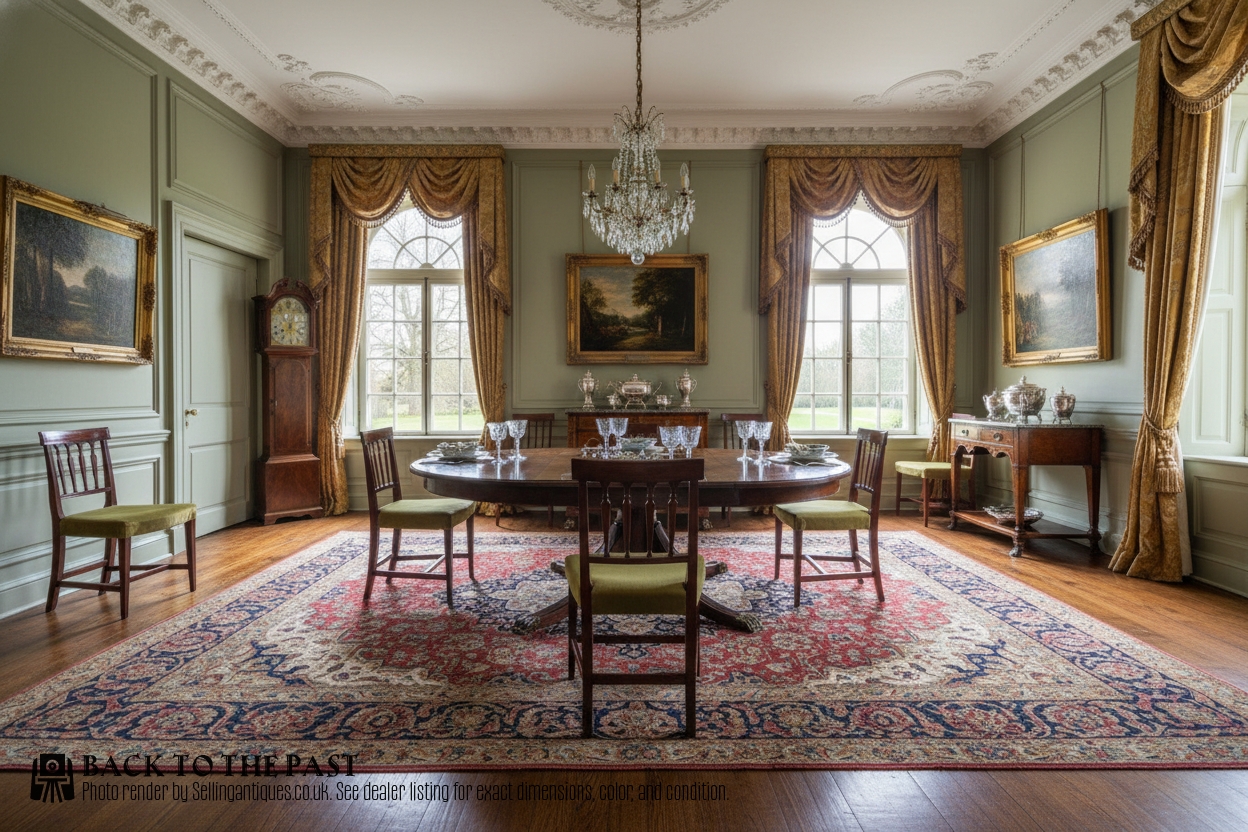
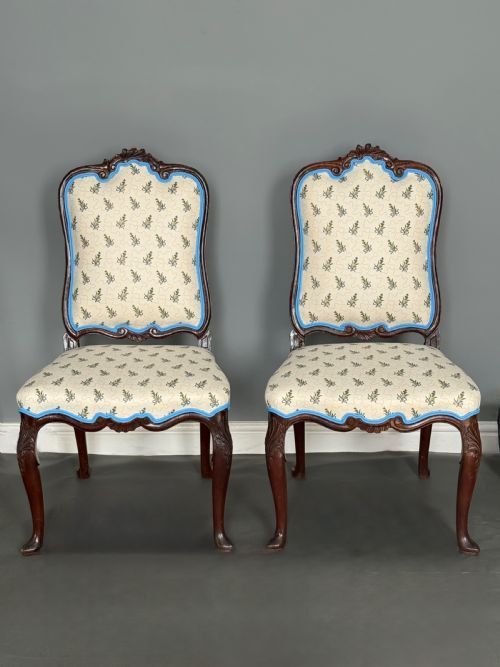
Fine Quality Antique George III Set of Six Mahogany Dining Chairs
, 19th Century
Priced at £2,850 from London City Antiques
The 2026 retail price guide for Antique Dining Chairs is drawn from a proprietary archive of over 1.1 million retail prices indexed by Sellingantiques since 2003. This guide relies exclusively on their own internal data; no external sources or auction records are used.
Analysing nearly 25 years of UK antique market history alongside current retail values, the data indicates that typical UK retail prices for Antique Dining Chairs range between £600 and £3,800. Entry-level prices generally fall under £600 and premium examples upwards of £3,800.
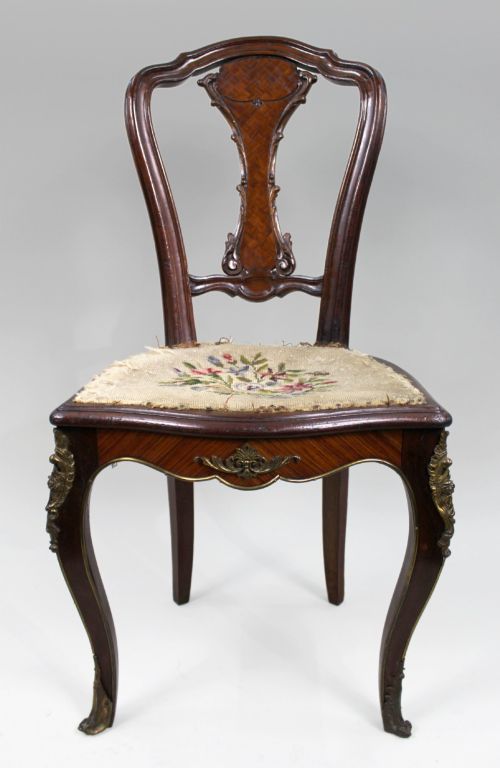
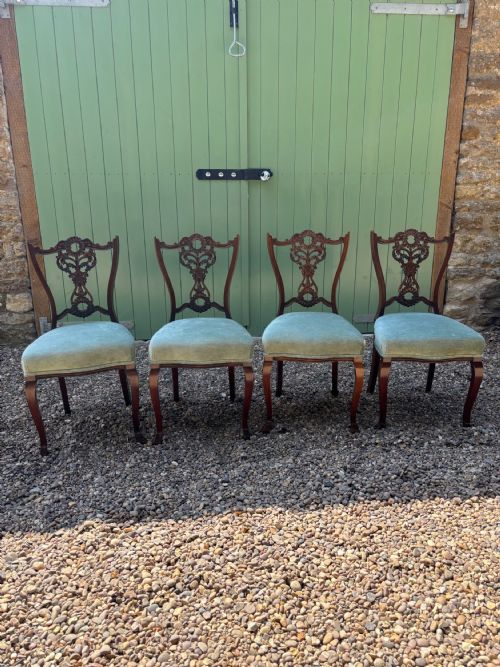
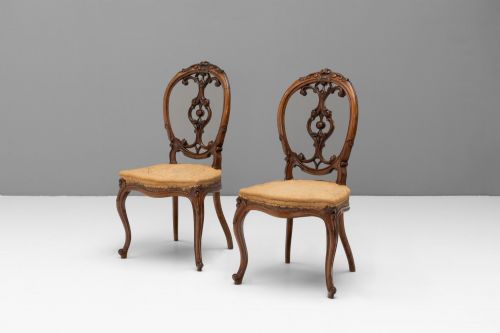
Pierced splats are a classic element, frequently featuring fretwork or carved ribbons across the central back support.
Notice the front legs. Cabriole shapes ending in claw-and-ball feet turn up regularly on mid-eighteenth-century models.
Slip seats lift straight out of the frame. This allowed servants to change the covers quickly when seasons shifted.
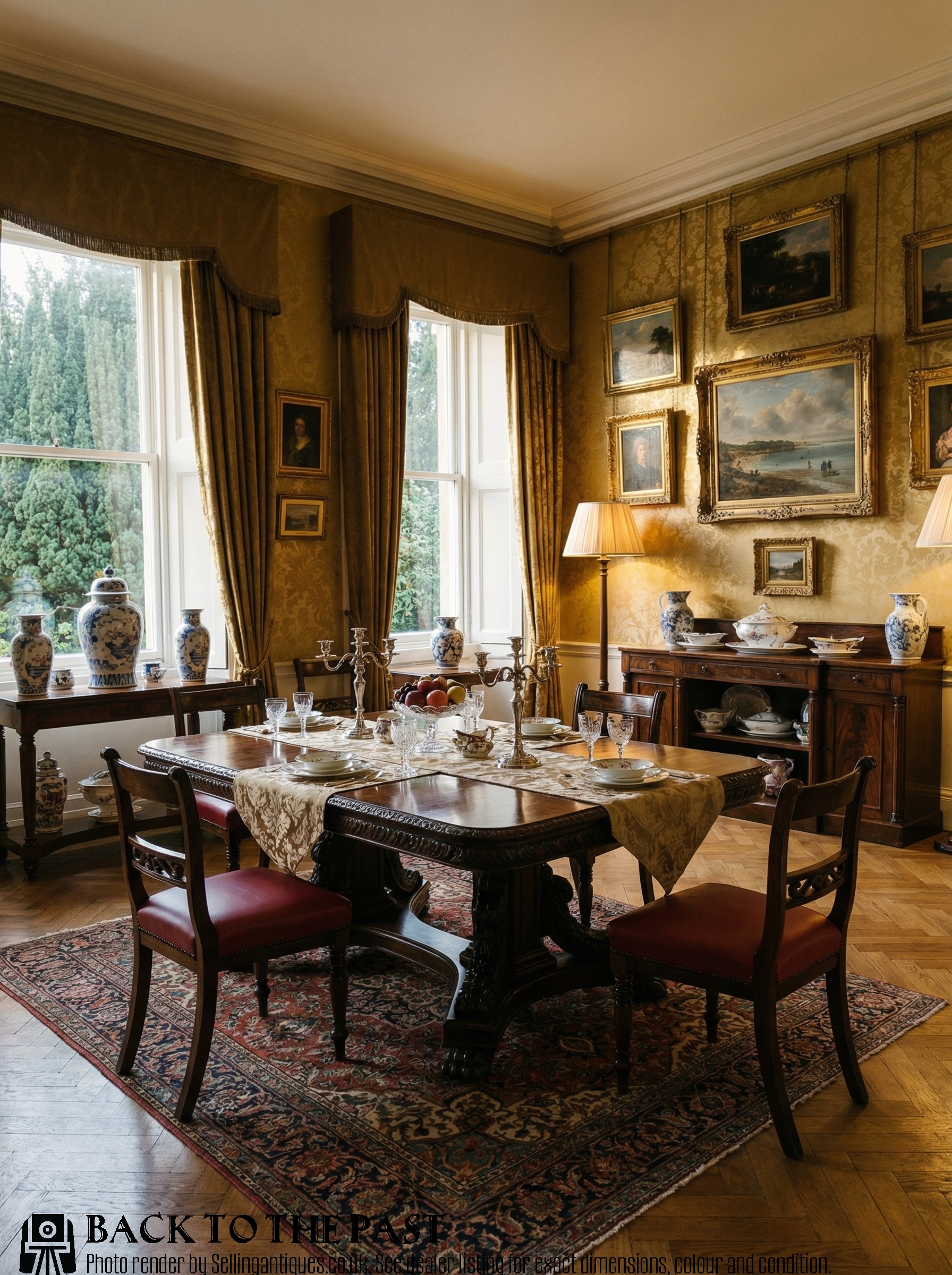
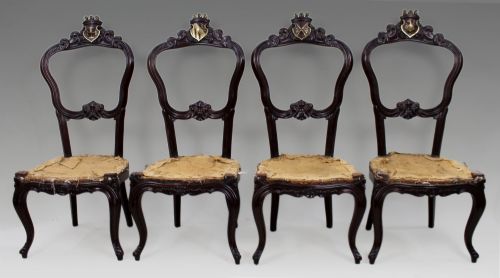
Set of 4 Antique George III Quality Mahogany Dining Chairs, 1800
Priced at £1,485 from London City Antiques
Mortise and tenon joints hold the frames together. Craftsmen drove wooden pegs through these connections for extra stability.
Curved backs require skill. Makers cut the cresting rails from solid blocks of timber rather than bending the wood.
Drop-in seats sit on corner blocks glued inside the rails. This method strengthened the frame considerably.
"Harlequin sets offer a practical way to collect. Assembling chairs of similar styles but different patterns creates a vibrant arrangement."
"Some makers stamped their initials into the hidden back seat rails. It brings a direct connection to the craftsman."
"The drop-in seat design allows you to easily recover them at home. You won't need anything more than minimal tools and basic fabric."
Based on almost 25 years of Sellingantiques UK antique market data, Antique Dining Chairs appeared 17625 times (out of 1,100,000 antiques) which gives it a rarity score of 3/100.
This score measures scarcity within the Sellingantiques archive only and is not a survey of the entire antiques market, so these statistics may not be indicative of the general availability of Antique Dining Chairs elsewhere.
Many buyers successfully mix different periods around a single table. The trick is keeping the seat heights consistent so your guests sit at the same level.
Grouping them by timber helps tie the look together. A set of varied mahogany chairs reads as a deliberate choice rather than an accident.
Move the chair to a known flat surface. The floors are usually the culprit in older houses.
If it sits flat elsewhere, fit thick felt glides to the feet.
Heavy wool damasks or tough leathers work well with the dark tones of mahogany. These materials echo the choices available to eighteenth-century upholsterers and stand up to daily use.
Horsehair fabric is another traditional option. It offers a crisp texture and sheds spills effectively, which makes it highly practical for a dining room.
Drop-in seats are straightforward to tackle. You can push them up from underneath the frame and lift them right out of the chair.
Strip off the old top fabric and inspect the webbing and stuffing below. If the foundation is firm, you can stretch your new material over the existing pad and tack it directly to the underside of the wooden seat frame.
Leave the corners until last. Fold them neatly to avoid bulk so the seat drops cleanly back into the chair.
Please note: This Antique Dining Chairs guide and its associated pricing data are provided for general informational purposes only. It does not constitute formal financial, investment, or appraisal advice and should not be relied upon as the sole basis for any commercial activity, purchasing, or sales decisions. Sellingantiques.co.uk accepts no liability for any actions taken in reliance on this information. Always consult with a qualified professional or independent appraiser.
