

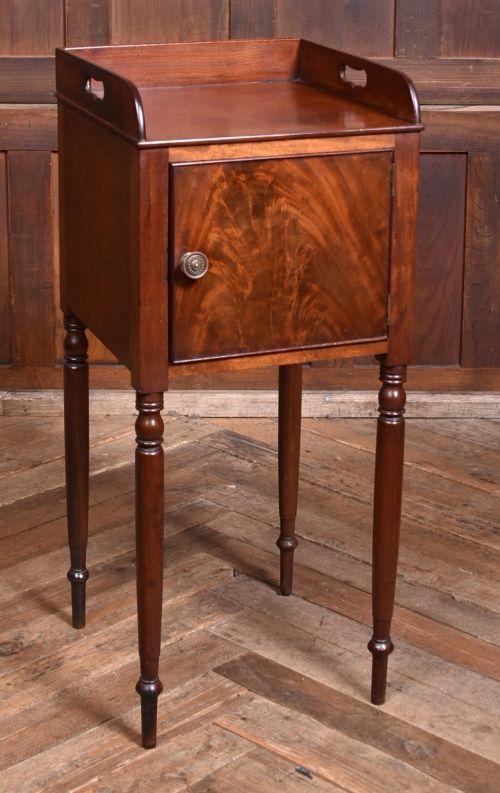
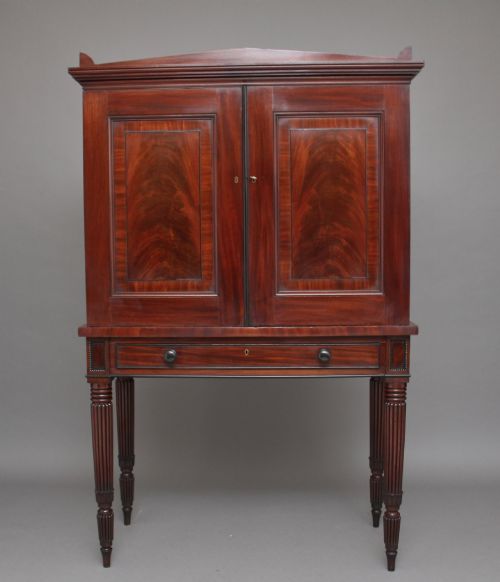


A 2026 Guide by Sellingantiques
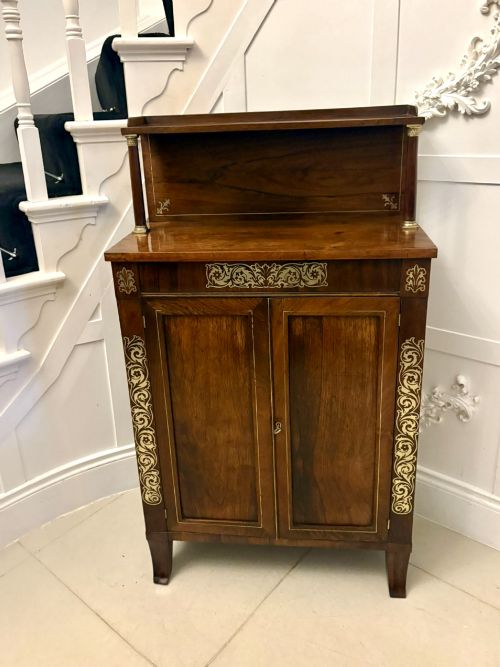
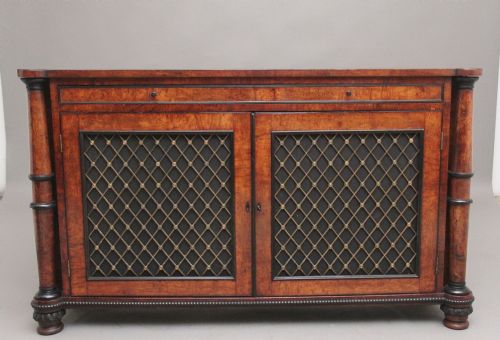
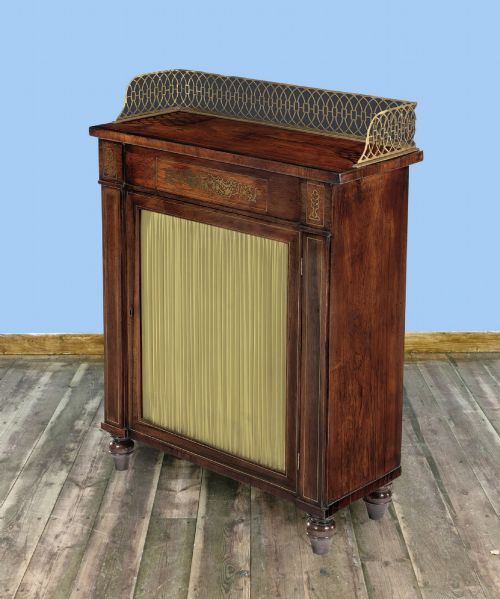
Neat Georgian Chiffonier Side Cabinet, Georgian
Priced at £1,650 from Millers Antiques
Georgian cabinets evolved from heavy seventeenth-century press cupboards into lighter, more refined storage for the rising middle classes.
Trade with the West Indies brought new woods into British ports.
Look at the proportions. They shifted noticeably between 1714 and 1830 as architectural tastes changed across the period.
Wealthy households demanded glazed sections to show off imported tea wares.
Thomas Chippendale supplied grand examples to wealthy patrons, publishing influential designs in his 1754 publication.
Firms like Gillows of Lancaster built heavy, solid Georgian cabinets for provincial and London clients alike.
George Hepplewhite popularised lighter forms with shield motifs and tapering legs towards the end of the century.
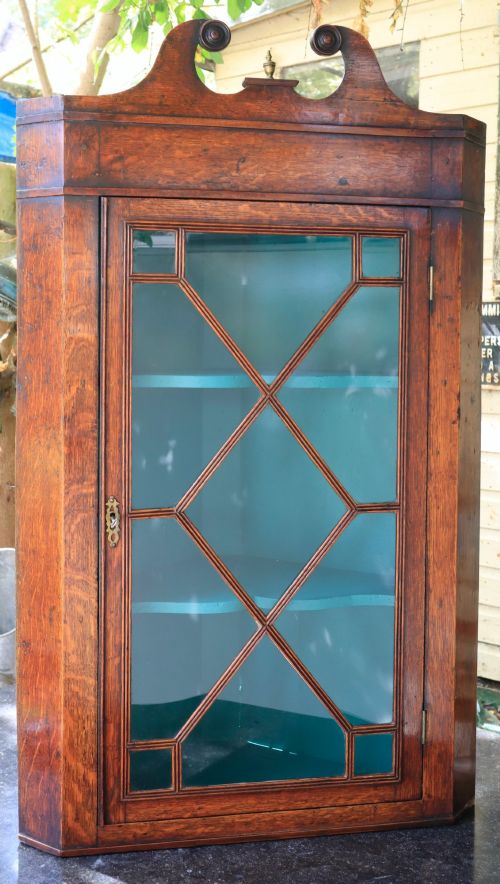
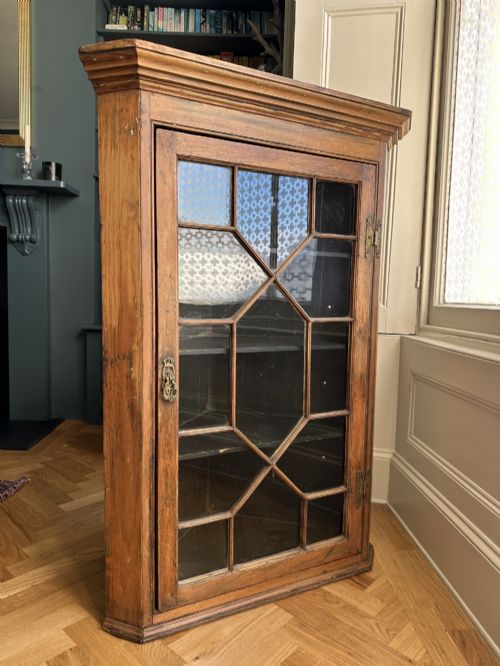
George II Mahogany Glazed Corner Cabinet, 18th Century
Priced at £1,795 from Philip Hunt Antiques
The 2026 retail price guide for Georgian Cabinets is drawn from a proprietary archive of over 1.1 million retail prices indexed by Sellingantiques since 2003. This guide relies exclusively on their own internal data; no external sources or auction records are used.
Analysing nearly 25 years of UK antique market history alongside current retail values, the data indicates that typical UK retail prices for Georgian Cabinets range between £600 and £4,000. Entry-level prices generally fall under £600 and premium examples upwards of £4,000.
Astragal glazing bars break up the glass panels into geometric or Gothic patterns.
Cornices finish the top edge. Some are plain stepped affairs, while others carry carved dentil moulding or swan-neck pediments.
Notice the cockbeading. This narrow moulding surrounds the drawer fronts on most examples, projecting slightly to protect the veneer edges from chipping.
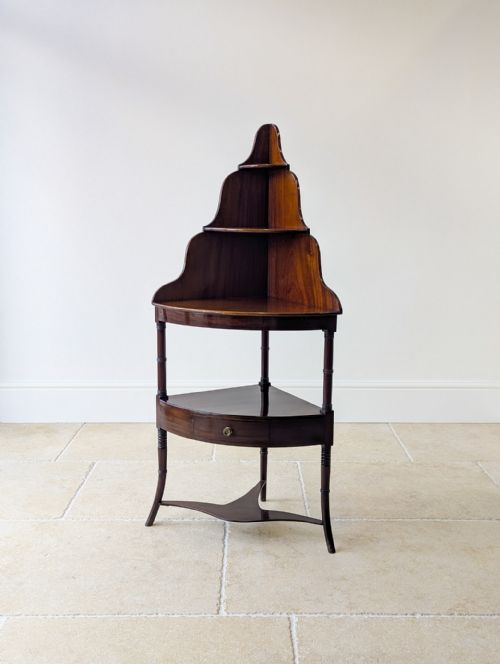
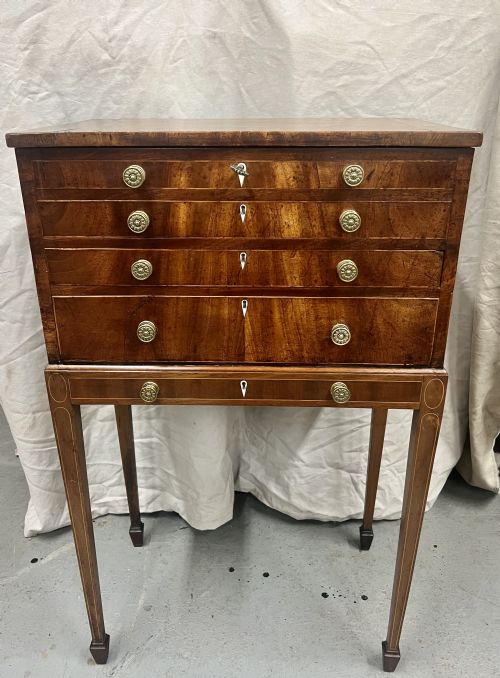
Country House Mahogany Corner Cabinet, 19th Century
Priced at £750 from Sinclairs Antiques and Interiors
Cabinet makers moved from solid timber construction to applying thin, expensive veneers over cheaper secondary woods.
Turn it around. Hand-planed backboards show rough, uneven tool marks because builders rarely wasted effort smoothing surfaces that sat against a wall.
Locks were inset carefully by hand. The ironmonger stamped the brass plates, and workmen secured them with handmade iron screws.
"Secret compartments sometimes sit neatly hidden behind decorative pilasters or false drawer bottoms."
"They were designed to come apart. Most large examples split into upper and lower halves to fit up narrow staircases."
"Brass escutcheons often carry cast patterns matching the grand architecture of the room they were made for."
Based on almost 25 years of Sellingantiques UK antique market data, Georgian Cabinets appeared 5229 times (out of 1,100,000 antiques) which gives it a rarity score of 35/100.
This score measures scarcity within the Sellingantiques archive only and is not a survey of the entire antiques market, so these statistics may not be indicative of the general availability of Georgian Cabinets elsewhere.
Mahogany is a dense timber. A full-sized piece usually takes two strong people to move the bottom section alone.
Most split into two parts at the waist. You remove the top half before trying to lift the base.
Sometimes. Many feature wooden supports resting on a saw-tooth rack.
These racks let you shift the height. Others use fixed shelves.
It depends on the construction. Some cornices slide off easily because they sit on a separate frame resting on pegs.
Others are nailed or glued firmly into the carcase structure. Removing those requires a cabinet maker and will alter the proportions of the piece.
Georgian cabinet makers built things to last. A solid oak or thick pine shelf will hold a substantial stack of dinnerware without much trouble.
Very wide spans might show a slight dip in the middle. If the shelves are thin mahogany or later replacements, they might struggle under heavy ceramic weights.
Please note: This Georgian Cabinets guide and its associated pricing data are provided for general informational purposes only. It does not constitute formal financial, investment, or appraisal advice and should not be relied upon as the sole basis for any commercial activity, purchasing, or sales decisions. Sellingantiques.co.uk accepts no liability for any actions taken in reliance on this information. Always consult with a qualified professional or independent appraiser.
