
Antique Trinket Boxes
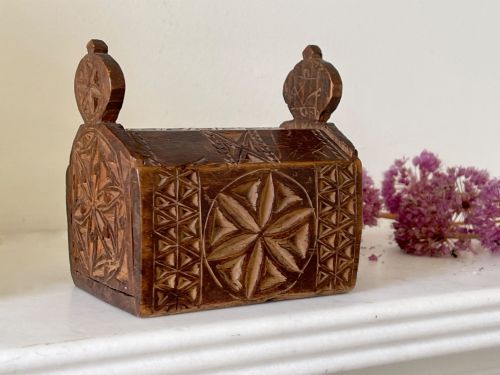
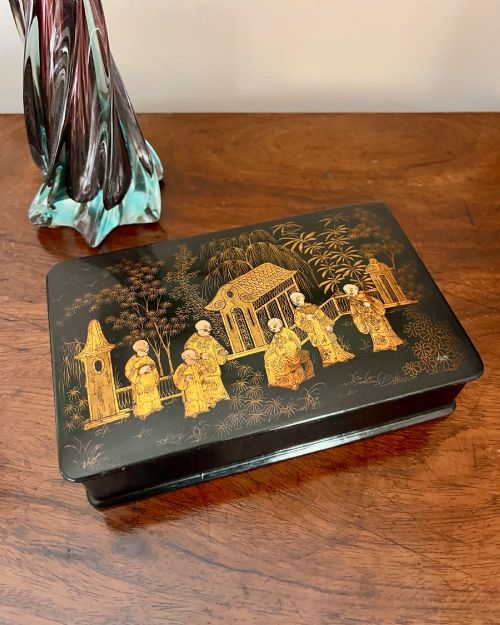
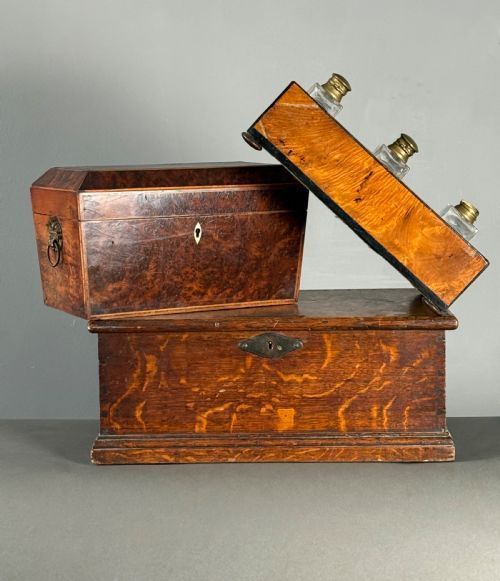
A trinket box is a small lidded container, usually under about 30cm, made to hold jewellery, snuff, patches, stamps, gloves or keepsakes.
Antique Trinket Boxes
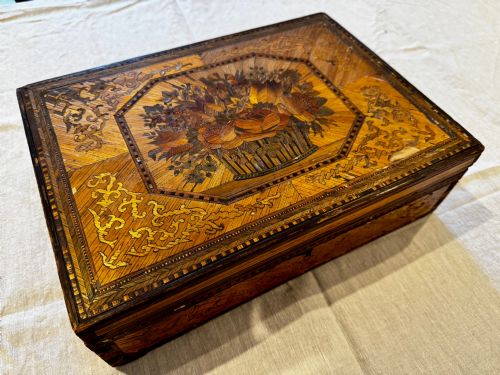
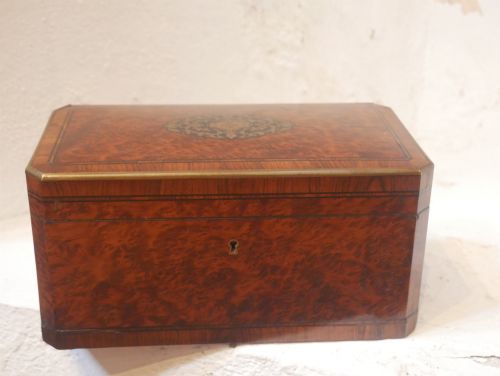
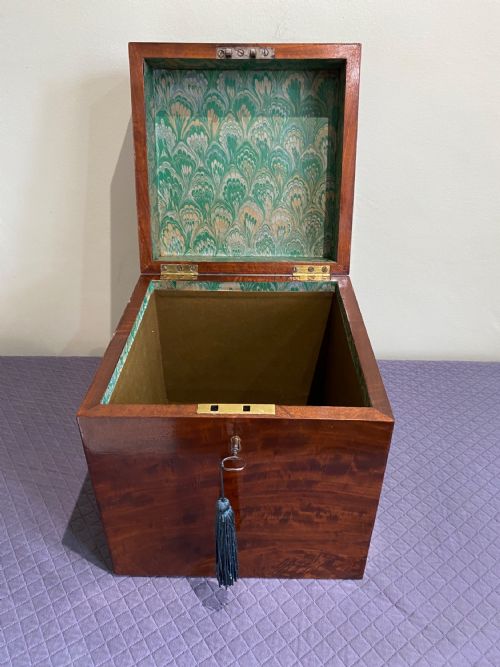
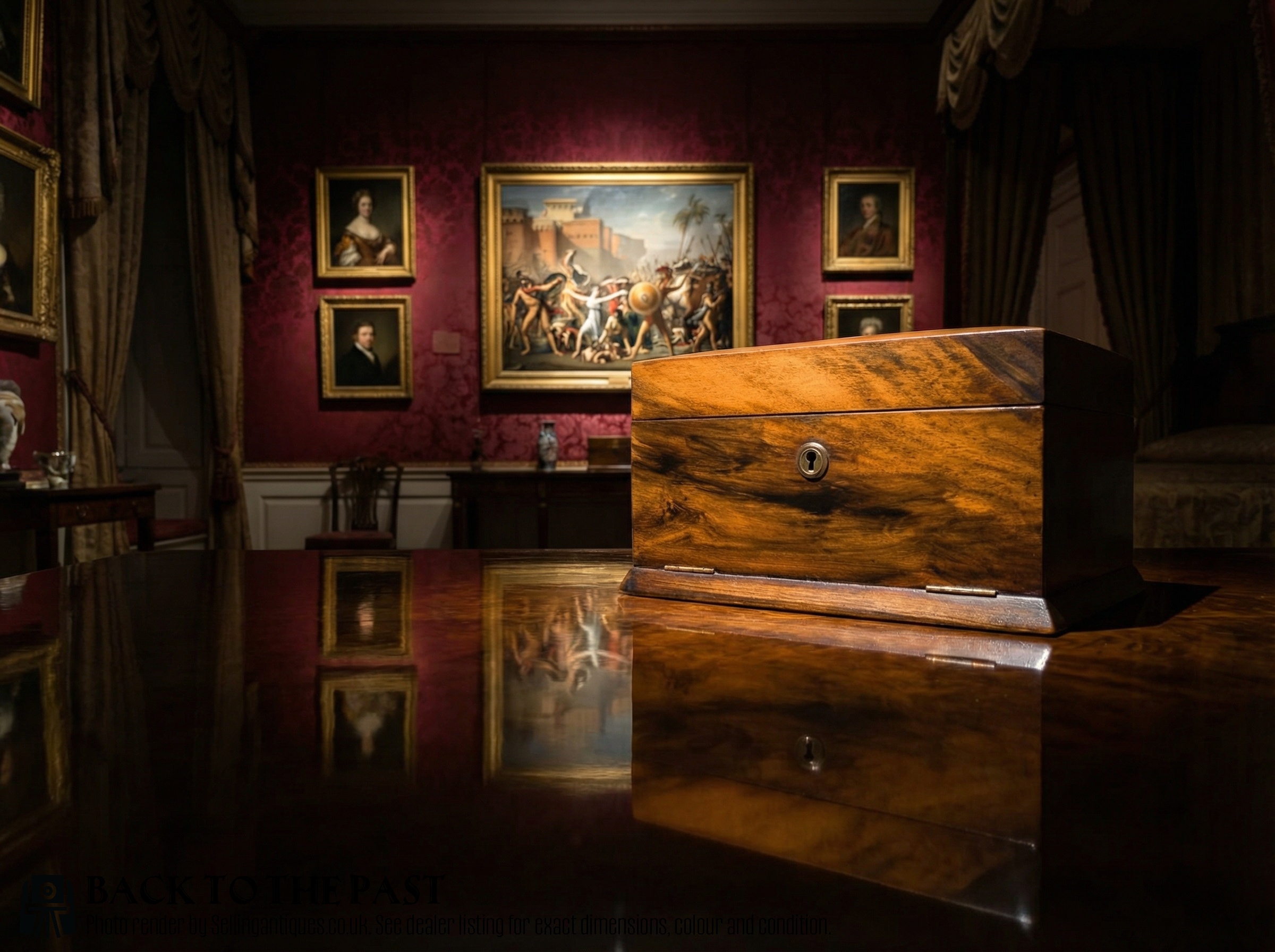
The heading covers a wide spread of small lidded boxes, and one form dominates: a 19th-century wooden box with decorative veneer or inlay, described as a jewellery or trinket box. "Jewellery" turns up in 103 titles, "Victorian" in 91, and the timber words cluster round them - walnut, rosewood, burr walnut, mahogany, oak, ebony - with "inlaid" and "carved" close behind.
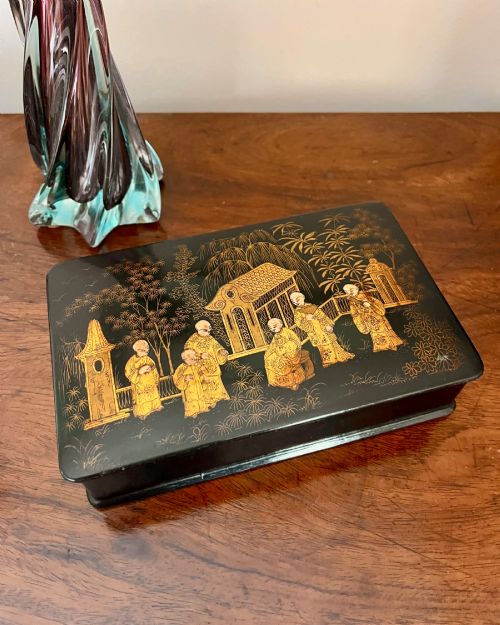
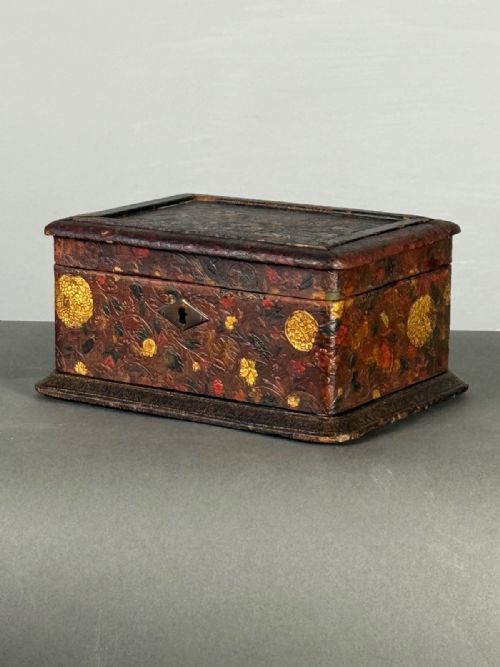
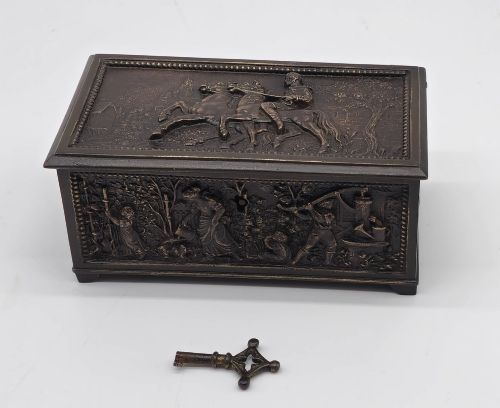
The second commonest form is the snuff box, in 78 titles, alongside patch, tobacco and pocket boxes in papier mâché, horn, coquilla nut and treen. Then come silver, brass, bronze and gilt boxes, enamel and glass jars, and a thin top layer of gold and hardstone pocket boxes.
"Trinket box" is largely a later trade term, and dealers apply it to forms first made for something else. Tea caddies, glove boxes, stamp boxes and work or sewing boxes all appear under it. Tunbridge ware runs through the category as a persistent minority, in 25 to 27 titles, turning up as trinket boxes, stamp boxes, snuff boxes, caddies and work boxes.
Dating is mostly by era label rather than year. 19th Century, Victorian, Georgian, Regency and Edwardian tags carry the bulk of the archive, with 205 listings giving a clean year between 1750 and 1950. Read the broad brackets loosely: several titles carry a Victorian tag next to a c.1830 or c.1920 date. A scattering are put at the 17th century or before 1700, one Welsh oak table box at around 1640.
What Sets Them Apart
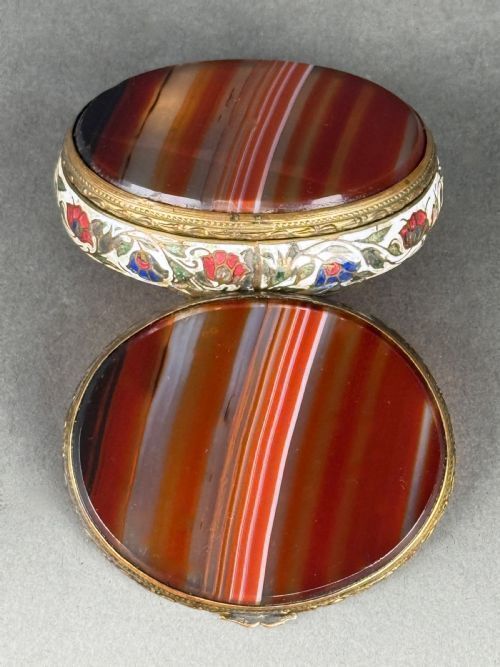
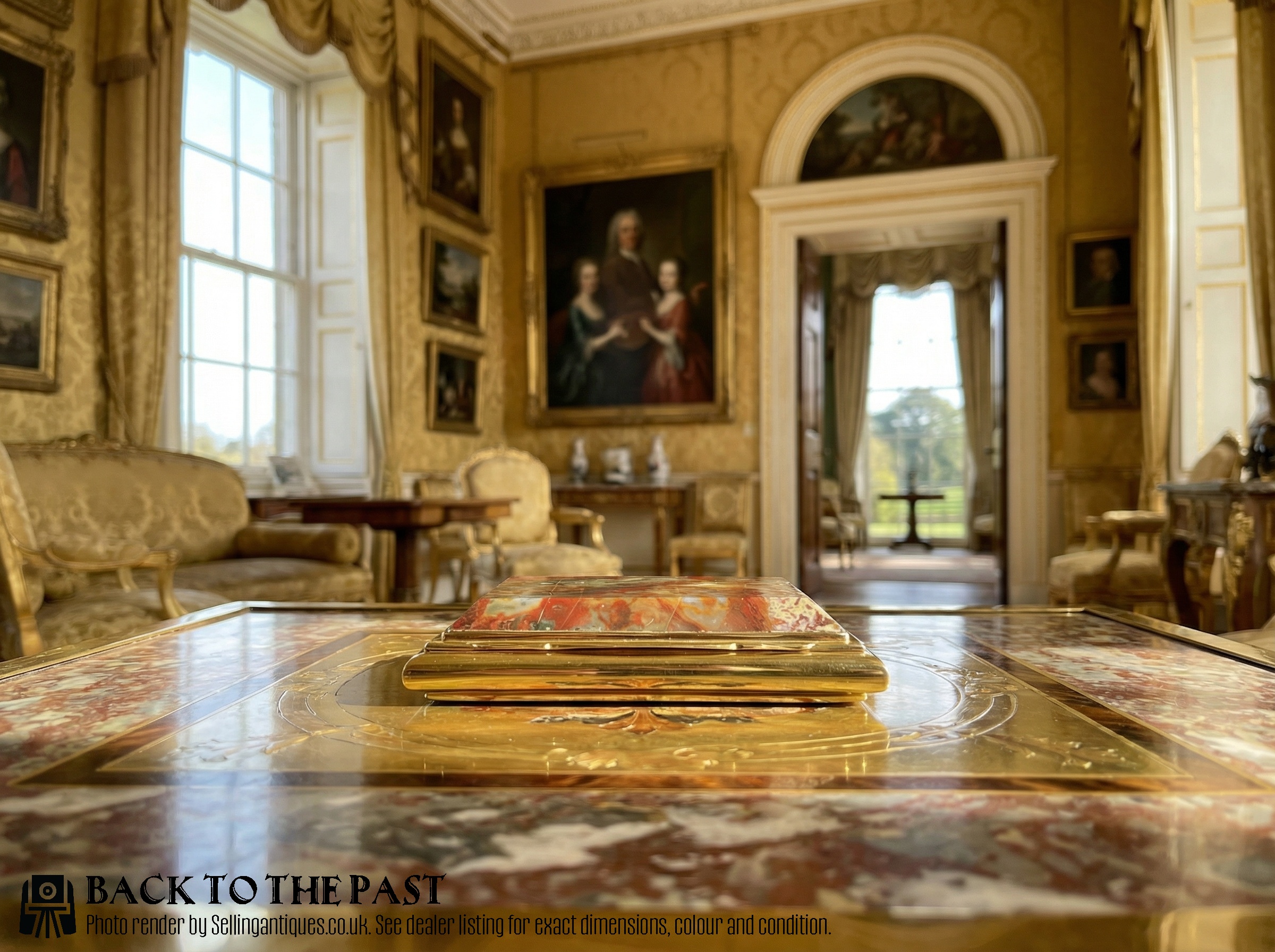
Material does most of the work. Gold snuff boxes hold the entire top of the range, several of them vari-coloured 18-carat, with gold-and-agate and hardstone boxes near them. Fine enamel sits high too. Plain wood, jasperware, olivewood and papier mâché sit at the other end.
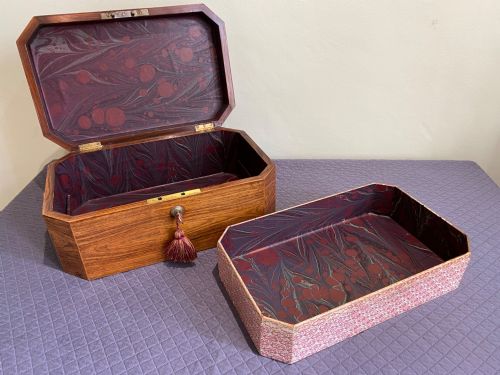
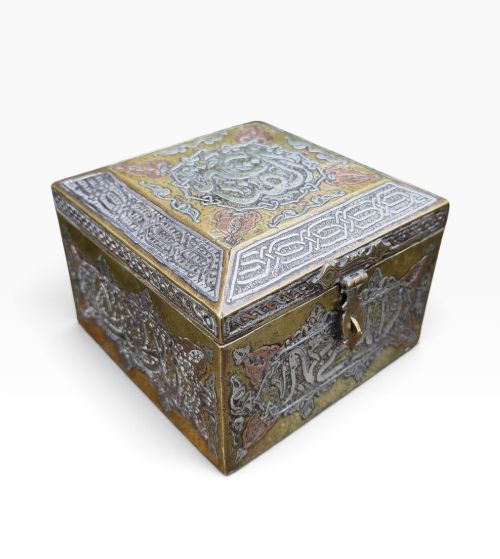
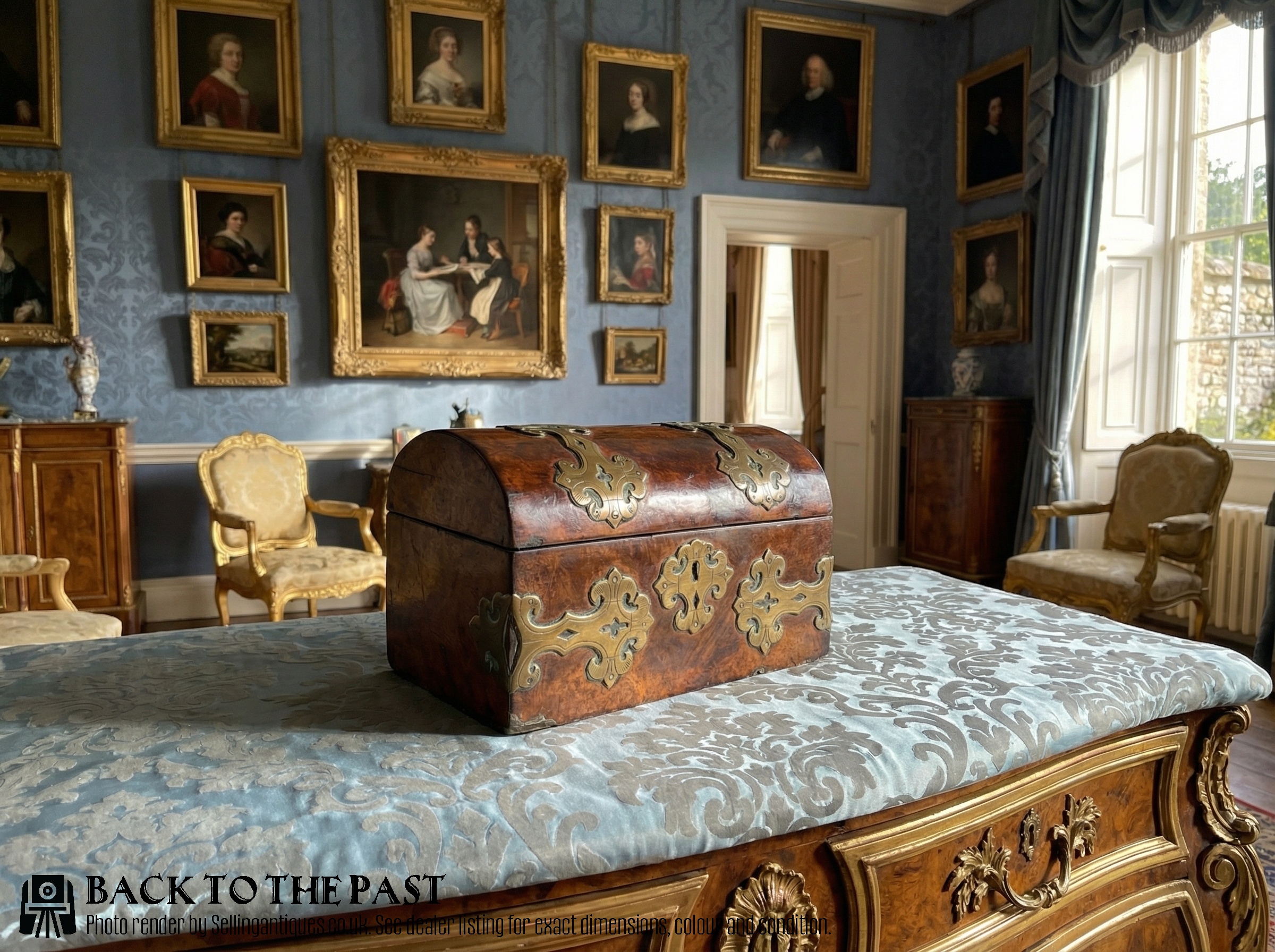
After material comes the depth of the decorative work. Tunbridge ware mosaic, sadeli, marquetry, pietra dura mounts on ebony, cloisonné and damascened iron all sit well above plain carved or chip-carved boxes. A fitted interior counts as well: trays, mirrors and silk linings cluster in the upper half of the range.
Age pushes upward but not smoothly. Oak, olivewood and marquetry boxes tagged 17th century, and 18th-century South Staffordshire enamels, appear disproportionately near the top, though early boxes turn up across a wide span. A named or documented association does the same, whether assay-dated silver, a retailer's mark, or a royal or regimental link, against the anonymous "small antique box" at the bottom.
Antique Trinket Boxes Retail Price Guide 2026
Typical UK retail prices for trinket boxes, calculated from the Sellingantiques database of over a million retail prices indexed since 2003. This retail price guide relies exclusively on Sellingantiques data; no external sources or auction records are used, so the figures do not describe the wider market.
The heaviest silver boxes recorded on Sellingantiques give their weight in the title - 198 grams for a table box, 156 grams for a caddy-form one.
The Antique Trinket Boxes Glossary
- Casket
- A larger or more architectural box, often domed or sarcophagus-shaped. The word appears in 38 titles, frequently as "jewellery casket".
- Burr
- Figured veneer cut from a burr growth on the tree, most often walnut. Burr appears in 26 titles, 20 of them burr walnut.
- Parquetry and marquetry
- Veneer inlay, geometric in the first case, pictorial in the second. Both sit alongside the plain word "inlaid", which covers 38 titles.
- Tunbridge ware
- Decoration built from bundled coloured wood rods, glued up and sliced across to give mosaic patterns. A white ware variant appears in the archive too.
- Sadeli
- Anglo-Indian mosaic of bone, metal and wood cut in fine strips and laid in geometric bands. Seen on several boxes here.
- Vinaigrette
- A very small hinged box with a pierced grille over a scented sponge. A couple of silver examples turn up in the category.
Antique Trinket Boxes: Frequently Asked Questions
What were trinket boxes originally used for?
Many were made for a specific consumable or accessory: snuff, face patches, tea, stamps, gloves, or sewing kit. Each acquired its own purpose-made container through the 18th and 19th centuries.
"Trinket box" is the later trade label. Dealers use it for jewellery and keepsake boxes, and often for caddies, glove boxes and work boxes that started life doing something else.
Which woods appear most often?
Walnut and rosewood lead the timber words in titles, followed by burr walnut, mahogany, oak and ebony. Papier mâché bodies, japanned and hand painted, run through the snuff and pocket boxes.
Olivewood, fruitwood, laburnum and coquilla nut show up in the treen and turned end of the archive.
How old are most of these boxes?
The dated field runs from 1750 to 1950, with 205 listings carrying a clean year. Era tags carry the rest: 19th Century, Victorian, Georgian, Regency, Edwardian, plus decade tags for the 1880s, 1890s, 1900s and 1920s.
A handful sit earlier, tagged 17th Century or simply "Before 1700". A Welsh oak table box in the archive is put at around 1640.
Are trinket boxes on Sellingantiques mostly English?
No. French appears in more titles than English, and Japanese and Indian pieces both have a steady presence.
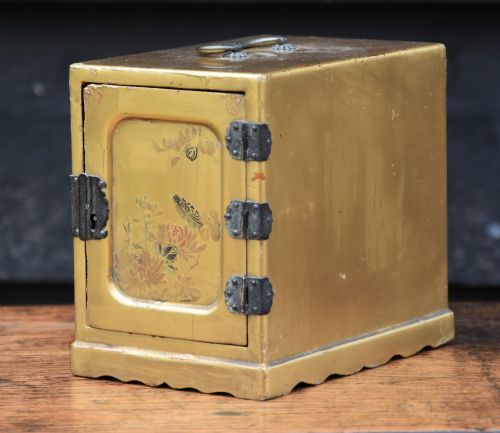
The geography shows in the decoration too: sadeli mosaic from Anglo-Indian workshops, damascened iron and cloisonné from Japan, ormolu-mounted glass and porcelain from France.
Do many carry silver hallmarks?
Silver is a minority of the category, and a smaller share again of live stock. Assay towns are barely recorded in titles at all.
Chester, London and Birmingham are the only offices named across the whole sample, so a stated assay date is the exception rather than the pattern.
What unusual forms turn up in this category?
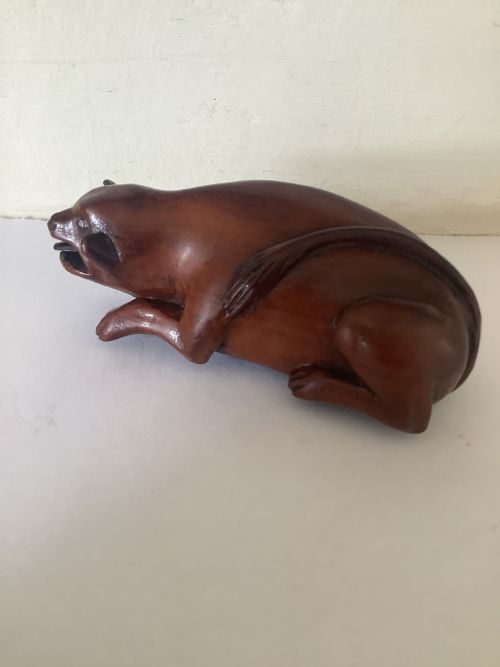
Novelty shapes surface regularly. A horse's hoof snuff box, boxes made as stacking books, a football, a coach and horses, a Georgian house facade, and treen boxes carved as ladies' feet in open-toed shoes.
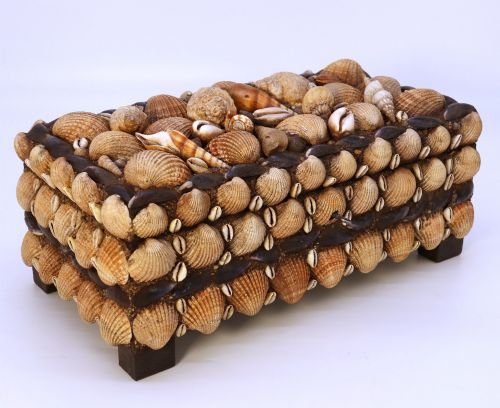
Other one-offs include prisoner-of-war straw work, tramp art, shellwork, and a snuff box made from oak salvaged after the 1834 Houses of Parliament fire. Star tortoise shells mounted as jewellery boxes and porcupine quill boxes from Ceylon appear more than once.