It was listed by Chalfont Clocks. Sold pieces stay on Sellingantiques as a record of what has passed through, and the next one is rarely far away.
Chalfont Clocks has dated this Regency Bracket Clock to the Regency era.
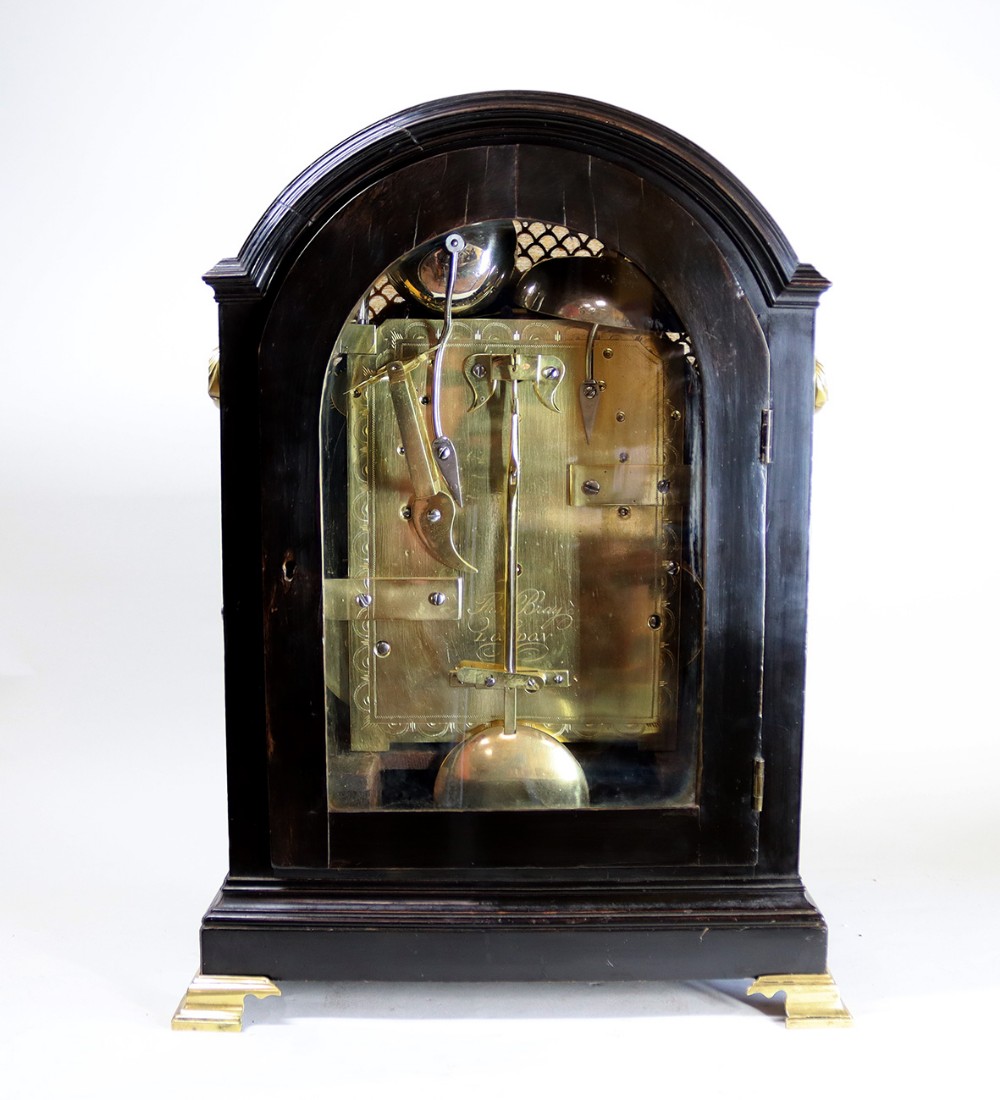
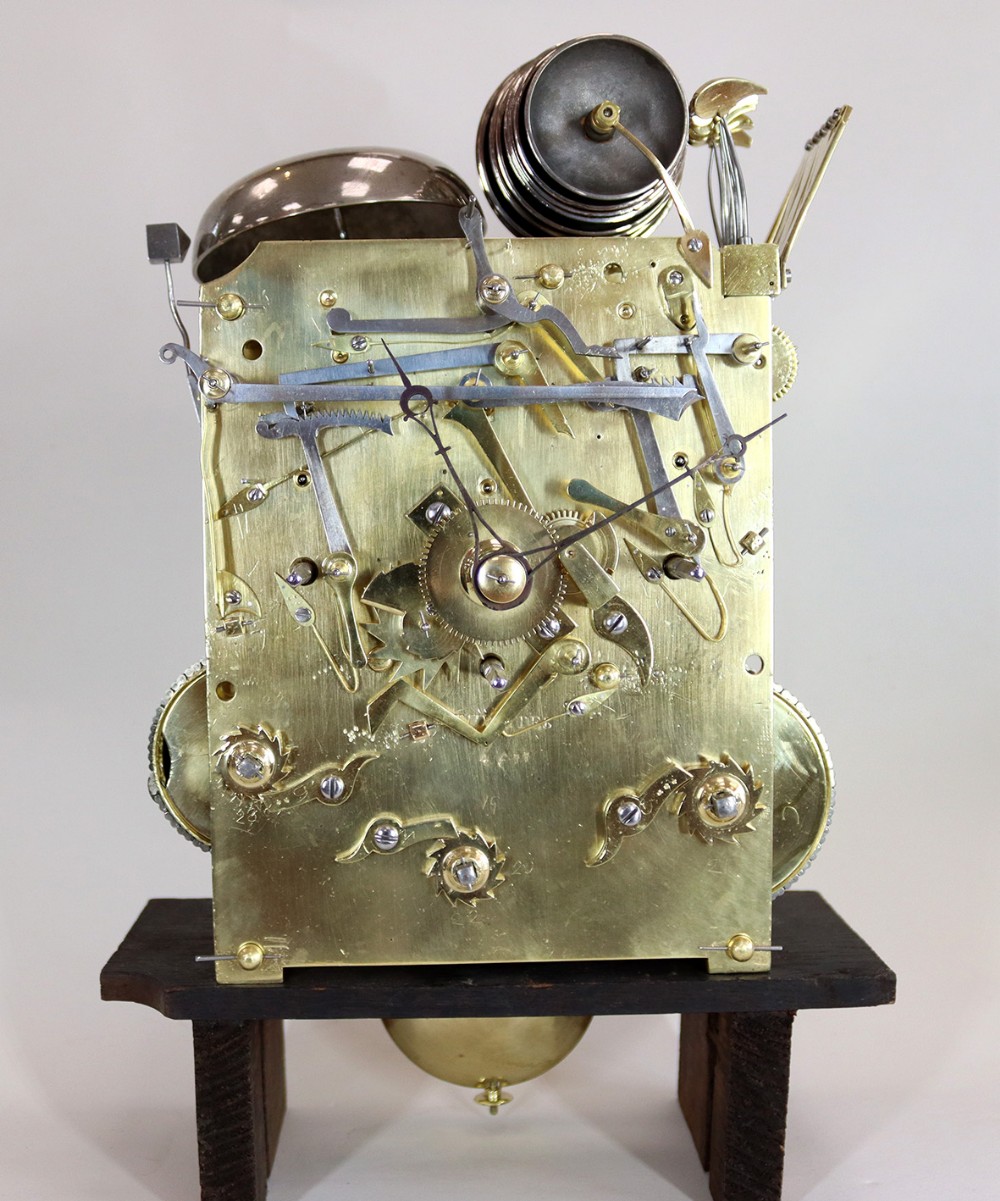
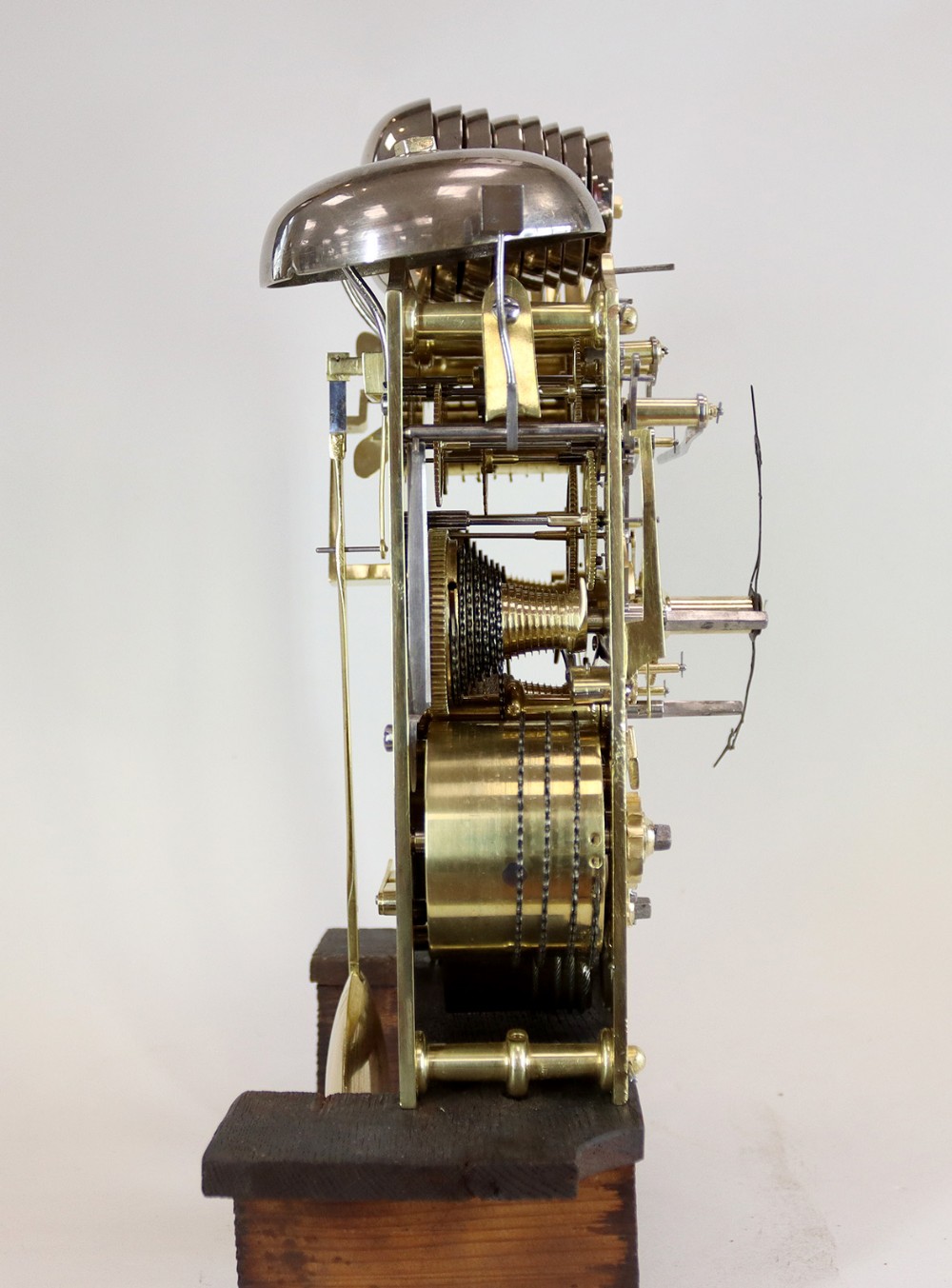
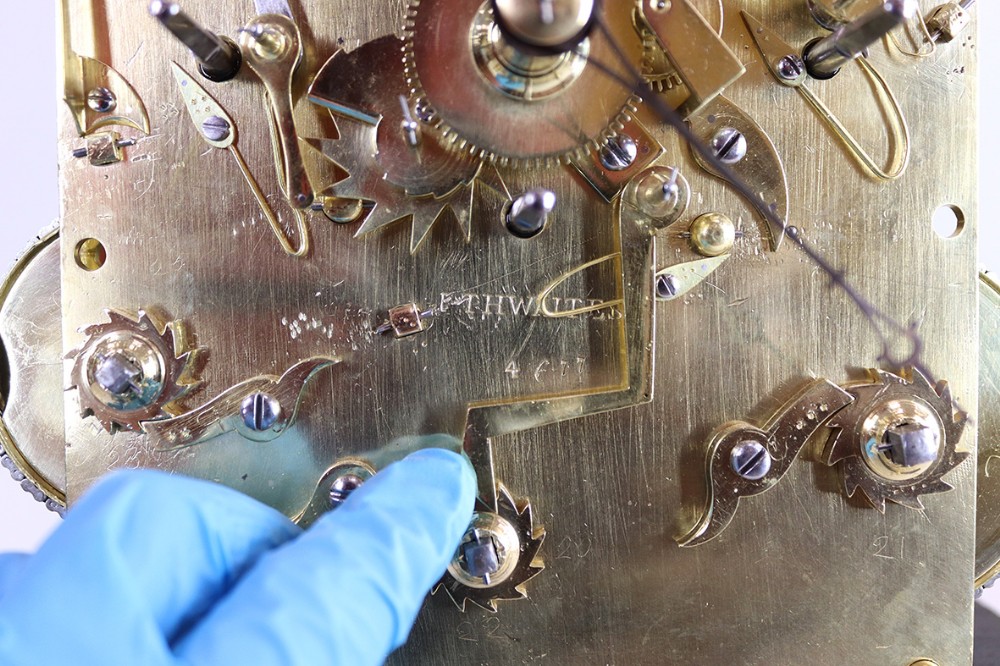
The movement also has a pull correction lever.
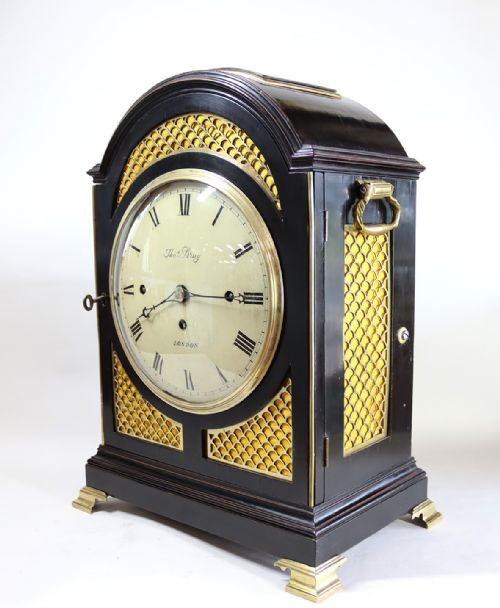
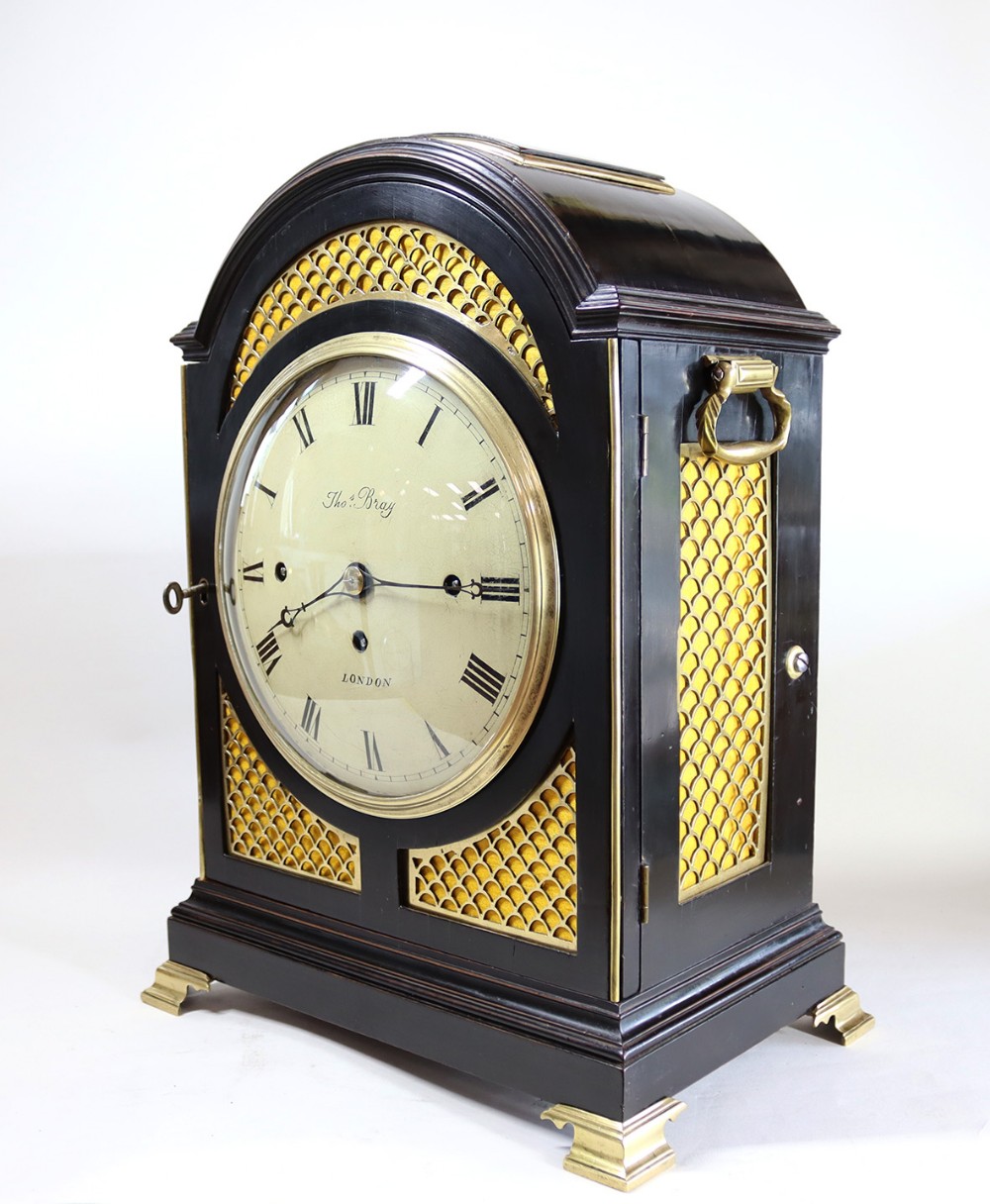
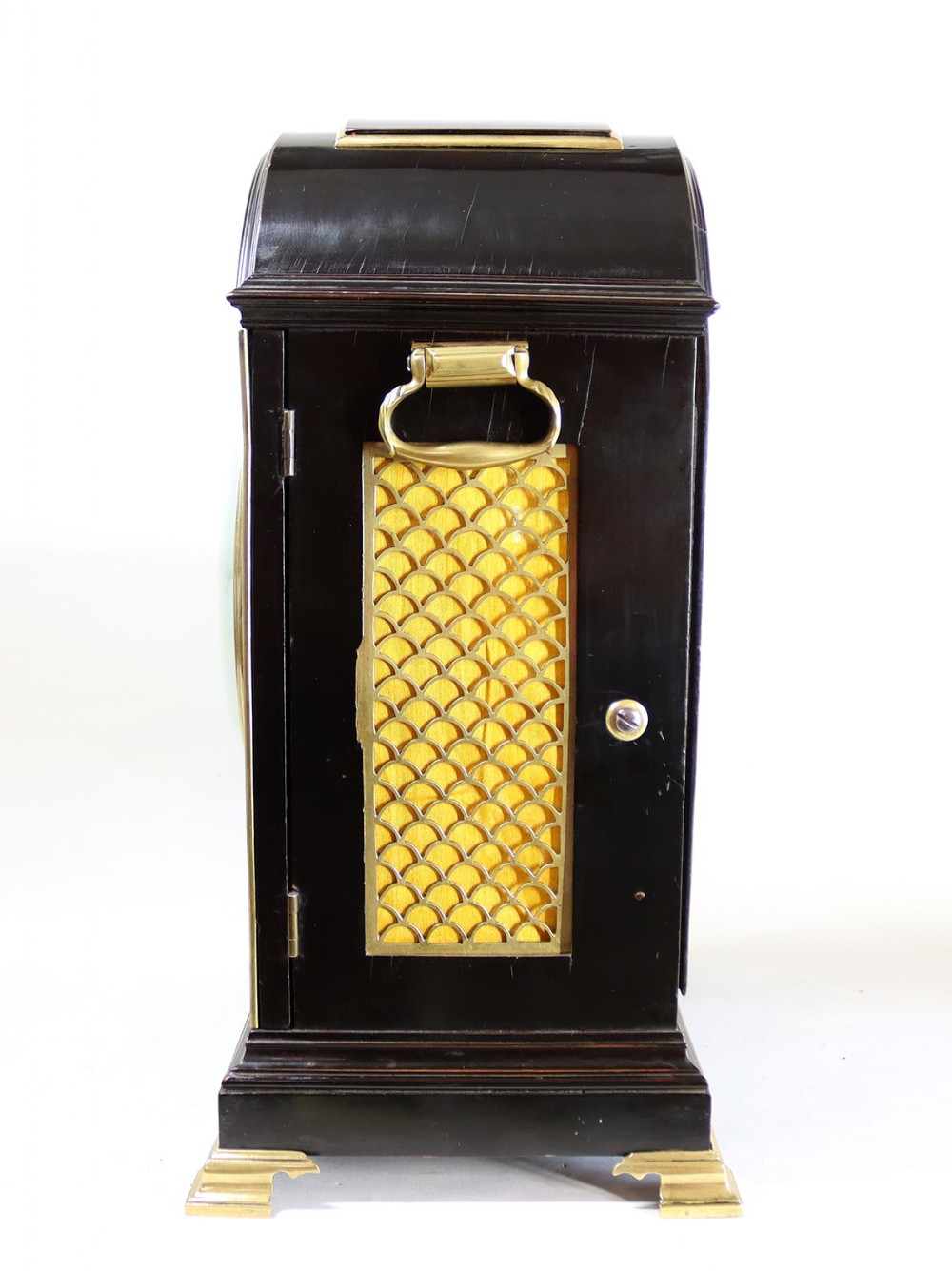
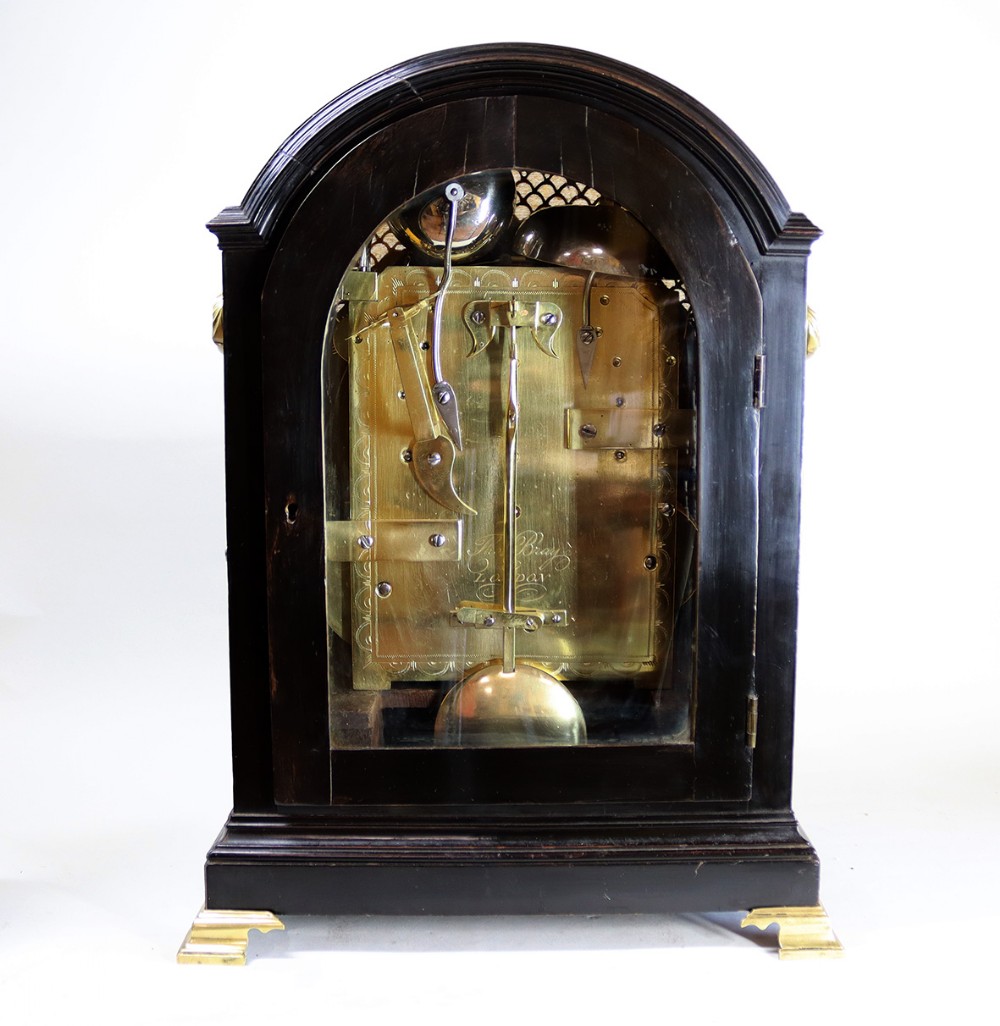
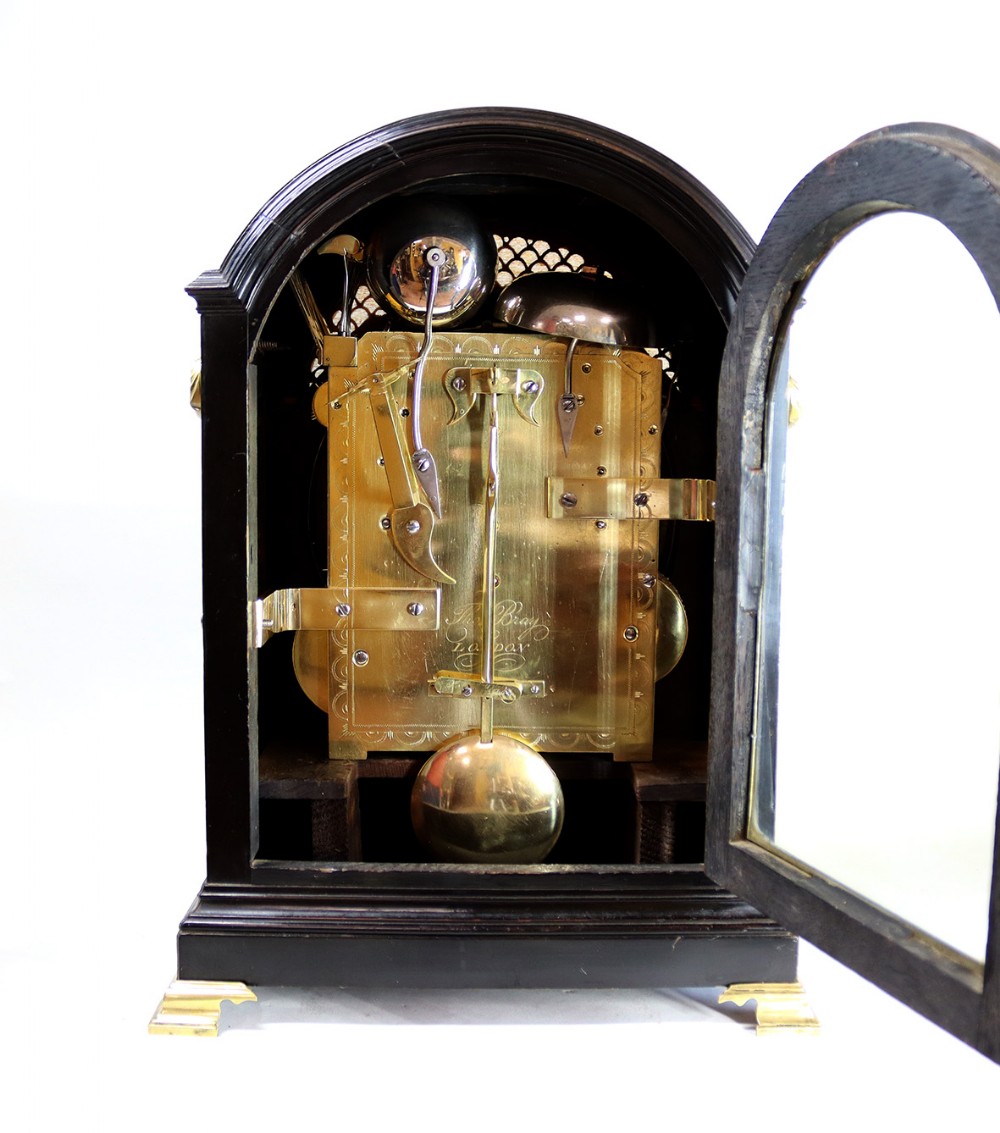
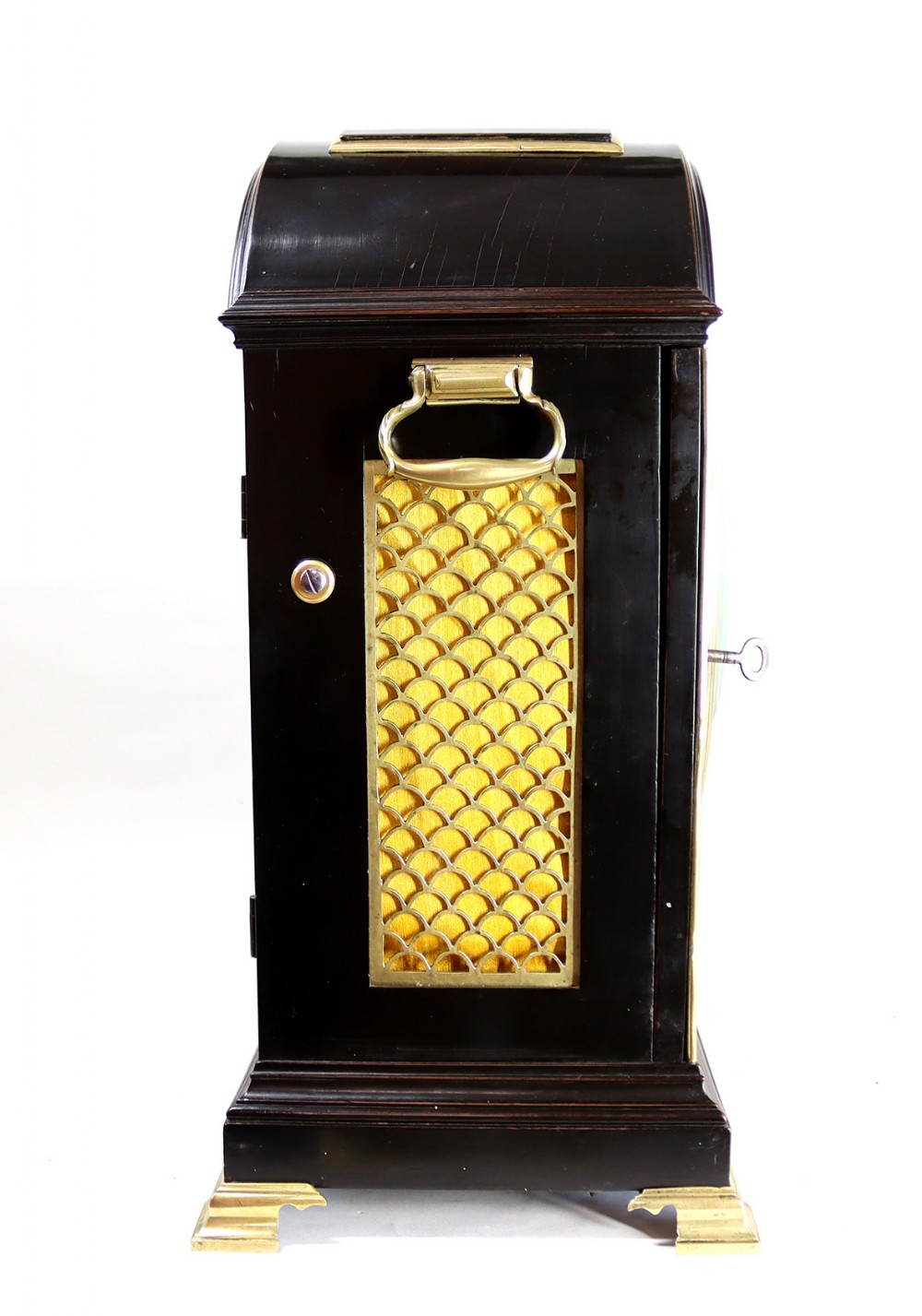
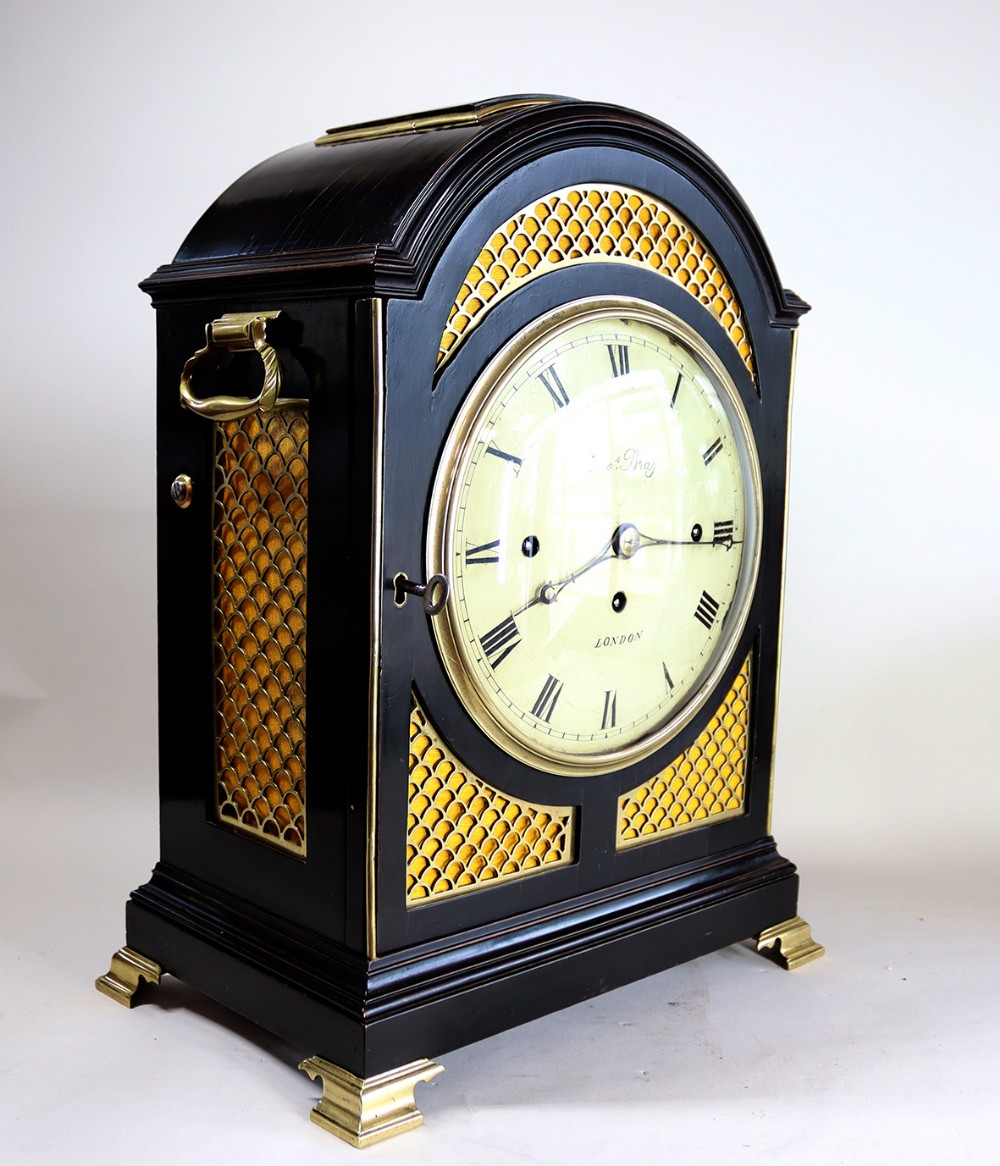
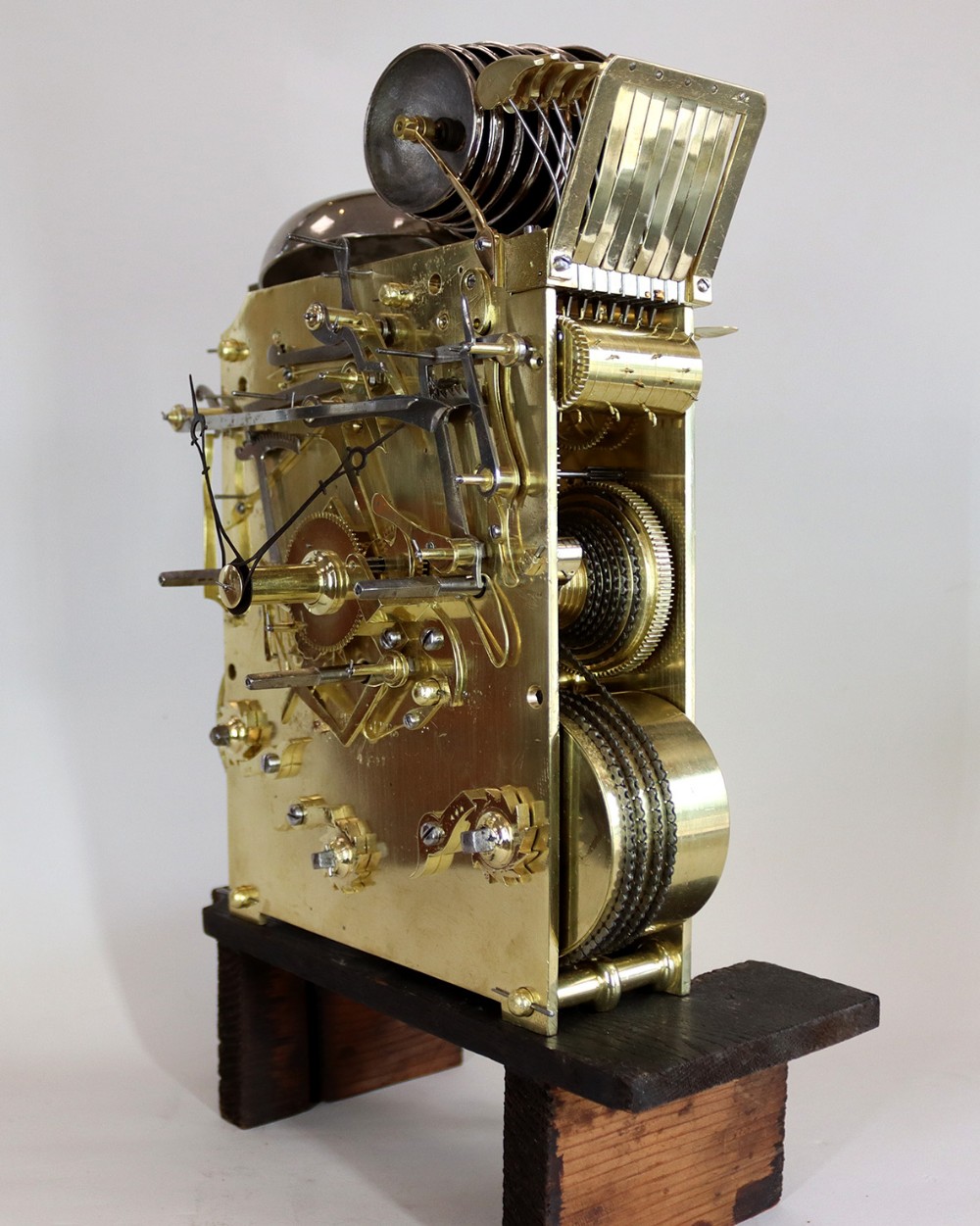
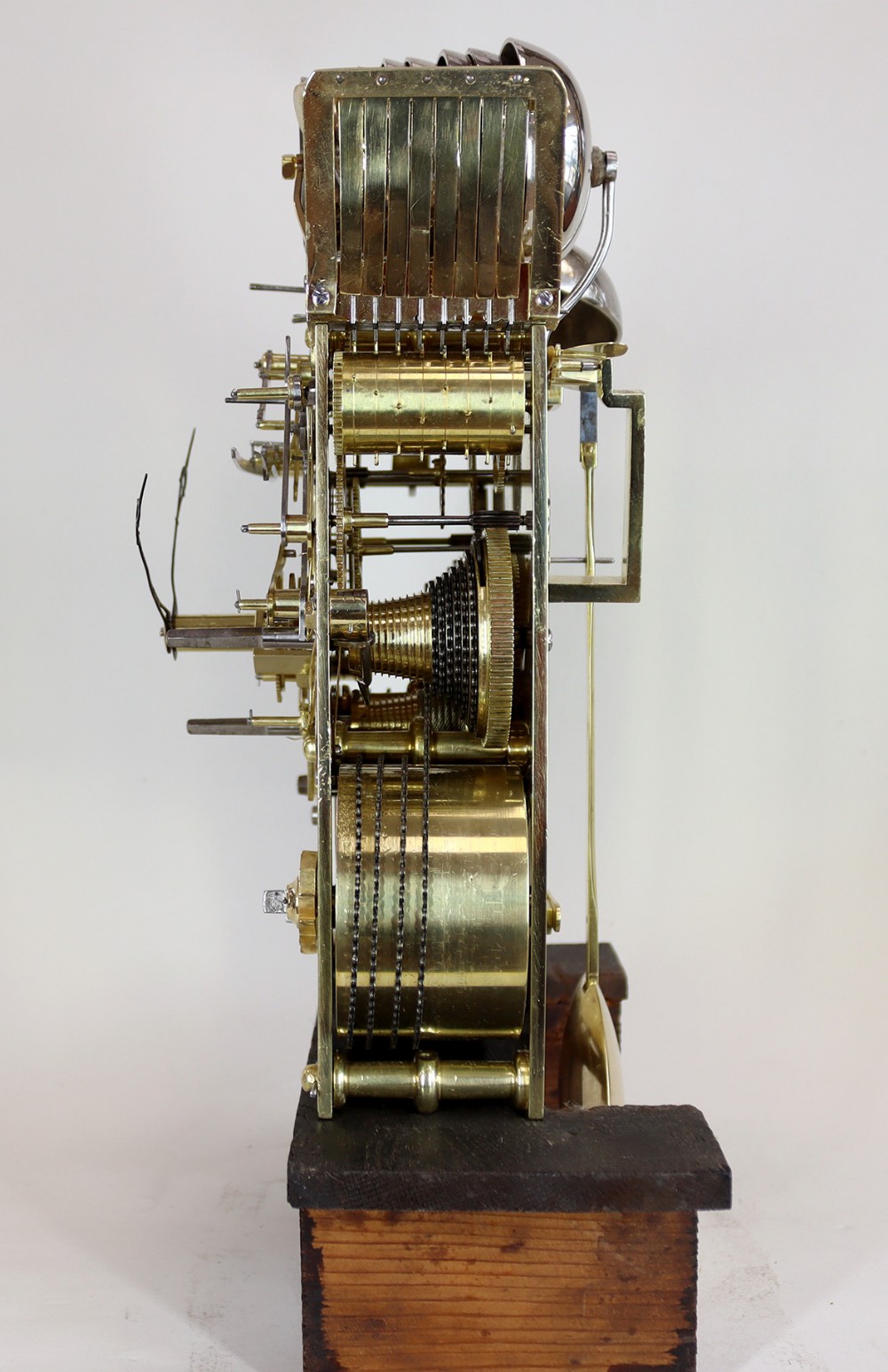
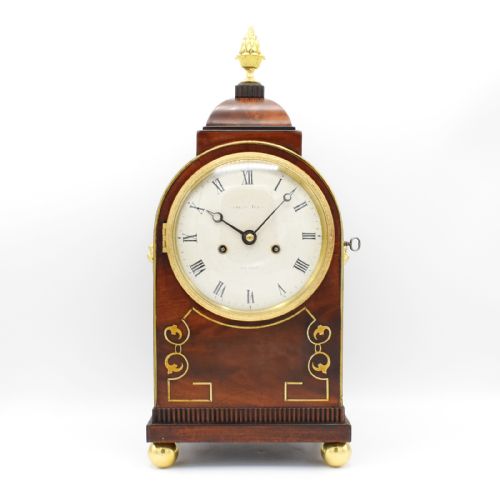
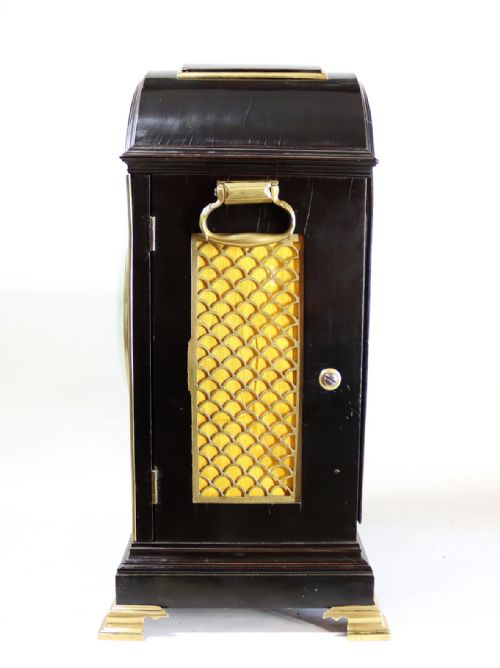
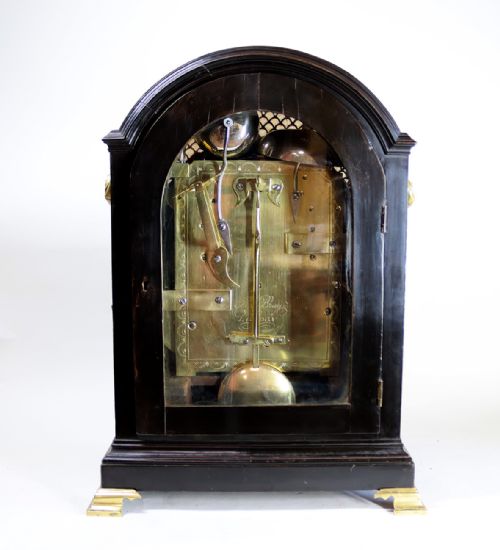
The cream painted roman dial is fitted behind the original convex glass held in with a brass ogee bezel, the case has front and rear locks with the movement visible through a glaze back door. The movement is housed in an oak case veneered in ebonised fruitwood with brass case decorations and fish scale sound frets backed with yellow silk, the break arch top is surmounted by a single brass bound pad.
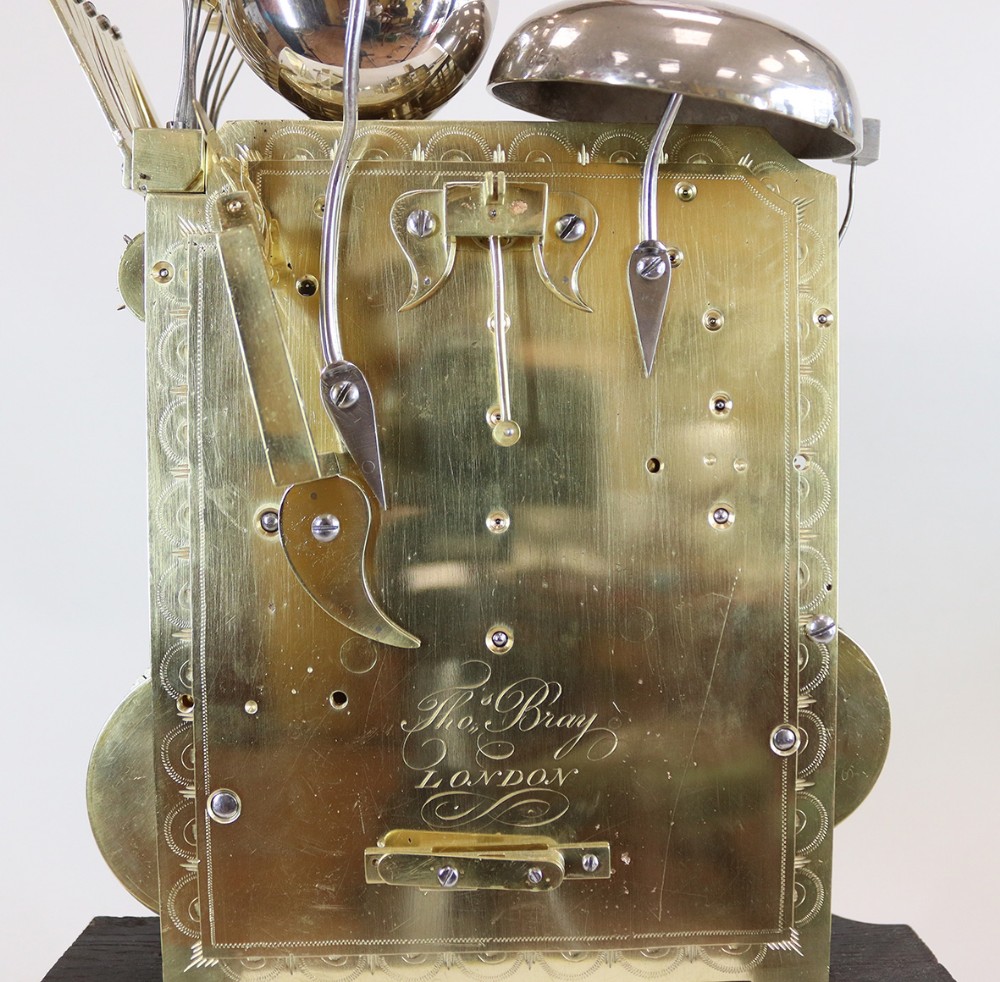
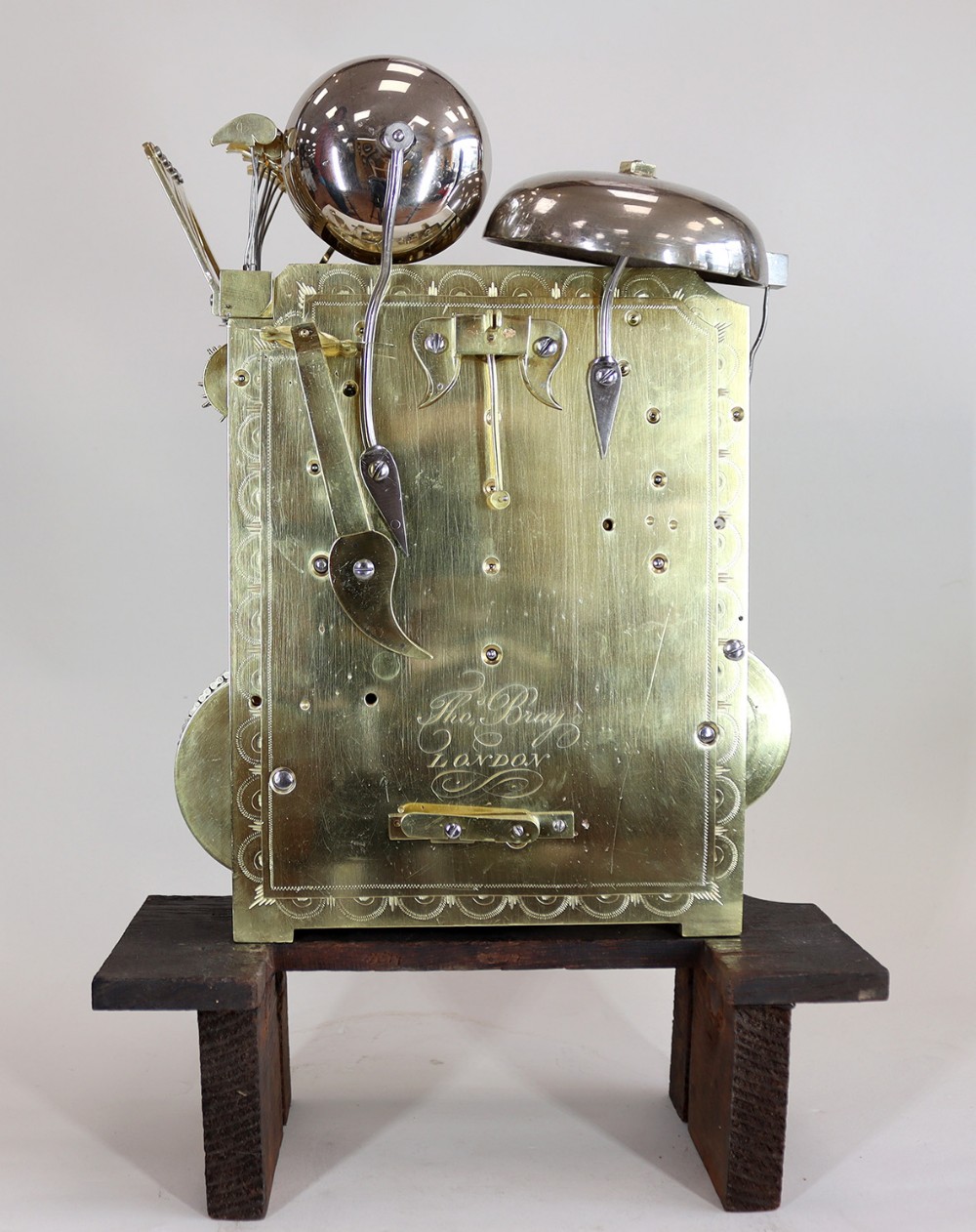
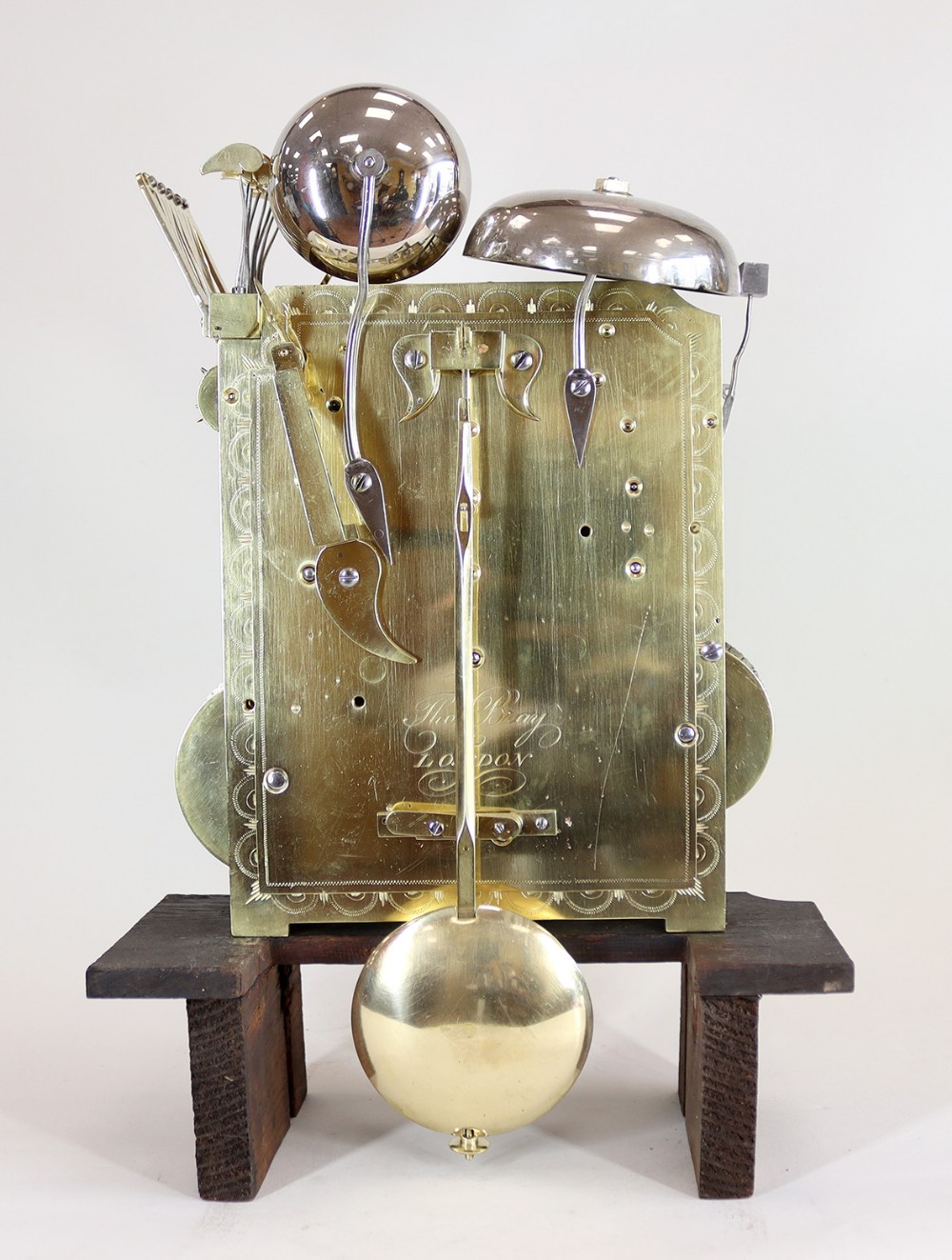
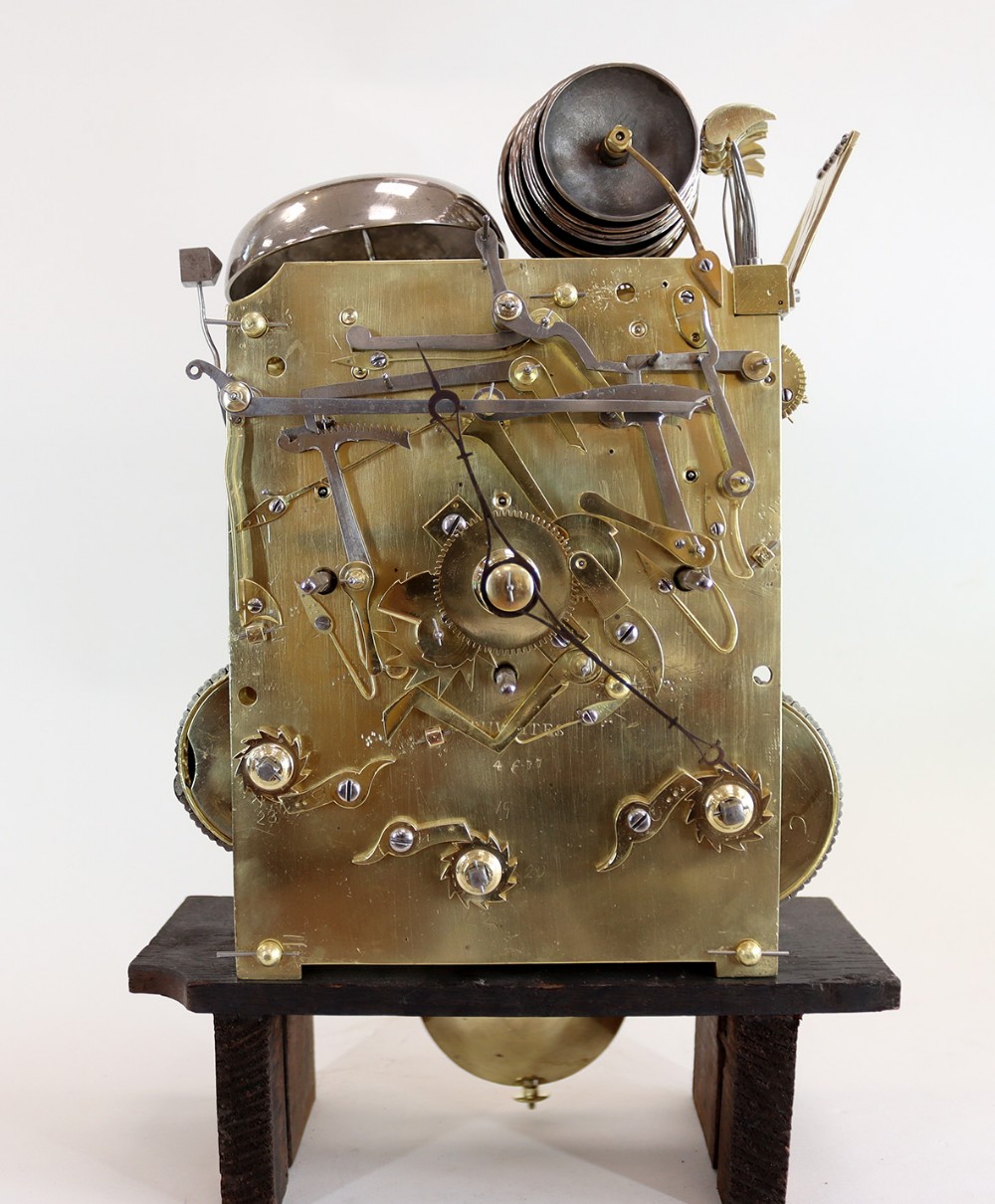
The dial and back plate both signed by Thomas Bray, the movement is also stamped J Thwaites 4677 on the front plate behind the dial. This leads us to believe this is one of the two clocks recorded as being made by Thwaites for Thomas Bray to retail. The serial number can be traced in the Thwaites day books and dates the clock to 1811.
John Thwaites was a prolific clock maker who specialised in quarter chiming and musical clocks often manufacturing movements for some of London’s most prestigious clock makers. John Thwaites was Master of the Clockmakers Company in 1815, 1819 and 1820, his company eventually went on to found the famous Thwaites and Reed company.
Examples of Thomas Bray’s work can be found in the British Museum, John Thwaites clocks can also be found in the British Museum, The Science Museum and the John Soane’s Museum.
Chalfont Clocks has dated this Regency Bracket Clock to the Regency era.
Specialists in antique clocks and their restoration.
You can view the stock and full dealer information on the Chalfont Clocks Profile Page

A Regency Quarter Chiming Bracket Clock