


Antique Strike Clock
An antique strike clock marks the hours with a clear bell or gong while bringing heavy brass, rich mahogany and precise mechanical movement into a room.
Antique Strike Clock
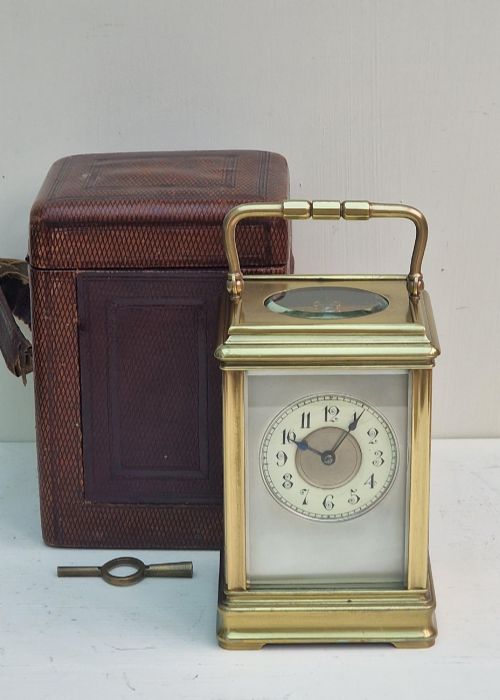
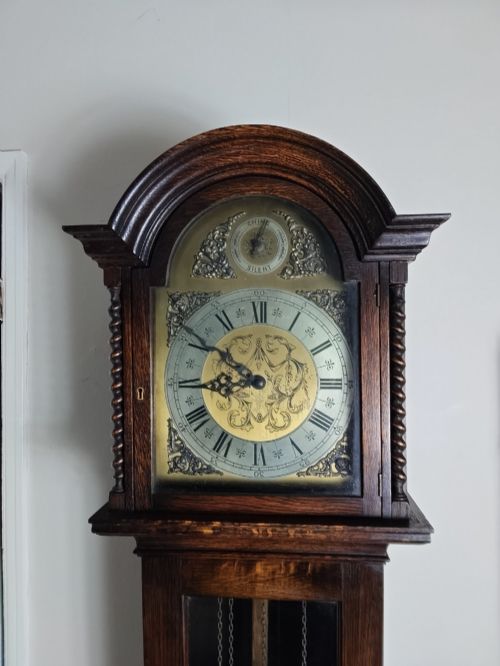
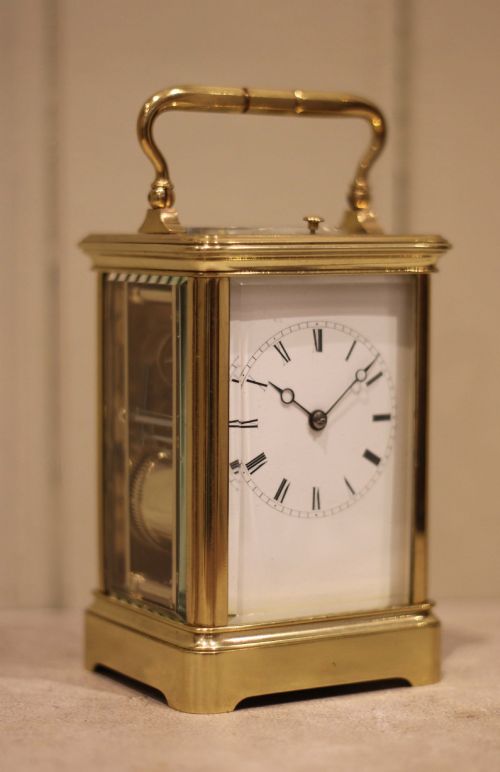
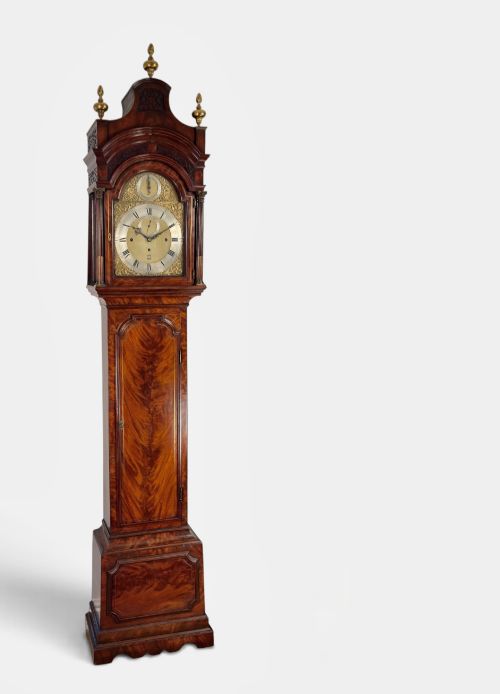
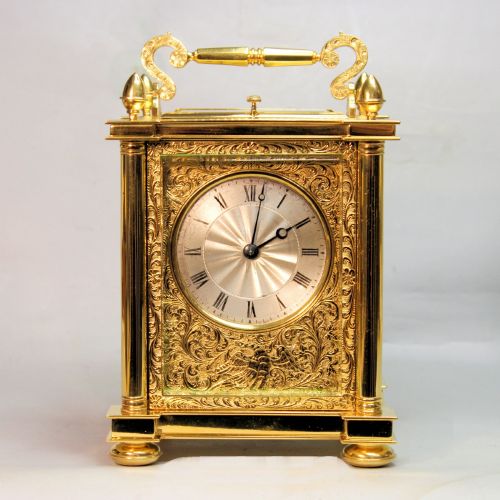
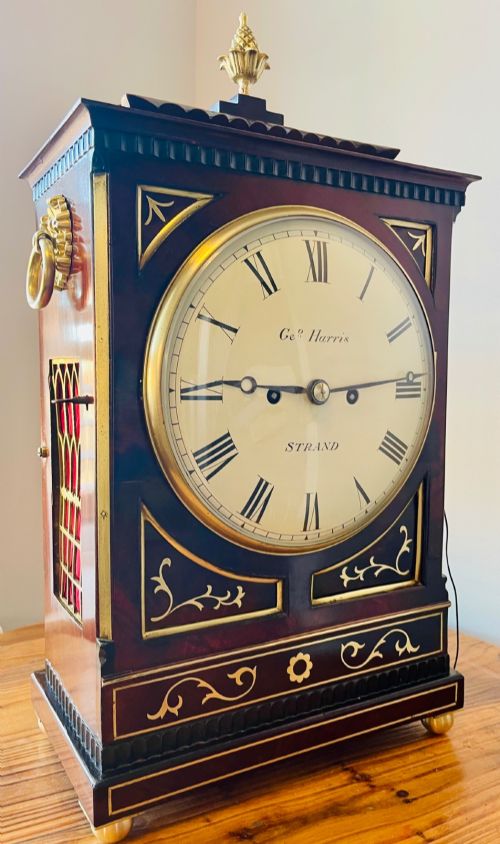
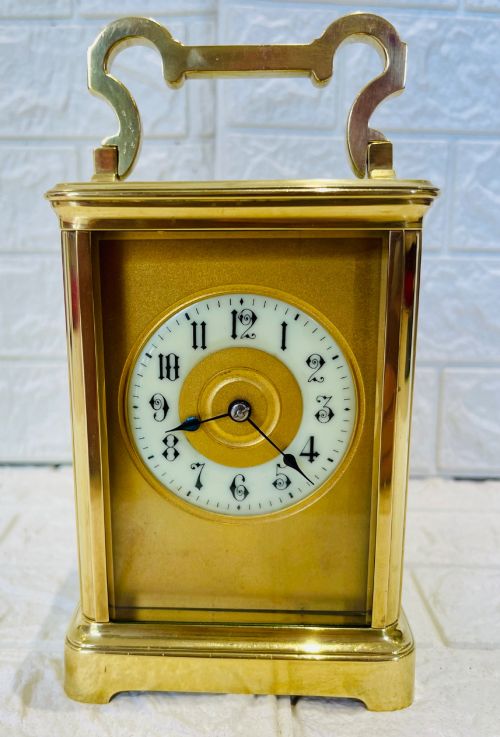
When someone searches for an antique strike clock, they are looking at a broad group of timepieces that sound the hours and sometimes quarters through bells, gongs or chimes. These pieces range from towering longcase clocks in oak and mahogany to small portable carriage clocks in brass cases.
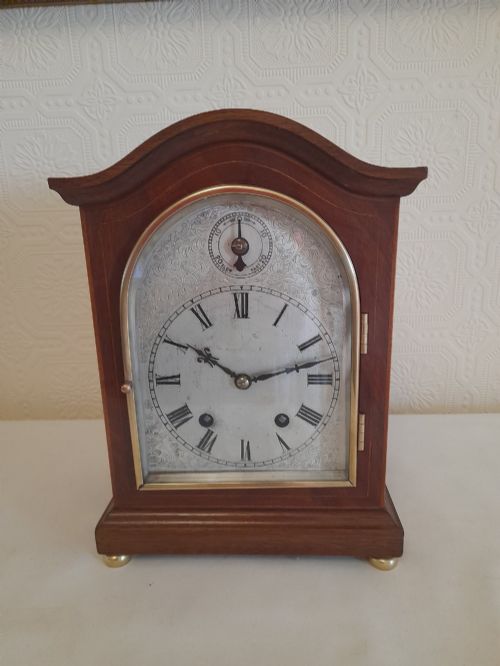
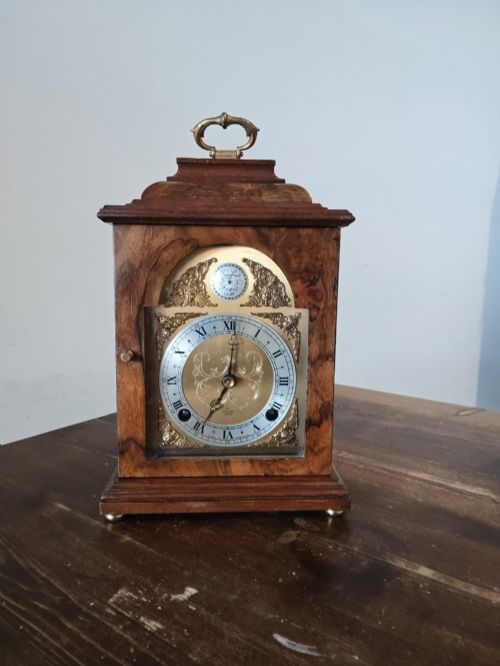
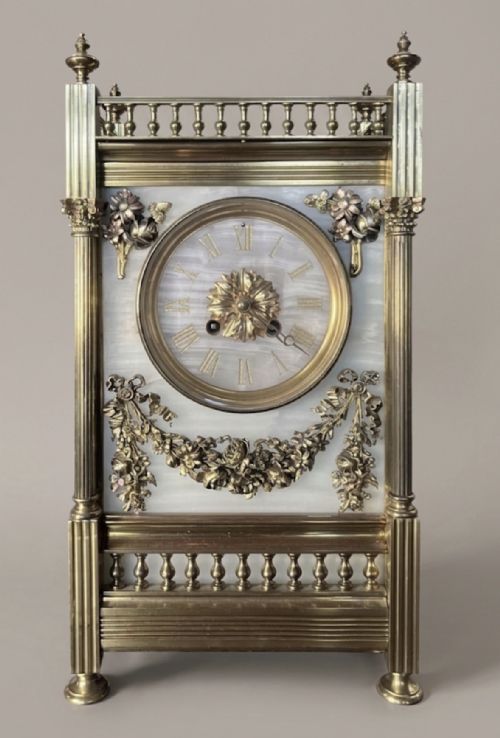
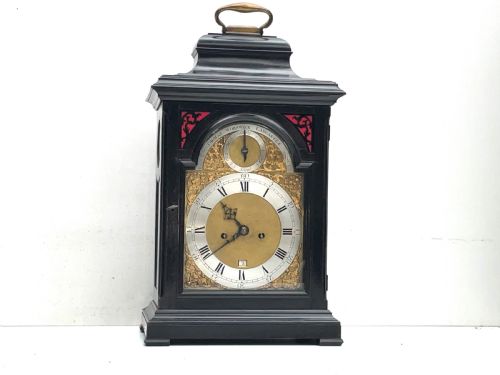
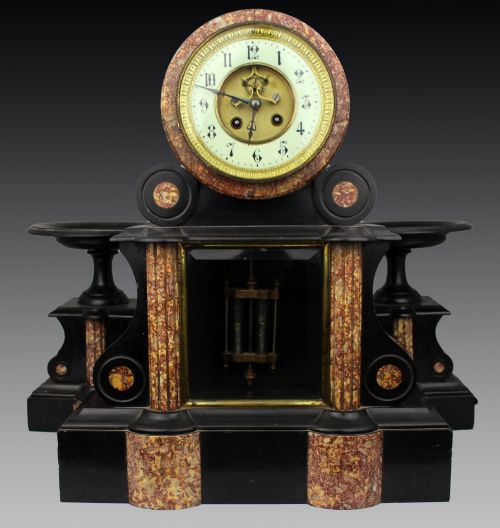
The versions met most frequently on this page include Victorian and 19th-century French carriage clocks, alongside Georgian bracket clocks and wooden wall clocks. Makers housed these movements in varied housings, from simple school dials to substantial marble garniture sets and walnut cases.
Materials and Technique
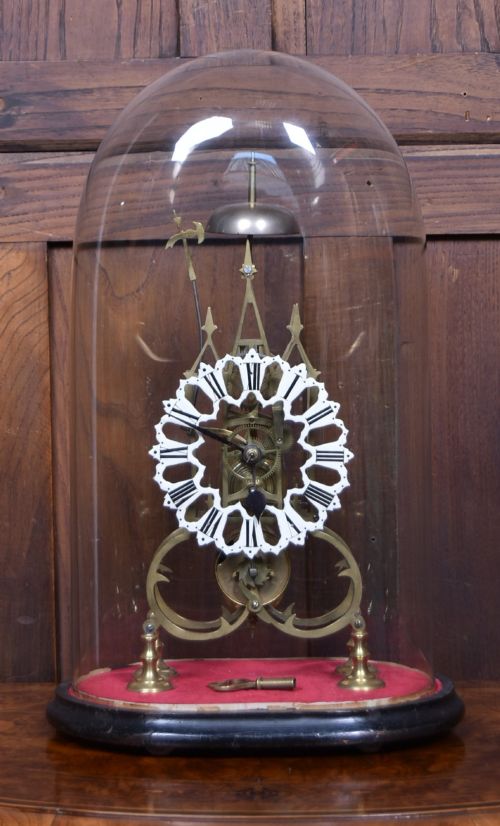
Clockmakers built these mechanisms using brass and steel, housing them in timber cases made of mahogany, walnut, oak or gilt brass, often featuring glass panels and enamel dials. Fusee movements, spring-driven or weight-driven trains, and verge or lever escapements govern the transfer of power and the timing of the strike.
Cabinetmakers shaped the timber housings using traditional joinery and inlay, while specialised metalworkers cast and finished the brass bezels, dials and carriage frames. French and British workshops combined these heavy cast frames with hand-cut gear trains to ensure reliable striking sequences.
Several clocks carry strike-silent levers, allowing frustrated owners to sleep peacefully while the mechanical train takes a well-deserved night off.
Design and Execution
The top of the range is distinguished by the complexity of the movement, such as triple fusee setups, quarter-striking capabilities or repeat mechanisms housed in heavy gorge cases by noted makers. Engraved backplates, solid timber construction without veneer lifting, and original matching components separate finer workshops from mass production.
Simpler dial clocks with standard brass movements sit at the accessible end, where the focus rests on utility and clear schoolhouse or railway styling rather than intricate musical trains or complex casework.
John Ellicott·Cousens & Whiteside·Japy Frères·Mappin & Webb·Winterhalder
The Antique Strike Clock Glossary
- Fusee
- A conical pulley used in better clocks to maintain an even pull on the movement as the mainspring unwinds. This device ensures consistent timekeeping throughout the running cycle.
- Striking
- A mechanism that sounds the hours automatically by dropping a hammer onto a bell or gong. Some variations also strike the quarters.
- Bracket clock
- A portable table or shelf clock originally designed to sit on a wall bracket. These pieces often feature fine wooden cases and carrying handles.
- Carriage clock
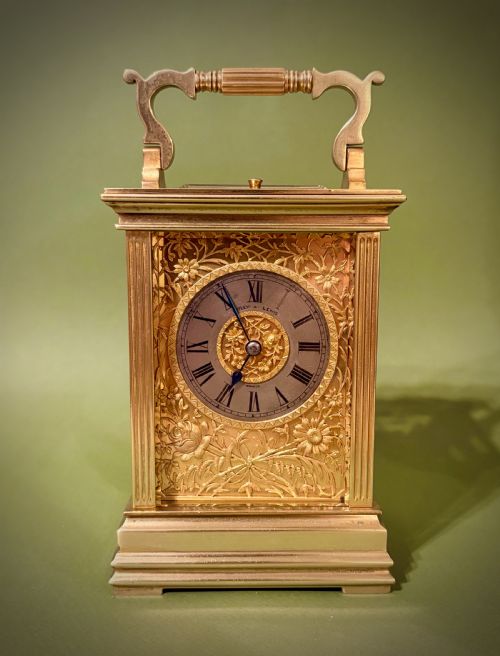
- A small, spring-driven clock with a glazed brass case developed for travel. Many include repeating mechanisms to sound the last hour on demand.
- Gorge case
- A distinctively stepped brass carriage clock case style with multi-reeded mouldings. It is frequently found on quality French pieces from the nineteenth century.
Antique Strike Clock: Frequently Asked Questions
What is a quarter striking clock?
A quarter striking clock sounds the intervals of the hour - typically at the quarter, half, and three-quarter marks - using multiple bells or gongs. This creates a distinct melodic progression before the full hour count.
These movements are mechanically more complex than standard hourly strikers and generally appear in high-end bracket and carriage clocks.
Where should I place a longcase clock?
Position a longcase clock against a stable, solid interior wall where it will not experience heavy vibrations from foot traffic or doors. Floor stability is vital for the pendulum to swing evenly.
Keep the timber case away from direct sunlight, radiators, and damp environments to protect the mahogany or oak finish and prevent wood movement.
How do I tell a French carriage clock from a British one?
French carriage clocks typically feature exposed escapements visible through a glass top, gilt brass gorge or corniche cases, and platform escapements. They often include push-repeat buttons on the top.
British examples, particularly fusee bracket or carriage clocks, rely on different power delivery systems and heavier, more austere wooden or brass housings without platform escapements.