


A 2026 Guide by Sellingantiques
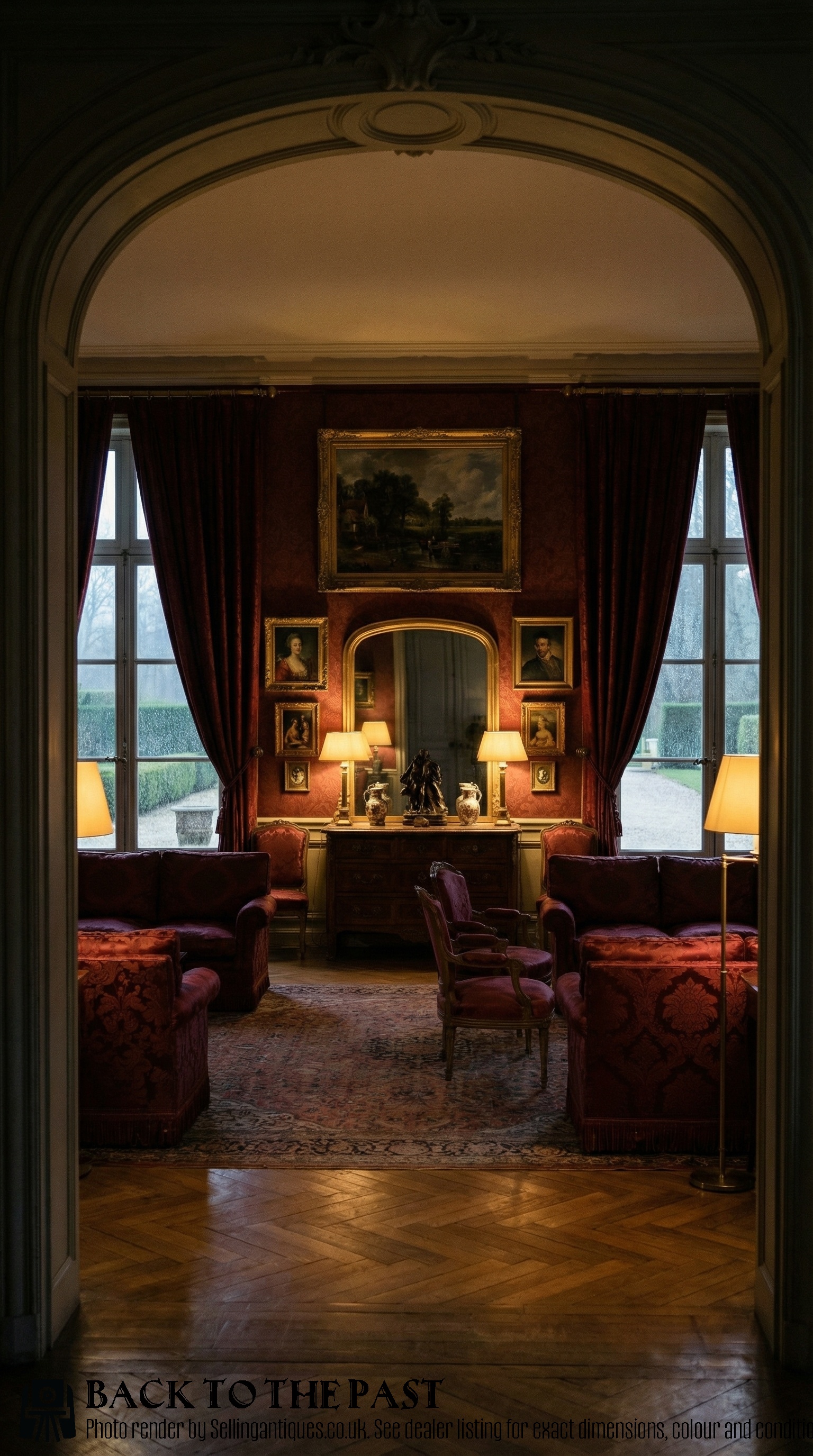
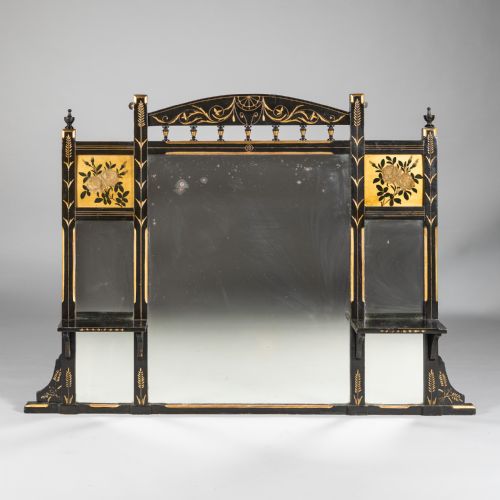
Victorian Gilt Wood Large Arch Top Overmantle Mirror, 1880
Priced at £1,550 from Lorna Byskou
Look at the timeline. The 1840s saw plate glass become much cheaper.
Middle-class households suddenly acquired large reflective surfaces for the first time.
Removing the glass tax in 1845 changed everything for Victorian mirrors. Factories expanded rapidly.
Overmantels dominated the fireplace wall. Pier glasses sat between tall windows.
Documented makers are rare since many paper labels fell off.
W.A. & S. Smee produced various standing dressing glasses during the mid-nineteenth century.
Birmingham factories like O.C. Hawkes dominated the later trade in large bevelled plates.
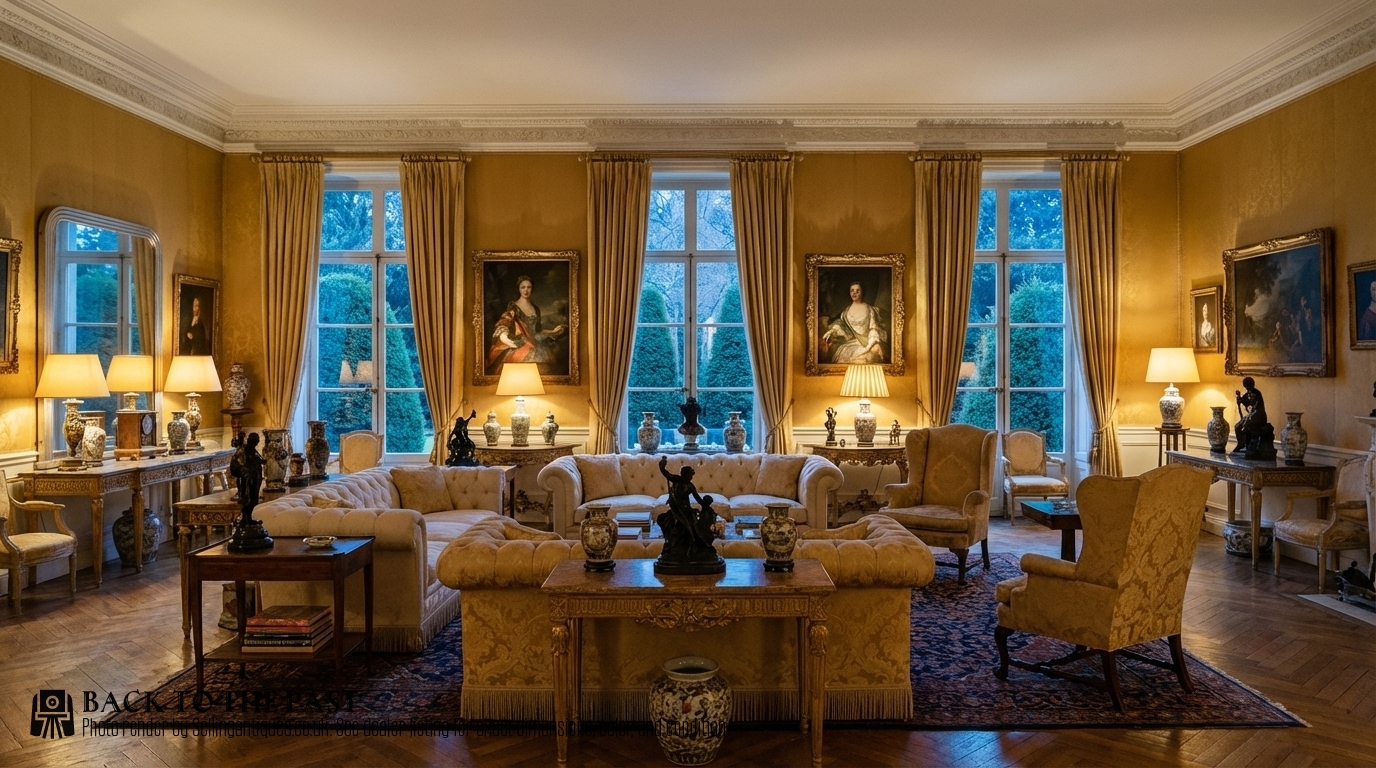
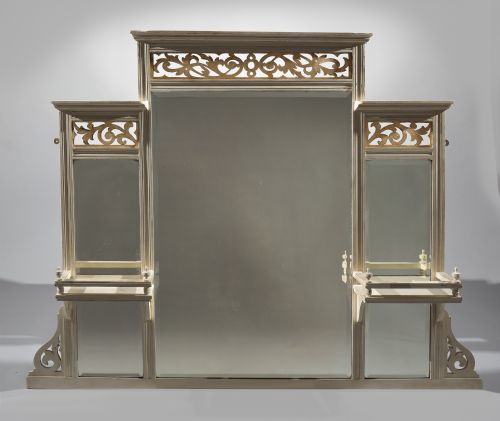
Large 19th Century Victorian English Silvered Overmantle Mirror, 1880
Priced at £2,500 from Burgett Langfield Decorative Antiques
The 2026 retail price guide for Victorian Mirrors is drawn from a proprietary archive of over 1.1 million retail prices indexed by Sellingantiques since 2003. This guide relies exclusively on their own internal data; no external sources or auction records are used.
Analysing nearly 25 years of UK antique market history alongside current retail values, the data indicates that typical UK retail prices for Victorian Mirrors range between £500 and £2,500. Entry-level prices generally fall under £500 and premium examples upwards of £2,500.
Deeply moulded arched tops appear constantly. Some feature carved crestings.
You'll often find turned columns flanking the sides of dressing glasses.
Look for the original thick plate glass. It carries a shallow, wide bevel at the edge.
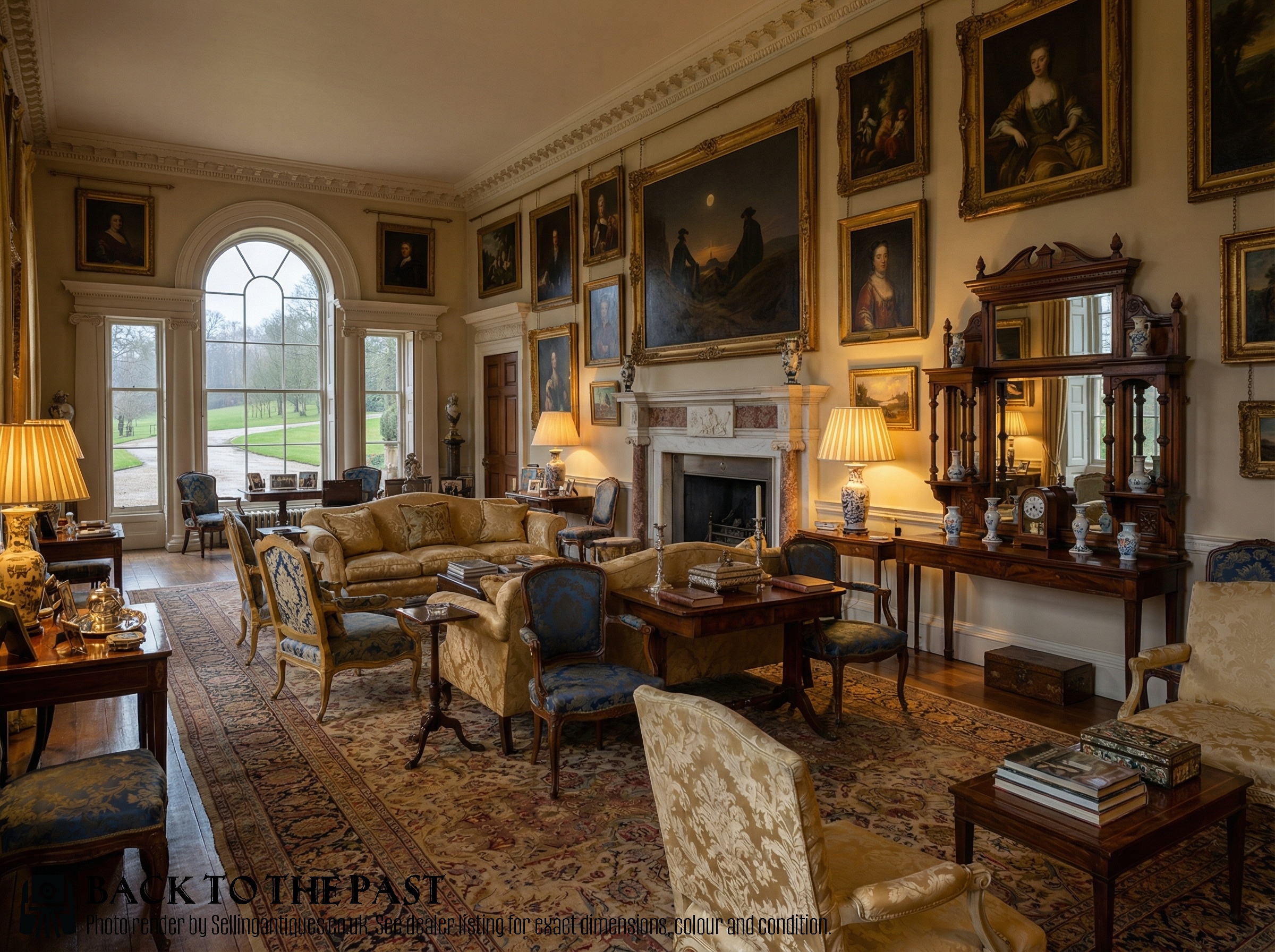
Victorian Oak Over-mantle, Victorian
Priced at £695 from Brookside Antiques
Water gilding requires laying gold leaf onto wet clay. It produces a high burnish.
Cheaper Victorian mirrors rely on oil gilding. It gives a matte finish that won't take a polish.
Moulded composition often replaces carved wood on later frames. Wire armatures stop the thickest sections cracking.
"Heavy plate glass acts as structural support for some lighter gilded frames."
"Many overmantels rest directly on the mantelpiece rather than hanging from the wall."
"The original mercury glass gives a softer and more flattering reflection than modern flat silvering."
Based on almost 25 years of Sellingantiques UK antique market data, Victorian Mirrors appeared 7711 times (out of 1,100,000 antiques) which gives it a rarity score of 21/100.
This score measures scarcity within the Sellingantiques archive only and is not a survey of the entire antiques market, so these statistics may not be indicative of the general availability of Victorian Mirrors elsewhere.
Re-silvering is possible. It involves stripping the old backing and applying a new chemical layer.
Most dealers advise against it. The original mercury plate holds much of the character.
Never use gold paint. It oxidises over time and turns a flat, dull brown.
Professional restorers can consolidate the flaking gesso with rabbit skin glue. They then apply matched gold leaf to the missing areas.
Leave it as it is if you can't find a gilder.
They're very heavy. The plate glass in Victorian mirrors is thick. The wooden carcase and plaster composition add significant mass.
Always use proper heavy-duty wall anchors. Don't rely on standard picture hooks.
Pine backboards are standard. They protect the delicate metallic backing from scratches and damp.
Look at the nails holding them in place. Square-cut iron nails with dark rust stains suggest the boards have been there since the nineteenth century. Wire nails indicate later repairs.
Please note: This Victorian Mirrors guide and its associated pricing data are provided for general informational purposes only. It does not constitute formal financial, investment, or appraisal advice and should not be relied upon as the sole basis for any commercial activity, purchasing, or sales decisions. Sellingantiques.co.uk accepts no liability for any actions taken in reliance on this information. Always consult with a qualified professional or independent appraiser.
