

A 2026 Guide by Sellingantiques
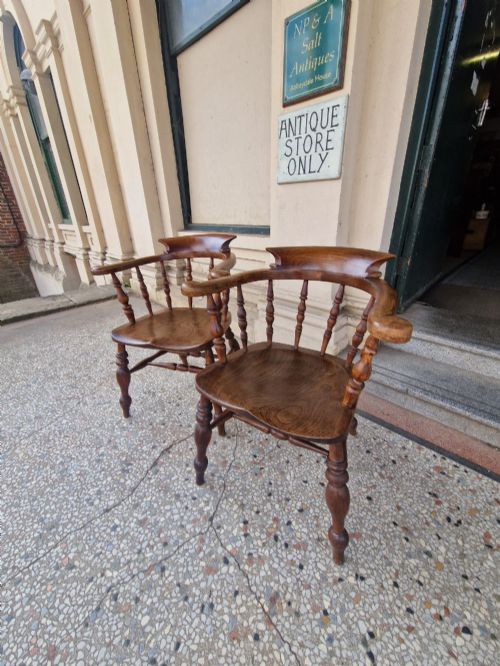
Antique Quality Victorian Pair of Carved Oak Side/hall Chairs, 1860
Priced at £1,945 from London City Antiques
The nineteenth century saw domestic seating become much more varied. Antique Victorian chairs began to fill specific roles in different rooms.
Look at the sheer volume produced. Mechanisation meant that workshops could turn out chair frames much faster than before.
Coil springs changed expectations for upholstered chairs. Sitters expected a level of comfort that flat-seated designs did not offer.
Revival styles cycled quickly. Gothic and Rococo motifs often blended together on a single chair.
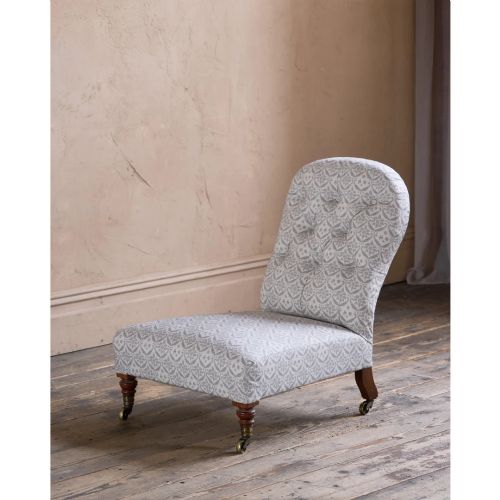
Parlours required different seating hierarchies. The gentleman's chair usually had arms, while the lady's chair lacked them to accommodate heavy skirts.
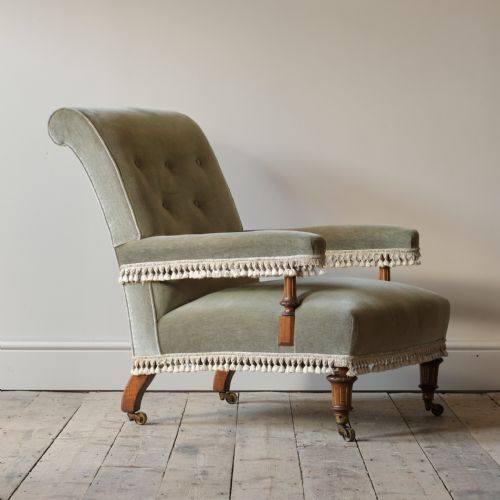
Howard & Sons defined the comfortable English armchair. They stamped their frames and even their castors.
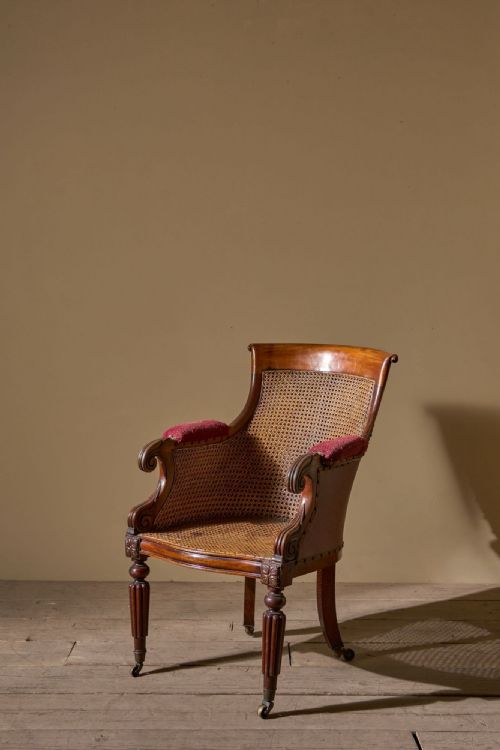
Gillows of Lancaster and London produced well-made seating throughout the era. Their makers often stamped the firm name onto the seat rails.
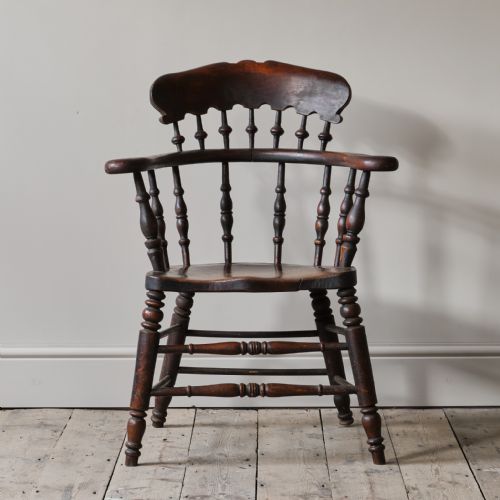
Most antique Victorian chairs bear no maker mark. They came from countless regional workshops operating in a highly subdivided trade.

Set of 12 Antique Victorian Quality Carved Mahogany Dining Chairs, 1880
Priced at £10,850 from London City Antiques
The 2026 retail price guide for Antique Victorian Chairs is drawn from a proprietary archive of over 1.1 million retail prices indexed by Sellingantiques since 2003. This guide relies exclusively on their own internal data; no external sources or auction records are used.
Analysing nearly 25 years of UK antique market history alongside current retail values, the data indicates that typical UK retail prices for Antique Victorian Chairs range between £400 and £2,300. Entry-level prices generally fall under £400 and premium examples upwards of £2,300.
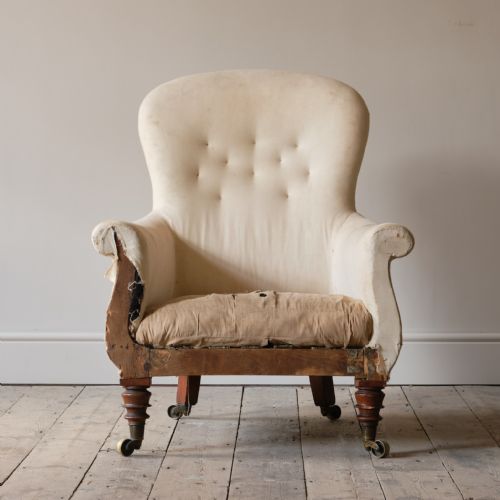
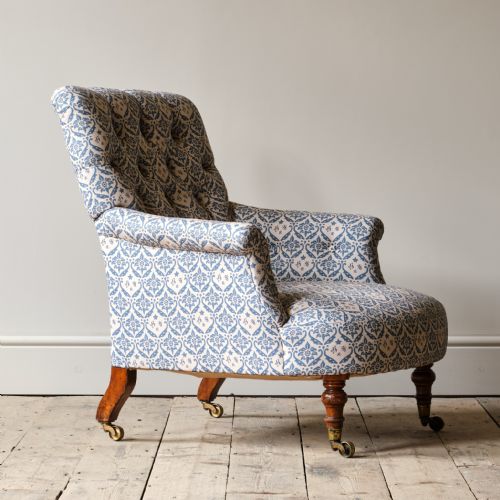
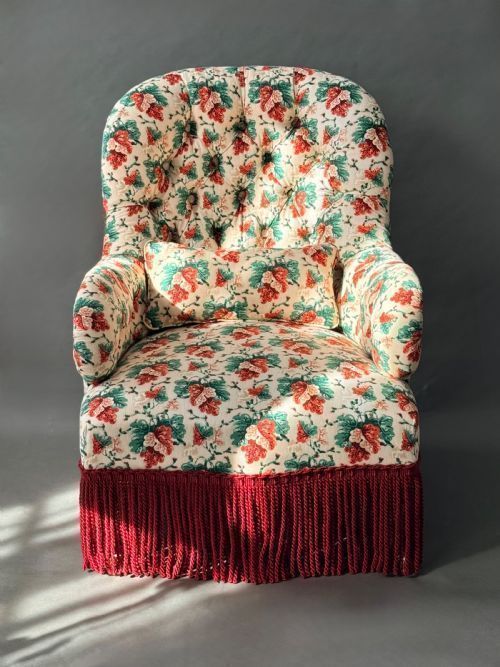
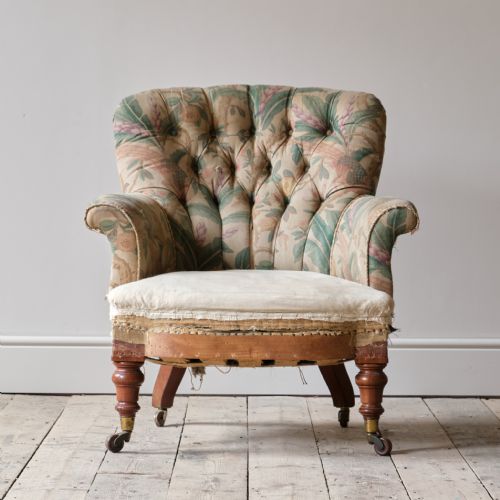
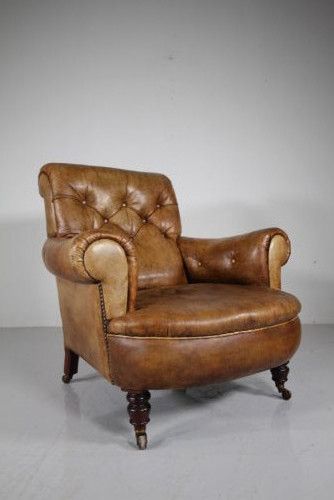
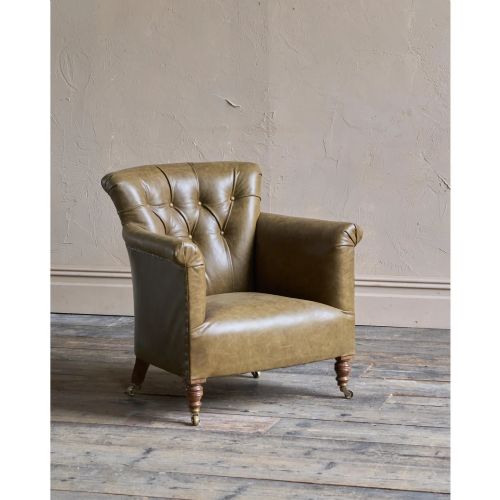
Deep buttoning is a hallmark of many upholstered antique Victorian chairs. It keeps the stuffing in place while creating a contoured back.
Turned front legs on castors often contrast with plain, swept back legs.
The balloon back shape. A rounded, continuous curve framing the backrest replaced the square shoulders of earlier periods.
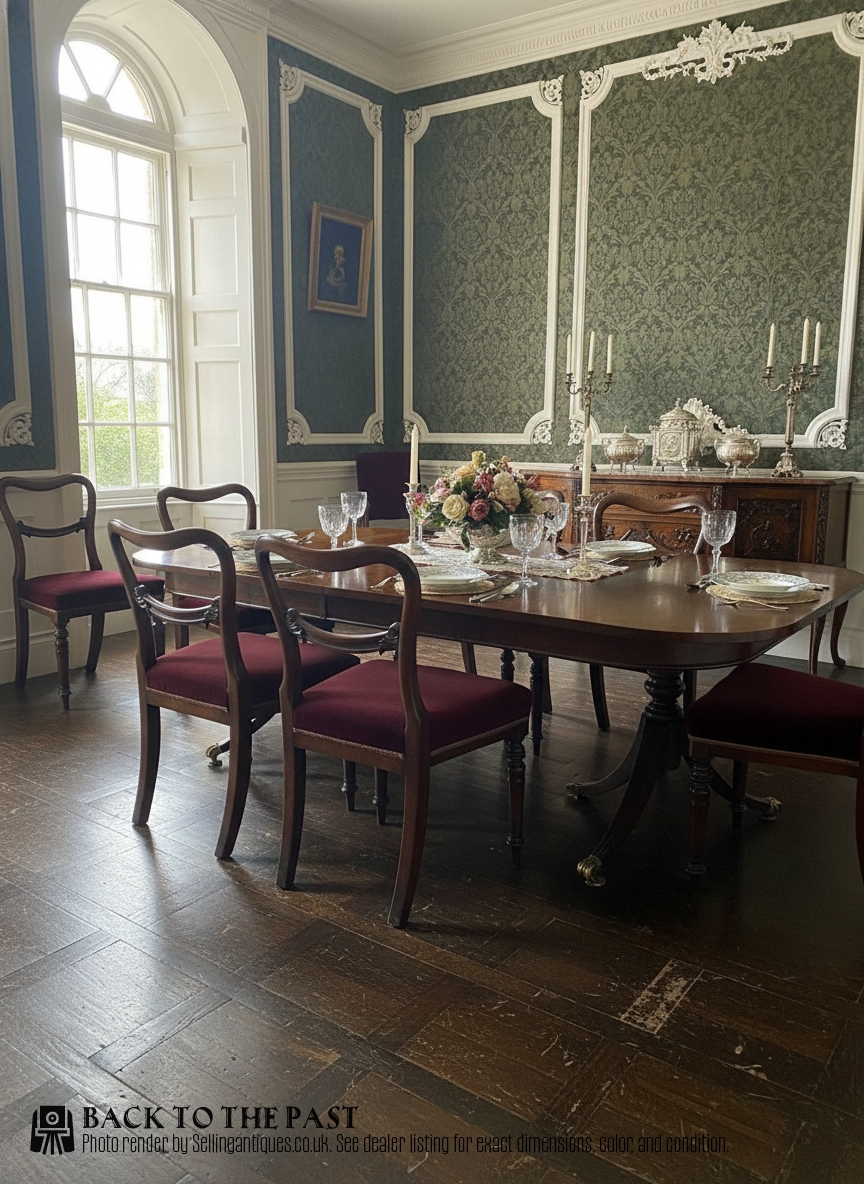
Quality Set of Six Antique Victorian Rosewood Dining Chairs, 1850
Priced at £1,885 from London City Antiques
Steam bending allowed makers to shape solid wood into curved backrests without cutting across the grain. This kept the timber strong.
Band saws changed how intricate shapes were cut. Workshops could rough out ornate cabriole legs in a fraction of the time.
Dowel joints began replacing traditional joinery in mass-produced frames. The method required less skill but often led to looser joints over time.
"Many nursing chairs sat very low to the ground. This height made them highly practical for sitting near the nursery fire."
"Papier-mâché was sometimes used for entire chair frames. Skilled workers shaped and lacquered the material until it resembled polished wood."
"Coil springs allowed designers to create bulbous, rounded shapes. Such deep cushioning was difficult to achieve with earlier flat horsehair padding."
Based on almost 25 years of Sellingantiques UK antique market data, Antique Victorian Chairs appeared 18542 times (out of 1,100,000 antiques) which gives it a rarity score of 2/100.
This score measures scarcity within the Sellingantiques archive only and is not a survey of the entire antiques market, so these statistics may not be indicative of the general availability of Antique Victorian Chairs elsewhere.
Many low seats were designed as nursing chairs or slipper chairs. The height made it much easier for women to manage stockings and heavy skirts.
You also find them used in bedrooms for dressing. The lower centre of gravity made leaning forward more comfortable.
Sets of antique Victorian chairs were often assembled from different batches in a workshop. A carver might finish five legs one way and slightly alter the sixth if using a different pattern book.
It is also common for families to match an odd chair into a set later on to replace a breakage. Harlequin sets built from similar but non-identical frames were quite standard by the end of the century.
You can, but deep buttoning requires significant skill. The fabric must be folded precisely between the buttons to allow enough give without tearing under stress.
A good upholsterer will strip it back to the frame to check the webbing and springs first. If the foundation is weak, new top fabric will sag very quickly.
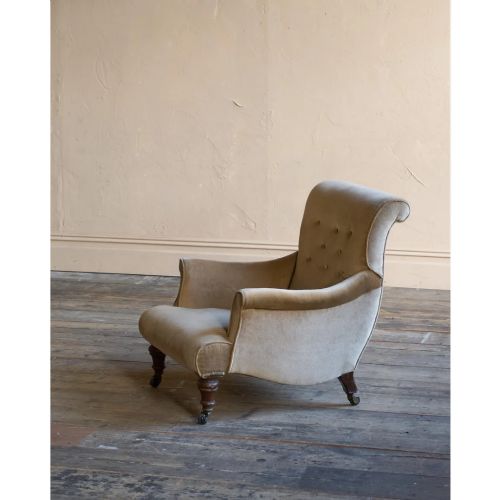
Most Victorian easy chairs were built exactly like that. The castors were fitted to the front legs to allow servants to lift the back and wheel the chair closer to the fire.
The back legs were usually swept back and left plain to provide stability when someone sat heavily into the seat. Adding castors to the back would make the chair prone to rolling away as you sat down.
Please note: This Antique Victorian Chairs guide and its associated pricing data are provided for general informational purposes only. It does not constitute formal financial, investment, or appraisal advice and should not be relied upon as the sole basis for any commercial activity, purchasing, or sales decisions. Sellingantiques.co.uk accepts no liability for any actions taken in reliance on this information. Always consult with a qualified professional or independent appraiser.
