



A 2026 Guide by Sellingantiques
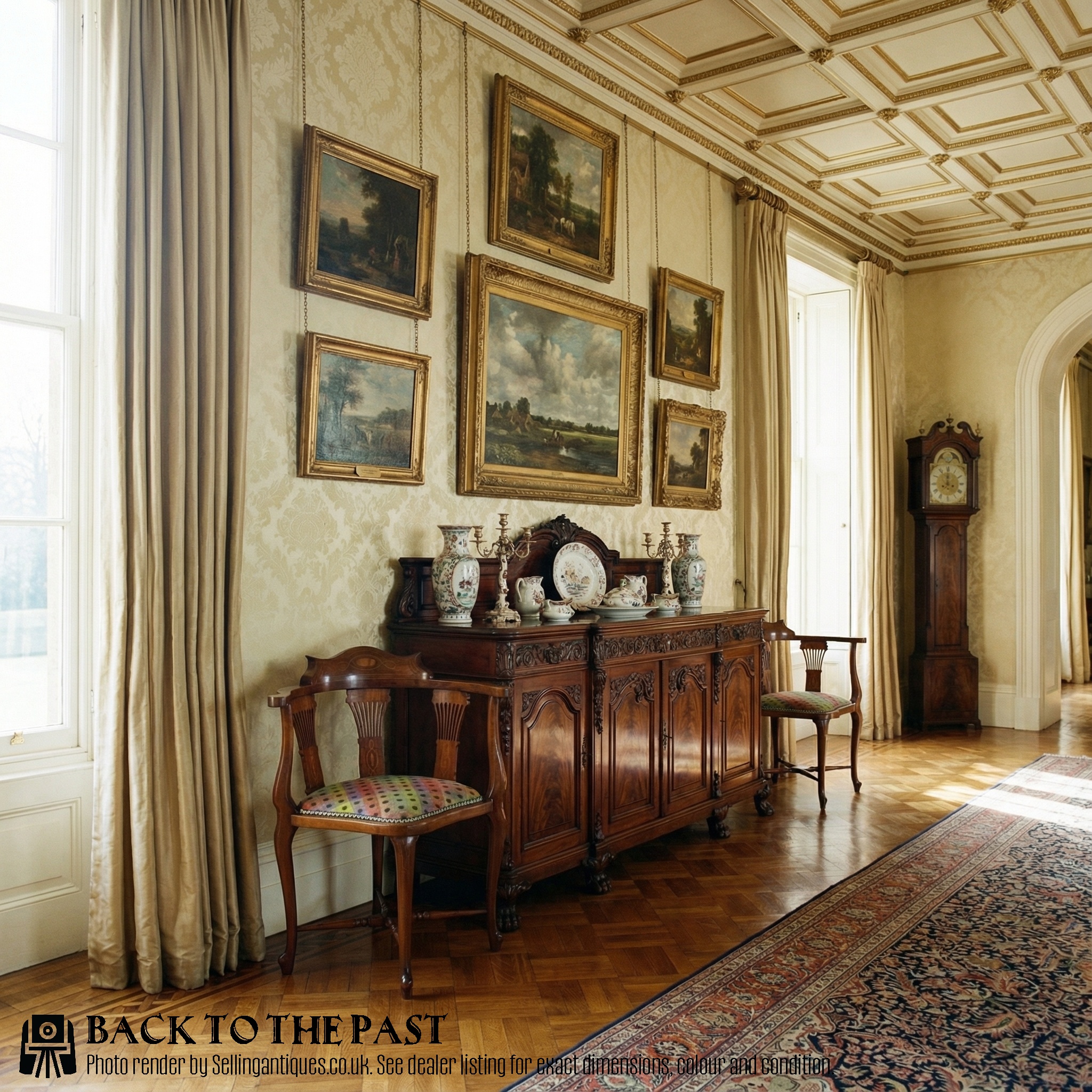
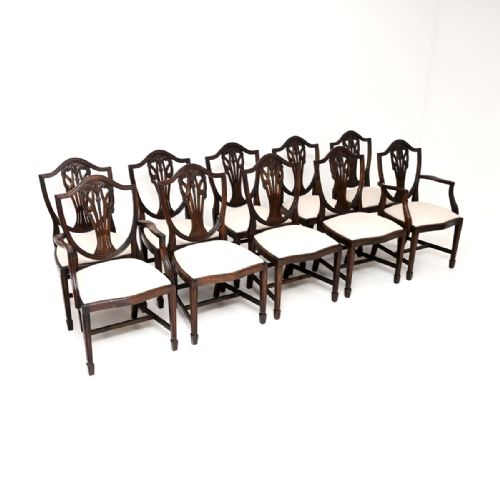
Super Quality Pair of Edwardian Mahogany Corner Chairs, Circa 1900, Edwardian
Priced at £740 from Surrey Antiques by Gary J Hall
The period technically covers 1901 to 1910. Lots of antique Edwardian chairs reflect a sudden shift towards lighter, brighter rooms.
Steam-powered factories turned out frames much faster than traditional workshops. Mass production expanded rapidly during this decade.
Look at the wider social changes. People wanted flexible seating they could move around a room easily for conversation.
Revival styles heavily influenced the designs. Sheraton and Hepplewhite shapes returned, adapted for modern tastes and factory techniques.
Maple & Co produced thousands of antique Edwardian chairs between 1900 and 1910. Their factory turned out reliable revival designs.
James Shoolbred is another prominent firm from the period. Their stamped seating often combined traditional mahogany frames with subtle Art Nouveau fabric patterns.
Look for small maker stamps on the underside of the back rail. Provincial workshops rarely signed their output.
Pair of Antique Edwardian Mahogany Silk Upholstered Inlaid Bedroom Chairs C1900, Edwardian
Priced at £245 from Lincoln Restorations
The 2026 retail price guide for Antique Edwardian Chairs is drawn from a proprietary archive of over 1.1 million retail prices indexed by Sellingantiques since 2003. This guide relies exclusively on their own internal data; no external sources or auction records are used.
Analysing nearly 25 years of UK antique market history alongside current retail values, the data indicates that typical UK retail prices for Antique Edwardian Chairs range between £300 and £1,700. Entry-level prices generally fall under £300 and premium examples upwards of £1,700.
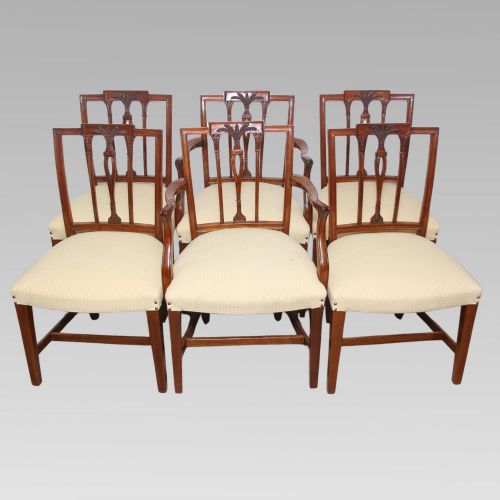
Square tapered legs ending in spade feet are standard. You'll spot this Sheraton influence on dining and parlour variants.
Backs frequently incorporate pierced vertical splats. Some feature delicate marquetry shells or urns right in the centre.
Upholstered seats often sit proud of the frame. The drop-in pad made it easy to swap fabrics when changing room schemes.
A Pair of Edwardian Antique Hand Stitched Tapestry Upholstered and Mahogany Stained Hall Side Occasional Salon Desk Office Bedroom Chairs. C.1900., Edwardian
Priced at £300 from CJ Antiques
Machined dowels began replacing hand-cut mortise and tenon joints in many commercial factories. This sped up assembly considerably.
Fret-cutting machines allowed for complex pierced back panels. They could stamp out multiple splat profiles in a fraction of the time.
Inspect the underside rails. Circular saw marks often remain visible where the makers left secondary surfaces unfinished.
"The sudden drop in wood prices let ordinary families afford matching sets. Dining rooms finally had unified seating schemes."
"Some frames incorporate subtle Art Nouveau curves into traditional shapes. It creates a hybrid style unique to that specific decade."
"Turn the seat over. You can sometimes find original handwritten paper labels from the upholsterer tucked under the webbing."
Based on almost 25 years of Sellingantiques UK antique market data, Antique Edwardian Chairs appeared 5798 times (out of 1,100,000 antiques) which gives it a rarity score of 31/100.
This score measures scarcity within the Sellingantiques archive only and is not a survey of the entire antiques market, so these statistics may not be indicative of the general availability of Antique Edwardian Chairs elsewhere.
Cotton damask and silk blends sit well on an antique Edwardian chair. You don't want heavy velvets or thick leathers drowning out the delicate wood profile.
Keep the pattern small if you choose a floral. Large modern prints disrupt the narrow proportions of the seat pads.
That depends on what the stuffing is doing above the webbing. If the horsehair remains firm and holds its shape, an upholsterer can sometimes just replace the jute straps underneath and tension it all back up.
Often the old ties have snapped inside. When that happens, the whole pad needs stripping back to the bare wood. It gives you a chance to check the corner blocks for loose joints while the frame is exposed.
They suit an evening meal but they aren't heavily padded like modern furniture. The backs sit quite upright by design.
If you use them daily, a drop-in seat pad offers better support than a cane base.
Drawing room chairs often had front castors to make them easy to tilt and roll towards the fire. The back legs stayed firmly planted on the carpet once you sat down.
Servants moved seating constantly during the day. Those small brass wheels prevented the sharp spade feet from gouging the floorboards when they swept the rooms.
It isn't unusual to find them missing now. The thin brass axles wear through after a century of use.
Please note: This Antique Edwardian Chairs guide and its associated pricing data are provided for general informational purposes only. It does not constitute formal financial, investment, or appraisal advice and should not be relied upon as the sole basis for any commercial activity, purchasing, or sales decisions. Sellingantiques.co.uk accepts no liability for any actions taken in reliance on this information. Always consult with a qualified professional or independent appraiser.
