


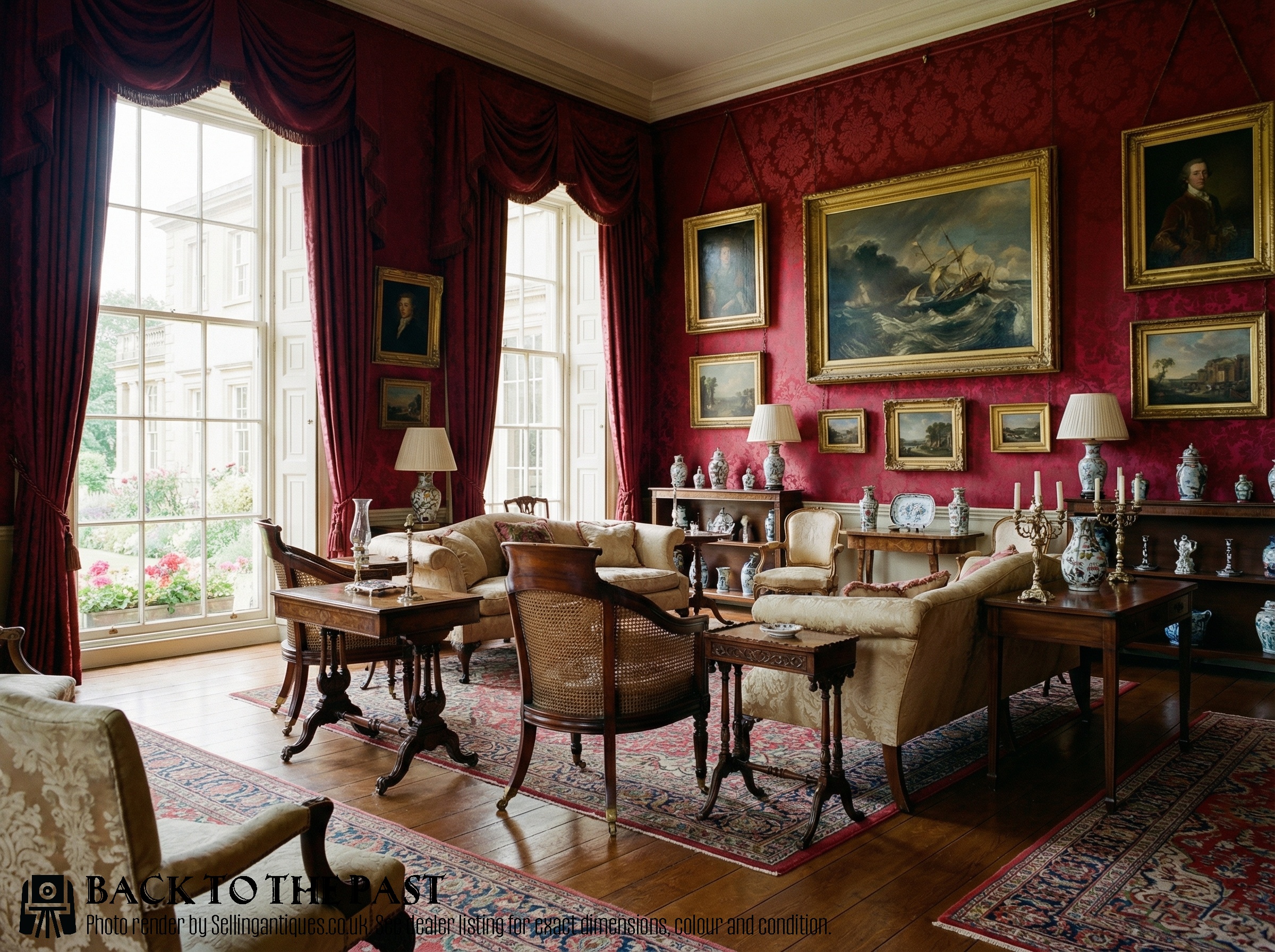
A 2026 Guide by Sellingantiques
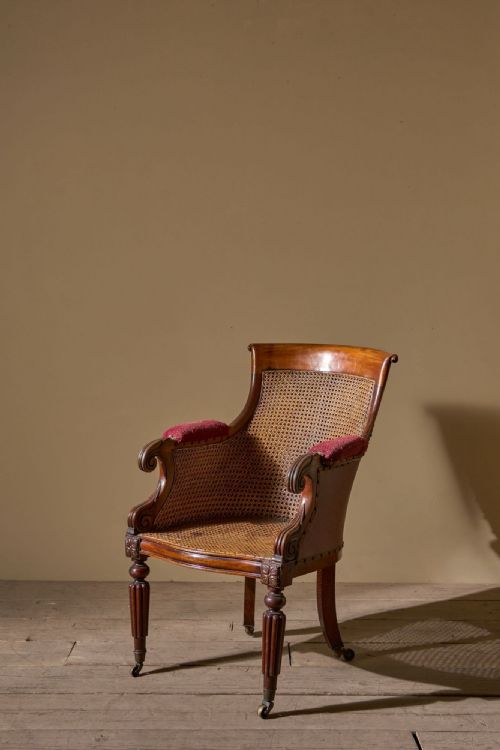
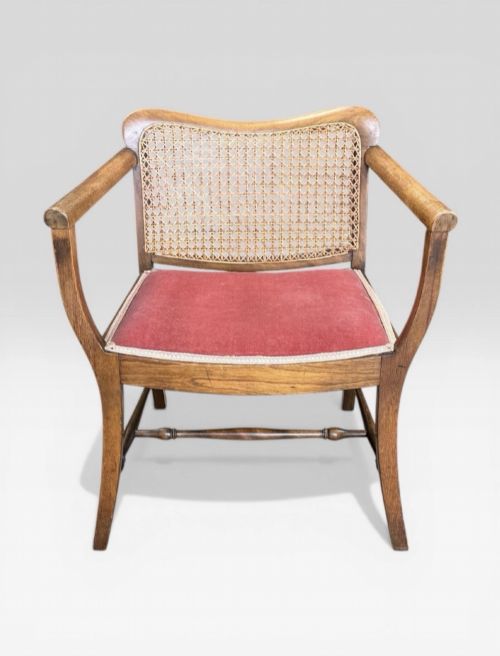
Regency Bergere Chair Attributed to Gillows, Regency
Priced at £2,750 from W.J. Gravener Antiques Ltd.
Look at the early eighteenth-century French courts. They demanded seating built for lounging rather than formal posture.
The antique Bergere chair provided comfort for long evenings in salons.
Cabinetmakers adapted the rigid fauteuil by lowering the seat and closing in the open arms to keep draughts away from the sitter.
A shift towards relaxed socialising. Furniture adapted to suit flowing silk garments and casual conversation.
Georges Jacob produced refined seating during the late eighteenth century.
Search the seat rail for maker stamps. Jean-Baptiste Tilliard stamped his sweeping, Rococo frames there.
Provincial cabinetmakers across France. They built heavier, simplified versions using local fruitwoods instead of imported mahogany.
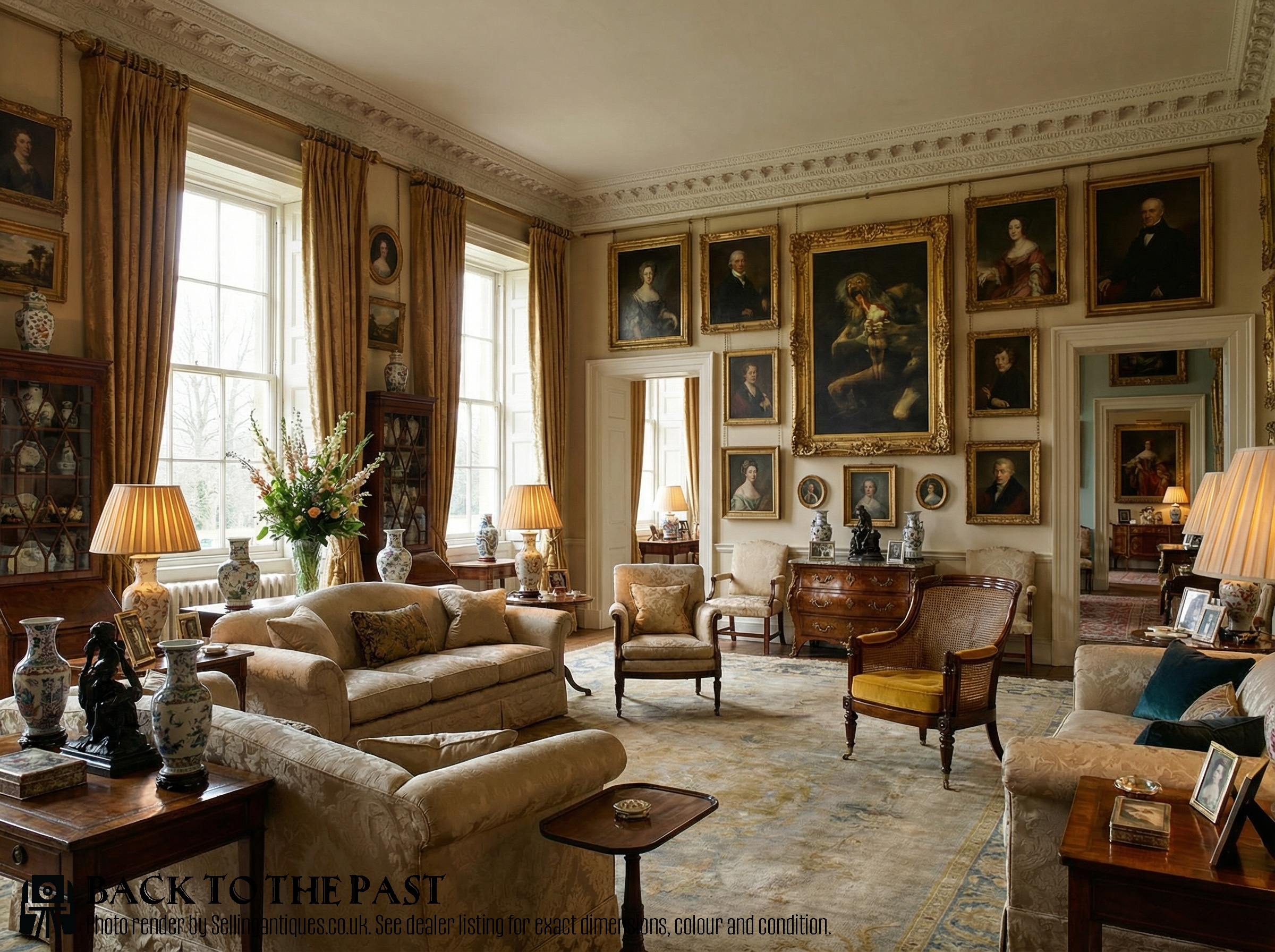
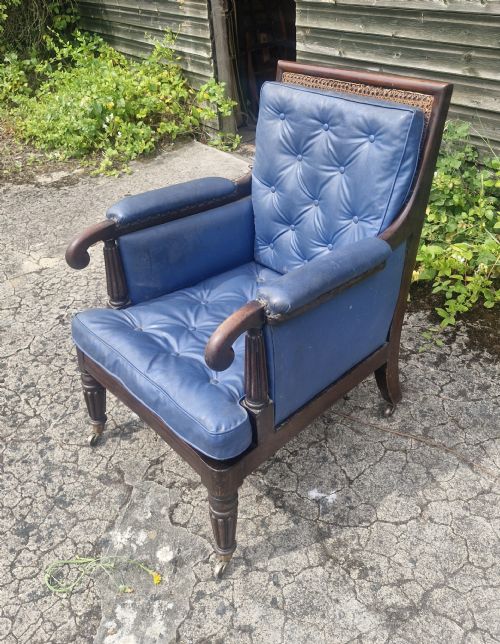
An Unusually Large Regency Bergere Chair, Regency
Priced at £4,850 from W.J. Gravener Antiques Ltd.
The 2026 retail price guide for Antique Bergere Chairs is drawn from a proprietary archive of over 1.1 million retail prices indexed by Sellingantiques since 2003. This guide relies exclusively on their own internal data; no external sources or auction records are used.
Analysing nearly 25 years of UK antique market history alongside current retail values, the data indicates that typical UK retail prices for Antique Bergere Chairs range between £700 and £2,800. Entry-level prices generally fall under £700 and premium examples upwards of £2,800.
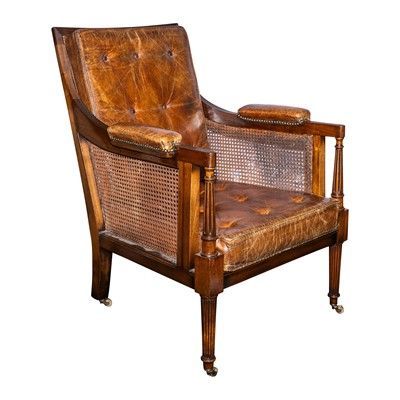
Solid side panels distinguish these chairs from traditional open-armed fauteuils.
Notice the loose, tailored seat cushion. It rests on a woven cane or webbed base for structural give.
A wide, deep seat frame accommodates the thick padding required for comfort.
Early frames rely on stout mortise and tenon joints pegged with wooden dowels.
Examine the seat rails. Hand-carved mouldings merge directly into the knee blocks without harsh transition lines.
Nineteenth-century production introduced heavier machinery, standardising the turned legs on an antique Bergere chair.
"The loose cushion design was a deliberate hygiene measure allowing servants to take the seat outside for beating."
"Lift the cushion. You often find a neatly stretched linen platform hiding beneath."
"Designed for warmth. The closed sides trapped heat from the fireplace right where the sitter needed it."
Based on almost 25 years of Sellingantiques UK antique market data, Antique Bergere Chairs appeared 1467 times (out of 1,100,000 antiques) which gives it a rarity score of 75/100.
This score measures scarcity within the Sellingantiques archive only and is not a survey of the entire antiques market, so these statistics may not be indicative of the general availability of Antique Bergere Chairs elsewhere.
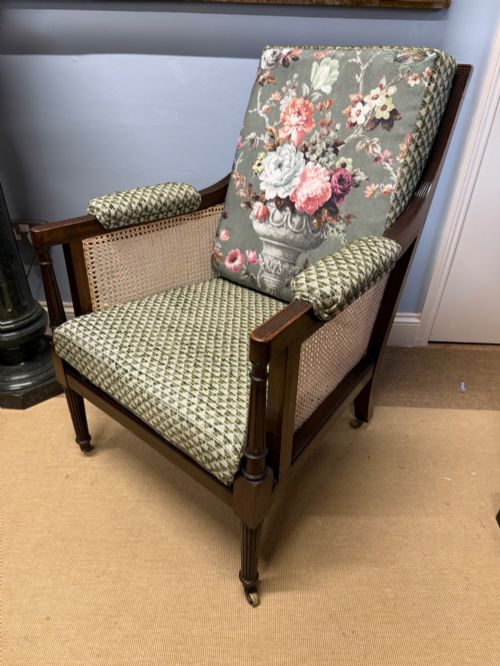
You can always have the cane panels removed and replaced with fabric. Many buyers choose this route when the original cane becomes too damaged to sit against.
A skilled upholsterer will build a padded back over the existing frame. The chair retains its shape and comfort while offering a fresh look.
Traditional seat cushions rely on natural fillings like horsehair, coir or wool. Over decades of use, these materials compact and bunch together inside the casing.
An upholsterer can open the cushion to tease out the original hair and add fresh wadding. This restores the comfortable sit without altering the historical integrity of the frame.
A flat back profile, known as à la reine, was designed to sit neatly against a drawing room wall.
These models contrast with the curved en cabriolet frames which sat centrally in the room.
Those nails are traditional brass or iron tacks holding the arm pads in place. Pulling them out risks splitting the timber on the armrest.
Leave them alone if the fabric remains secure. When you eventually have the chair recovered, a professional will extract them safely and apply fresh trimming tacks.
Please note: This Antique Bergere Chairs guide and its associated pricing data are provided for general informational purposes only. It does not constitute formal financial, investment, or appraisal advice and should not be relied upon as the sole basis for any commercial activity, purchasing, or sales decisions. Sellingantiques.co.uk accepts no liability for any actions taken in reliance on this information. Always consult with a qualified professional or independent appraiser.
