



A 2026 Guide by Sellingantiques
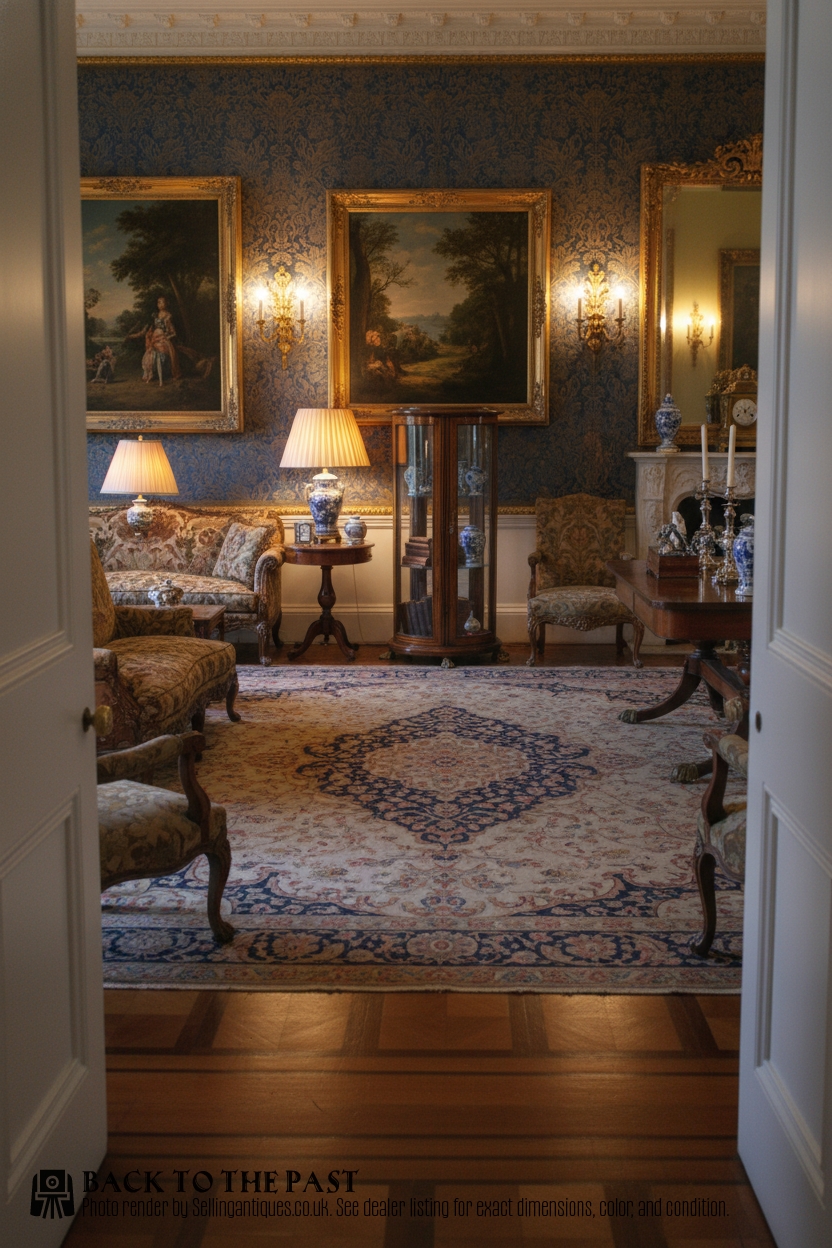
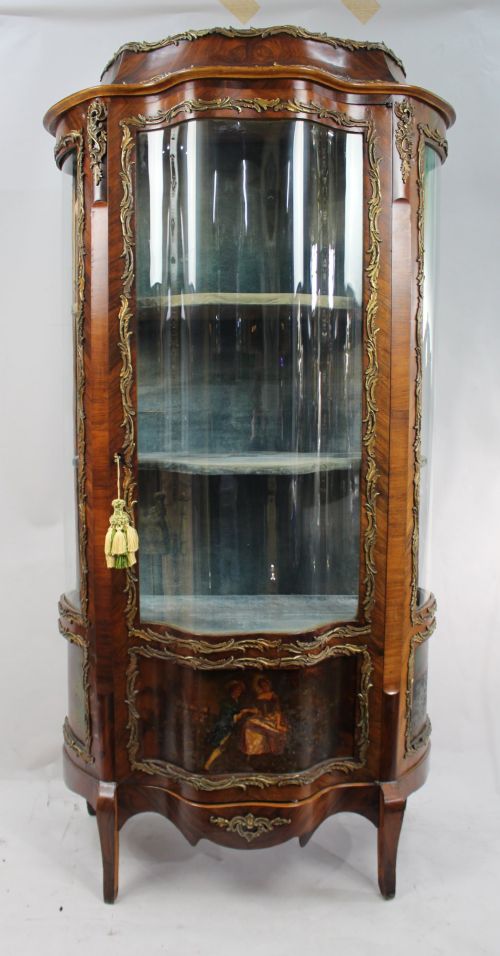
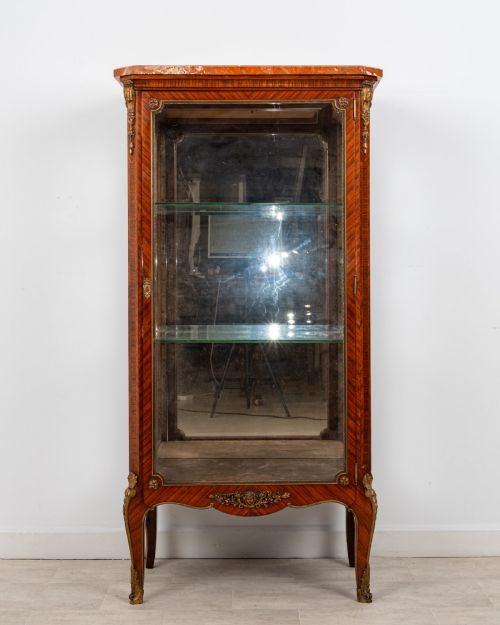
Late 19th Century French Circular Inlaid Vitrine or Bijouterie Cabinet, 19th Century
Priced at £895 from John Hubbard Antiques
Look at early eighteenth-century examples to see the shift from solid doors to glazed panels.
A direct response to the trade in imported porcelain. Collectors needed somewhere safe to put delicate ceramics.
By the nineteenth century, middle-class homes routinely featured an antique vitrine in the drawing room.
Display became an industry in itself during the Edwardian period. Manufacturers produced large numbers of affordable cabinets.
François Linke produced highly elaborate French vitrines during the late nineteenth century.
Edwards and Roberts. This firm supplied well-made display furniture to the late Victorian London market.
Thomas Chippendale published designs for china cases in his Director, though finding a documented piece is rare.
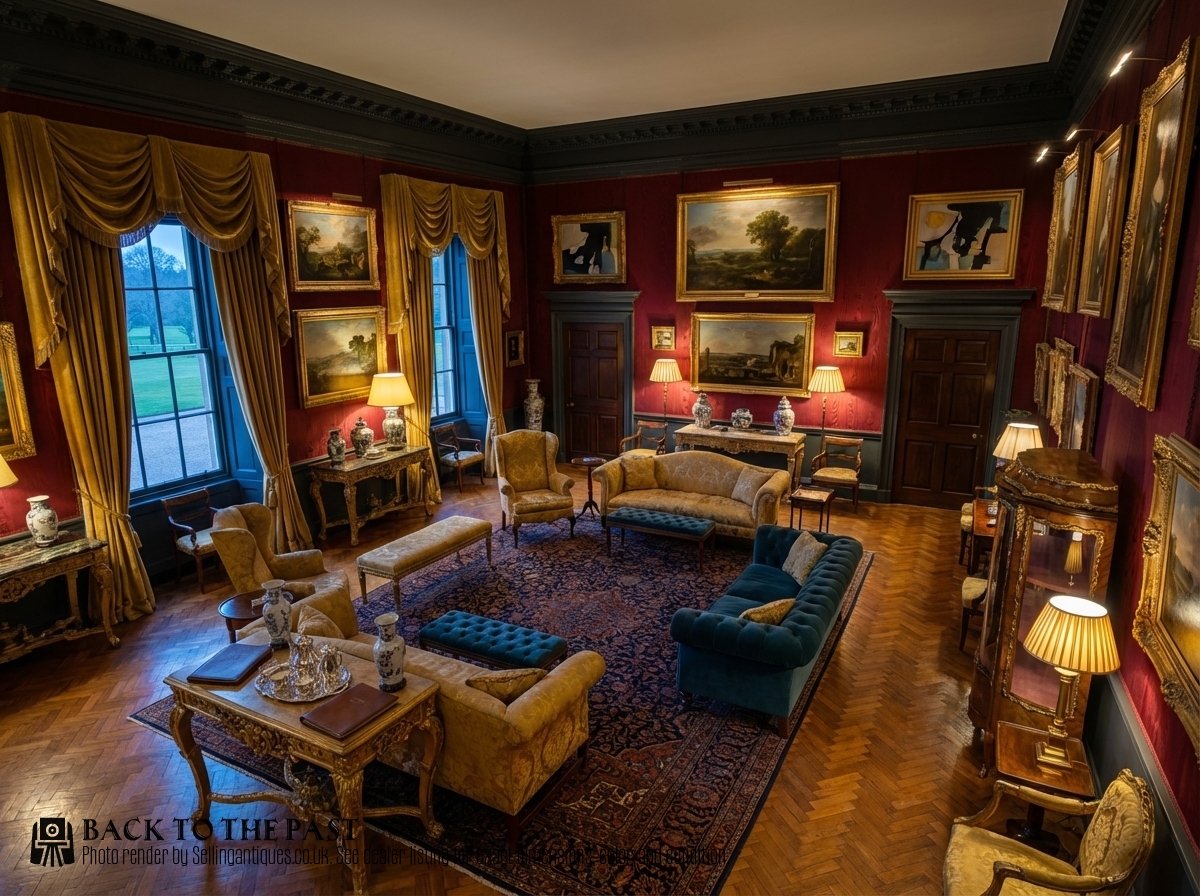
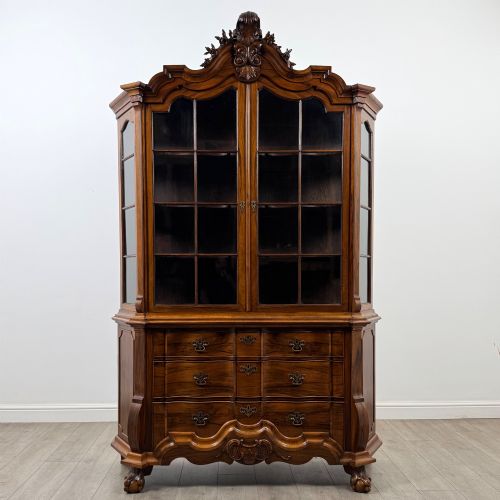
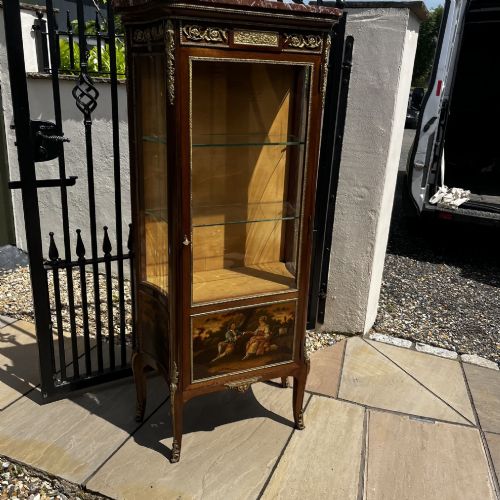
Outstanding French Vitreen Display Cabinet, 1880
Priced at £1,700 from Fernyhough Antiques Ltd
The 2026 retail price guide for Antique Vitrines is drawn from a proprietary archive of over 1.1 million retail prices indexed by Sellingantiques since 2003. This guide relies exclusively on their own internal data; no external sources or auction records are used.
Analysing nearly 25 years of UK antique market history alongside current retail values, the data indicates that typical UK retail prices for Antique Vitrines range between £900 and £5,000. Entry-level prices generally fall under £900 and premium examples upwards of £5,000.
Glass panels dominate the structure. Most antique vitrines have glazed sides to let light reach the contents from multiple angles.
Adjustable shelving. You will find wooden pegs or brass brackets sitting in notched tracks down the inner corners.
Always look for a working lock. Keeping curious guests away from fragile items was essential.
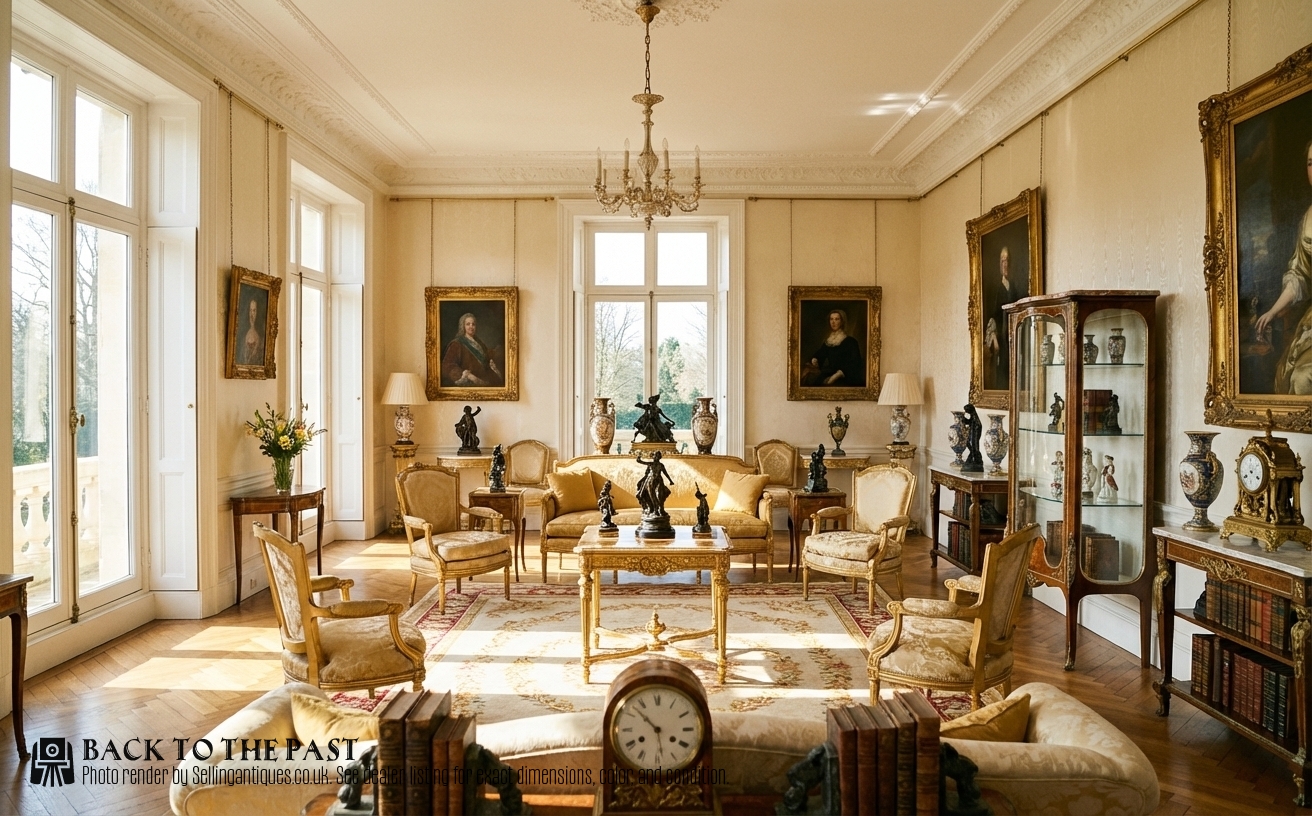
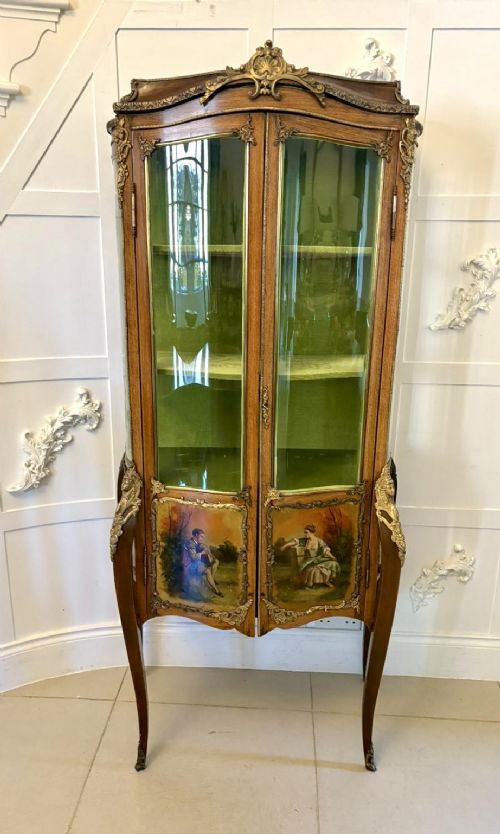
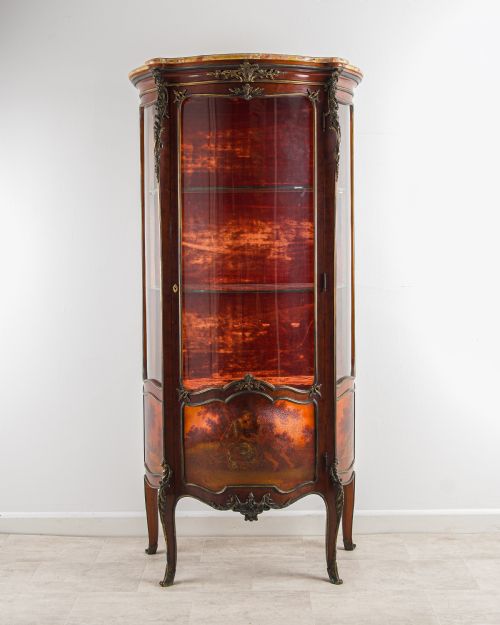
19th Century Kingwood and Marquetry Serpentine Vitrine, 19th Century
Priced at £2,875 from Shackladys Antiques
Makers relied on mortise and tenon joints to keep the slender door frames rigid without blocking the view.
Inspect the glass. Hand-drawn panes were standard on earlier pieces, showing ripples and minor bubbles.
Veneering allowed craftsmen to apply expensive imported timbers over a stable softwood carcase.
"Mirror backs found in some examples gather available light and bounce it forward through the glass shelves."
"Notice the dust seals. Cabinet makers cut overlapping lips into the door edges to block draughts."
"Dark corners. Many were designed to sit in alcoves, acting as light sources when reflecting firelight or gas lamps."
Based on almost 25 years of Sellingantiques UK antique market data, Antique Vitrines appeared 2473 times (out of 1,100,000 antiques) which gives it a rarity score of 61/100.
This score measures scarcity within the Sellingantiques archive only and is not a survey of the entire antiques market, so these statistics may not be indicative of the general availability of Antique Vitrines elsewhere.
Use a soft brush attachment on a vacuum cleaner. Keep the suction low to avoid pulling the fabric away from the backboard.
If the velvet is stained, don't try to wash it. Wet cleaning will shrink old silk or cotton pile and leave water marks.
Most shelves in these cabinets are quite thin. They break easily under pressure.
Spread any weight evenly. Place heavier items on the solid wooden base instead.
Glazed cabinets are useful for tight spaces. The transparent sides stop the piece from feeling like a heavy block of wood, letting your eye travel through to the wall behind.
You might look for a half-moon or bow-fronted shape. These have no sharp front corners to catch on coats as people walk past.
Uneven floors will twist the carcase slightly. If a cabinet leans forward or to one side, the door won't close properly.
You need to pack the feet with small wooden shims until the piece sits level. Check that the door opens smoothly before putting anything fragile inside.
Please note: This Antique Vitrines guide and its associated pricing data are provided for general informational purposes only. It does not constitute formal financial, investment, or appraisal advice and should not be relied upon as the sole basis for any commercial activity, purchasing, or sales decisions. Sellingantiques.co.uk accepts no liability for any actions taken in reliance on this information. Always consult with a qualified professional or independent appraiser.
