




A 2026 Guide by Sellingantiques

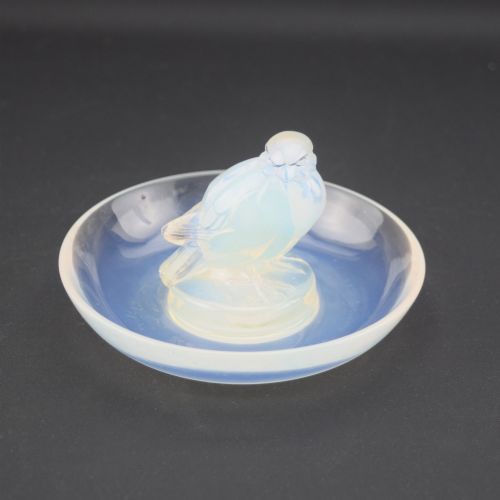
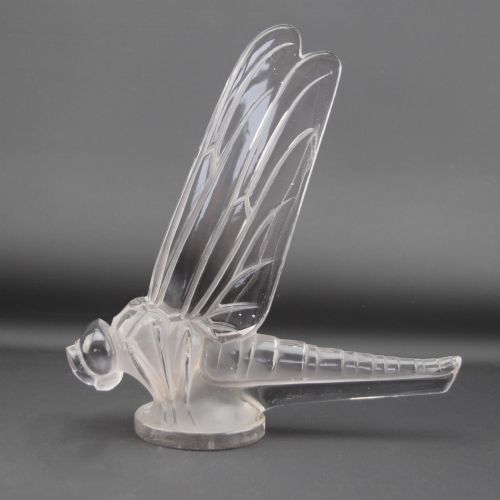
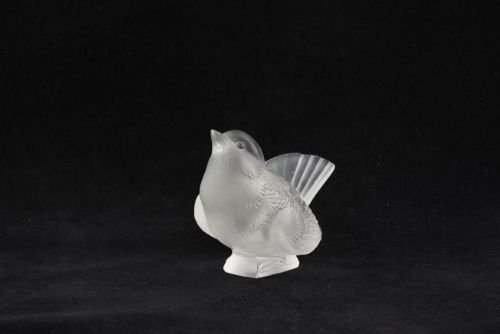
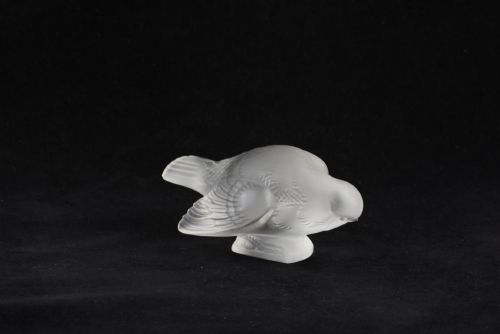
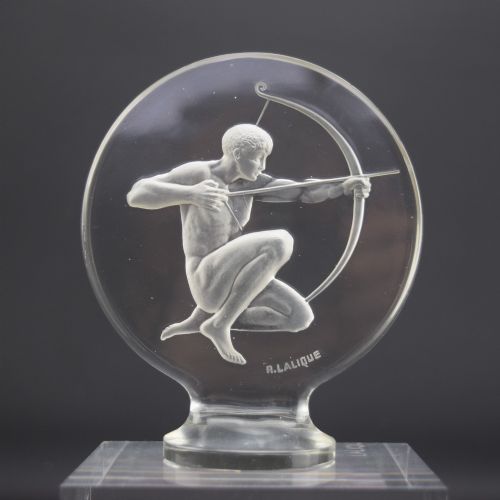
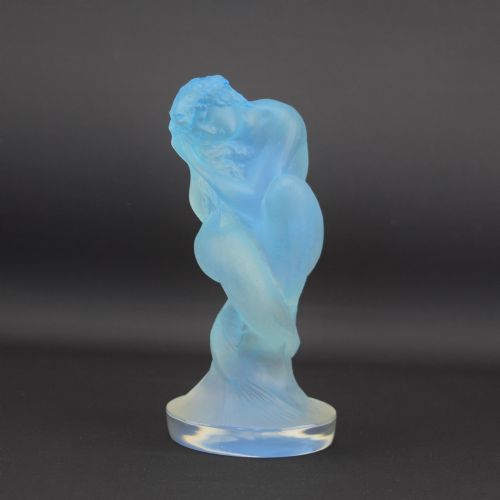
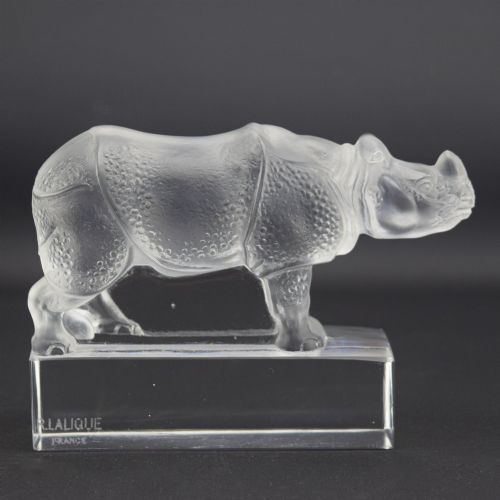
Rene Lalique Chardonneret Hardi Paperweight C1931, 1930
Priced at £495 from Bradley Gent
The classic period for antique paperweights ran from roughly 1845 to 1860 in France.
Industrialisation meant more cheap paper and more correspondence. Draughty offices needed heavy things to keep documents from blowing away.
Look at the Great Exhibition of 1851. European glassworks displayed these heavy domes to international buyers there, spreading the trade.
A practical desk tool. Victorian offices required heavy equipment, so these glass spheres sat alongside inkwells and pounce pots.
Slowly, letter writing declined in the twentieth century. The practical need just wasn't there anymore.
Baccarat produced antique paperweights throughout the mid-nineteenth century. They'd often include tiny date canes hidden among the millefiori.
Known for a distinct pink glass rose. Clichy operated between 1837 and 1885, using tightly furled petals in their designs.
Watch for pastel palettes. Saint-Louis competed closely with the others and introduced dated millefiori pieces in 1845.
The 2026 retail price guide for Antique Paperweights is drawn from a proprietary archive of over 1.1 million retail prices indexed by Sellingantiques since 2003. This guide relies exclusively on their own internal data; no external sources or auction records are used.
Analysing nearly 25 years of UK antique market history alongside current retail values, the data indicates that typical UK retail prices for Antique Paperweights range between £200 and £1,300. Entry-level prices generally fall under £200 and premium examples upwards of £1,300.
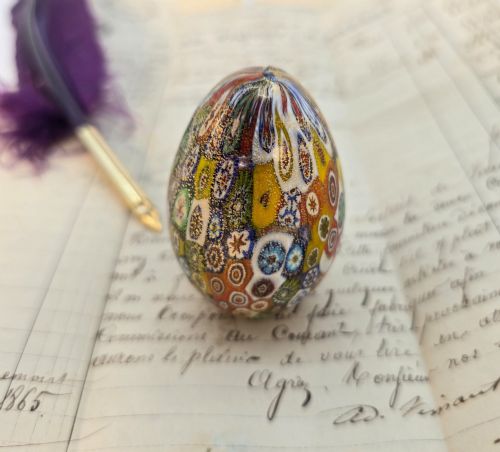
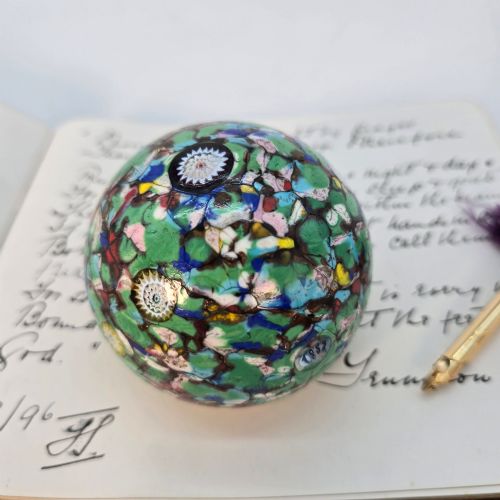
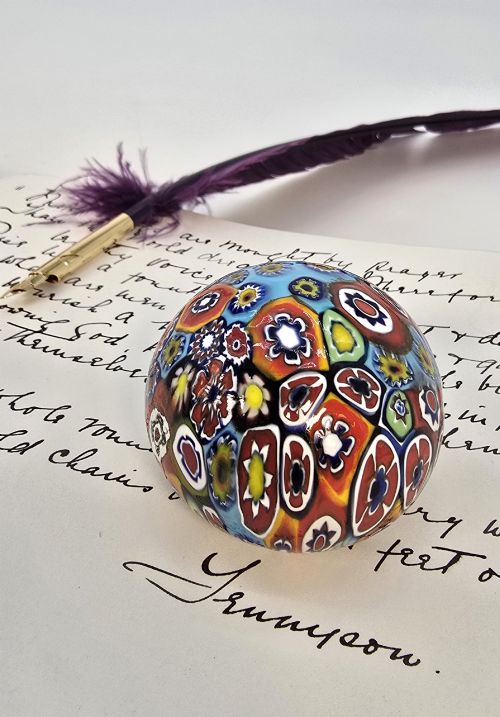
Hundreds of tiny glass cross-sections. Millefiori designs dominate the category, packed tightly together so they don't shift.
Lampwork builds up specific shapes. Skilled workers fashioned glass fruit or single floral stems rather than abstract patterns.
Turn one sideways to see sulphides. A silvery-white ceramic portrait plaque sits embedded deep within the clear glass dome.
Gathering clear glass over a cold setup requires precise temperature control. Too hot and the design melts, too cold and air bubbles trap inside.
Workers built canes by dipping a rod into different coloured glass crucibles. They stretched the rod across the factory floor to shrink the pattern.
Heating rods over a small burner defines lampwork. A craftsman shapes leaves individually before encasing them in the clear dome.
"Magnifying optical lenses. The heavy curved lead glass enlarges the intricate details of the internal canes, making tiny features easy to see."
"Miniature animals hide inside. Glassmakers managed to stretch silhouettes of dogs and monkeys into canes thinner than a pencil."
"Floating glass components. Controlled temperature management allows the clear outer glass to seal firmly around the suspended design elements."
Based on almost 25 years of Sellingantiques UK antique market data, Antique Paperweights appeared 824 times (out of 1,100,000 antiques) which gives it a rarity score of 85/100.
This score measures scarcity within the Sellingantiques archive only and is not a survey of the entire antiques market, so these statistics may not be indicative of the general availability of Antique Paperweights elsewhere.
It translates to a thousand flowers. The term describes the technique where glassmakers bundle rods of different colours together and stretch them out.
When you slice that bundled rod, the cross-section looks like a tiny floral blossom. Makers pack hundreds of these slices into the base of the dome to build the pattern.
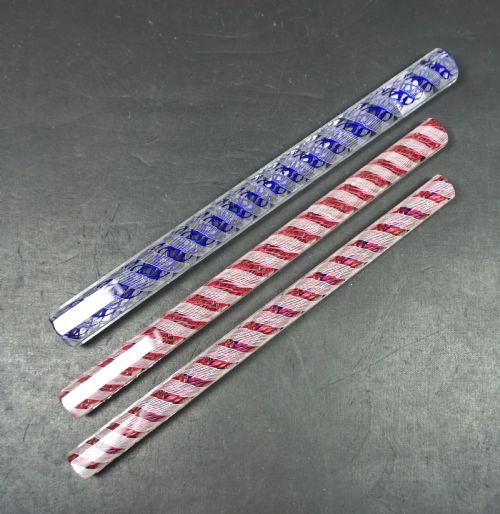
That white base is called a latticinio ground. It consists of opaque white glass threads pulled and twisted into fine mesh patterns.
Glassworkers arrange these threads on a metal plate before gathering clear glass over them. The latticinio provides a bright background that makes the coloured floral canes stand out clearly.
Sometimes they spin the threads in a single direction, while other pieces have double spins that create a lattice effect.
It depends on the size and the lead content of the glass. A typical mid-nineteenth century desk piece feels dense for its size.
You'll expect it to weigh enough to hold down a stack of stiff paper in a breeze.
That rough circle is the pontil mark. It happens during the making process rather than from subsequent damage.
The maker attaches a metal rod to the base to hold the hot glass while shaping the top dome. When they finish shaping the crown, they snap the rod off, leaving a rough glass scar behind.
Sometimes a factory ground this mark flat or cut a star pattern over it, but many everyday pieces were left with the raw snap mark intact.
Please note: This Antique Paperweights guide and its associated pricing data are provided for general informational purposes only. It does not constitute formal financial, investment, or appraisal advice and should not be relied upon as the sole basis for any commercial activity, purchasing, or sales decisions. Sellingantiques.co.uk accepts no liability for any actions taken in reliance on this information. Always consult with a qualified professional or independent appraiser.
