
A 2026 Guide by Sellingantiques
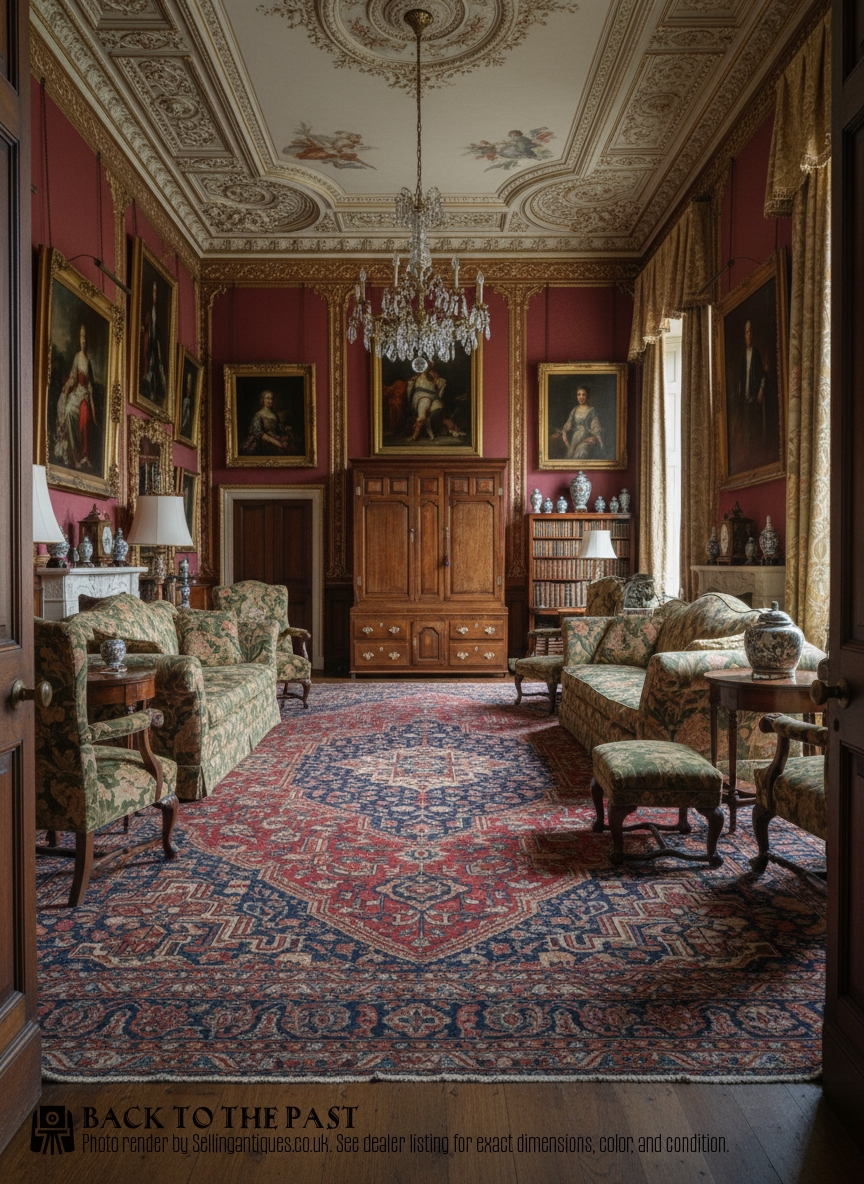
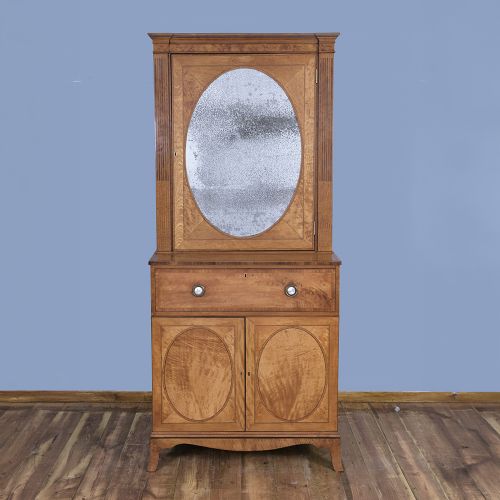
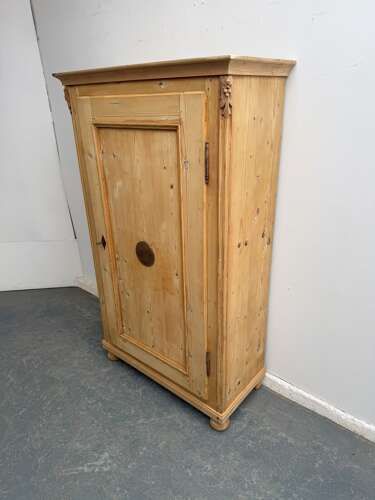
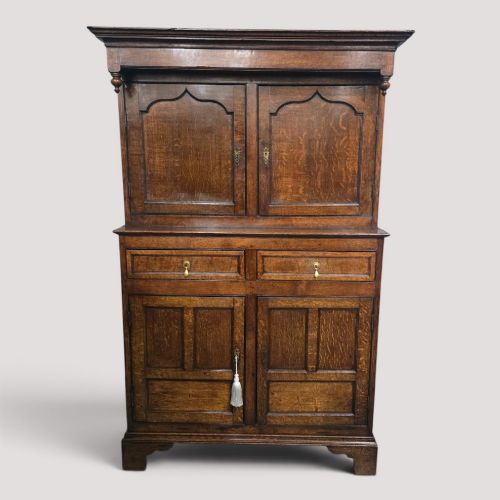
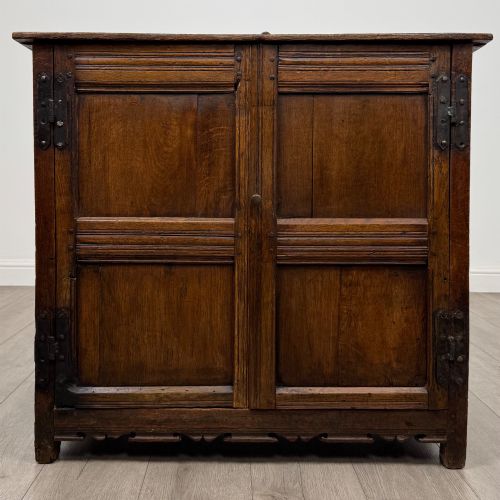
Late Georgian Oak Press Cupboard, Georgian
Priced at £3,300 from Pap Antiques and Restoration Ltd
Evolving from open tiered structures, the fully enclosed antique press cupboard appeared in wealthier households during the late sixteenth century.
Textiles cost more than the furniture itself back then. Locking away folded woollens and linens drove the need for these secure, heavy units.
Regional designs dominated production. Northern English makers often favoured heavily carved upper tiers, while southern workshops sometimes preferred simpler inset panels.
Look for dates or initials carved into the frieze. Marriages or house building often prompted a family to commission a piece like this.
Rural joiners built the vast majority of antique press cupboards. Signatures or paper labels are practically non-existent for this early period.
Local traditions dictated the carving styles. Guild regulations meant a joiner shaped the wood, but a turner might be paid to supply the decorative drops.
Workshops passed down specific gouge patterns and panel layouts. You spot families of furniture sharing identical moulding profiles originating from the same town.

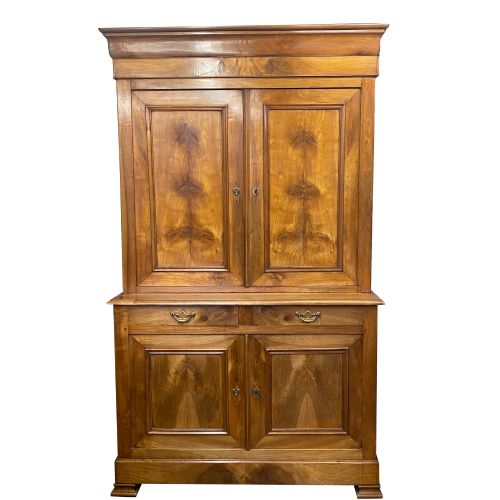
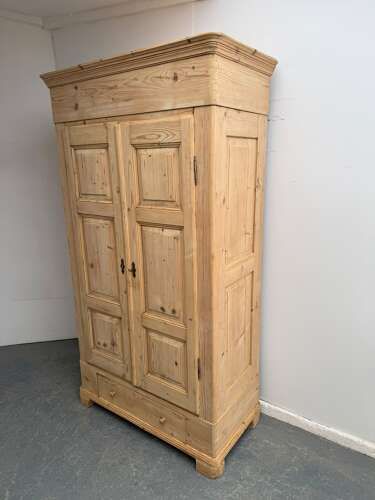
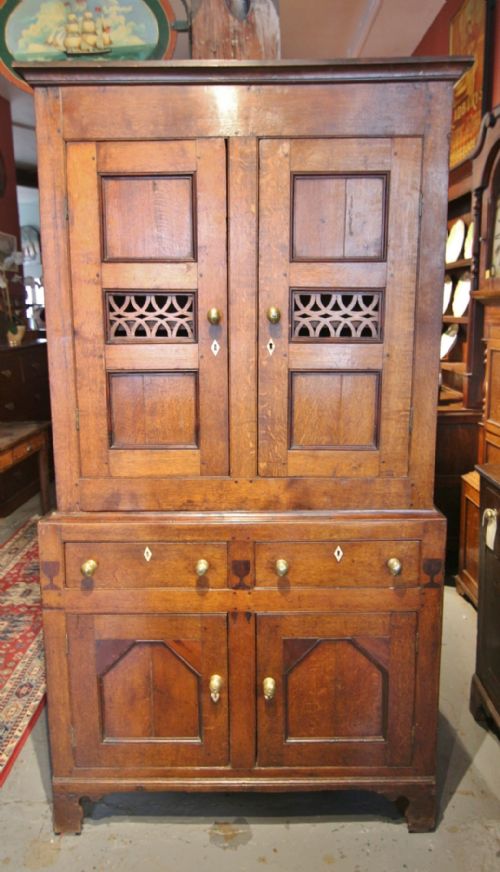
19th Century Welsh Oak Two Stage Press Cupboard, 19th Century
Priced at £2,999 from Pap Antiques and Restoration Ltd
The 2026 retail price guide for Antique Press Cupboards is drawn from a proprietary archive of over 1.1 million retail prices indexed by Sellingantiques since 2003. This guide relies exclusively on their own internal data; no external sources or auction records are used.
Analysing nearly 25 years of UK antique market history alongside current retail values, the data indicates that typical UK retail prices for Antique Press Cupboards range between £1,000 and £3,900. Entry-level prices generally fall under £1,000 and premium examples upwards of £3,900.
Two distinct stages define the form. The upper tier sits slightly recessed, creating a stepped profile above the lower storage section.
Carved pendants often hang from an overhanging canopy. They drop down from the frieze to flank the upper doors.
Heavy wooden pegs secure the framing. Check how these sit slightly raised above the surface rather than flush.
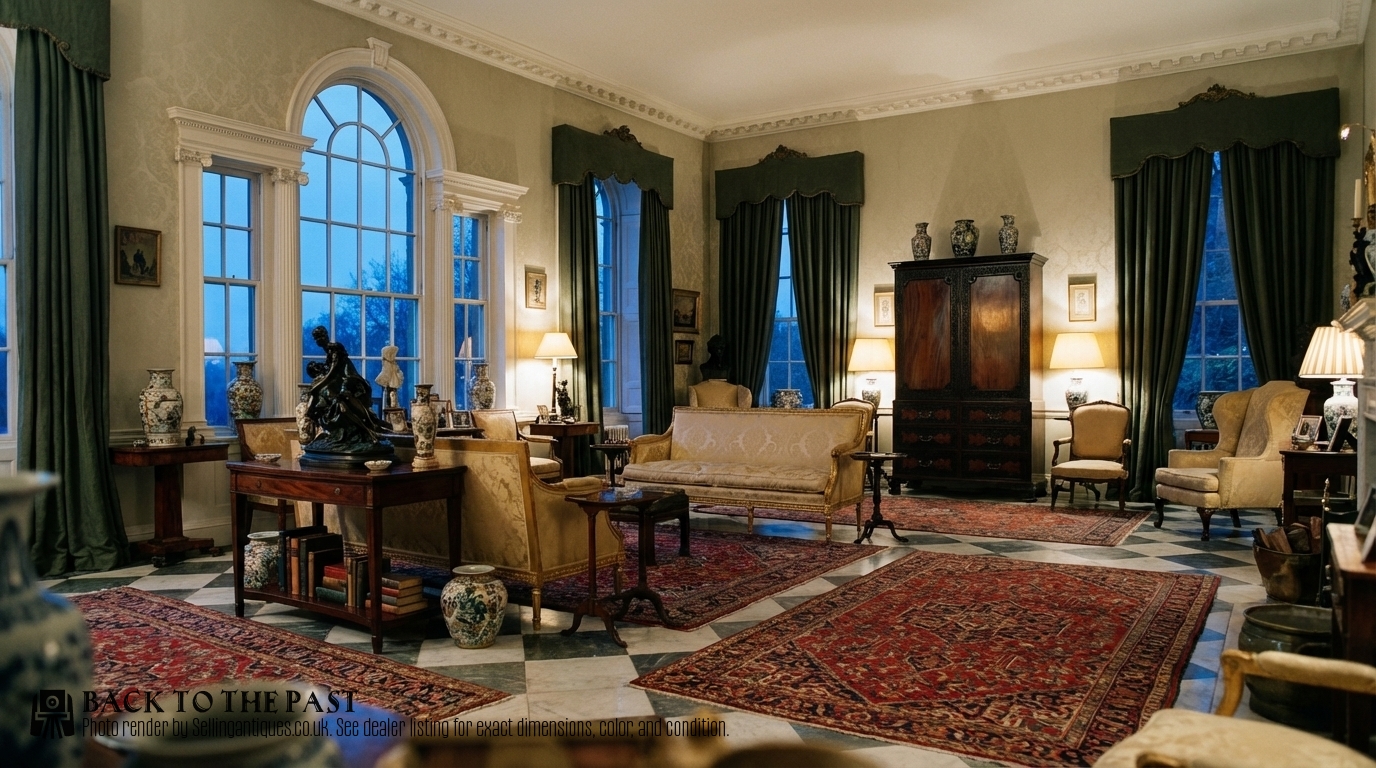
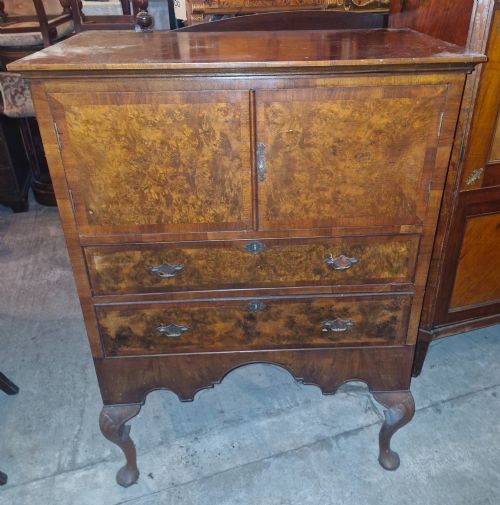
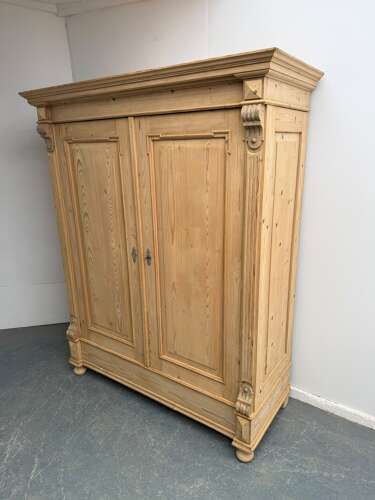
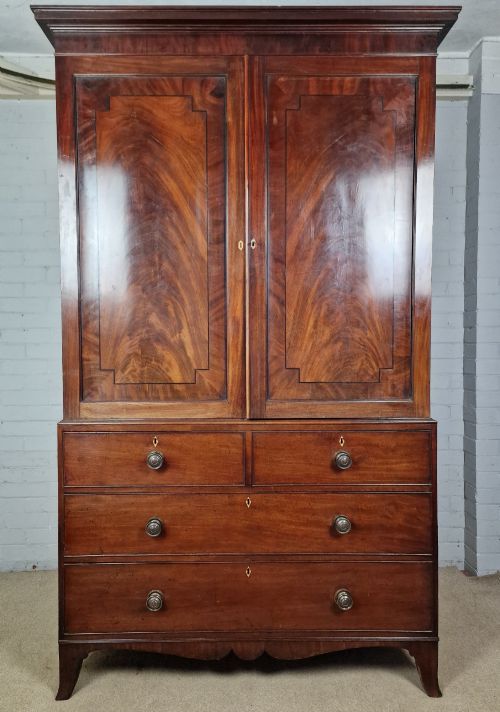
Superb Quality Mid 19thc Mahogany Press Cupboard in the 18thc Style with Fine, Faded Patina, 1860
Priced at £4,250 from LVS Decorative Arts
Riven oak features in the earlier examples. Splitting the timber along the grain rather than sawing it provided thin, stable boards for the panels.
Carving shifted from deep geometric designs to shallower patterns over time. Some late seventeenth-century antique press cupboards rely purely on applied mouldings.
Internal drawer construction moved from side-hung runners to bottom runners. You find thick, roughly chamfered drawer linings in the earliest regional pieces.
"The hollow space inside a carved canopy sometimes conceals a secret drawer. Joiners built small hidden boxes into the upper cornice for securing coins or documents."
"Traces of original bright paint survive deep in the carving. These austere brown cupboards originally sat brightly coloured in red and green pigments."
"Flat tops doubled as display shelves. Proud households arranged their finest pewter plates and flagons right across the upper board."
Based on almost 25 years of Sellingantiques UK antique market data, Antique Press Cupboards appeared 3298 times (out of 1,100,000 antiques) which gives it a rarity score of 52/100.
This score measures scarcity within the Sellingantiques archive only and is not a survey of the entire antiques market, so these statistics may not be indicative of the general availability of Antique Press Cupboards elsewhere.
Use a soft bristle brush to sweep dust out of the deep gouges. A cheap natural makeup brush works well for getting into the tight corners of an antique press cupboard.
Avoid liquid sprays or water. If the wood feels dry, apply a very thin coat of clear beeswax polish with a cloth, let it sit for ten minutes, and buff it out.
The structural integrity of an antique press cupboard is usually massive. The top boards are supported by thick vertical stiles and solid backboards running the full height of the carcase.
Weight is rarely an issue for the upper tier. However, modern electronics trap heat and scratch old polish. You should place a protective felt pad beneath the base to protect the oak surface.
Most are built in two separate pieces. The upper recessed canopy section usually lifts straight off the deeper base cupboard.
Look for heavy wooden dowels dropping from the top section into holes on the base. Gravity holds them together, making transport much easier.
Oak is rigid and unforgiving. If an antique press cupboard sits on an uneven floor, the carcase will eventually twist, and the heavy doors will bind or refuse to latch.
You need to level it. Slide thin wooden shims under the feet until the piece sits steady. Once it is level, the doors should swing cleanly on their hinges.
Please note: This Antique Press Cupboards guide and its associated pricing data are provided for general informational purposes only. It does not constitute formal financial, investment, or appraisal advice and should not be relied upon as the sole basis for any commercial activity, purchasing, or sales decisions. Sellingantiques.co.uk accepts no liability for any actions taken in reliance on this information. Always consult with a qualified professional or independent appraiser.
