

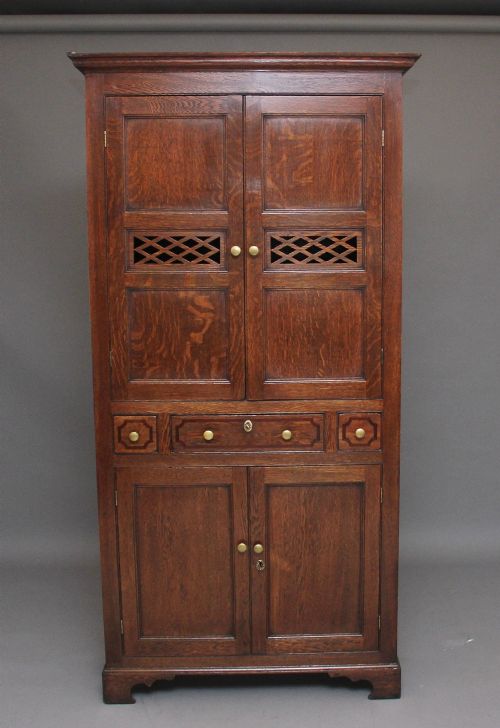


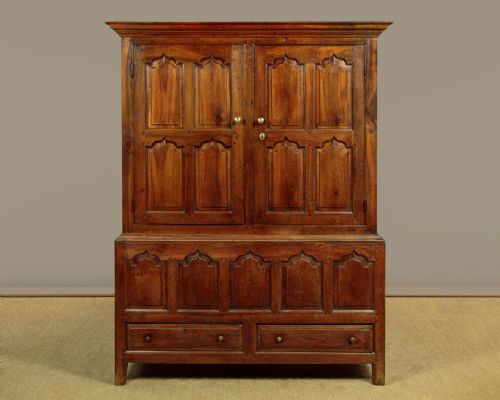

A 2026 Guide by Sellingantiques
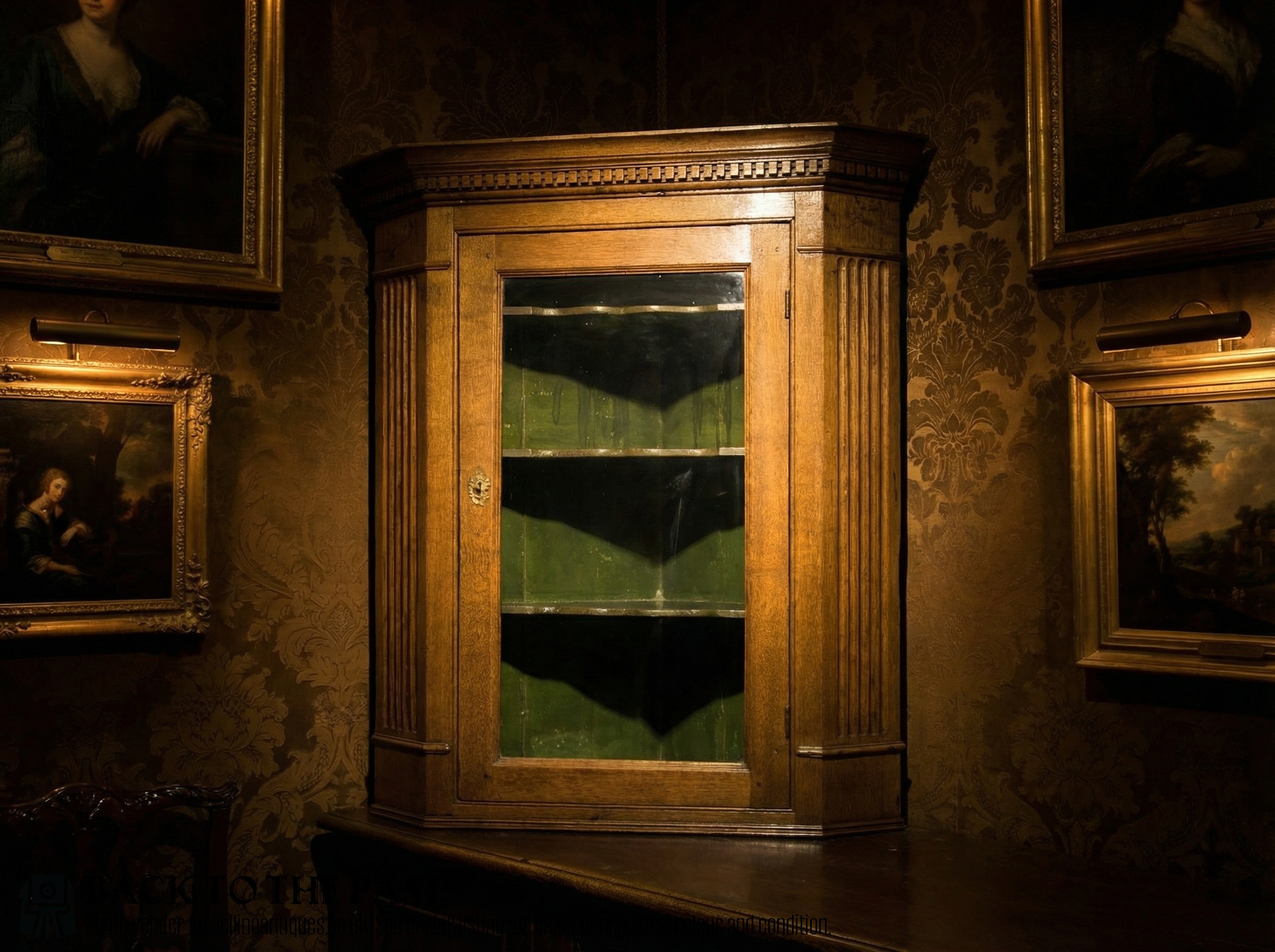
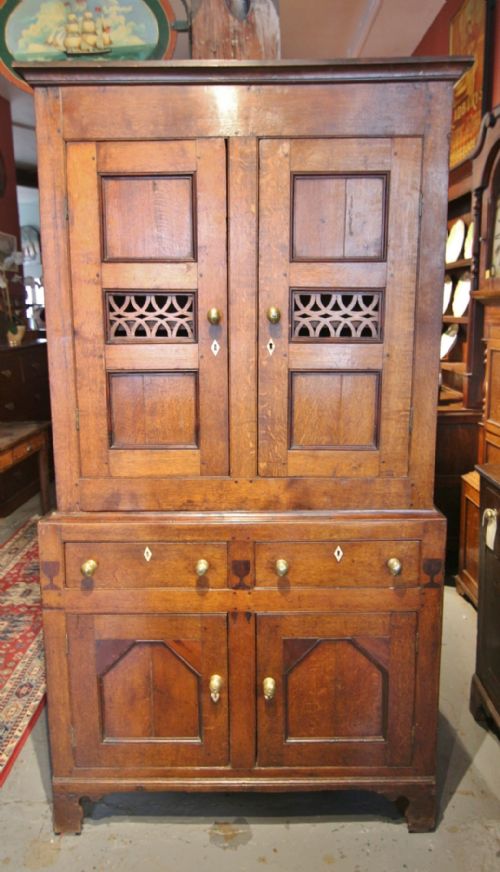
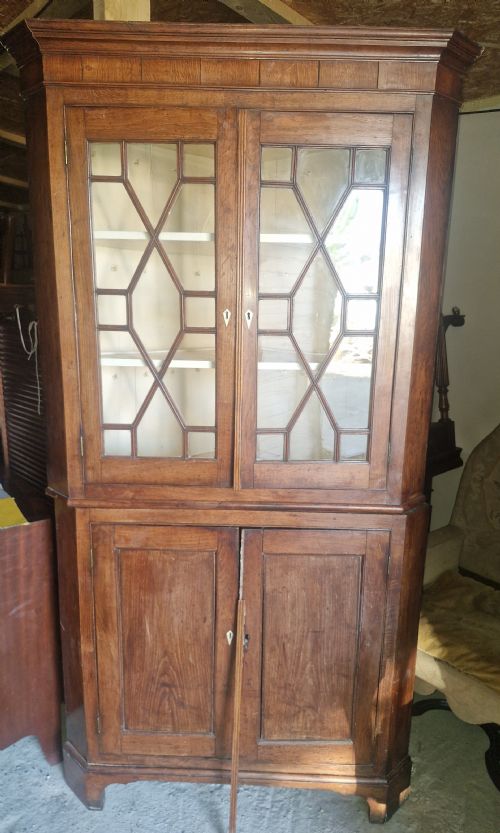
Welsh Oak Corner Cupboard Circa 1780, 18th Century
Priced at £490 from WelshAntiques
Originating from the rural farmhouses of Wales during the seventeenth century.
Look at the shift from simple storage coffers to vertical display furniture as households sought more upright surfaces.
The cwpwrdd deuddarn is an early two-tiered form of these antique Welsh cupboards that served both practical and status roles.
Later generations developed the three-tiered tridarn specific to the Snowdonia region to accommodate even more space.
Rural carpenters and estate joiners produced most antique Welsh cupboards rather than documented metropolitan cabinetmakers.
Localized styles emerged from specific valleys, passed down through generations of anonymous family workshops.
Consider that makers marked their work through distinct regional proportions rather than stamped names or paper labels.
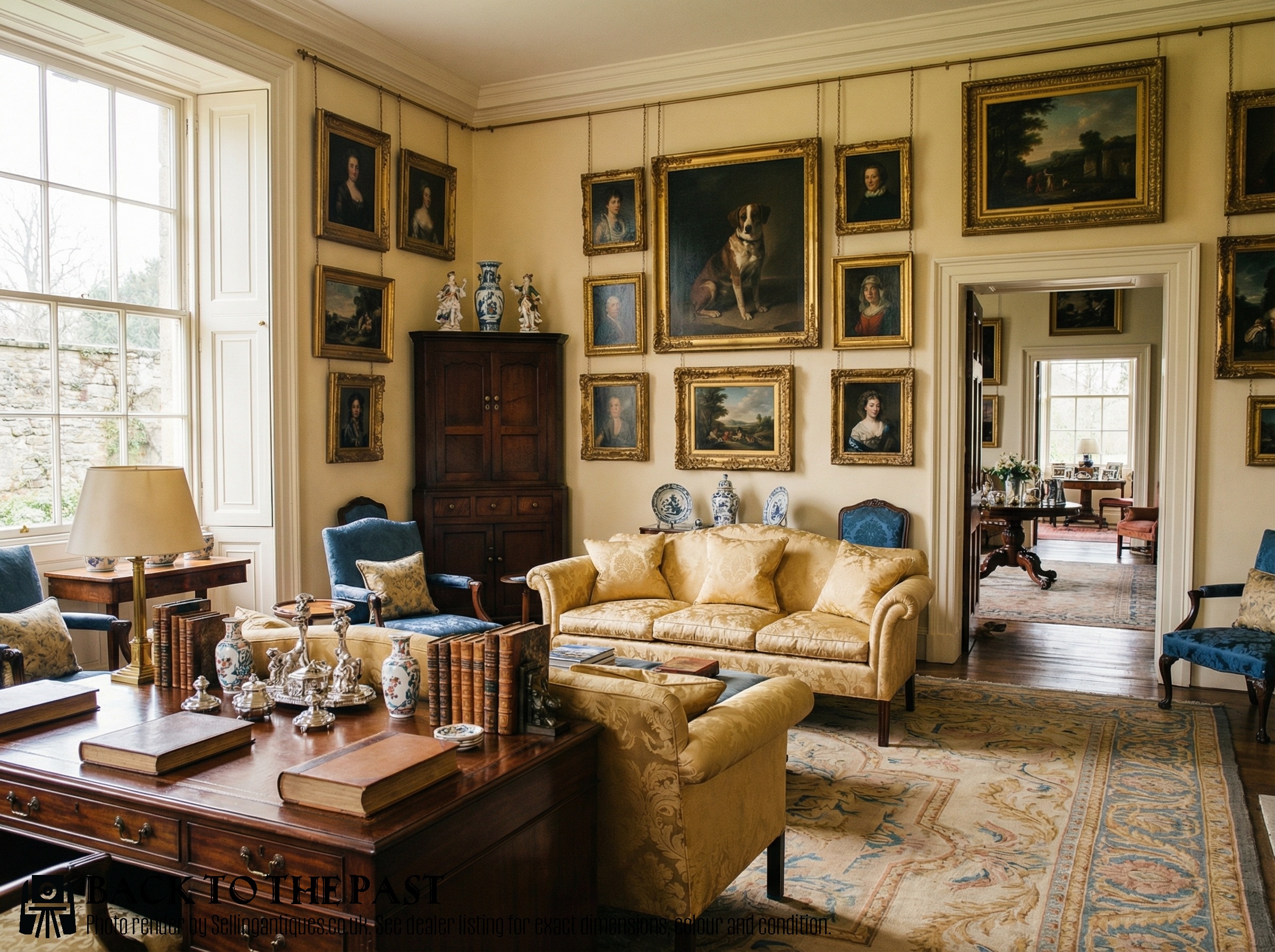
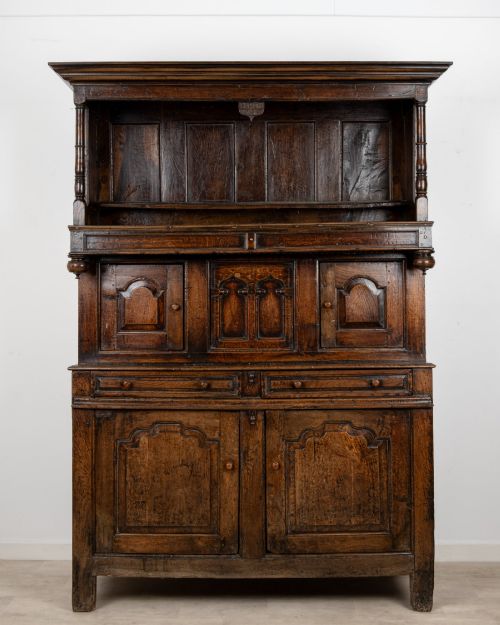
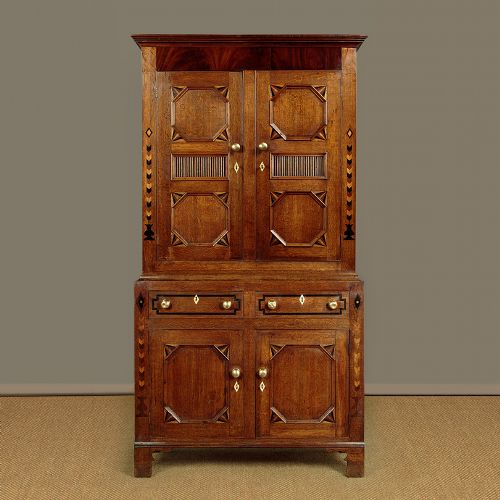
Fine 18th Century Welsh Oak Floor Standing Corner Cupboard in Two Parts, 18th Century
Priced at £1,850 from Abersoch Antiques
The 2026 retail price guide for Antique Welsh Cupboards is drawn from a proprietary archive of over 1.1 million retail prices indexed by Sellingantiques since 2003. This guide relies exclusively on their own internal data; no external sources or auction records are used.
Analysing nearly 25 years of UK antique market history alongside current retail values, the data indicates that typical UK retail prices for Antique Welsh Cupboards range between £1,200 and £4,300. Entry-level prices generally fall under £1,200 and premium examples upwards of £4,300.
Open boarded racks with horizontal shelves dominate the upper sections of the classic dresser forms.
Notice the heavy fielded panels that often enclose the lower carcase doors on the base section.
Turned drop pendants sometimes decorate the frieze below the cornice on northern examples.

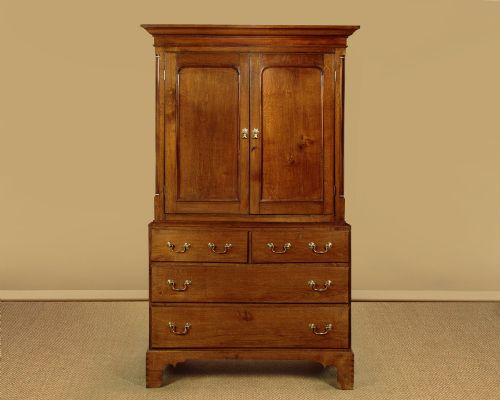
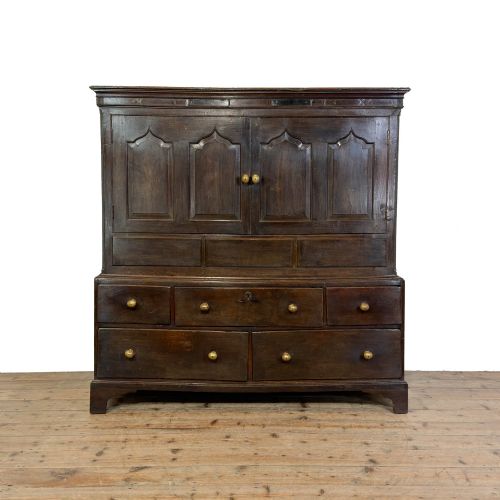
Small and Exceptional Welsh Oak Cupboard, Circa 1760, Georgian
Priced at £2,900 from WelshAntiques
Joiners relied on heavy mortise and tenon joints secured with wooden pegs to frame the carcase.
Drawers feature robust, widely spaced dovetails that reflect sturdy rural construction rather than delicate city work.
Nailed directly to the rear framing, hand-riven oak backboards provided essential lateral stability.
"The open canopy of a tridarn creates a distinctive covered space projecting above the main case."
"Look closely at the heavy cornice mouldings on certain regional styles, which hide secret shallow drawers."
"Pegged joints meant owners could dismantle large casework pieces flat for easier transport between isolated farmhouses."
Based on almost 25 years of Sellingantiques UK antique market data, Antique Welsh Cupboards appeared 938 times (out of 1,100,000 antiques) which gives it a rarity score of 83/100.
This score measures scarcity within the Sellingantiques archive only and is not a survey of the entire antiques market, so these statistics may not be indicative of the general availability of Antique Welsh Cupboards elsewhere.
It is a low, flat shelf sitting just above the floor level. The shelf rests on the stretchers connecting the front and rear legs.
This open space serves as an integrated platform. It keeps goods off the cold floor while tying the lower framework together.
A cwpwrdd tridarn translates as a three-part cupboard. It features a standard enclosed base and an upper section with doors, much like a deuddarn.
The difference is the third tier on top. This open, canopied shelf usually sits on turned pillars at the front. It was a regional design specific to North Wales.
Standard dressers just have flat shelves resting directly on a base.
Most of the larger pieces divide into two or three horizontal sections. The rack simply lifts off the lower carcase.
This modular construction made transport manageable for rural communities.
Rural joiners used whatever hardware the local blacksmith could forge. Iron ring pulls and wooden knobs are standard on regional pieces.
Sometimes you find matched brass plate handles on later Georgian examples. Households frequently updated their hardware when fashions changed.
This practice often left older marks or filled holes visible behind the new backplates. Look for these shadows as evidence of a long working life.
Please note: This Antique Welsh Cupboards guide and its associated pricing data are provided for general informational purposes only. It does not constitute formal financial, investment, or appraisal advice and should not be relied upon as the sole basis for any commercial activity, purchasing, or sales decisions. Sellingantiques.co.uk accepts no liability for any actions taken in reliance on this information. Always consult with a qualified professional or independent appraiser.
