


A 2026 Guide by Sellingantiques
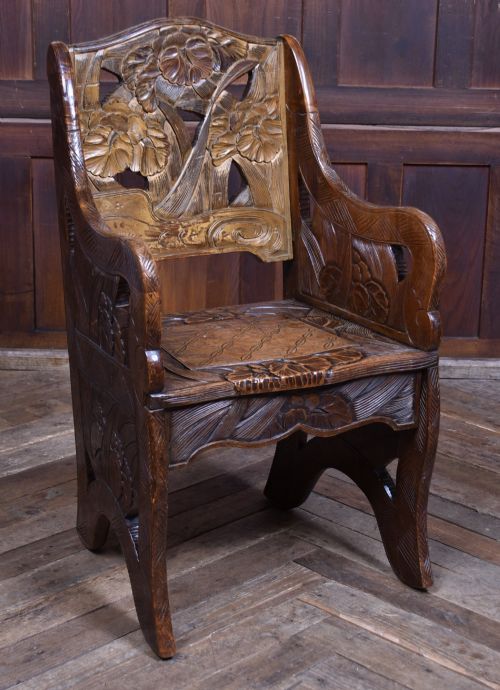
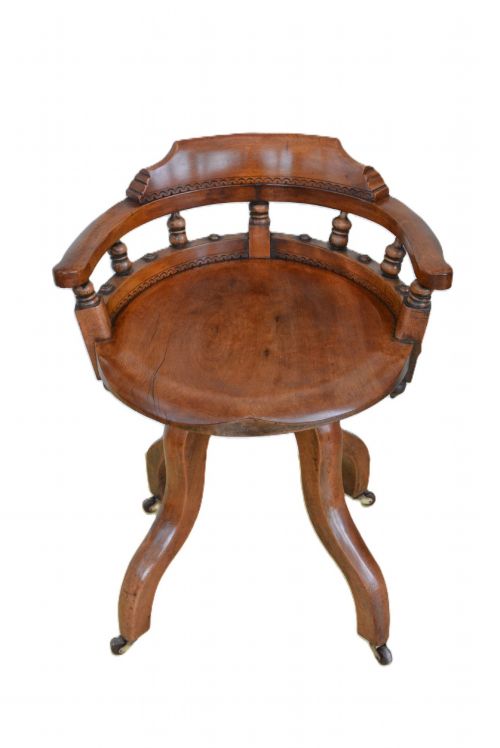
Edwardian Arts and Crafts Walnut Desk or Office Chair, Edwardian
Priced at £990 from Elmgarden
Walnut became the primary timber for fashionable seating during the Restoration period.
A severe winter in 1709 killed thousands of trees across Europe. This shortage forced cabinetmakers to look elsewhere for their timber supplies.
Virginia walnut eventually arrived from the American colonies to fill the gap.
Look for the shift from heavy forms to lighter, curvilinear shapes. The introduction of the cabriole leg changed antique walnut chairs forever.
Giles Grendey ran a large London workshop in the mid-eighteenth century. He is documented making extensive suites of seating furniture.
Identifying individual makers of antique walnut chairs is difficult. Most pieces lack stamps or labels.
Regional tradesmen produced vast numbers of these chairs. Provincial workshops often adapted fashionable London designs using locally available timber.
An Antique Pair of Walnut Library Chairs C1920, 1920
Priced at £395 from Castleforge Antiques Ltd
The 2026 retail price guide for Antique Walnut Chairs is drawn from a proprietary archive of over 1.1 million retail prices indexed by Sellingantiques since 2003. This guide relies exclusively on their own internal data; no external sources or auction records are used.
Analysing nearly 25 years of UK antique market history alongside current retail values, the data indicates that typical UK retail prices for Antique Walnut Chairs range between £500 and £3,000. Entry-level prices generally fall under £500 and premium examples upwards of £3,000.
Drop-in seats are common on early eighteenth-century examples. They lift straight out of the rebated frame for easy re-covering.
Examine the back splat. The vase shape is a classic element of Queen Anne period antique walnut chairs.
Carved shells frequently decorate the knees of cabriole legs. Ball and claw feet often terminate the stance.
Pair of Gilt Walnut Bedroom Chairs, 1920
Priced at £395 from LTANTIQUES.CO.UK
Early makers relied on heavy pegged mortise and tenon joints to secure the seat rails to the uprights.
Veneering curved surfaces took considerable skill. Craftsmen used hot animal glue and heavy cauls to press the thin wood tightly against the shaped carcase.
Check the internal corner blocks. Later workshops added these glued supports to reinforce the frame as chair designs became lighter and delicate.
"The rich patina on early antique walnut chairs actually improves as it ages, developing a warmth that modern finishes cannot replicate."
"Burled veneers create distinctive, individual patterns. Each back splat acts like a fingerprint for the chair."
"Some provincial makers used solid fruitwood alongside the main timber, creating subtle colour variations that give regional pieces their distinct character."
Based on almost 25 years of Sellingantiques UK antique market data, Antique Walnut Chairs appeared 8063 times (out of 1,100,000 antiques) which gives it a rarity score of 20/100.
This score measures scarcity within the Sellingantiques archive only and is not a survey of the entire antiques market, so these statistics may not be indicative of the general availability of Antique Walnut Chairs elsewhere.
Start with a soft, dry duster to remove loose dirt. Don't use modern spray polishes containing silicones, as these build up and dull the surface over time.
If the wood looks dry, apply a good quality beeswax polish once or twice a year. Rub it in sparingly, leave it for twenty minutes, and buff it out with a clean cloth.
Drop-in seats are designed to be removed. Push them up from underneath the frame.
The hidden seat frame is meant to take tacks. Pulling out old tacks gently won't harm the main chair.
Traditional wool damask or silk blends suit early eighteenth-century chairs well. These natural fibres breathe and wear gracefully alongside the aged timber over decades of use.
Linen is a durable alternative for a simpler, relaxed look. Avoid heavy modern synthetics or vinyl, which stretch poorly and look out of place on period furniture.
It is common to find uneven legs on antique walnut chairs. Centuries of being dragged across stone or tiled floors slowly grind down the front toes.
Sometimes previous owners deliberately cut down the back legs to tip the chair backward for a relaxed seating angle. A good restorer can piece in matching timber to level the stance without stripping the frame.
Check the bottoms of the feet. You'll often see spliced repairs where someone has already addressed this issue.
Please note: This Antique Walnut Chairs guide and its associated pricing data are provided for general informational purposes only. It does not constitute formal financial, investment, or appraisal advice and should not be relied upon as the sole basis for any commercial activity, purchasing, or sales decisions. Sellingantiques.co.uk accepts no liability for any actions taken in reliance on this information. Always consult with a qualified professional or independent appraiser.
