


A 2026 Guide by Sellingantiques
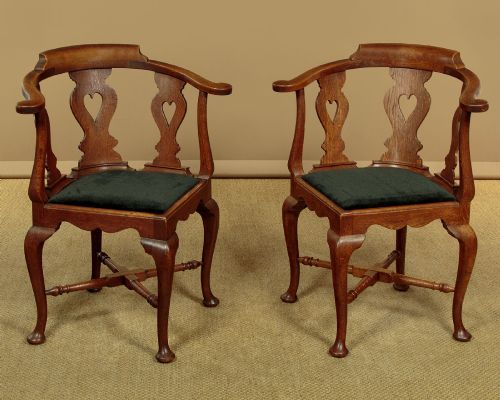
A Pair of Arts and Crafts Walnut Hall Chairs, 1890
Priced at £700 from Elmgarden
Finding an intact antique pair of chairs is harder than locating singles. Pairs were often split up between inheriting children during the twentieth century.
Look for matching construction details. Workshops made chairs in batches, meaning a true pair will share the same template marks.
Two survivors from a larger dining set. Sets of six or eight dining chairs dwindled over the decades, leaving just a pair.
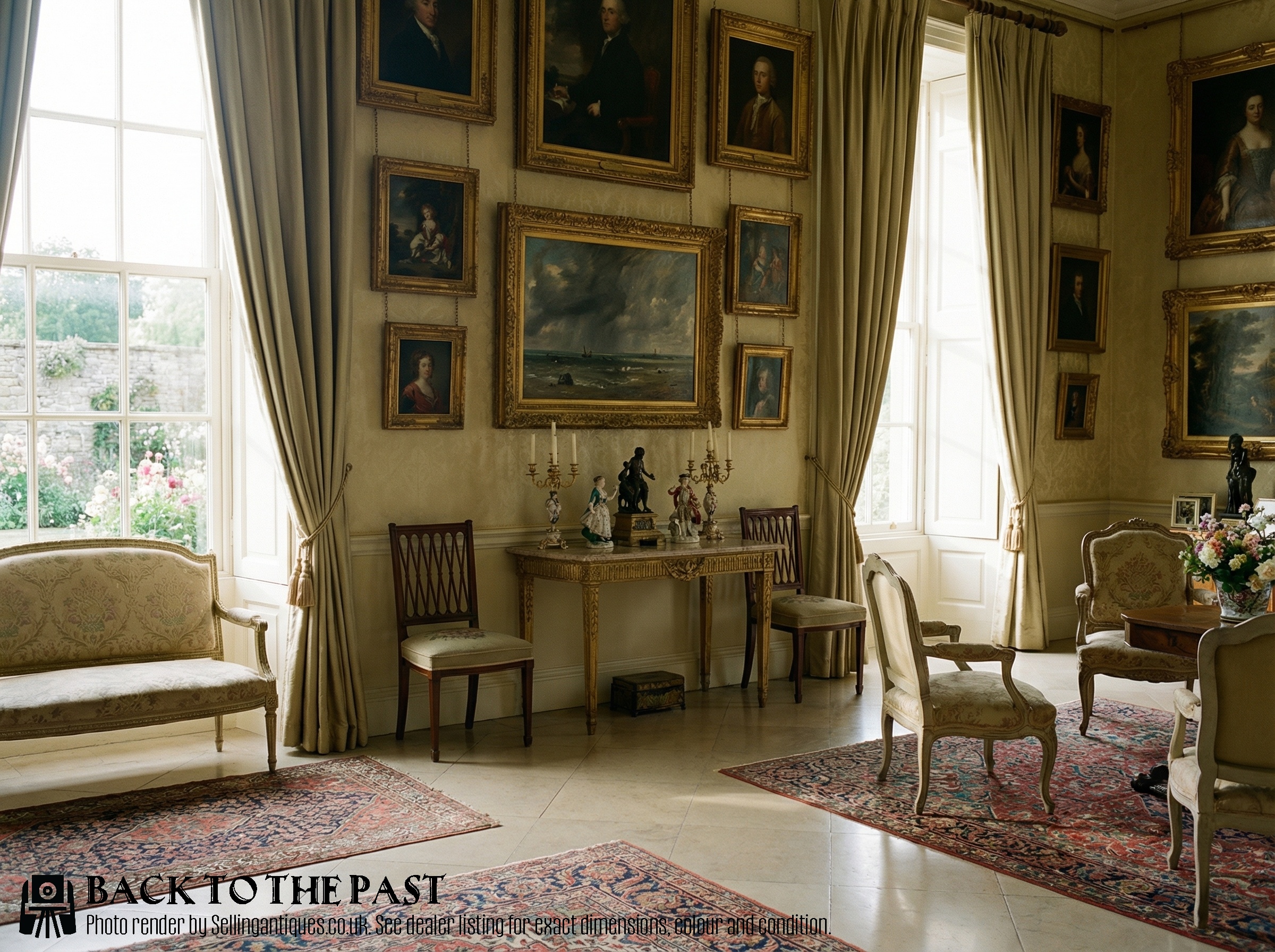
Wealthy households ordered matching seats for specific architectural spaces. Hall chairs arrived in twos to sit rigidly either side of a main entranceway.
Gillow of Lancaster stamped their seat furniture regularly from the late eighteenth century. Their name often appears on the front or back seat rail.
Many provincial chairmakers remained anonymous. A vast amount of regional seating was produced by unrecorded local joiners following basic pattern books.
Thomas Chippendale supplied pairs of chairs to grand houses like Nostell Priory. His workshop used figured mahogany and interlaced back splats.
An Antique Pair of Walnut Library Chairs C1920, 1920
Priced at £395 from Castleforge Antiques Ltd
The 2026 retail price guide for Antique Pair Of Chairs is drawn from a proprietary archive of over 1.1 million retail prices indexed by Sellingantiques since 2003. This guide relies exclusively on their own internal data; no external sources or auction records are used.
Analysing nearly 25 years of UK antique market history alongside current retail values, the data indicates that typical UK retail prices for Antique Pair Of Chairs range between £600 and £3,000. Entry-level prices generally fall under £600 and premium examples upwards of £3,000.
Matching proportions matter when examining an antique pair of chairs. The seat heights and back angles should align when placed side by side.
Slight variations in carved motifs. Hand carving means no two crest rails will match exactly.
Notice the leg profiles. Formal seating usually features shaped front legs and plain, swept back legs to save on expensive timber.
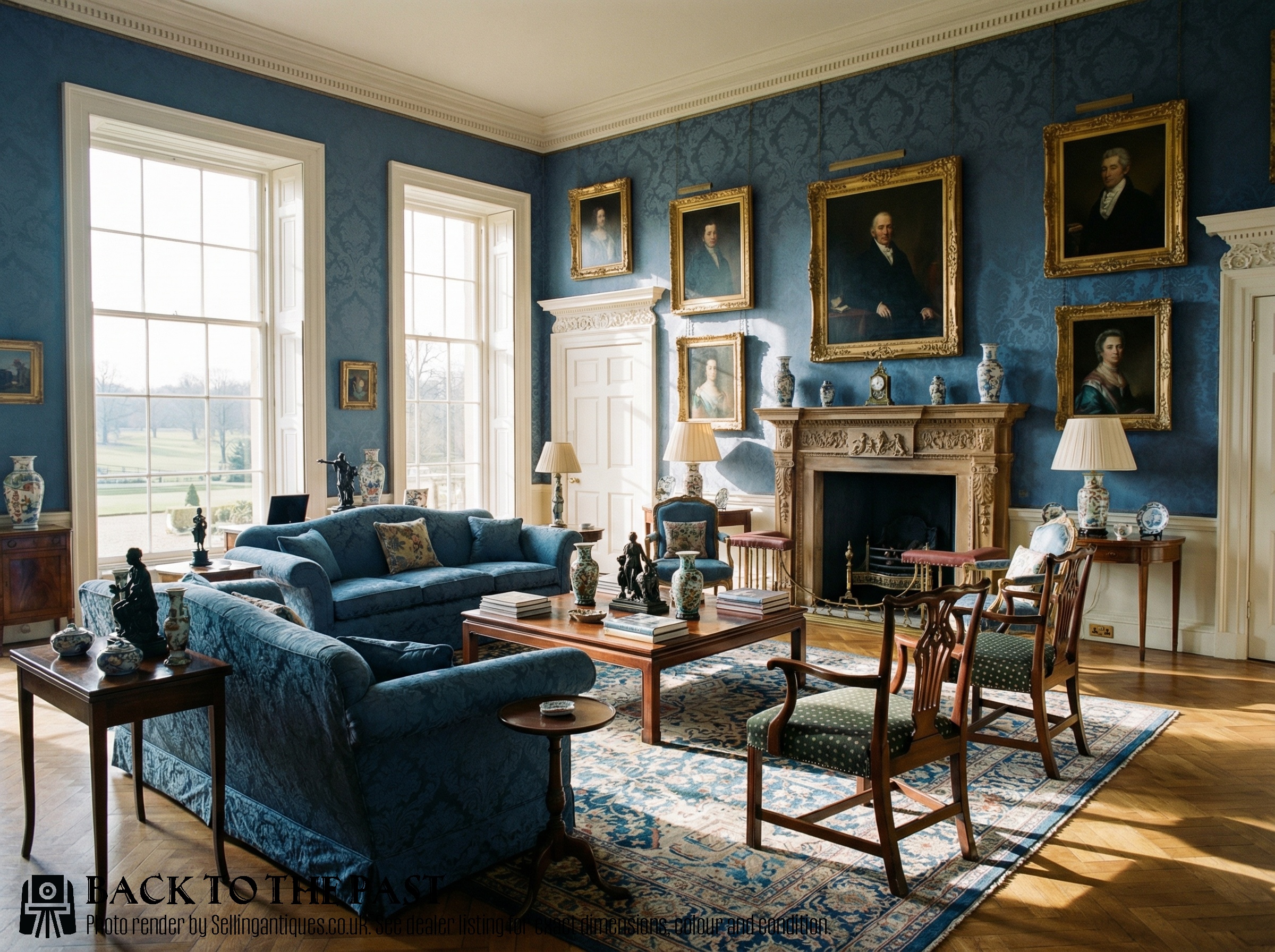
Pair of Mahogany Open Armchairs / Carvers, Circa 1830, 19th Century
Priced at £1,250 from Surrey Antiques by Gary J Hall
Pinned with wooden dowels. Mortise and tenon joints hold the main frame together, remaining visible on the back legs.
Examine the glue blocks tucked inside the seat corners. Traditional makers used hide glue and rough-cut blocks to reinforce the frame.
Steam bending allowed workers to curve ash and elm for Windsor chair bows. They heated the wood until pliable before clamping it to a former.
"Two chairs from the same workshop often feature sequential assembly numerals. You might find a chiselled Roman numeral II on one and III on the other."
"Hidden early fabric offcuts. Upholsterers sometimes left fragments beneath the modern top cover, preserving a record of original textile choices."
"Seat frames were occasionally built using timber salvaged from older furniture. This practice resulted in hidden joints or obsolete peg holes on the inside rails."
Based on almost 25 years of Sellingantiques UK antique market data, Antique Pair Of Chairs appeared 18977 times (out of 1,100,000 antiques) which gives it a rarity score of 2/100.
This score measures scarcity within the Sellingantiques archive only and is not a survey of the entire antiques market, so these statistics may not be indicative of the general availability of Antique Pair Of Chairs elsewhere.
Most buyers choose a fabric that suits their current room scheme. Traditional horsehair or damask looks historically accurate, but heavy linens also work well on older frames.
Keep the fabric weight in mind. Thin silks will stretch and tear on a sprung seat, while very thick wools are hard to fold neatly around the corners.
Mixing styles works well around a casual dining table. A matched pair at the heads of the table can anchor a mixed set of side chairs.
The trick is keeping the wood tones or seat heights somewhat consistent.
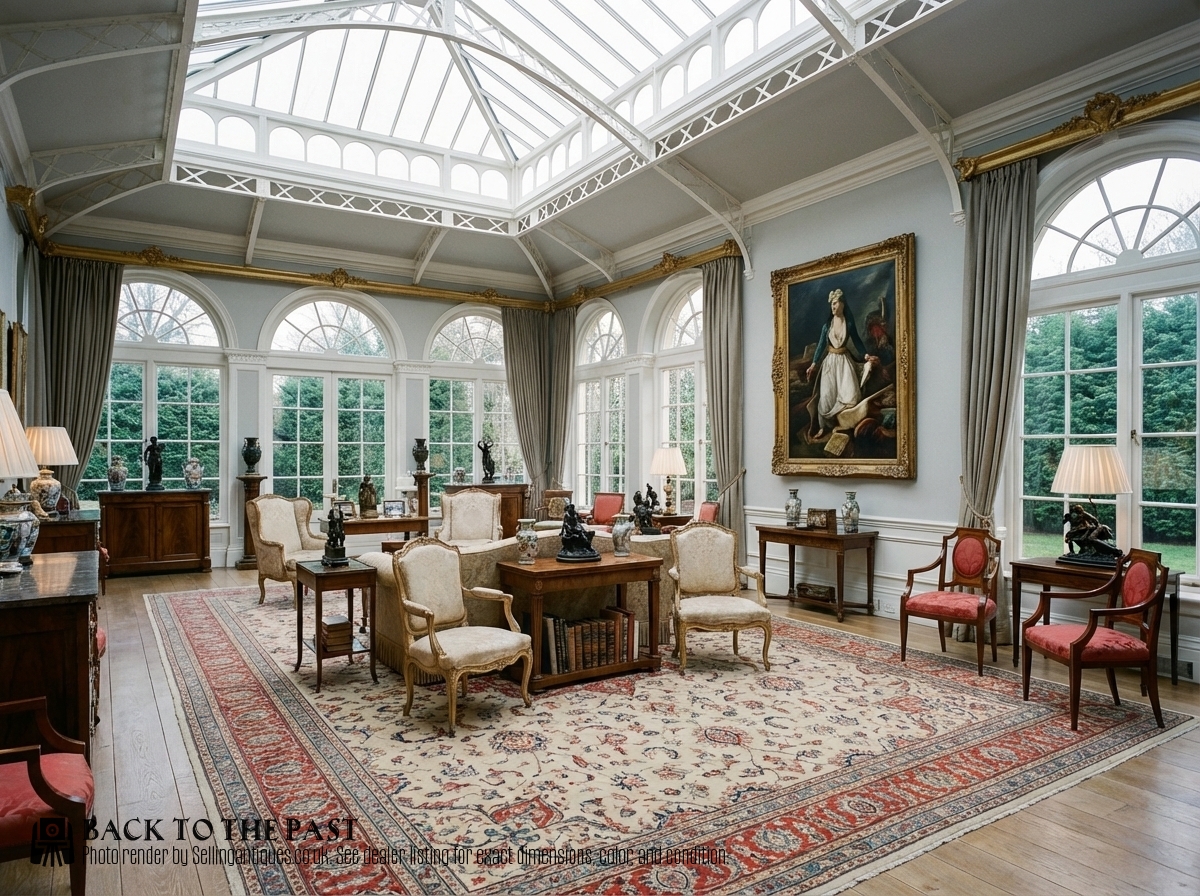
Window bays are standard locations for a matched pair. They frame the view naturally and offer symmetrical seating without blocking the natural light.
Consider the sunlight exposure. Strong ultraviolet light will fade fabrics and bleach dark mahogany over time. Drawing the blinds during the brightest part of the day helps protect the finish.
Seat height is the main issue when pairing old seats with modern tables. Standard modern tables sit higher than Georgian ones, meaning early seating can sometimes feel too low.
You can often resolve this by adding thicker drop-in seat pads. A firm traditional hair cushion wrapped in wool wadding will raise the sitter by an inch or two.
Check the arm height too. Carvers with high arms might not tuck neatly under a modern tabletop.
Please note: This Antique Pair Of Chairs guide and its associated pricing data are provided for general informational purposes only. It does not constitute formal financial, investment, or appraisal advice and should not be relied upon as the sole basis for any commercial activity, purchasing, or sales decisions. Sellingantiques.co.uk accepts no liability for any actions taken in reliance on this information. Always consult with a qualified professional or independent appraiser.

